



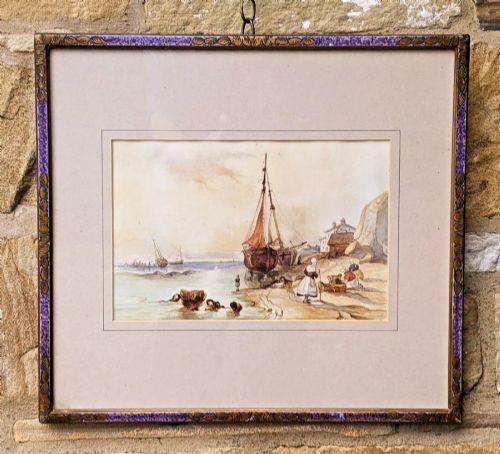
Marine Watercolour Art
When you search for marine watercolour art, you enter a vibrant world of maritime history recorded through delicate washes on paper.
Marine Watercolour Art
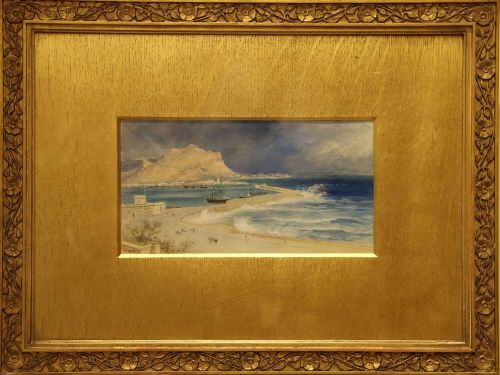
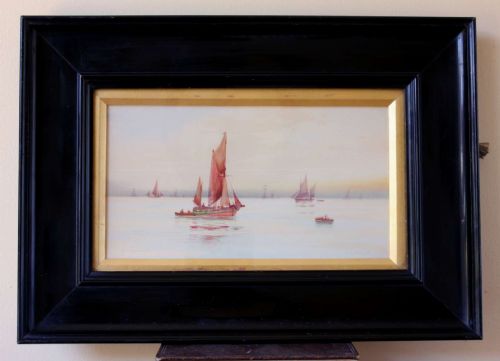
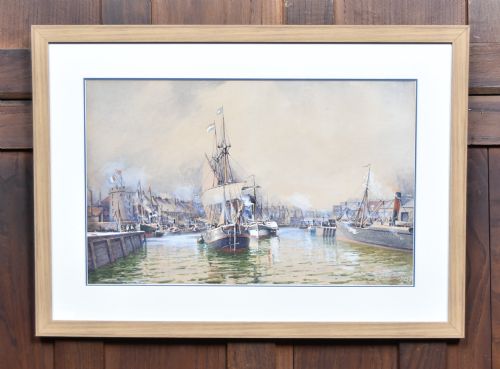
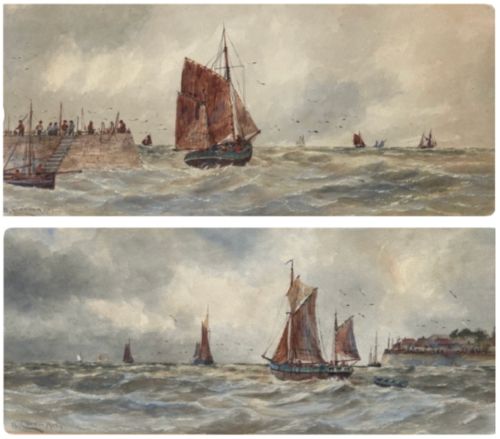
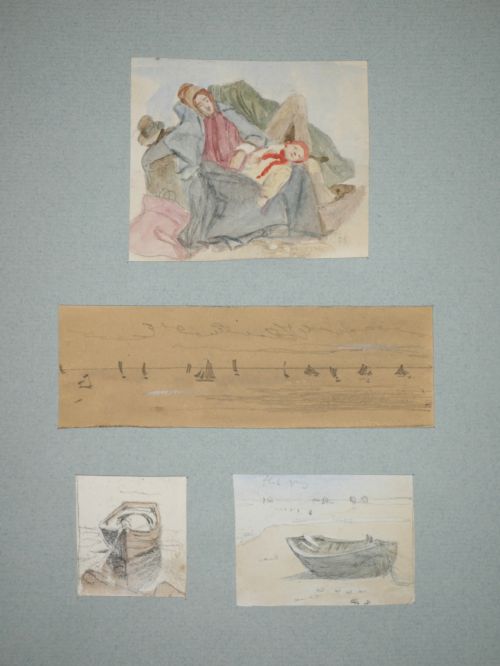
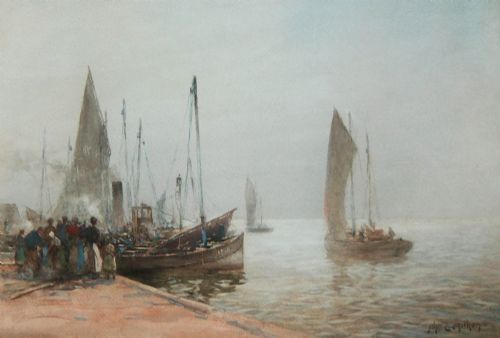
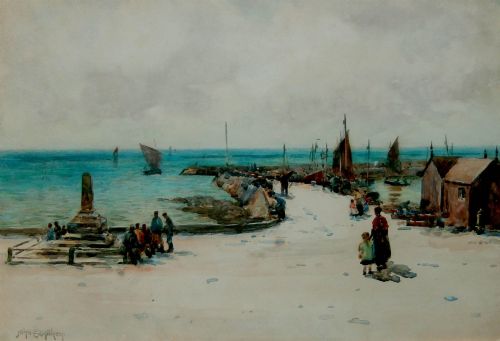
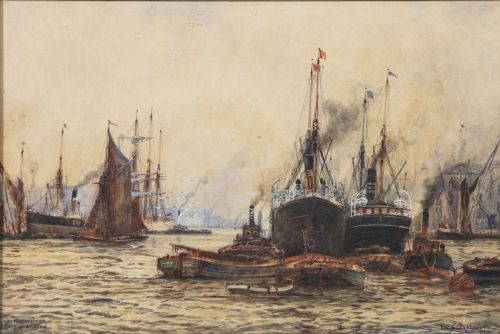
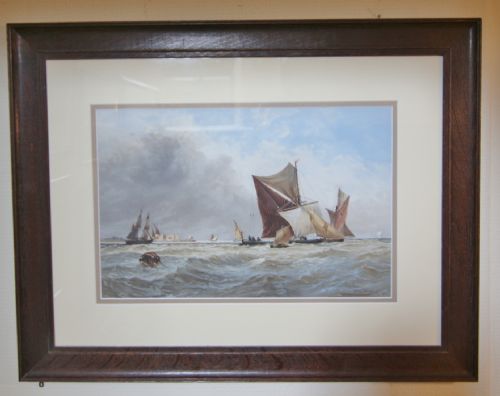
Marine watercolour art encompasses paintings and works on paper depicting coastal scenes, harbours, and ships at sea. These works capture the shifting moods of the water, from calm estuaries to stormy coastal approaches.
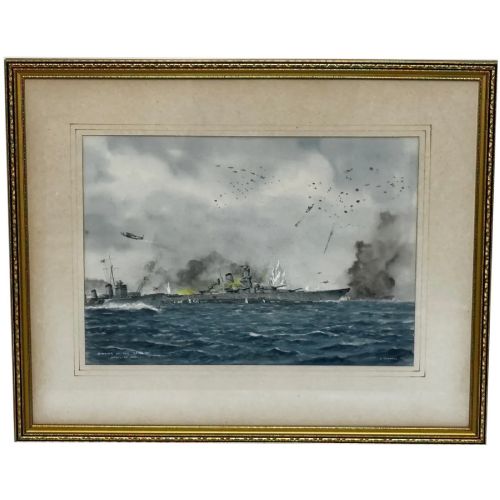
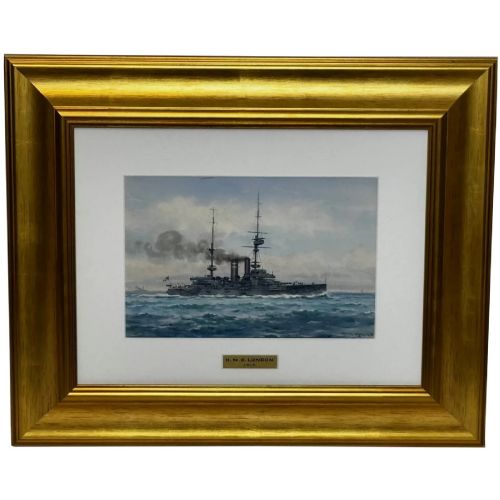
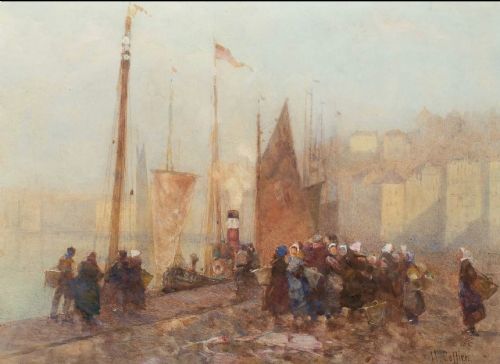
The pieces on this page span several periods, with a strong representation of nineteenth-century Victorian works alongside early twentieth-century Edwardian and mid-century examples. Buyers frequently encounter coastal towns like St Ives and Whitby, or detailed depictions of naval vessels.
Artists often rendered these scenes outdoors or based them on careful sketches made along British and European shores. The resulting works range from topographical records of shipping to atmospheric studies of light on the sea.
Materials and Technique
Watercolour pigment applied to paper forms the foundation of these works, frequently augmented by bodycolour or gouache to build opaque highlights on crashing waves and ship sails. Artists utilised the white of the unpainted paper to capture the glare of sunlight on water.
Framed behind glass within wooden or gilt wood surrounds, these works relied on the transparency of water-soluble pigments. The fluid handling of paint allowed artists to record rapid atmospheric shifts in coastal weather.
Listings feature works executed on paper using watercolour and gouache, spanning from the Victorian period through the mid-twentieth century.
Assessing Quality and Execution
The strength of a marine watercolour rests upon the artist's confidence in handling difficult atmospheric conditions and complex maritime rigging. Superior works demonstrate a precise understanding of naval architecture combined with fluid washes that convey the movement of water.
Compositional balance and tonal control separate standard topographical records from masterful artistic interpretations. Stronger examples reveal the artist's ability to capture light and atmosphere with economy of brushwork.
James Orrock·William Cannon·James Smetham·Charles Edward Dixon·Frank Watson Wood·Frank William Scargrough·Hector Caffieri·Thomas Bush Hardy·Robert Leslie Howey·George Stanfield Walters·Henry Barlow Carter·John Moxon·William Frederick Settle·Alfred George Morgan·Lionel Horsnell·John Bedloe Goddard·Charles William Adderton·Eric Tufnell·Richard Harry Carter·Vincenzo D'Esposito·William Lee Hankey·Edward Seago·Edwin Hayes·John Robert Mather
The Marine Watercolour Art Glossary
- Gouache
- An opaque watercolour paint that includes a white pigment to create solidity and heavier highlights. It is frequently found combined with traditional transparent watercolours on paper.
- Seascape
- A work of art depicting the sea, coastal views, or ships operating upon the water. These subjects formed a major focus for British watercolourists throughout the nineteenth and twentieth centuries.
- Lugger
- A traditional two-masted or three-masted fishing vessel rigged with lug sails. These boats appear frequently in coastal watercolours from West Country and Yorkshire harbours.
- Barque
- A sailing vessel with three or more masts having the fore- and main-masts square-rigged and the mizzen-mast fore-and-aft rigged. Such commercial ships often populate nineteenth-century maritime watercolours.
- Works on Paper
- A broad category encompassing watercolours, drawings, and sketches executed on paper supports. This term highlights the fragile medium shared by these maritime items.
Marine Watercolour Art: Frequently Asked Questions
How do I care for a marine watercolour?
Watercolours are sensitive to prolonged exposure to direct sunlight, which can cause the pigments to fade over time. Display them away from direct light sources and high humidity.
Ensure the framing uses conservation-grade materials that keep the paper from touching the glass directly. Stable indoor environments prevent the paper support from buckling.
Were these paintings made outdoors?
Many marine watercolours began as quick pencil or wash sketches drawn directly on the shoreline or aboard ship. Artists often completed the finished paintings later in the studio using these field observations.
Direct observation allowed painters to capture accurate details of rigging, weather conditions, and local coastal architecture. This combination of sketching and studio work ensured both immediacy and structural precision.
How can I tell the period of a watercolour?
Stylistic clues, types of vessels depicted, and framing methods often provide reliable indicators of a painting's era. Victorian works frequently feature detailed rigging and dramatic coastal rescues, while mid-century pieces adopt freer handling.
Signatures, dates inscribed by the artist, and archival labels verso offer direct evidence of the date of execution. Comparison with dated works by the same hand confirms the timeline.
What is the difference between watercolour and gouache?
Traditional watercolour relies on transparent pigments that allow the white of the paper to shine through the washes. This creates luminous effects for skies and water.
Gouache is an opaque medium that incorporates white pigment, enabling artists to paint solid highlights like foaming waves or white sails. Many maritime artists combined both mediums on the same sheet.