



Marine Watercolor Art
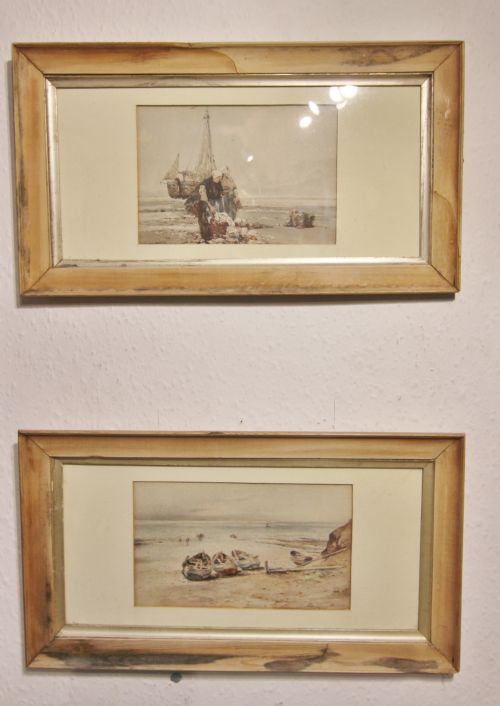
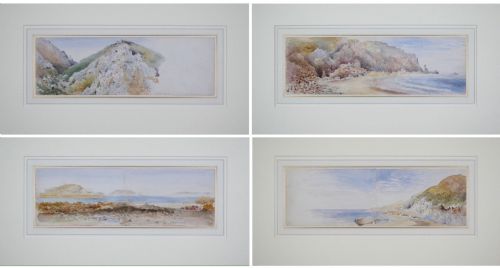
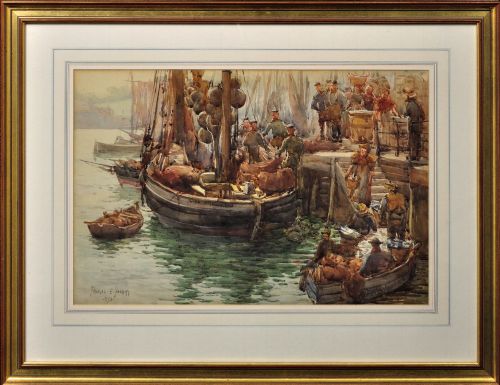
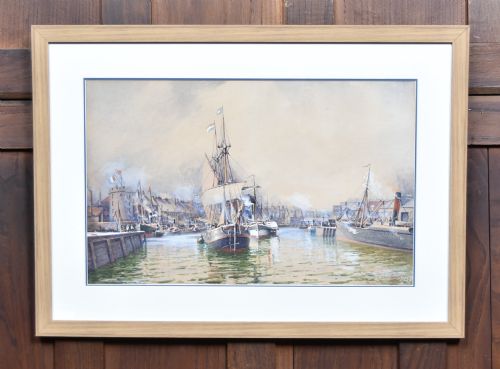
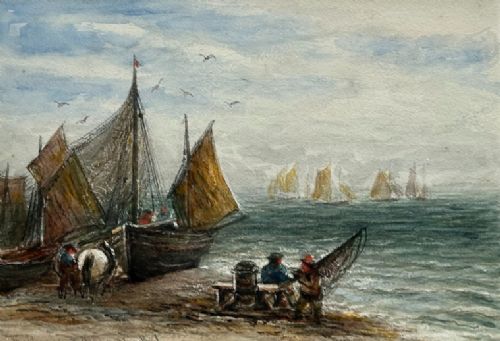
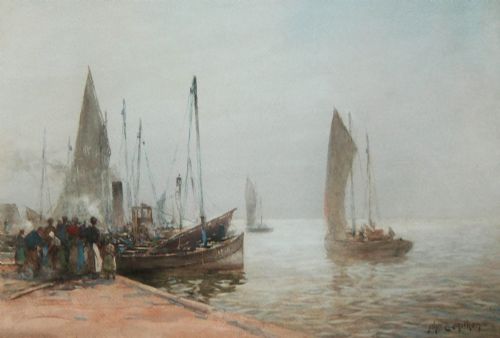
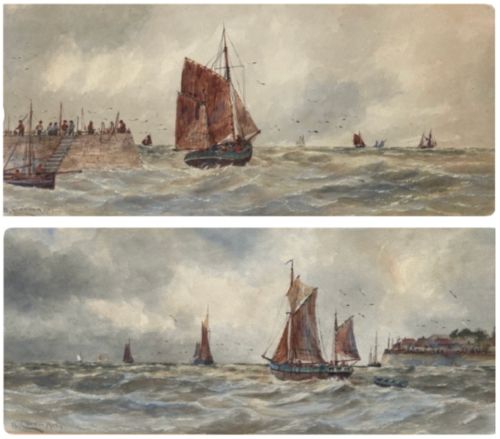
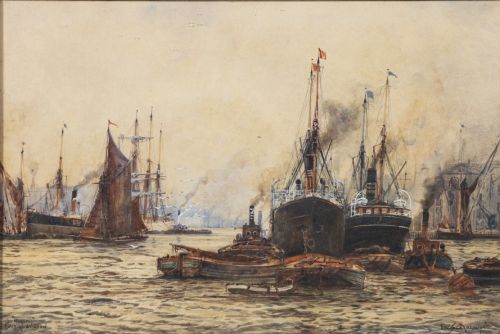
When you search for marine watercolor art, you encounter delicate coastal scenes, working harbours, and naval vessels captured on paper through the 19th and 20th centuries.
Marine Watercolor Art
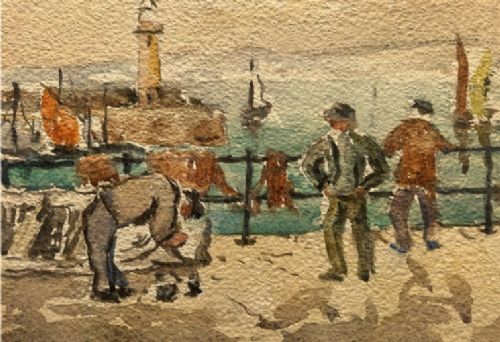
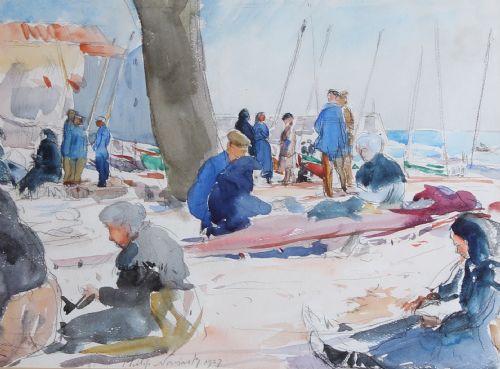
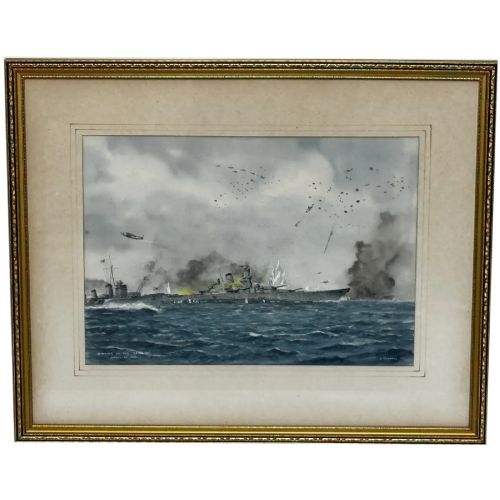
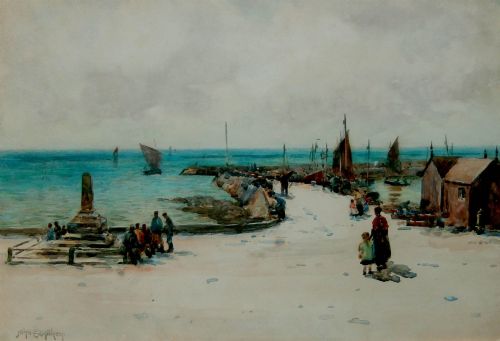
Marine watercolor art encompasses framed paintings and wall art depicting coastal views, fishing boats, and maritime shipping scenes from the 19th century through the mid-20th century.
The most common pieces on this page are British and European watercolours created during the Victorian and Edwardian periods, often signed by known regional painters.
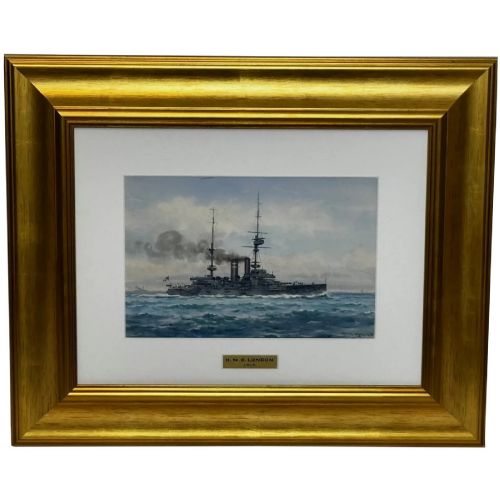
Subjects range from tranquil harbour anchorages in St Ives and Whitby to dramatic naval engagements and portraits of specific steamships and sailing vessels.
How they were made
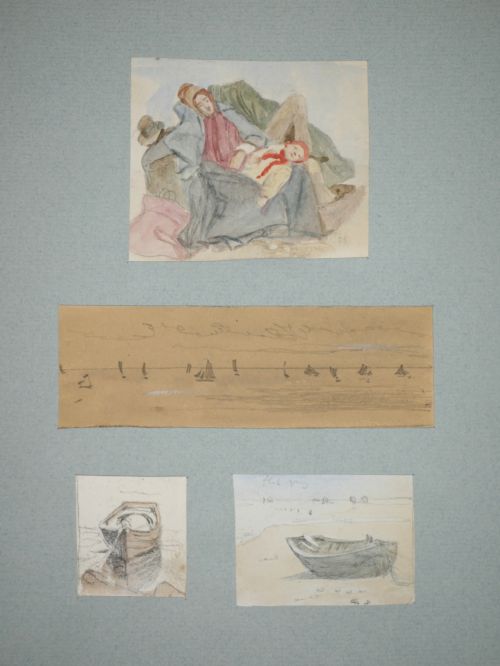
These works rely on watercolour pigment and sometimes gouache applied directly to paper supports, occasionally enhanced with pencil or ink underdrawing.
Artists utilised fluid washes to capture open skies and reflective sea surfaces, building up transparent layers to denote the changing moods of coastal weather.
Completed paintings were typically mounted behind glass and housed within wooden or gilt wood frames to protect the paper from moisture and light damage.
Marine Watercolor Art Retail Price Guide 2026
Typical asking prices for marine watercolor art among the pieces listed under this phrase on Sellingantiques today, from the lower quarter to the upper quarter. They describe what is for sale here now, not the wider market.
Listings span from the 19th century through the 1960s, featuring works executed on paper using watercolour and gouache.
What varies in quality
Quality rests upon the artist's ability to render water, rigging, and atmospheric perspective with economy and precision rather than heavy-handed application.
Stronger examples demonstrate confident brushwork and accurate topographical or nautical detail, particularly in the depiction of working vessels and architecture.
The preservation of the paper support and the vibrancy of the original pigments also distinguish finer works from faded or heavily browned sheets.
George F Pennington·Philip Naviasky·William Woolard·James Orrock·William Cannon·James Smetham·James E Aitken·John E Aitken·Eric Tufnell·William Banks Fortescue·Frank Watson Wood·Frank William Scarbrough·Hector Caffieri·Thomas Bush Hardy·Robert Leslie Howey·Alexander Harwood·George Stanfield Walters·John Moxon·Alfred George Morgan·Lionel Horsnell·John Bedloe Goddard·Charles William Adderton·Richard Harry Carter·Vincenzo D’Esposito·William Lee Hankey
The Marine Watercolor Art Glossary
- Watercolour
- A painting method in which the paints are made of pigments suspended in a water-based solution. It is traditionally applied to absorbent paper surfaces.
- Gouache
- An opaque water-based paint that includes a binding agent and chalk, allowing artists to add brilliant highlights over watercolour washes.
- Lugger
- A small two- or three-masted fishing vessel carrying lug sails, frequently depicted in coastal scenes from Cornwall and East Anglia.
- Barque
- A sailing vessel with three or more masts having the fore and mainmasts square-rigged and the mizzenmast fore-and-aft rigged.
- Provenance
- The documented history and ownership of a work of art, which helps confirm its authenticity and origin.
Marine Watercolor Art: Frequently Asked Questions
How should I hang marine watercolors?
Keep these framed works away from direct sunlight and damp environments to protect the paper and pigments from fading or foxing.
Ensure they are mounted securely with conservation-grade materials behind protective glass.
Are these paintings original works?
The listings on this page consist of original hand-painted watercolours and gouaches rather than modern mechanical reproductions.
Many bear the signature or monogram of the artist alongside period framing.
What subjects appear most often?
Common subjects include British fishing ports, rugged coastlines, racing yachts, and historical naval vessels at anchor or underway.
Artists frequently documented specific locations such as Whitby, St Ives, and the Port of London.
How do I date these watercolours?
Dating relies on period dress in coastal figures, the type of shipping depicted, artist biographical dates, and original framing styles.
Many pieces also include handwritten inscriptions or dates on the reverse of the paper or frame.