



Marine Artwork Decor
Marine artwork decor captures centuries of maritime heritage through oil and watercolour paintings on canvas, paper, wood and glass.
Marine Artwork Decor
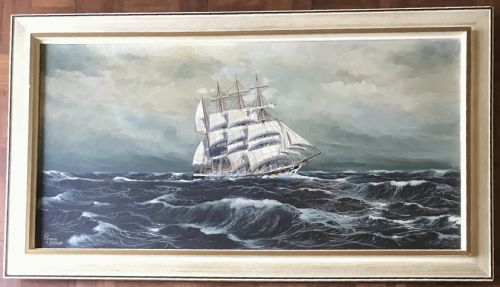
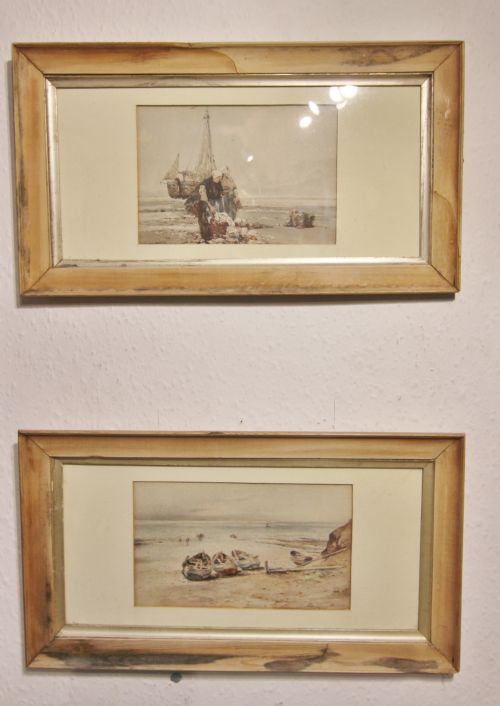
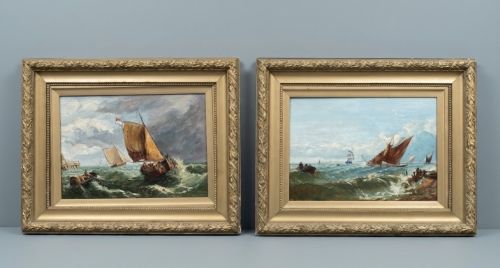
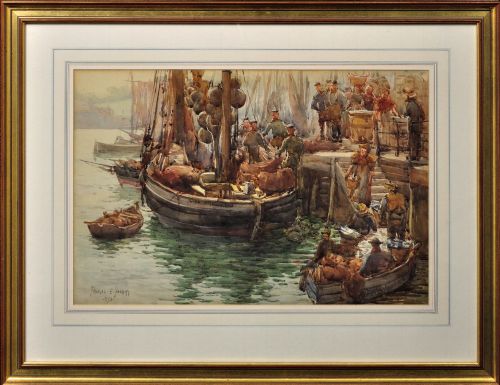
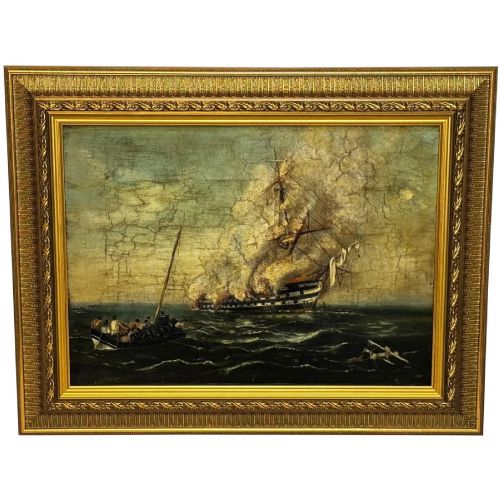
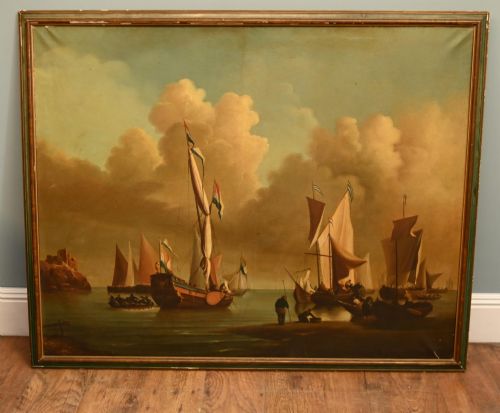
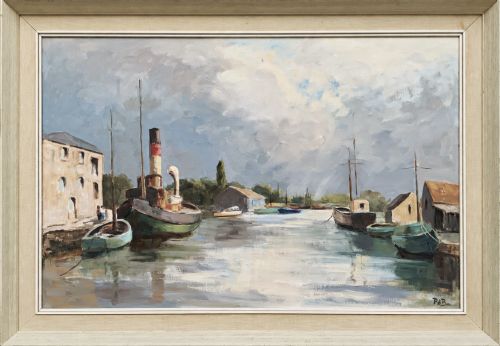
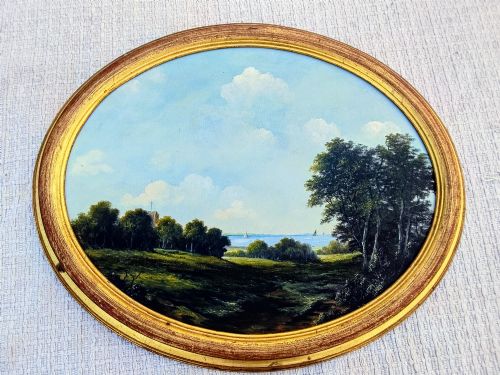
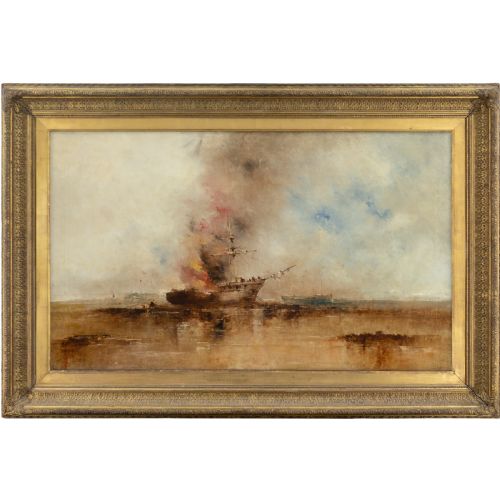
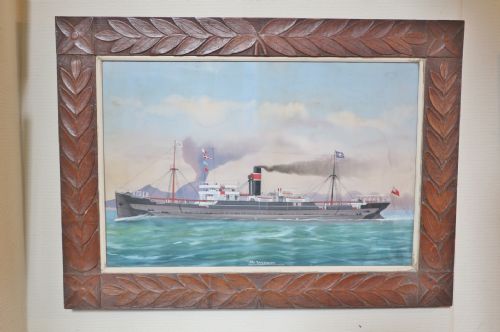
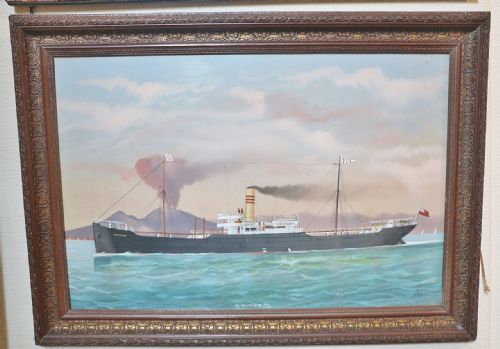
When you search for marine artwork decor, you encounter a specialised selection of paintings and framed prints depicting coastal scenes, harbours and historical sea battles. These pieces range from Victorian maritime watercolours to mid-century impressionist oil paintings on canvas.
The objects available on this page span several distinct periods, including Victorian, Edwardian and mid-century works. Common subjects involve named steamships, galleons, fishing trawlers and coastal Cornish views executed by listed British and European artists.
Materials and techniques
Artists creating these maritime works primarily utilised oil paint on canvas, wood panels or board, alongside delicate watercolours on paper. The application varies from tight, detailed depictions of ship rigging to looser impressionistic brushwork capturing coastal light.
Framing forms an integral part of the physical object, frequently utilising traditional gilt wood or oak frames to house the paintings, watercolours and glass-fronted prints.
Marine Artwork Decor Retail Price Guide 2026
Typical asking prices for marine artwork decor among the pieces listed under this phrase on Sellingantiques today, from the lower quarter to the upper quarter. They describe what is for sale here now, not the wider market.
Listings feature works executed in oil, watercolour and mixed media across canvas, paper, wood and glass supports.
Quality and execution
The distinction between average and exceptional maritime pieces lies in the accuracy of naval architecture and the handling of atmospheric light on water. Master painters render rigging, hull construction and coastal topography with precise observation.
Surface preservation and the integrity of the original canvas or paper support significantly influence the standing of a piece. Works retaining their period frames and untouched paint layers command greater regard among collectors.
Peggy de Brett·James Hardy·William McAlpine·Dion Pears·Frank Wood·H. Hadfield Cubley·Charles Cameron Baillie·Johan Jens Neumann·Godwin Bennett·Paul-Louis Barruel·Thomas Bush Hardy·Arthur Joseph Meadows
The Marine Artwork Decor Glossary
- Maritime painting
- A genre of art that depicts ships, coastal views, harbours and naval battles. These works document maritime history and coastal life.
- Gilt wood
- Wood carved and coated with gold leaf or metallic paint to create an ornate frame. This material frequently surrounds Victorian oil paintings.
- Panel
- A flat piece of wood used as a rigid support for oil painting instead of stretched canvas. Panels are common in earlier and mid-century works.
- Watercolour
- A paint consisting of pigment suspended in a water-based solution, typically applied to paper. This medium produces translucent coastal scenes.
Marine Artwork Decor: Frequently Asked Questions
What periods do these marine paintings come from?
The selection spans from the nineteenth century through the Edwardian era and into the mid-twentieth century. Works reflect stylistic shifts from traditional Victorian maritime detail to mid-century impressionism.
Collectors can identify eras through subject matter, such as WWI steamships or nineteenth-century sailing barques, alongside the framing materials typical of those decades.
How should I display marine artwork decor?
These paintings suit traditional studies, living rooms or hallway spaces where adequate wall space allows proper framing appreciation. Ensure oil canvases and watercolours hang away from direct sunlight to protect pigments.
Pairing works with period furniture or complementary gilt wood frames enhances the historical atmosphere within a room.
What is the difference between oil and watercolour pieces?
Oil paintings utilise heavy pigments on canvas, board or wood panels, offering rich textures and deep colour layering. Watercolours employ translucent washes on paper, often protected beneath glass.
Oils generally depict dramatic sea battles or large ship portraits, while watercolours excel at capturing soft coastal light and misty harbour scenes.
How do I identify a ship in a maritime painting?
Artists often inscribed vessel names, dates or locations directly onto the canvas, panel or frame during the Victorian and Edwardian periods. Researching specific registry numbers or shipping lines mentioned in titles helps date the exact vessel.
Naval architecture details, such as steel hulls versus wooden masts, also indicate whether a ship belongs to the nineteenth or twentieth century.