



Marine Art Print
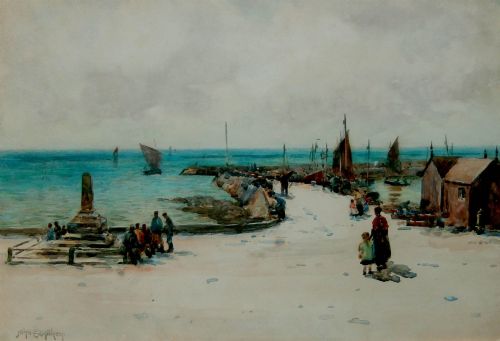
A marine art print brings the movement of nineteenth-century waters and historic vessels directly onto the wall.
Marine Art Print
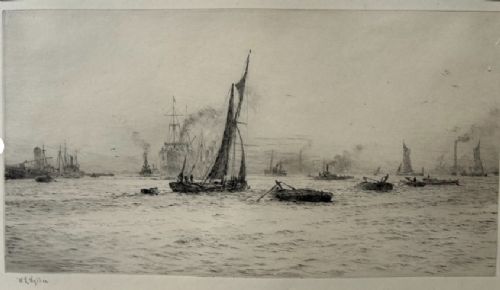
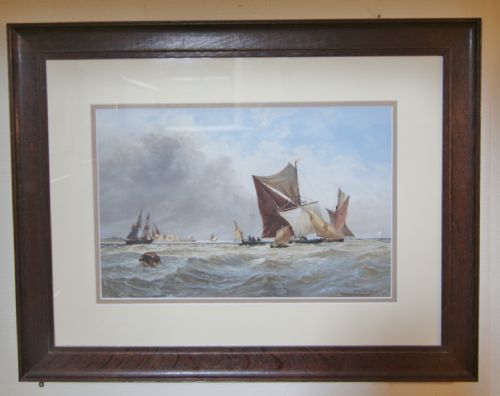
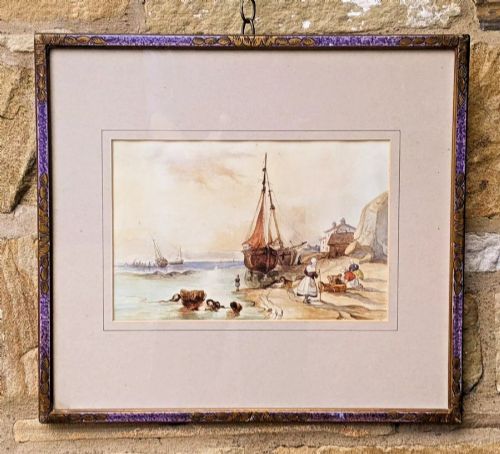
A marine art print captures historic ships, coastal harbours, and maritime scenes through various nineteenth-century methods. When searching for a marine art print, buyers encounter framed etchings, aquatints, engravings, and lithographs spanning the Victorian and Edwardian eras.
The selections range from detailed natural history engravings of fish and botanical seaweeding to grand depictions of royal yachts, naval reviews at Spithead, and bustling fishing harbours. Works after artists such as W.J. Huggins alongside original signed etchings by printmakers define the offerings.
Dated pieces from the mid-nineteenth century through to the early twentieth century provide clear chronological markers. The material execution often involves paper housed within wood, glass, and giltwood frames.
Materials and printmaking methods
Makers utilised paper as the primary support for delicate ink etchings, aquatints, engravings, and hand-coloured lithographs. Printmakers applied copper or steel plates to transfer detailed lines of sailing ships and coastal views.
Framing materials included traditional wood, oak, and giltwood mouldings designed to protect the paper works behind glass. Many pieces incorporate watercolour highlights applied by hand over printed base lines.
Marine Art Print Retail Price Guide 2026
Typical asking prices for marine art print among the pieces listed under this phrase on Sellingantiques today, from the lower quarter to the upper quarter. They describe what is for sale here now, not the wider market.
Even nineteenth-century scientists needed a hobby, as proven by collectors pressing delicate seaweed specimens onto paper by the seaside.
Distinctions in print quality
The strength of the impression and clarity of line separate finer works from heavier or worn print runs. Early strikes from copper plates preserve the crisp rigging of vessels and subtle tones of water.
The quality of hand-colouring and the preservation of the original paper sheet influence the character of the piece. Period framing materials that complement the era of the work add historical cohesion.
Jonathan Couch·W. J. Huggins·William Lionel Wyllie·Thomas Bush Hardy
The Marine Art Print Glossary
- Etching
- A printmaking process where acid bites lines into a metal plate to hold ink. This technique allows for fine, expressive detail in marine scenes.
- Aquatint
- An intaglio printmaking technique that produces tonal areas resembling watercolour washes. It was frequently used for nineteenth-century coastal views.
- Engraving
- A method of cutting design lines directly into a metal plate with a burin. The resulting prints offer precise and enduring botanical or maritime illustration.
- Lithograph
- A planographic printing process based on the repulsion of oil and water. It enabled the production of multi-coloured ship prints in the Victorian period.
Marine Art Print: Frequently Asked Questions
How do I care for a paper print?
Keep the framed work away from direct sunlight to prevent the ink and paper from fading over time. Maintaining stable indoor humidity protects both the paper support and the antique wooden frame.
Ensure the glass is properly sealed to prevent dust and moisture from accumulating across the surface of the print.
Were these printed in colour originally?
Many nineteenth-century prints were produced in black and white or monochrome ink and then hand-coloured afterwards with watercolours. Lithographs of the period could also be printed using multiple stones for colour.
Closer inspection under a magnifying glass reveals whether colour was applied by hand on top of an etching or printed mechanically.
How can I date an antique print?
Examine the paper characteristics, watermark evidence if visible, and the style of the framing materials. Typographical lettering beneath the image often records publication dates and publisher details.
Reference the historical subject matter, such as specific royal yachts or naval reviews, to narrow down the period of creation.
What is the difference between an etching and an engraving?
An etching uses acid to bite lines into the metal plate, resulting in softer, more varied strokes. An engraving relies entirely on manual tool pressure to cut V-shaped grooves into the metal.
Printed lines from engravings appear exceptionally sharp and uniform under magnification compared to etched lines.