
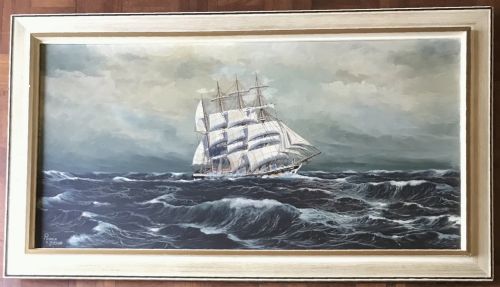
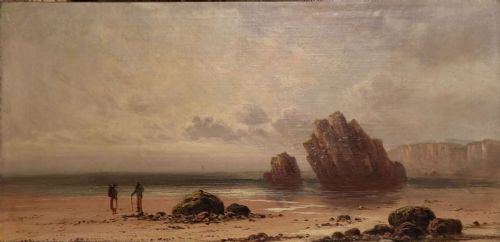
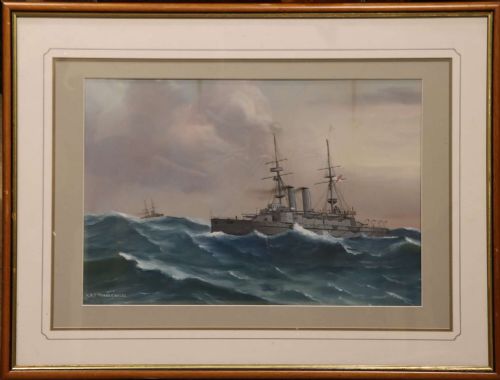
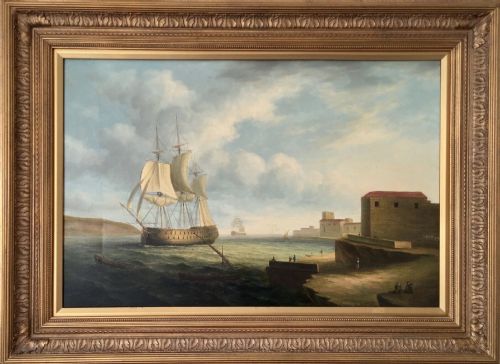
Marine Art Painting
Marine art painting captures the enduring power of oceans, rivers, and harbours on canvas, wood, and paper.
Marine Art Painting
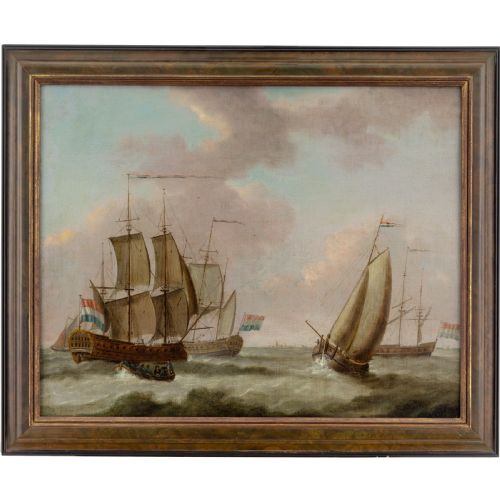
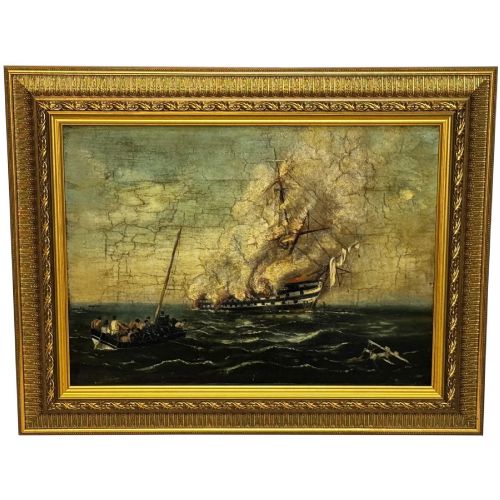
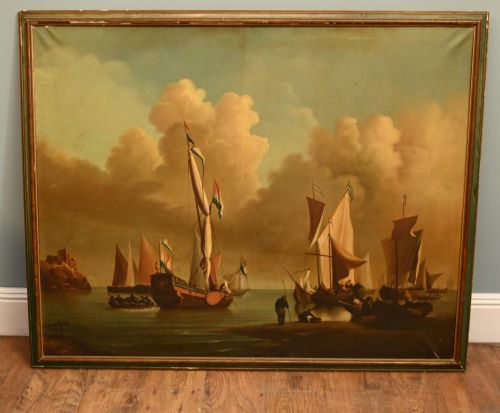
A marine art painting records historical shipping, coastal topography, and dramatic maritime events through diverse regional lenses.
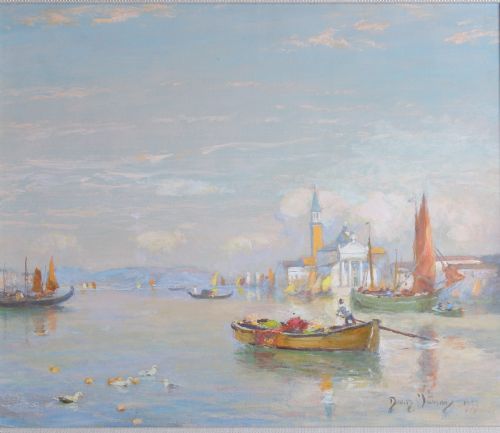
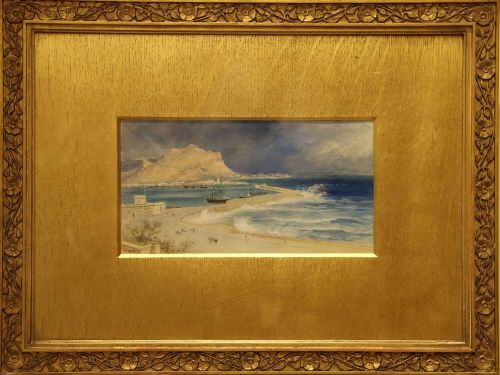
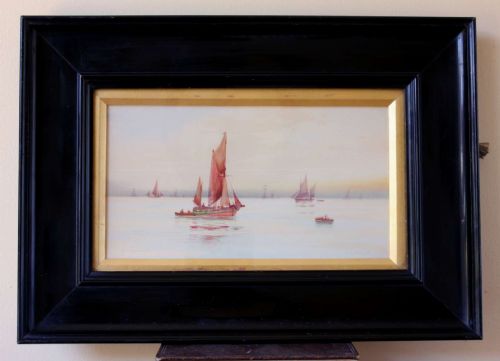
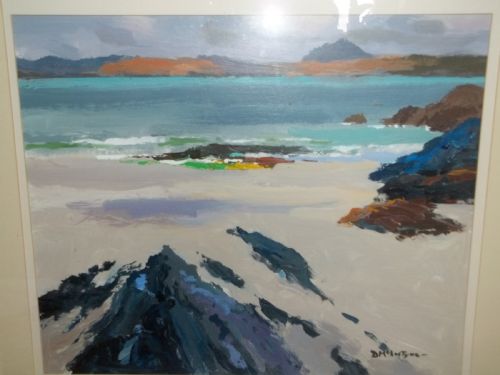
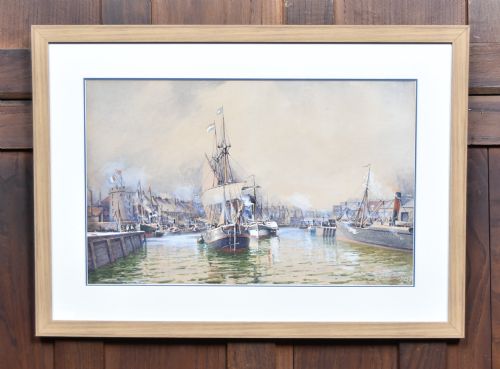
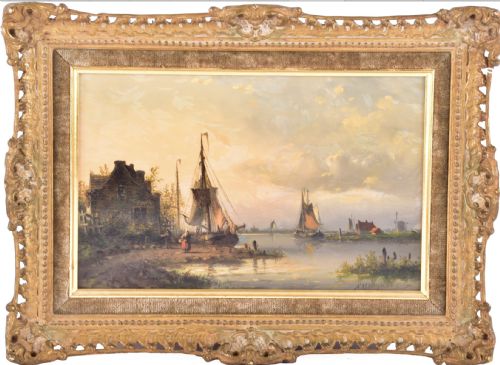
The selections span nineteenth-century watercolours of British harbours to mid-century oil paintings of calm coastal waters.
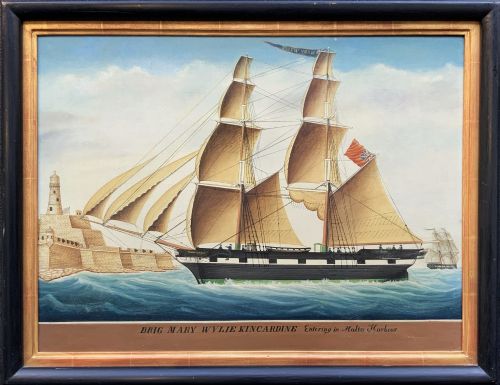
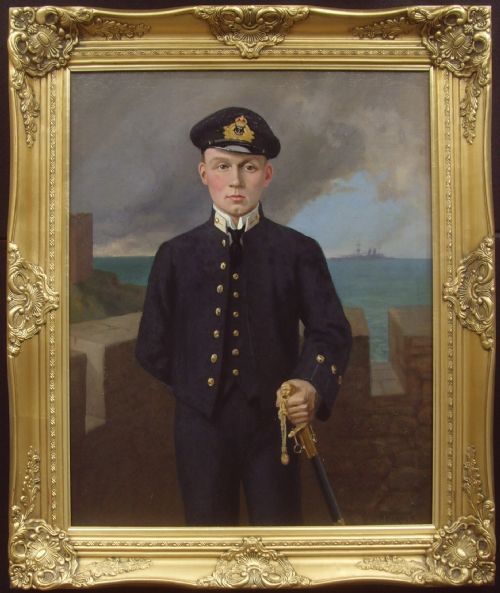
Works on this page encompass detailed depictions of named vessels alongside atmospheric views of fishing boats and coastal villages.
How they were made
Artists utilise oil paint on canvas, board, and panel to build rich, textured surfaces representing turbulent seas and dramatic coastal light.
Watercolour and gouache on paper capture delicate atmospheric effects, often rendered en plein air along British and European shores.
Listings feature works rendered in oil on canvas, watercolour on paper, and gouache spanning the nineteenth and twentieth centuries.
What varies in quality
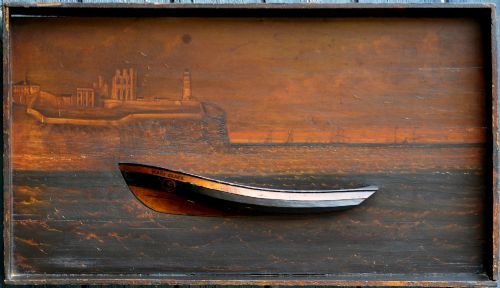
Technical precision in rigging, vessel architecture, and maritime perspective distinguishes accomplished works from simpler folk art representations.
The handling of natural light on water and the atmospheric depth of coastal skies determine the artistic standing of each piece.
Sir David Murray RA·Donald McIntyre·Nicolaas Martinus Wijdoogen·James Orrock·Frank Watson Wood
The Marine Art Painting Glossary
- Gouache
- An opaque water-based medium that allows artists to build bright highlights and dense pigments on paper.
- En plein air
- The practice of painting outdoors to capture direct observations of natural light and coastal weather.
- Panel
- A rigid wooden support used by painters as an alternative to stretched canvas.
- Maritime
- Pertaining to ships, shipping, and navigation on the sea.
- Seascape
- A work depicting the sea, coastal views, or marine vessels in motion.
Marine Art Painting: Frequently Asked Questions
How do I date a marine painting?
Dating relies upon examining the riggings and architecture of depicted ships, alongside costume details of any figures present.
Framing styles and artist signatures recorded in historical records provide further chronological markers.
What is the difference between oil and watercolour marine works?
Oil paintings utilise heavy pigments on canvas or wood to create deep, textural representations of rough seas and dramatic weather.
Watercolours on paper offer lighter, more transparent interpretations of harbours, skies, and calm coastal inlets.
How should I care for antique watercolours?
Watercolours on paper require protection from direct sunlight to prevent fading of pigments and discolouration of the paper support.
Displaying works away from moisture and using acid-free framing materials preserves the integrity of the piece.
Are all marine paintings historically accurate?
While many artists meticulously recorded specific naval engagements and named merchant vessels, others focused on atmospheric coastal landscapes.
Folk art interpretations often prioritise expressive visual storytelling over strict naval architectural precision.