




Marble Sculpture Study
A marble sculpture study brings classical figures, animals and human forms into a room with heavy weight and polished substance.
Marble Sculpture Study
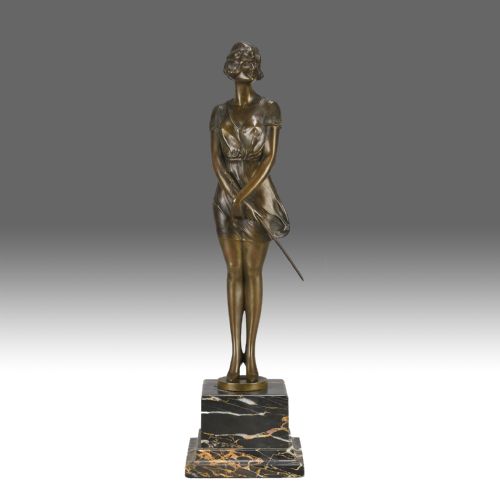
A marble sculpture study takes the form of carved figures, busts, animals, and souvenir pieces set upon contrasting plinths and bases. These works range from mid-nineteenth-century Italian Grand Tour souvenirs and carved statuary marble busts to Art Deco bronze figures mounted on black or green marble bases.
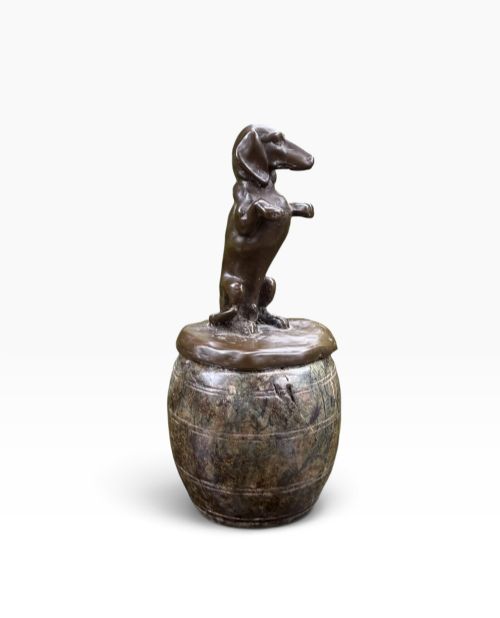
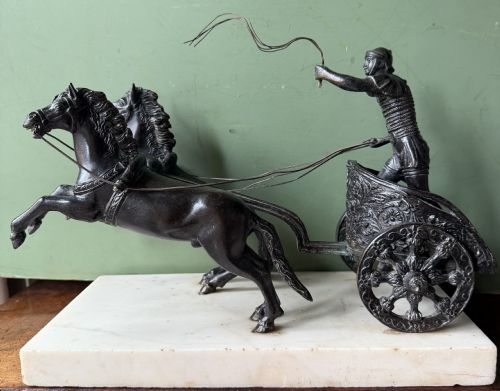
Buyers encounter subjects drawn from classical antiquity, such as the Farnese Hercules and Hypnos, alongside animal studies including tigers, hounds, horses, and birds. Many examples combine cast metals with stone plinths, uniting bronze and marble in a single composition.
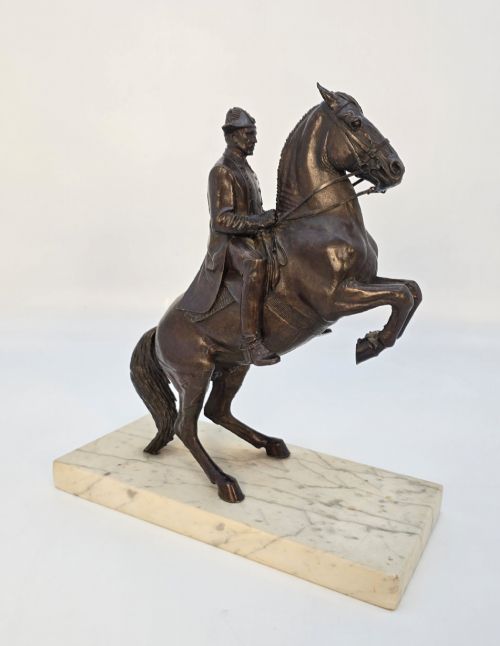
The objects span the nineteenth and twentieth centuries, encompassing Neoclassical, Academic Realism, and Art Deco styles. Smaller scale paperweights and cabinet figures sit alongside larger architectural busts and equestrian groups.
Materials and construction
Carvers shaped statuary marble, green marble, and black specimen marble using traditional chisels and polishing agents. Stone bases often received detailed shaping, including specialised mounts like prato verde socles to support the main subject.
Metal components involved bronze, silvered bronze, and cold painted techniques, cast separately before mounting onto stone plinths. Artisans finished these surfaces with verdigris patination, paint, or high-gloss polishing to accentuate musculature and drapery.
A tiny bronze albatross takes flight above a crested wave, frozen permanently in mid-air on its black marble plinth.
Distinguishing quality
The refinement of the carving separates standard commercial souvenirs from masterworks executed after the antique. Fine articulation in facial expressions, hair, and animal anatomy indicates superior hand-finishing by skilled sculptors.
The integration between the primary sculpture and its marble or bronze base defines the structural integrity of the piece. High-quality examples feature carefully matched stones, secure fixings, and harmonious proportions between the subject and its plinth.
Bruno Zach·Ferdinand Preiss·Feridah Francis Forbes Taylor
The Marble Sculpture Study Glossary
- Grand Tour
- A traditional trip of Europe undertaken by upper-class European young men of sufficient means. Souvenirs from these journeys included small bronze and marble sculptures after classical antiquities.
- Statuary marble
- A fine-grained, pure white marble traditionally used by sculptors for carving figures and busts. It takes a smooth polish and reveals subtle translucent qualities.
- Prato verde
- A distinctive green marble variety used for decorative bases and socles. It provides a rich colour contrast to white marble figures.
- Socle
- A short plinth or pedestal supporting a bust or statue. It elevates the sculpture and stabilises the composition.
- Animalier
- A nineteenth-century artistic style focusing on the realistic depiction of animals. Sculptors in this tradition captured beasts in motion or repose, frequently paired with stone bases.
Marble Sculpture Study: Frequently Asked Questions
What is a marble sculpture study?
A marble sculpture study is a three-dimensional artwork featuring carved stone or a metal subject mounted on a marble base. These pieces often serve as preparatory works, miniature copies of antiquities, or decorative cabinet sculptures.
They reflect the artistic styles of the nineteenth and twentieth centuries, encompassing classical mythology, animal studies, and human figures.
How were Grand Tour souvenirs made?
Grand Tour souvenirs were produced in European workshops, primarily in Italy, to satisfy travellers collecting mementoes of classical art. Artisans carved white statuary marble or cast bronze to replicate famous ancient sculptures found in museums and ruins.
These smaller reductions allowed collectors to transport classical aesthetics back to their homes.
How do I display a sculpture with a marble base?
Display these pieces on sturdy surfaces such as mantelpieces, desks, or dedicated tables where their weight is fully supported. Ensure the placement protects the stone and metal components from accidental knocks.
Keep them away from direct heat sources and moisture to preserve the finish of both the marble and the mounted figure.
How can I tell the period of a bronze and marble study?
Dating relies on the stylistic markers of the metalwork and the type of marble used in the plinth. Nineteenth-century pieces often display Neoclassical or Grand Tour characteristics, while 1920s and 1930s examples frequently exhibit Art Deco geometry and specific patination techniques.
Examining the mounting methods and the wear on the base also helps establish the age.