

Marble Pedestal Side Table
A marble pedestal side table brings a cool stone surface and a steady central column to a room, drawing the eye with contrasting timber and veined rock.
Marble Pedestal Side Table
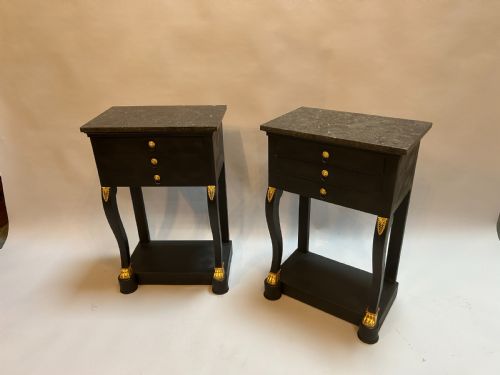
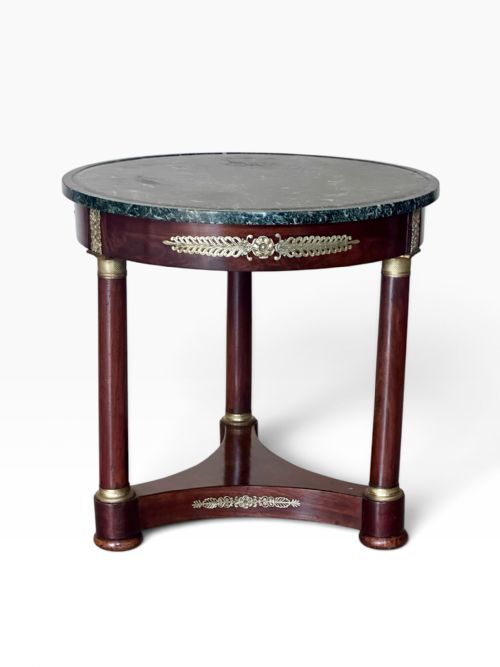
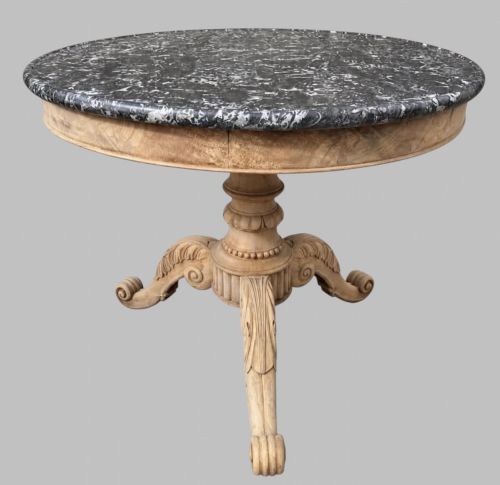
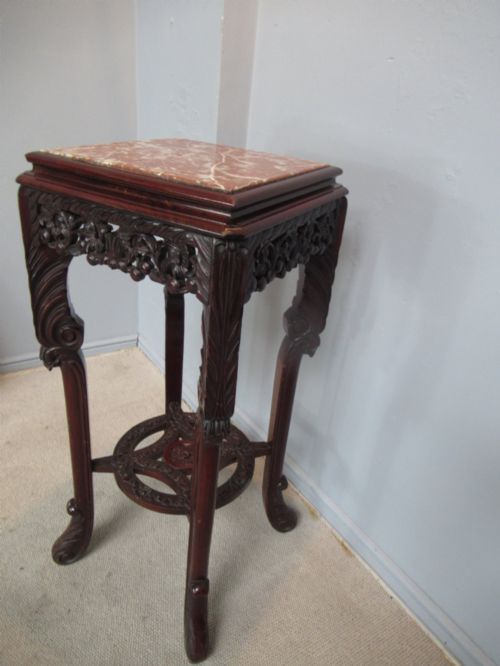
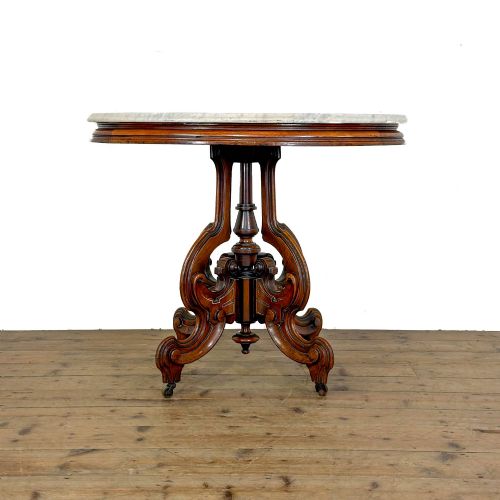
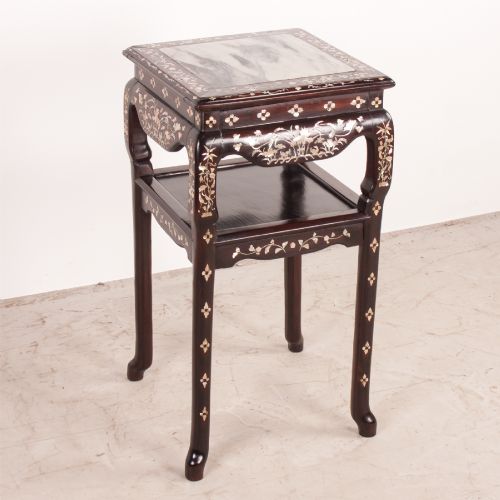
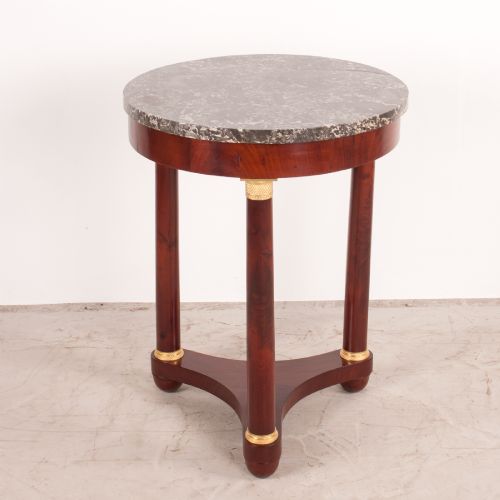
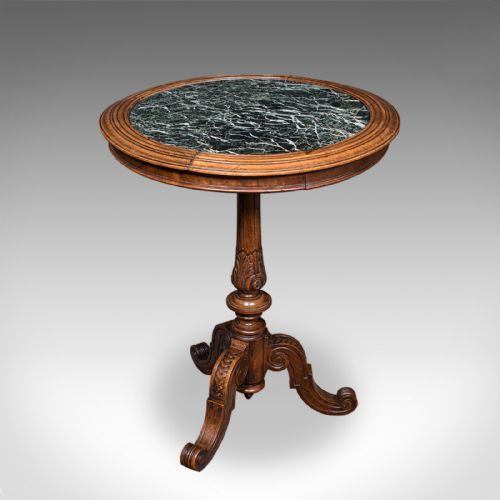
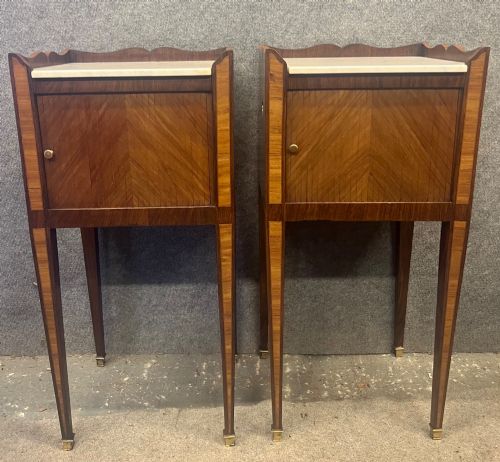
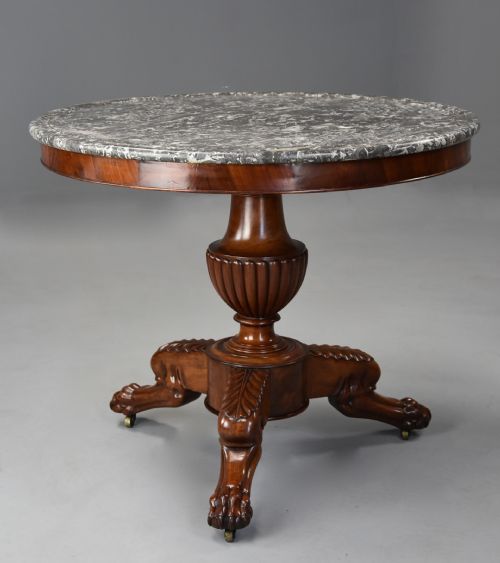
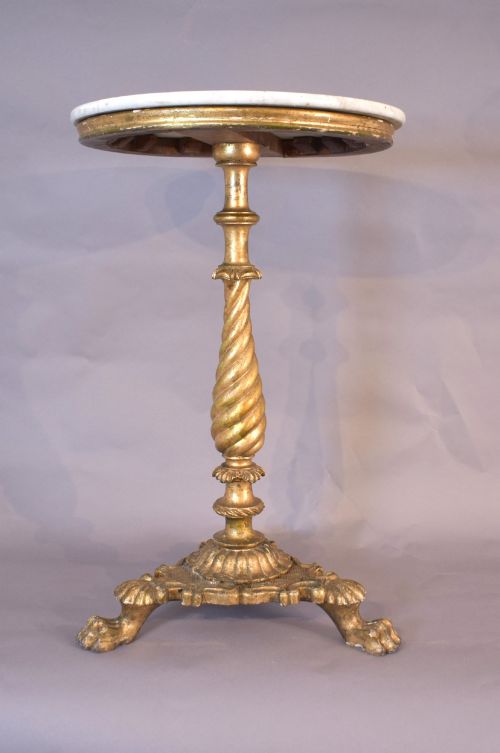
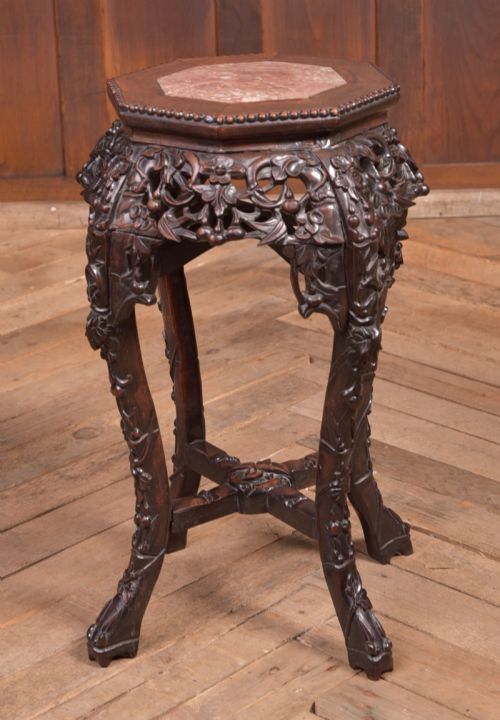
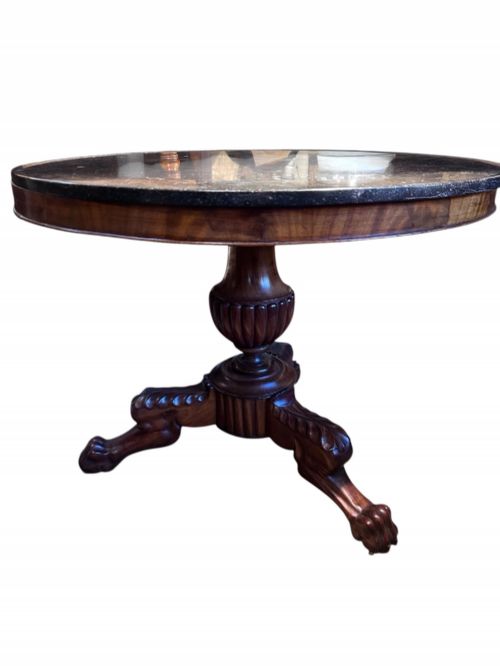
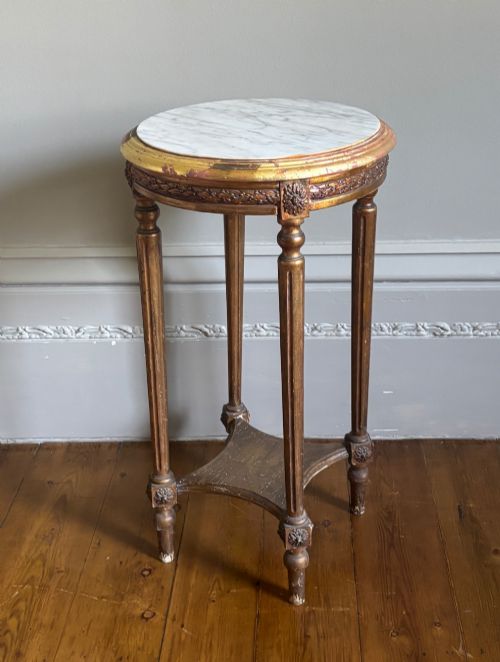
A marble pedestal side table represents a diverse group of compact supports, with the French gueridon appearing most frequently alongside Chinese hardwood stands and Victorian occasional tables.
These pieces function as plant stands, bedside cabinets, and lamp tables, anchored by a single central pillar rather than four corner legs.
Origins span from nineteenth-century French workshops to Chinese export studios, bringing varied regional interpretations to a single functional form.
Materials and Construction
Cabinetmakers combined dense hardwoods such as mahogany, walnut, and rosewood with heavy slabs of white, grey, or rouge marble fitted precisely into the timber framing.
Gilded brass, ormolu mounts, and mother of pearl inlay embellished many of the frames, while stone carvers shaped marble and alabaster for the inset tops and supports.
Several pieces feature secret compartments hidden beneath the stone tops, originally designed for storing midnight letters.
Distinctions in Execution
Quality rests in the harmony between the stone top and the timber base, where superior examples feature well-figured burr veneers and finely chased bronze or brass mounts.
The stability of the central pedestal and the thickness of the marble slab distinguish robustly constructed pieces from lighter decorative equivalents.
The Marble Pedestal Side Table Glossary
- Guéridon
- A small French table supported by a single central column or pedestal. These often featured round marble tops suited for holding lamps or drinks.
- Ormolu
- Gilt bronze mounted onto furniture frames. This technique added decorative metallic detail to nineteenth-century cabinet work.
- Specimen marble
- Stone tops composed of various geometric or natural pieces assembled together. These panels showed off differing geological colours and origins.
- Burr veneer
- Thin slices of timber cut from tree growths showing swirling grain patterns. Makers applied these to table aprons for decorative effect.
Marble Pedestal Side Table: Frequently Asked Questions
Where should I place a pedestal table?
These compact supports suit tight corners, beside seating, or in hallways where a full-sized desk or chest will not fit.
Their central pillar allows chairs to tuck underneath cleanly without legs obstructing the space.
How do I clean a marble top?
Use a damp cloth with mild, non-acidic soap to wipe down the stone surface gently after use.
Avoid harsh commercial cleaners that can etch or dull the polished finish over time.
Are these tables sturdy enough for daily use?
The weight of the stone top helps anchor the central pedestal firmly against accidental tipping.
Heavier items balance well on the broad bases, though care remains sensible with tall arrangements.
How do I identify French gueridon tables?
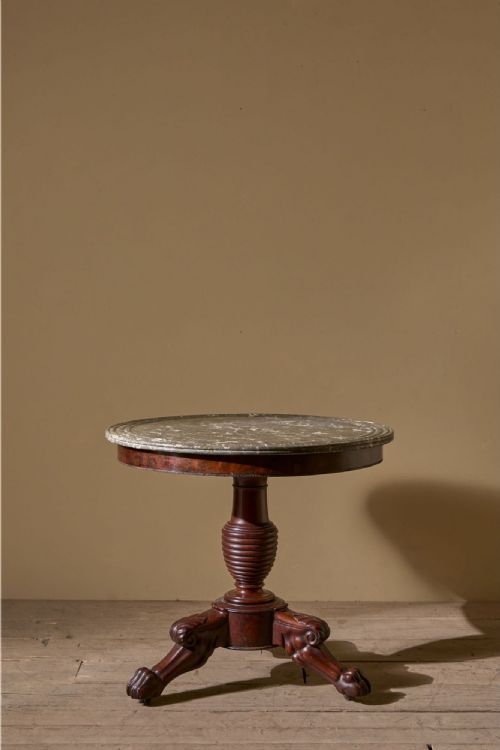
Look for round timber tops inset with veined marble, supported by tripod legs or a solid central column.
Many examples date from the nineteenth century and incorporate mahogany or walnut framing.