



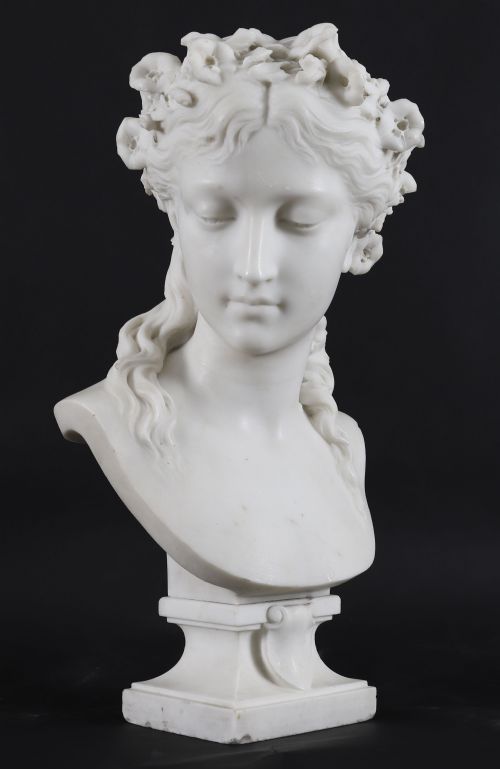
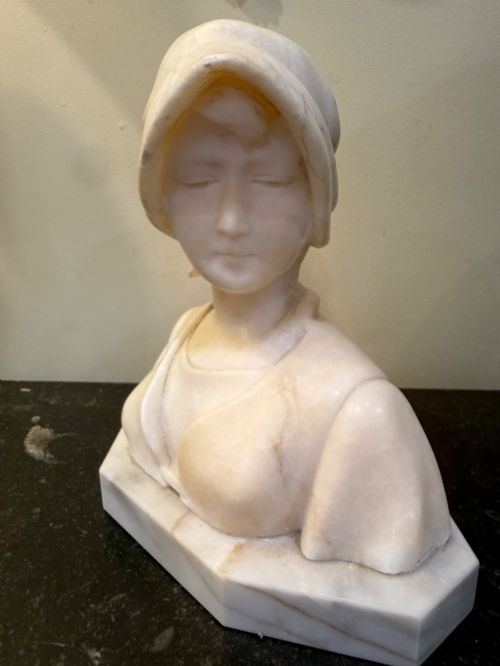


Marble Lady Sculpture
These marble lady sculpture examples capture classical grace and modernist line, offering collectors carved stone figures from the nineteenth and early twentieth centuries.
Marble Lady Sculpture
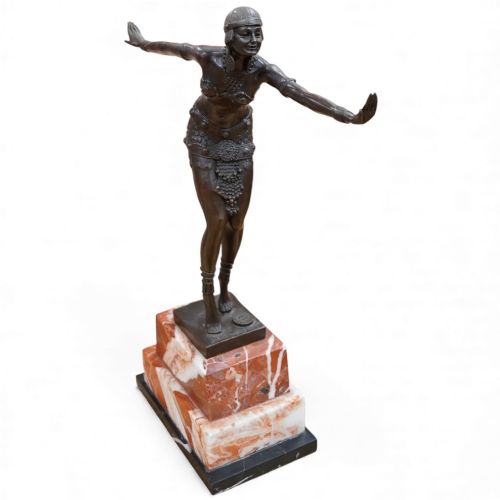
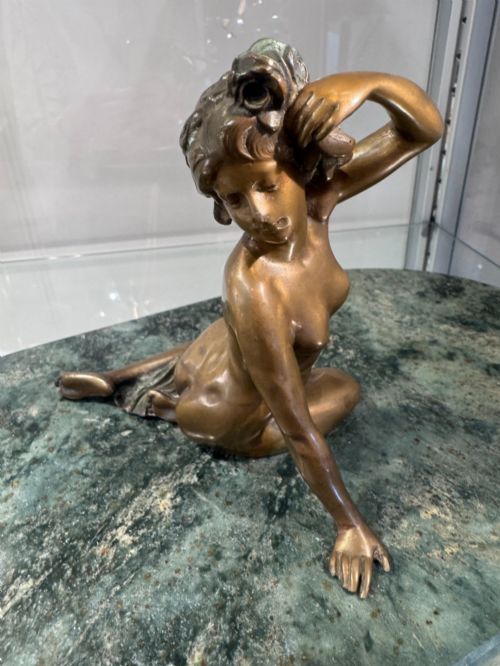
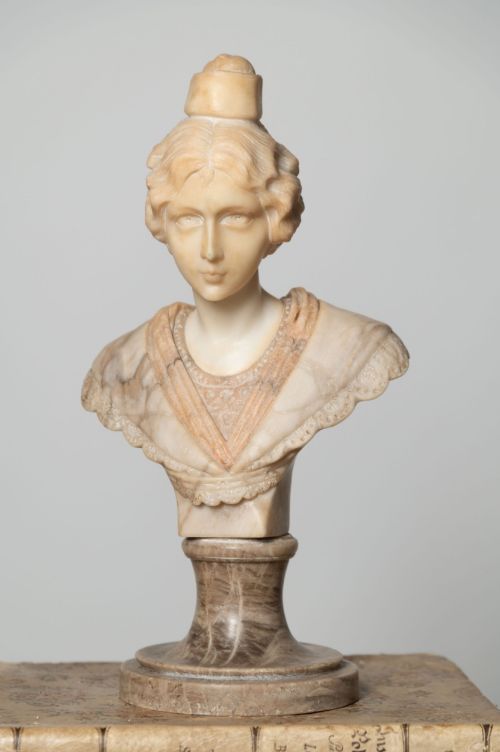
When you search for a marble lady sculpture, you encounter carved stone female figures, portrait busts and figural lamps spanning the nineteenth century through the Art Deco era. The selection ranges from nineteenth century Neoclassical pieces to 1930s figures.
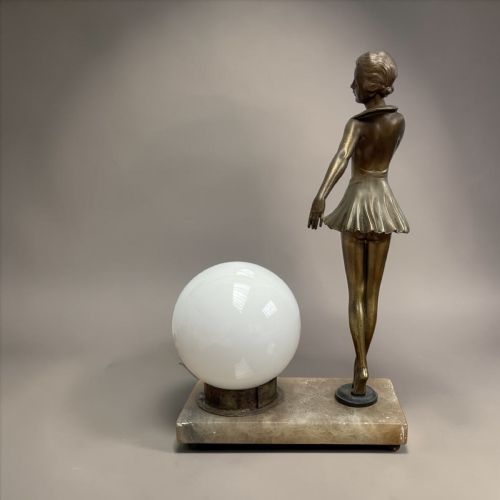
You are most likely to meet French and English table lamps, portrait busts on varied marble bases, and bronze or spelter figures paired with stone. These works draw on Art Nouveau, Art Deco, and French Classical aesthetics.
The category encompasses full-length statues, bookends, car mascots, and intimate cabinet sculptures alongside monumental veiled portrait busts. Each piece employs the female form as a vehicle for decorative expression across distinct historic periods.
How they were made
Carvers shaped white Carrara marble and alabaster using traditional masonry techniques, often mounting finished figures on contrasting bases such as Vert de Mer marble or onyx. Artisans also combined carved stone elements with cast bronze, spelter, and patinated metal components.
Foundries cast metal figures and lamps using bronze or spelter, frequently integrating them with carved marble plinths or lamp bases. Detail work on the faces and drapery relied on hand-chasing and polishing by skilled studio craftsmen.
Periods represented span from the 1850s through the Art Deco designs of the 1930s, including Belle Epoque and Arts and Crafts examples.
What varies in quality
The upper tier of pieces displays exceptional fineness in facial carving, delicate treatment of veils or drapery, and harmonious integration of mixed materials like white and coloured marble. Lesser examples rely on routine casting or mechanical finishing without the nuanced touch of a named hand.
Superior works often bear signatures from known sculptors and demonstrate sophisticated casting or carving with balanced proportions. Quality also rests in the selection of the stone itself, where pure white marble or rich multi-toned bases elevate the overall presence.
Eugene Aizelin·Georges Van Der Straeten·Geo Maxim·H. Bal·Jose Dunach
The Marble Lady Sculpture Glossary
- Carrara marble
- A type of white or blue-grey marble from the city of Carrara in Tuscany, prized for centuries by sculptors for its fine and uniform grain.
- Spelter
- A zinc alloy commonly used in the nineteenth and early twentieth centuries as a less expensive alternative to bronze, often given a patinated finish to simulate true bronze.
- Vert de Mer
- A dark green marble with pale veining, frequently utilised as a contrasting base for nineteenth-century portrait busts and sculptural figures.
- Patinated metal
- Metal surfaces treated with chemical solutions or heat to produce a specific coloration, protecting the material and enhancing sculptural depth.
Marble Lady Sculpture: Frequently Asked Questions
How do I identify nineteenth century marble?
Nineteenth-century marble usually displays hand-finished surfaces, softer tooling marks around the undercut areas of drapery or hair, and patination consistent with age. Bases often utilise period-specific stones like Vert de Mer or onyx.
Examine the underside of the sculpture or the mounting bolts, which typically show older hand-cut threads or traditional fixings rather than modern machine-tooled hardware.
Where should I place a marble sculpture?
Position your sculpture away from direct sunlight and sudden temperature shifts, which can stress the stone or dry out older joining materials. A stable tabletop or dedicated plinth allows adequate clearance for viewing from multiple angles.
Ensure the supporting surface is level and sturdy enough to bear the substantial weight typical of solid marble and mixed-media figures.
How do I clean a marble sculpture?
Dust the surface regularly with a soft, dry microfibre cloth or a clean, gentle brush to prevent particulate buildup in the carved recesses of hair and drapery. Avoid using household detergents, acidic cleaners, or excess water.
Professional conservation advice should be sought if the stone requires deeper cleaning or if stubborn staining occurs on older untreated marble surfaces.
Are Art Deco lamps fragile?
Art Deco figural lamps combine carved marble, spelter or bronze with electrical components that may require rewiring for modern safety standards. The delicate stone or glass elements demand careful handling during relocation.
Check the internal wiring and bulb fittings periodically, and consult a qualified electrician to ensure the vintage lamp is safe for continuous domestic display.