

Marble Figure Carving
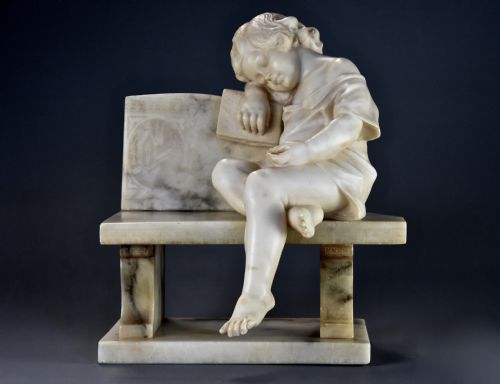
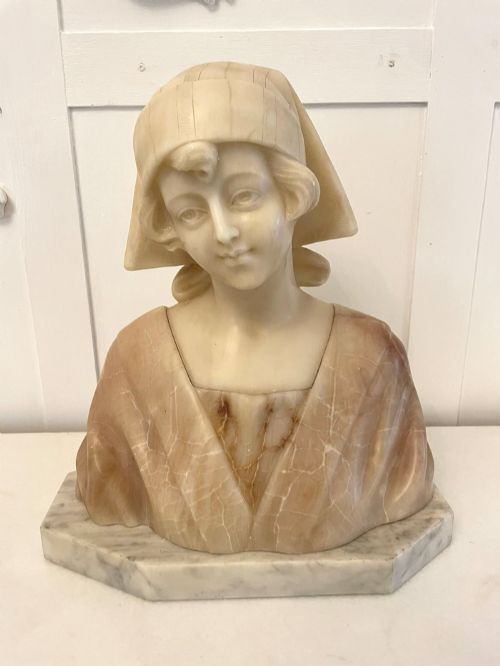
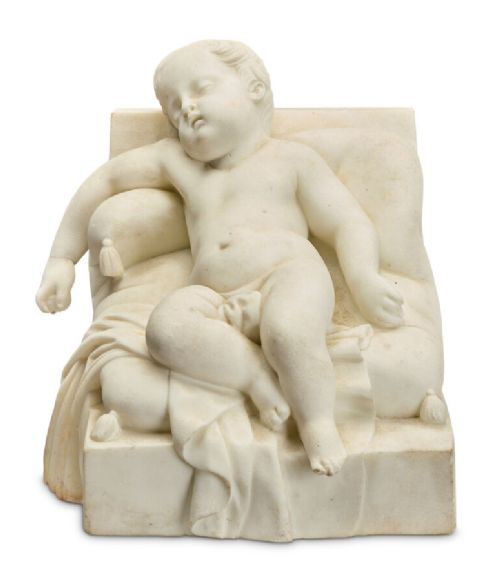
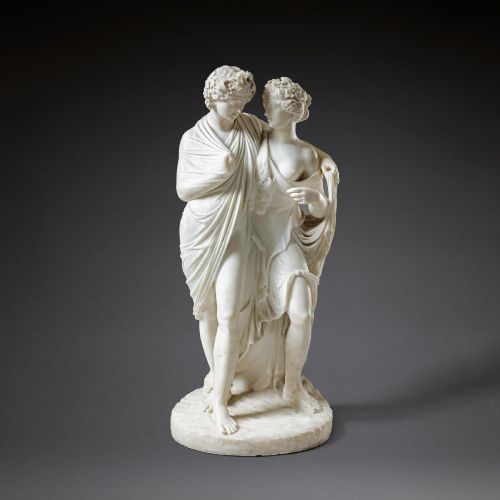
When you search for marble figure carving, you are looking at substantial hand-worked stone sculptures, portraits and mythological subjects from the nineteenth and early twentieth centuries.
Marble Figure Carving
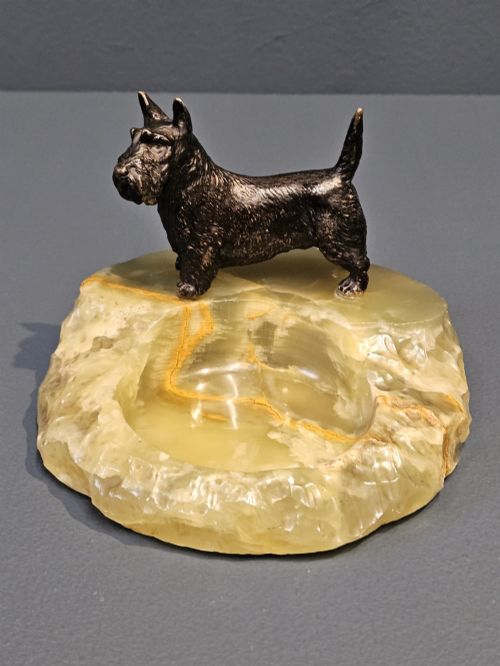
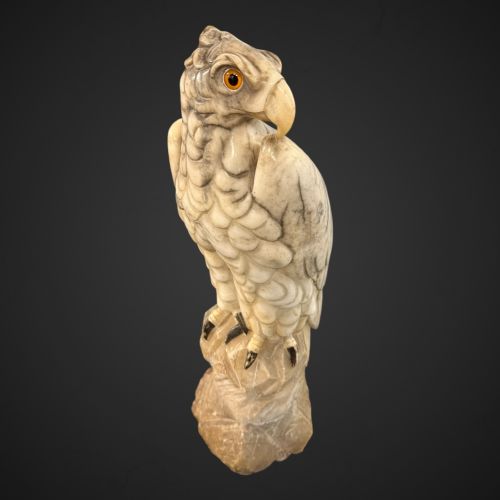
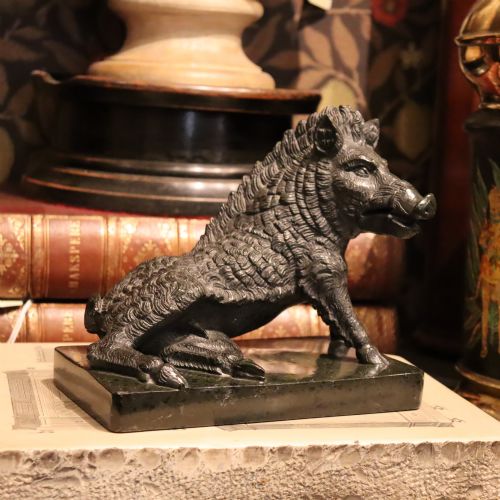
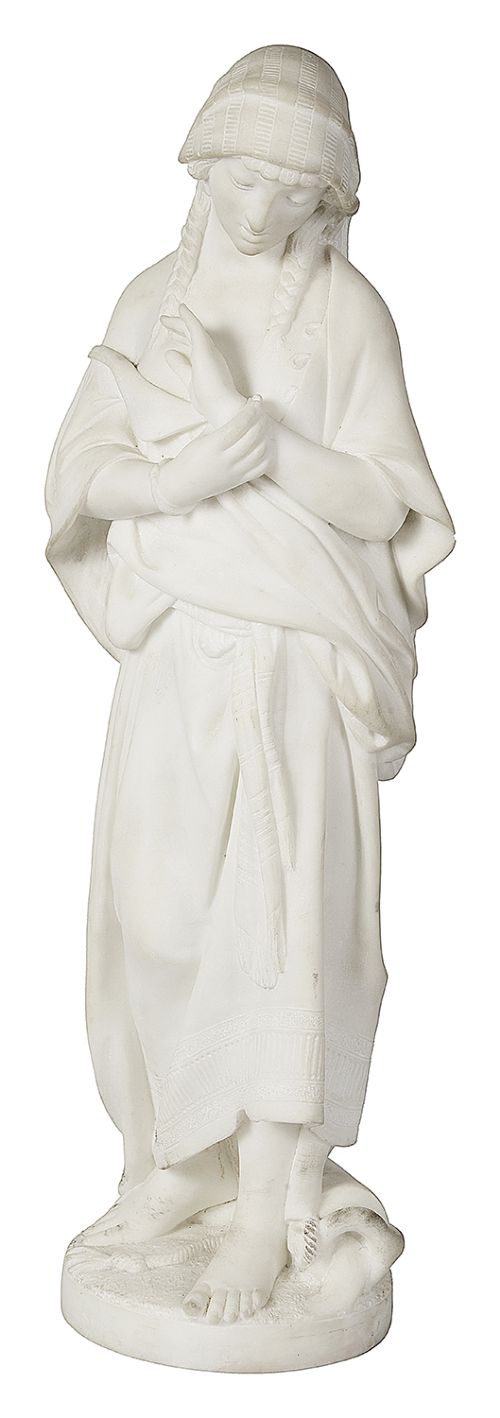
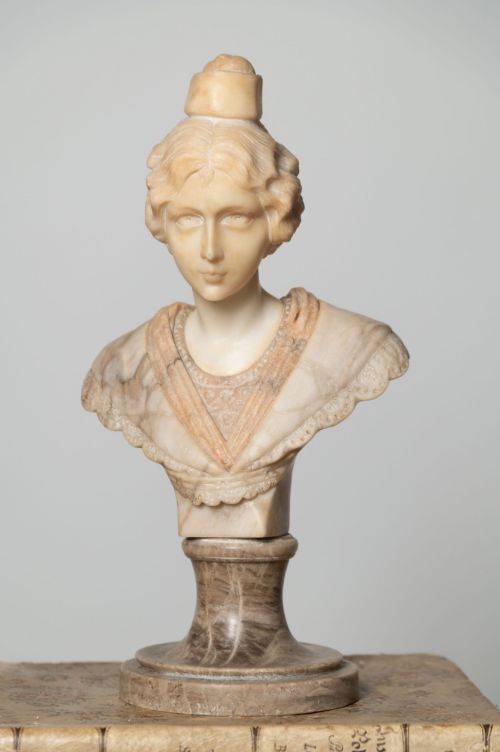
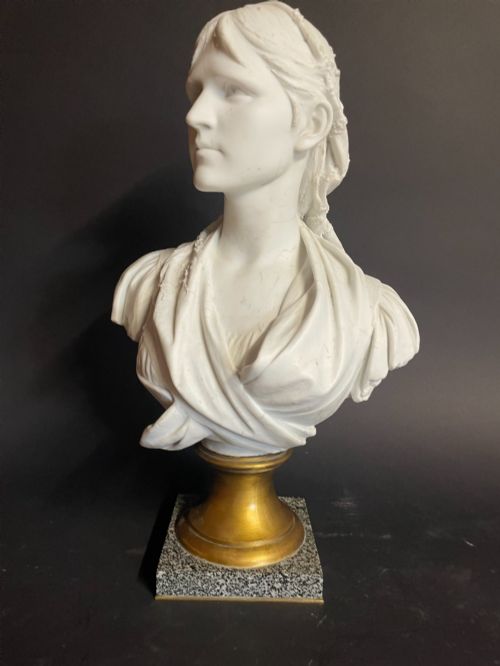
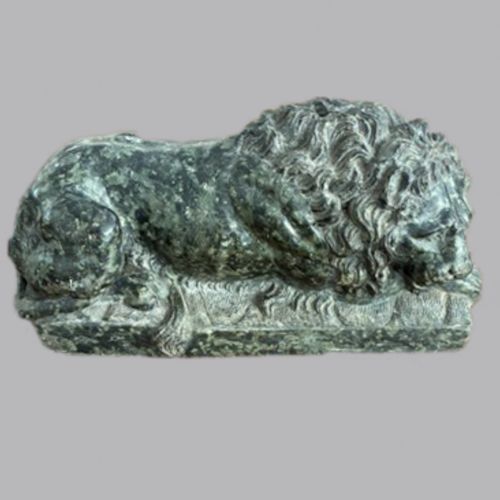
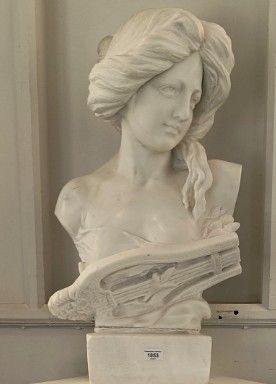
A marble figure carving typically takes the form of a portrait bust, a full-length mythological subject, or an animal study derived from classical antiquities. These pieces often originate from Italian and French workshops, reflecting the tastes of the nineteenth-century collector.
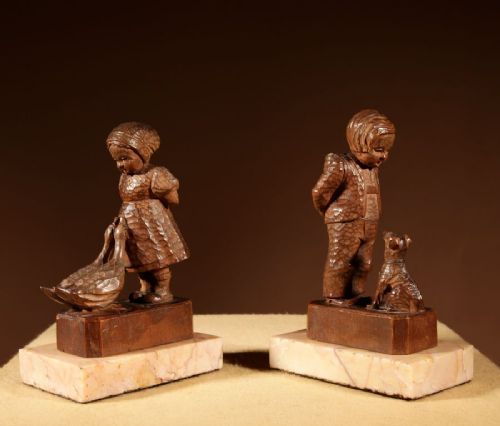
You will frequently encounter Grand Tour souvenirs alongside larger library busts and allegorical statues dating from the eighteen-fifties to nineteen-hundreds. Subjects range from classical deities and literary figures to contemporary studies of women and children.
The materials span brilliant white stone alongside softer translucent minerals, showing how makers selected specific stones to suit the subject matter. Each piece records the hand-chiselled detailing typical of nineteenth-century sculpture production.
Materials and technique
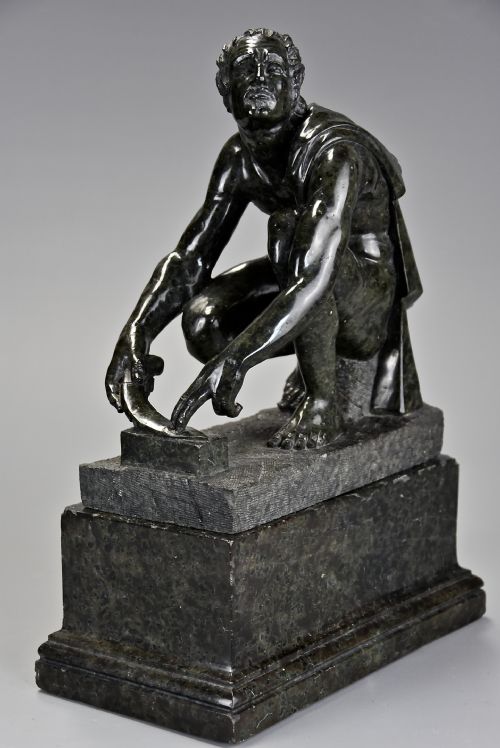
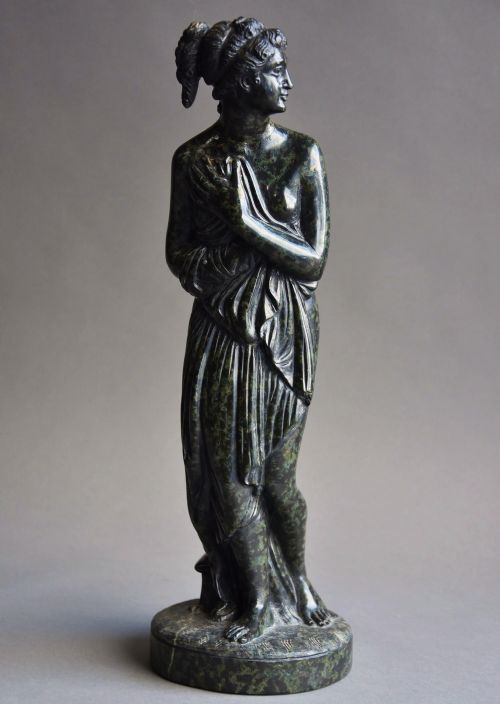
Certain works combine white stone with coloured minerals like serpentine marble or verdo prato to create contrast in bases or garments. Cold painting or gilding occasionally appears on specific nineteenth-century decorative elements.
Marble Figure Carving Retail Price Guide 2026
Typical asking prices for marble figure carving among the pieces listed under this phrase on Sellingantiques today, from the lower quarter to the upper quarter. They describe what is for sale here now, not the wider market.
The listings feature nineteenth-century Italian and French workmanship, spanning Neoclassical, Art Nouveau, and Art Deco styles across various forms of stone.
Evaluating craftsmanship
The fidelity to classical proportion and the crispness of the finishing work distinguish workshop output. Pieces attributed to recorded sculptors display a command of anatomy and surface polish that elevates them above standard commercial souvenirs.
Carlo Albacini·Barranti·Eugene Aizelin·Auguste Henri Carli·Fritz Kochendorfer
The Marble Figure Carving Glossary
- Grand Tour
- A traditional trip through Europe undertaken by upper-class young men in the eighteenth and nineteenth centuries to collect art and antiquities. Many small marble sculptures and busts were acquired during these travels.
- Putto
- A figure of a small chubby infant, frequently winged, often depicted in Italian sculpture. These figures derive from classical art and represent love or secular spirits.
- Carrara marble
- A type of white or blue-grey stone quarried in the city of Carrara in the province of Massa and Carrara in Tuscany. It was prized by sculptors for its uniform grain and limited inclusions.
- Serpentine marble
- A green mineral aggregate resembling the skin of a serpent, used in decorative carvings and architectural elements. This dense stone polishes to a lustrous finish.
- Bust
- A sculpted or cast representation of a person's upper chest, neck, and head. In nineteenth-century interiors, portrait busts served both memorial and decorative functions.
Marble Figure Carving: Frequently Asked Questions
What periods do these carvings date from?
The pieces span the nineteenth and early twentieth centuries, with heavy representation from the eighteen-fifties to nineteen-hundreds. Many reflect neoclassical revivals and Grand Tour tastes.
Earlier examples from the eighteenth century also appear, alongside late-nineteenth-century Italian and French studio output.
How were marble busts displayed originally?
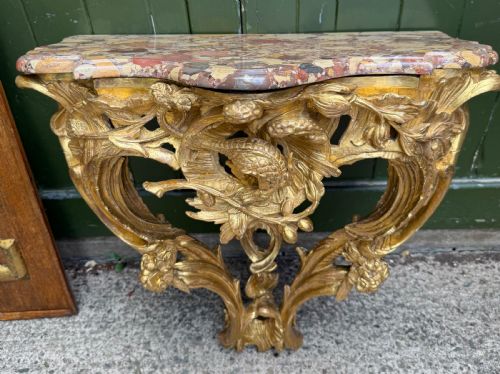
Owners placed these sculptures on console tables, pedestals, and library bookshelves to demonstrate learning and refined taste. They anchored studies, drawing rooms, and entrance halls.
Their substantial weight required sturdy wooden furniture or dedicated stone plinths to support the heavy mineral mass safely.
What is the difference between marble and alabaster?
Marble is a metamorphic rock formed from recrystallised carbonate minerals, offering high durability and fine crystalline structure. Alabaster is a softer mineral composed of gypsum or calcite.
Because alabaster is softer, carvers achieved greater translucency in drapery and skin, though it remains more susceptible to surface scratching than marble.
How do I identify a Grand Tour sculpture?
Grand Tour carvings typically replicate famous antique statues housed in European museums, produced for travellers as portable souvenirs. They often feature characteristic green or black marble bases.
These pieces capture the nineteenth-century fascination with classical antiquity, executed in miniature or cabinet scale for easy transport.