



Marble Base Lions
These marble base lions bring sculptural weight and classical authority into a room, spanning grand tour figures, animalier bronzes and art deco bookends.
Marble Base Lions
When searching for marble base lions, collectors encounter a diverse range of objects that combine heavy stone foundations with metallic or carved animal figures. These pieces unite naturalistic sculpture with architectural supports, drawing from periods such as the nineteenth century and the nineteen-twenties.
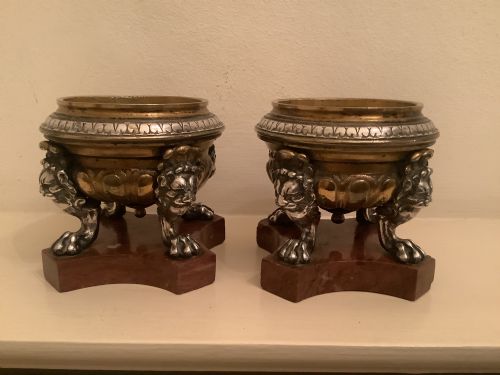
The selections on this page appear in various forms, including fountain heads, bookends, inkwells, and full sculptures. Subjects range from classical capitoline representations to roaring beasts and mythological scenes like androcles and the lion.
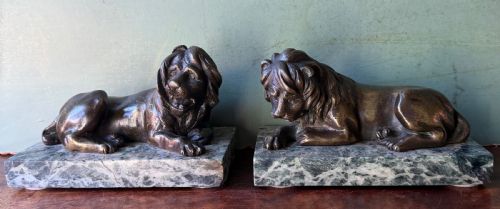
Origin and style vary from neoclassical and grand tour traditions to french animalier and art deco designs. Buyers frequently meet bronze or carved figures mounted securely onto marble plinths, specimen tops, or sienna bases.
How they were made
Sculptors utilised traditional casting methods for the metal components, shaping bronze and ormolu into detailed feline forms and paw details. Surface treatments such as silvering, gilt bronze, and careful carving define the textural contrast between the animal figures and their stone mounts.
The stone foundations involve precision cutting and polishing of natural materials like carrara and sienna marble. Artisans secured the heavy metal subjects to these dense stone bases using specialised pins and fixings to ensure stability.
Marble Base Lions Retail Price Guide 2026
Typical asking prices for marble base lions among the pieces listed under this phrase on Sellingantiques today, from the lower quarter to the upper quarter. They describe what is for sale here now, not the wider market.
Even ancient Roman fountain heads need a solid stone foundation to look properly dignified in a nineteenth-century study.
What varies in quality
The selection of the marble base also dictates the standard of the piece. Finer items utilise carefully chosen specimen marbles or dense sienna and carrara varieties with rich natural veining, paired harmoniously with the metalwork above.
Eugene Emile Borga·Le Courtier
The Marble Base Lions Glossary
- Animalier
- A nineteenth-century artistic movement focused on the realistic depiction of animals, particularly predators in motion or repose. This style heavily influenced the creation of bronze lion sculptures mounted on stone.
- Grand Tour
- A cultural itinerary undertaken by wealthy Europeans to study classical antiquities, resulting in the acquisition of architectural fragments and small bronzes. Pieces from this tradition often feature ancient Roman motifs.
- Ormolu
- Finely ground high-carat gold applied to a bronze object using a mercury amalgamation technique. This decorative coating provides a rich, durable golden finish on mounts and inkwells.
- Specimen marble
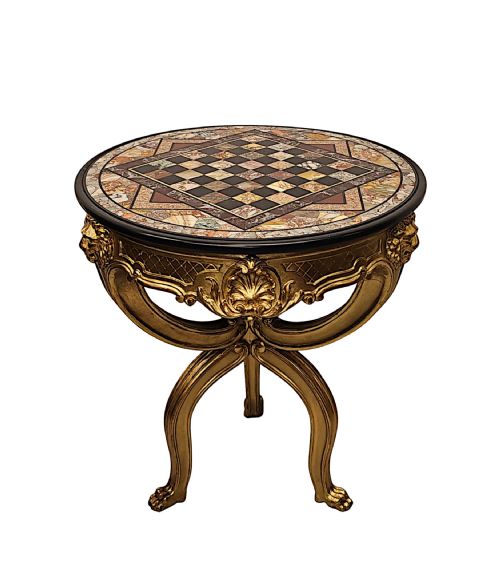
- A decorative technique utilising various coloured and patterned marbles fitted together in geometric or pictorial arrangements. It appears frequently in nineteenth-century tabletop and chess board designs.
- Tazza
- A shallow saucer-shaped vessel mounted on a stem and foot, often used for display. These decorative objects occasionally incorporate metalwork and stone bases.
Marble Base Lions: Frequently Asked Questions
What periods do these pieces come from?
The inventory spans the nineteenth and early twentieth centuries, capturing shifts from grand tour revivals to art deco styling.
Dates across the items run from the early eighteen-hundreds through to nineteen-thirty, reflecting changing tastes in interior ornamentation.
How were these marble bases used?
Marble bases served both a functional and an aesthetic purpose, anchoring top-heavy bronze sculptures and giving them a stable footing.
In pieces like inkwells and bookends, the dense stone adds necessary weight while framing the metallic animal figure above.
What materials make up these sculptures?
The physical makeup combines heavy stone foundations with metal figures cast in bronze, ormolu, or silvered brass. Giltwood and carved wood also appear alongside carrara and sienna marble.
Specimen marble occasionally provides a multi-coloured surface for chess boards and display tops.
How do I distinguish art deco lions?
Art deco pieces from the nineteen-twenties favor stylised forms and streamlined silhouettes, moving away from strict nineteenth-century naturalism.
Materials in these twentieth-century items often include chrome, carved wood, and geometric marble mounts.