


Marble Base Lamp
A marble base lamp brings solid geological weight and polished presence to a room, anchoring light with natural stone.
Marble Base Lamp
A marble base lamp combines heavy stone foundations with upright lighting fixtures, drawing primarily from nineteenth-century Victorian and Edwardian aesthetics alongside twentieth-century Art Deco creations. The phrase marble base lamp encompasses both purpose-built electrical lighting and converted oil lamps or candelabras mounted on sturdy stone plinths.
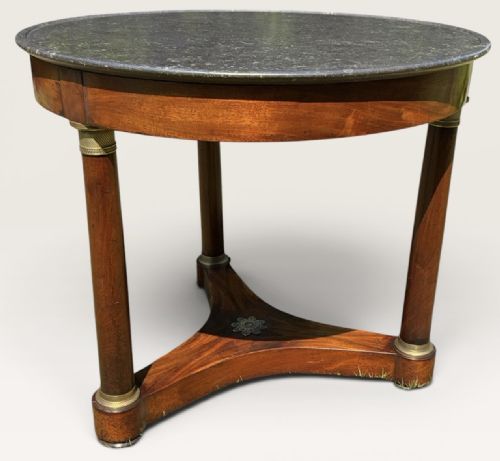
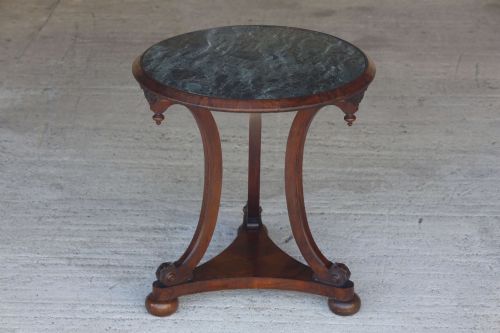
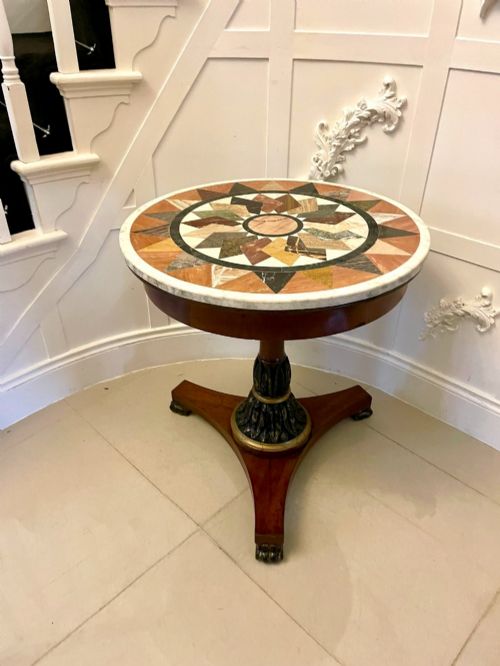
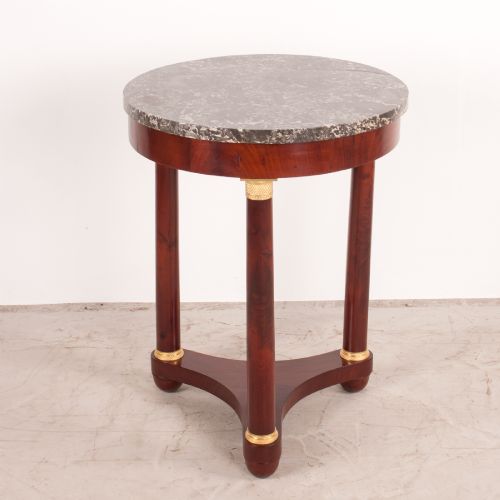
Table lamps and floor lamps dominate the selection, frequently appearing alongside occasional tables featuring inset marble surfaces that double as display points for illumination. French workshops feature strongly among these offerings, bringing classical styles like French Empire and Louis XV into domestic interiors.
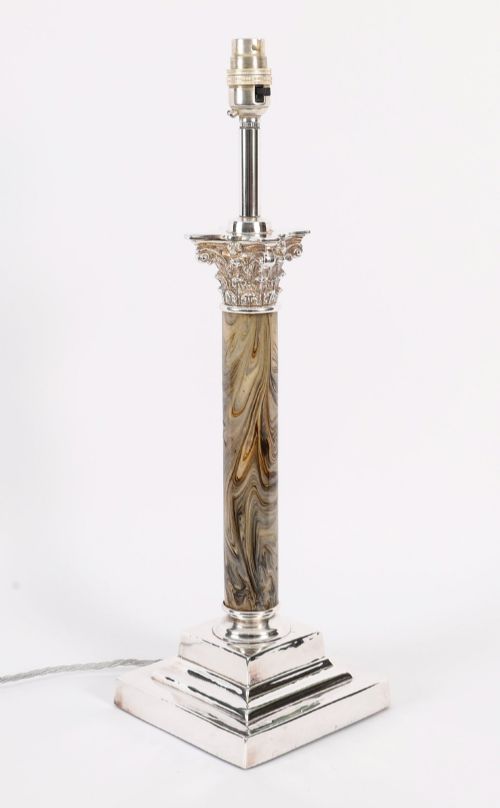
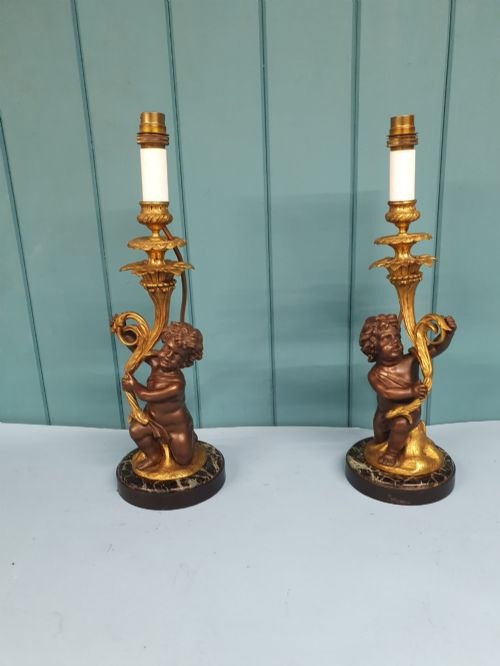
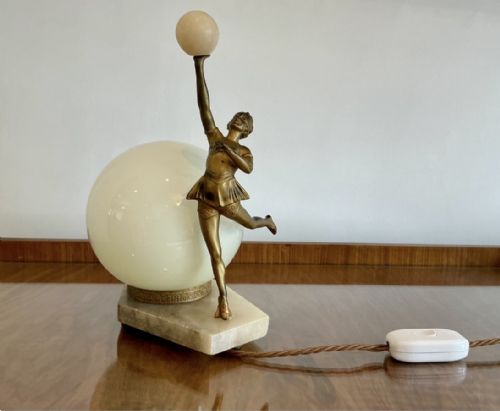
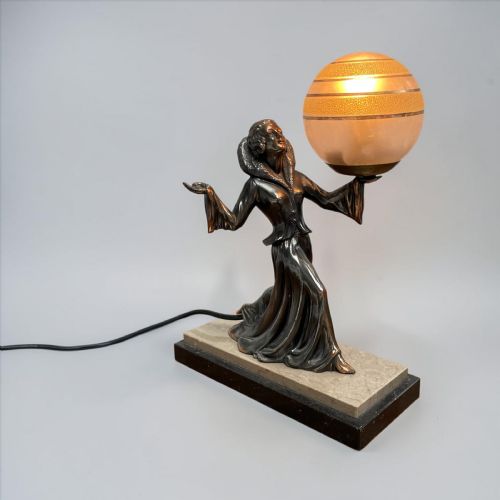
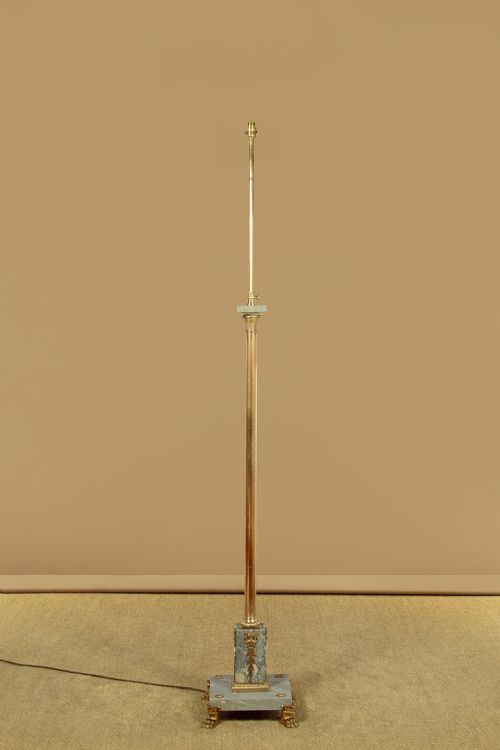
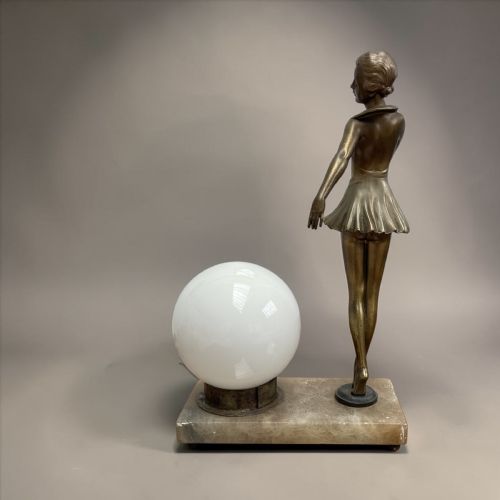
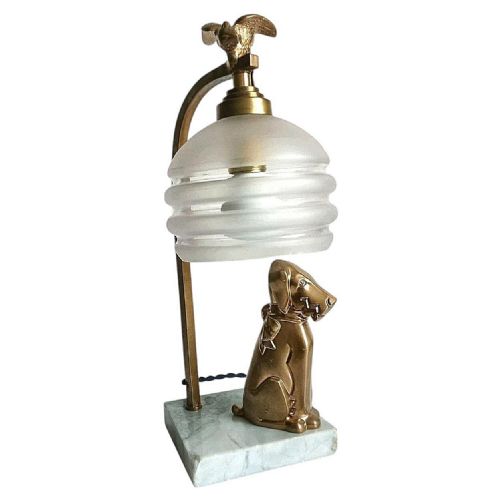
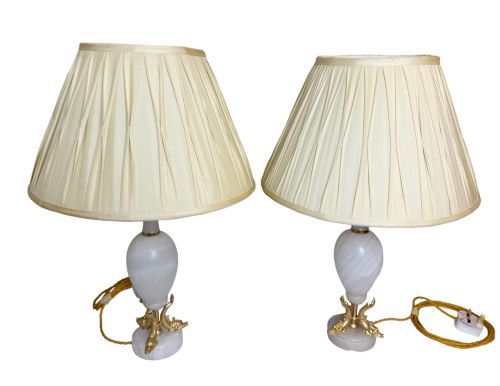
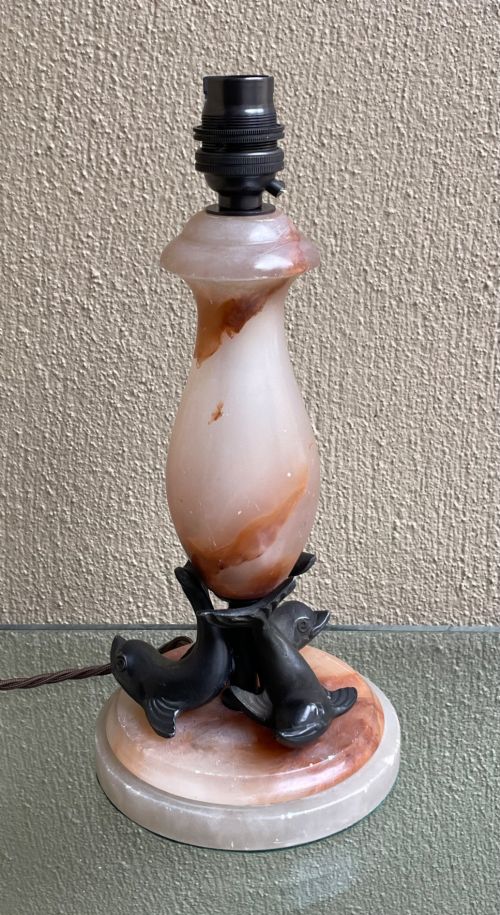
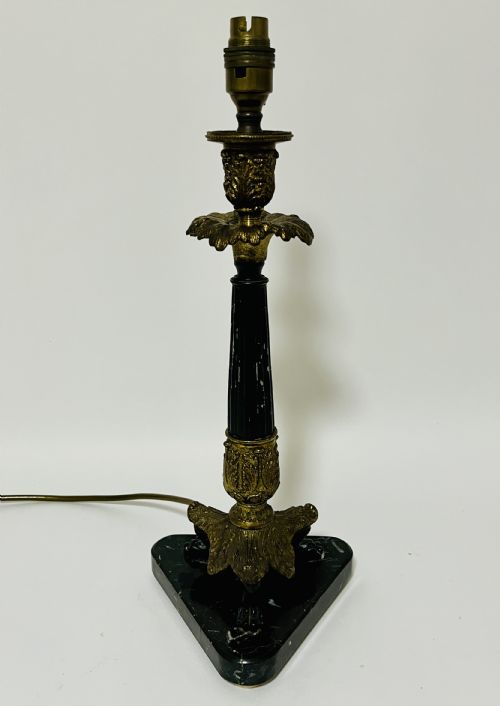
Figural subjects regularly emerge from the evidence, presenting bronze cherubs, dogs, parrots, and ladies posed against polished marble or alabaster plinths. Columnar designs also recur, utilising brass or silver-plated mounts atop stepped stone pedestals to create structured vertical forms.
Materials and Construction
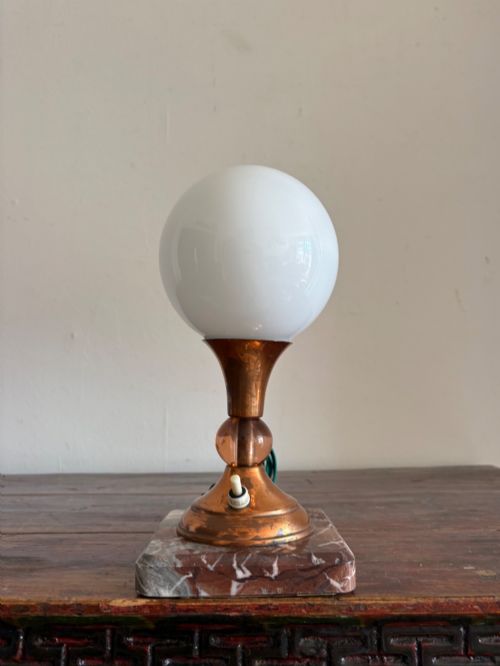
Makers constructed these pieces using natural stone bases paired with metalwork components, joining marble, alabaster, and onyx with cast brass, bronze, and ormolu. Spelter and copper also appear as primary bodies for figural lamps, fixed securely to heavy mineral plinths to maintain structural balance.
Surface treatments involve gilding, silver plating, and cold painting on metal elements, while the stone itself receives a high polish to reveal natural veining and varied colourations. Glass components such as opaline shades, frosted figures, and milk glass cylinders complete the structural assembly.
Marble Base Lamp Retail Price Guide 2026
Typical asking prices for marble base lamp among the pieces listed under this phrase on Sellingantiques today, from the lower quarter to the upper quarter. They describe what is for sale here now, not the wider market.
Materials documented across the inventory include brass, bronze, alabaster, onyx, opal glass, and multiple varieties of marble.
Assessing Craftsmanship
Quality rests in the harmony of the components, separating mass-produced assembly from careful sculptural execution. Superior examples display crisply chased bronze or ormolu mounts that fit seamlessly against dense, finely figured marble or alabaster bases without awkward gaps.
The weight and selection of the stone foundation dictate the stability and tactile appeal of the object. Heavy, unblemished marble with rich natural colouration elevates a piece far above lighter substitutes or painted resin simulations.
The Marble Base Lamp Glossary
- Ormolu
- Gilded bronze ornamentation applied to furniture and lighting bases. This decorative technique creates a bright metallic contrast against dark marble.
- Guéridon
- A small circular table on a central pillar, frequently topped with marble. These pieces occasionally serve as heavy supports for decorative lamps.
- Spelter
- A zinc alloy used as a cheaper alternative to bronze for figural castings. It is often painted or bronzed to imitate heavier metals.
- Alabaster
- A fine-grained mineral softer than marble, used for translucent lamp bases. Light passes through the stone to create a warm glow.
- Campana
- A bell-shaped urn or vessel form derived from classical antiquity. These vessels frequently form the central body of heavy table lamps.
Marble Base Lamp: Frequently Asked Questions
How do I clean marble bases safely?
Wipe the stone gently with a soft cloth dampened in lukewarm water. Avoid acidic cleaners or harsh chemicals that can etch the polished surface.
Dry the marble thoroughly afterwards with a lint-free cloth to maintain its natural lustre without damaging the underlying mineral structure.
Are these lamps safely rewired for modern homes?
Many older lamps retain vintage wiring that requires professional updating for safe daily use. A qualified electrician can replace internal cords while preserving original sockets and exterior fittings.
Rewiring ensures the piece meets current safety standards without altering the historic character of the bronze or stone components.
How can I tell Art Deco lamps apart from Victorian ones?
Victorian lighting leans toward ornate classical revival styles, featuring heavy Corinthian columns, detailed brass castings, and natural motifs. Alabaster and polished marble support rich figural subjects like bronze cherubs or oil lamp burners.
Art Deco pieces embrace streamlined geometries, stylised animal figures, and frosted glass shades paired with contrasting two-tone polished marble. The overall silhouette shifts from ornate nineteenth-century traditionalism to sleek twentieth-century modernism.
Where should I place a heavy marble lamp?
Position these substantial pieces on sturdy side tables, desks, or credenzas capable of supporting significant weight. The heavy stone base requires a stable surface to prevent tipping.
Keep them away from busy household traffic areas where cords might get pulled, ensuring the weighty base remains secure on its platform.