



Marble Art Sculpture
When you seek a marble art sculpture, you enter a domain where stone meets cast metal to capture movement, portraiture and animal forms.
Marble Art Sculpture
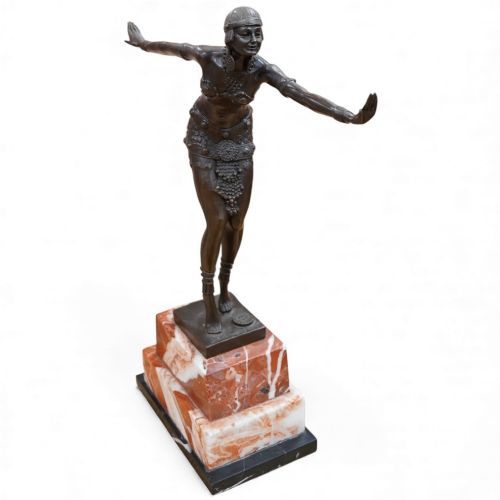
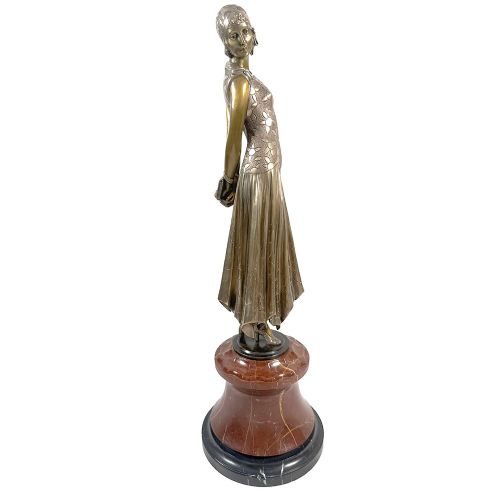
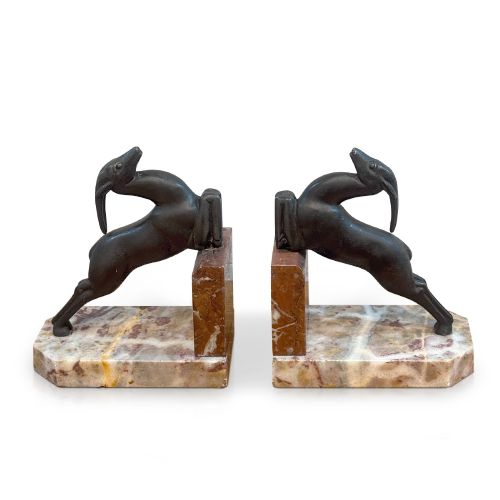
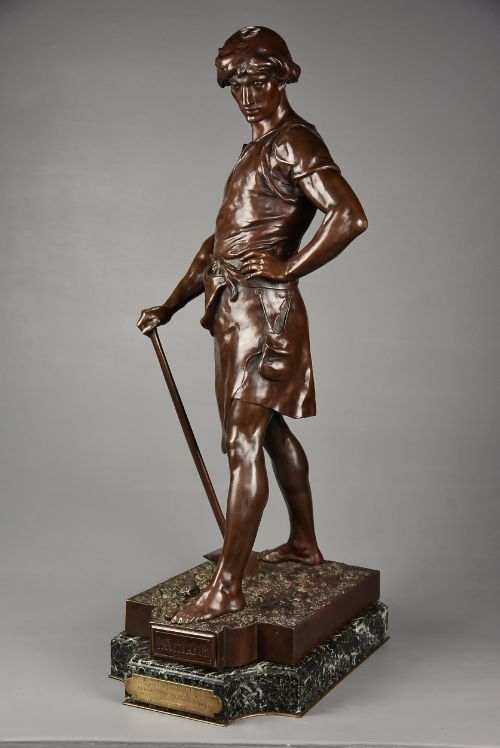
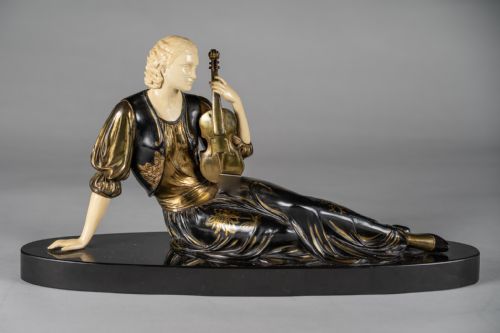
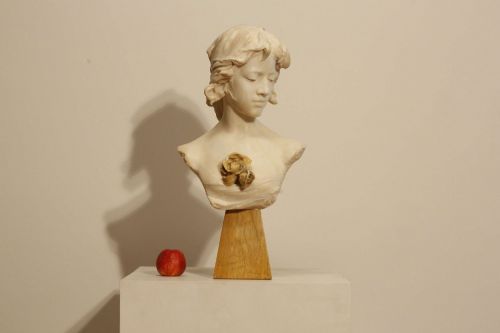
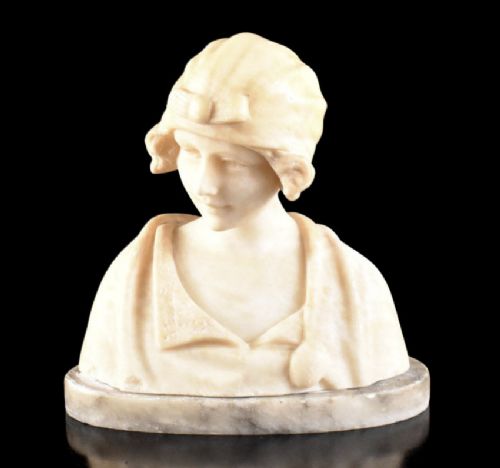
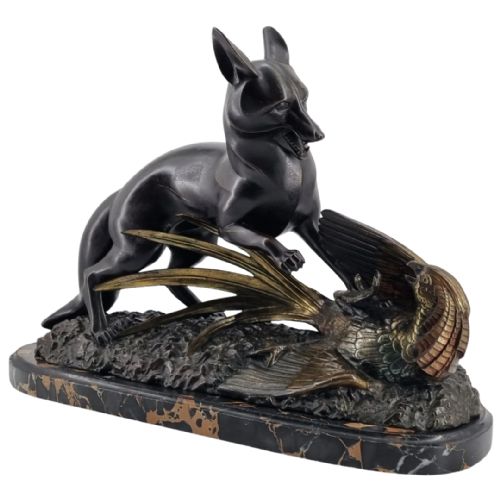
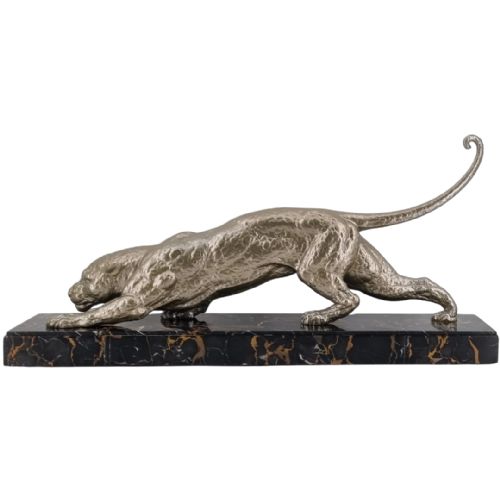
A marble art sculpture combines carved stone bases or figures with metal components, capturing the decorative shifts of the Victorian era through to the mid-twentieth century. Pieces found here span animal studies, female dancers and portrait busts created during periods including Art Deco, Art Nouveau and the nineteenth century.
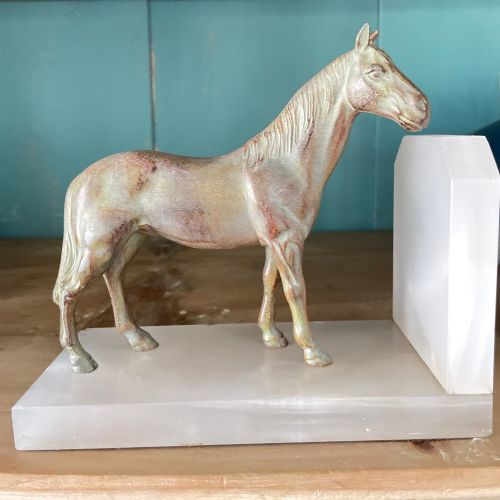
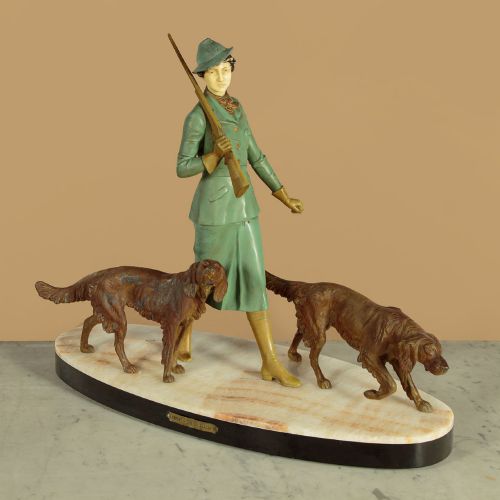
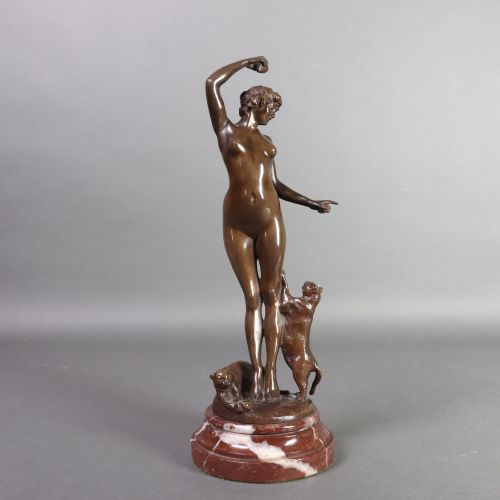
The most common formats on this page pair carved black or white marble bases with figures cast in bronze, spelter or silvered bronze. Buyers encounter desk accessories, mantel clocks, and table lamps alongside standalone figures and busts.
Originating predominantly from French and Austrian workshops of the early twentieth century, these works reflect the sculptural ambitions of named artists working in metal and stone.
Materials and construction methods
Foundry workers utilised traditional lost-wax casting for bronze figures, sometimes applying cold-painted finishes or gilt layers to the metal surfaces. Spelter and patinated metal provided alternative, more accessible casting mediums for figures and lamps.
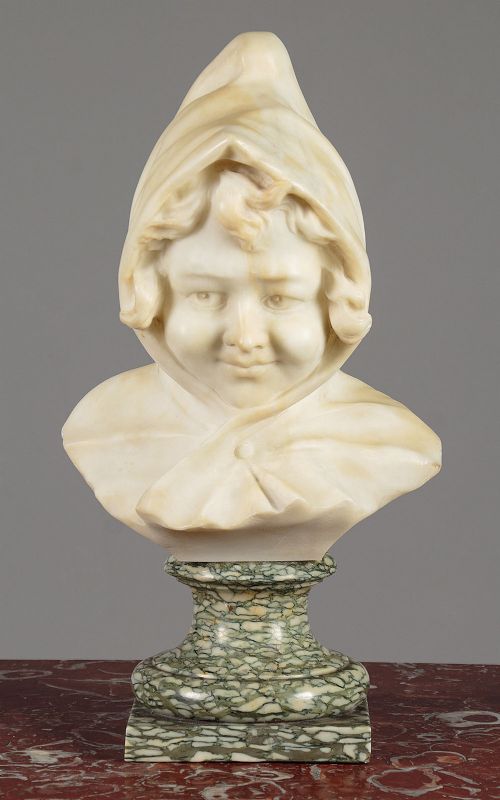
Masons shaped solid blocks of marble, onyx and alabaster to form supportive plinths, stepped bases and occasionally carved portrait busts. These stone elements often incorporate contrasting colours, such as black marble paired with onyx or gilt bronze.
Marble Art Sculpture Retail Price Guide 2026
Typical asking prices for marble art sculpture among the pieces listed under this phrase on Sellingantiques today, from the lower quarter to the upper quarter. They describe what is for sale here now, not the wider market.
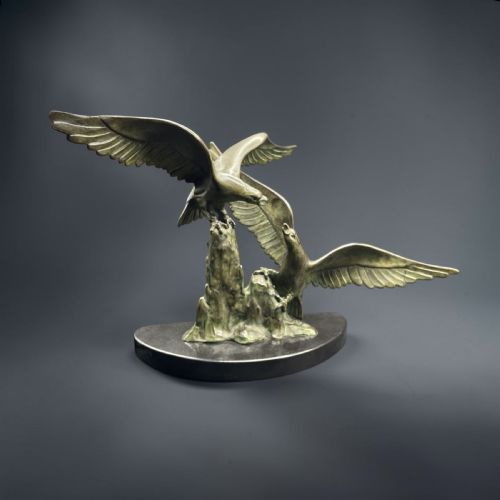
Avian subjects range from stoic seagulls and albatrosses to three cold-painted budgerigars perched together on a leafy branch.
Distinguishing quality across pieces
The choice of stone foundation also marks a distinction, as heavy, uniform blocks of veined marble or multi-coloured onyx require greater lapidary skill than basic moulded composite bases.
Ouillon Carrere·Georges Gori·Gustave Dussart·Lavroff·D. H. Chiparus·Jean de Roncourt·Uriano·Maurice Giraud-Rivière·Bruno Zach·Pierre Collinet·August Moreau·Hans Müller·Affortunato Gory·Emile Carlier·Alexandre Ouline·Henri Godet·Aurore Onu·Auguste Henri Carli
The Marble Art Sculpture Glossary
- Spelter
- A zinc alloy commonly utilised as a substitute for bronze in decorative figures and lamp bases. It takes patination well but lacks the structural weight of bronze.
- Onyx
- A banded variety of chalcedony quartz frequently used for ornamental bases and desk pieces. Its translucent layers provide distinct visual depth.
- Alabaster
- A fine-grained mineral stone carved into soft-hued portrait busts and decorative plaques. It requires careful handling due to its relative softness.
- Lost-wax casting
- A metalworking method where a molten metal is poured into a mould created by replacing a wax model with a refractory material. This technique permits intricate detail in figural bronzes.
- Patinated metal
- A metal surface treated with chemical solutions to produce a specific coloured coating or aged appearance. This treatment protects the underlying metal while enhancing visual contrast.
Marble Art Sculpture: Frequently Asked Questions
How do I clean marble bases?
Dust the stone surface regularly with a soft, dry cloth to prevent dirt accumulation in the natural pores of the marble. Avoid chemical cleaners and excess water, which can damage aged finishes on both the stone and adjacent metal.
For stubborn marks, use a damp cloth with mild soap, then dry the area immediately. Take care not to let moisture seep into any joints between the stone and the mounted figure.
What is cold painted bronze?
Cold painting involves applying oil or watercolour paints to a finished bronze casting without permanently firing the pigment in a kiln. This technique allowed makers to achieve naturalistic colours on bird and dancer sculptures.
Because the paint sits on the metal surface rather than fusing with it, these finishes require gentle handling to prevent flaking. Surviving original paint layers contribute to the character of early figures.
Are these pieces signed by artists?
Many bronze and marble works bear cast signatures, foundry marks, or incised artist names directly on the base or plinth. These signatures indicate the designer responsible for the original model rather than every individual casting.
Locating a signature involves inspecting the edges of the metal base or the lower margins of the sculpted garment. Unsigned pieces remain common, often relying on stylistic attribution rather than a maker's mark.