
Mahogany Vanity Table Drawers
Mahogany vanity table drawers offer practical storage and timeless timber grain, bringing traditional craft to your dressing space.
Mahogany Vanity Table Drawers
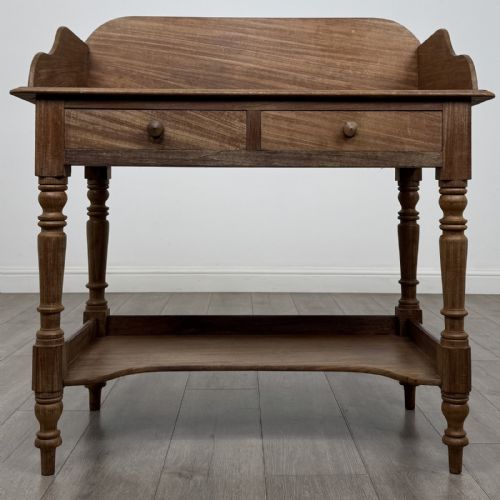
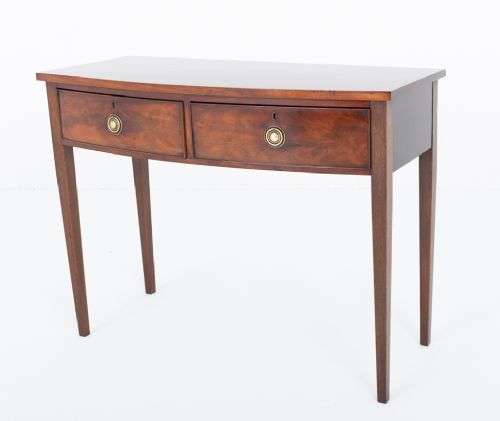
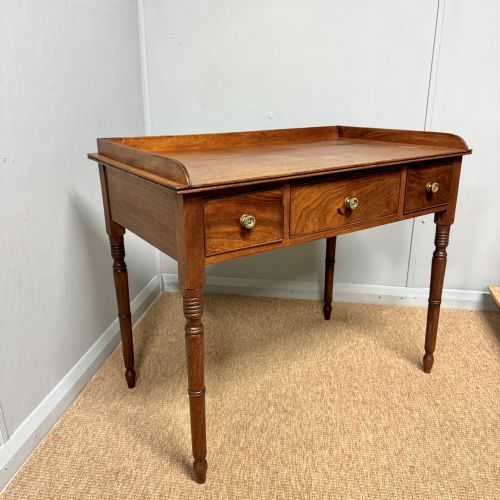
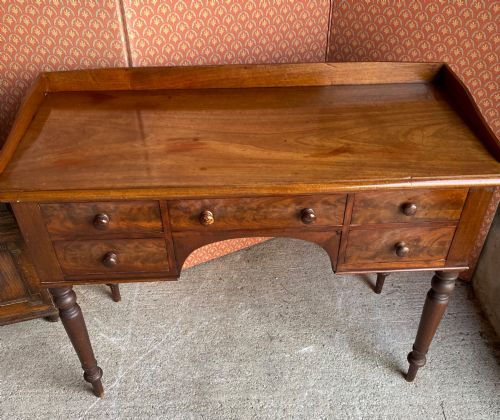
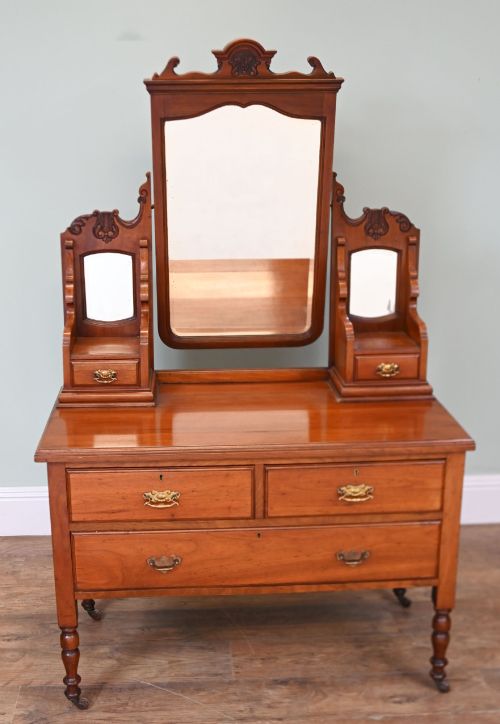
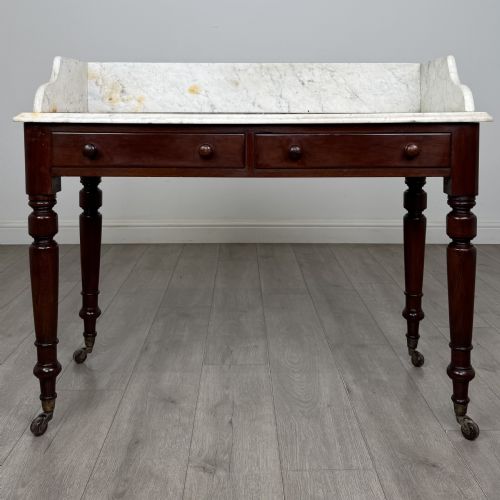
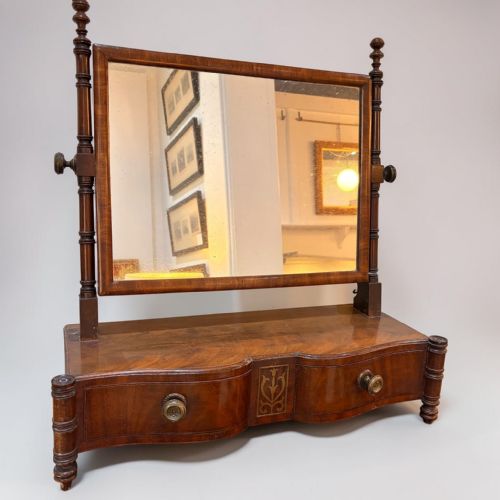
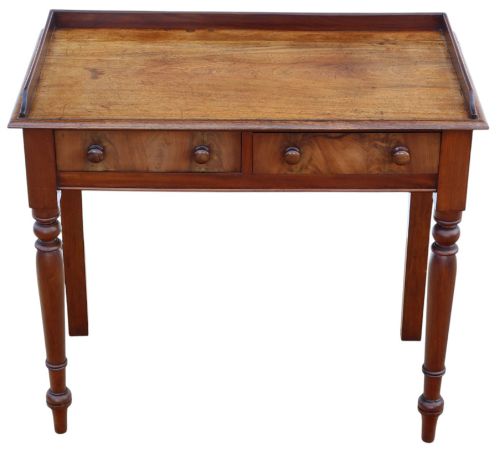
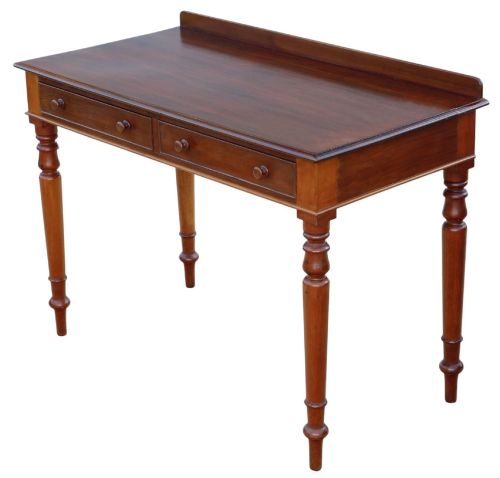
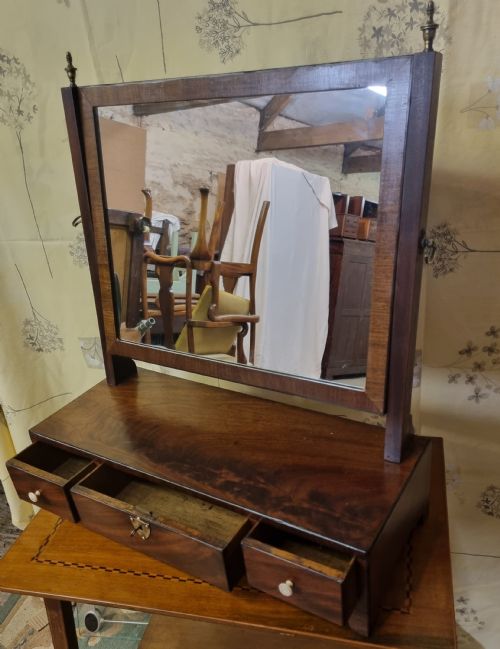
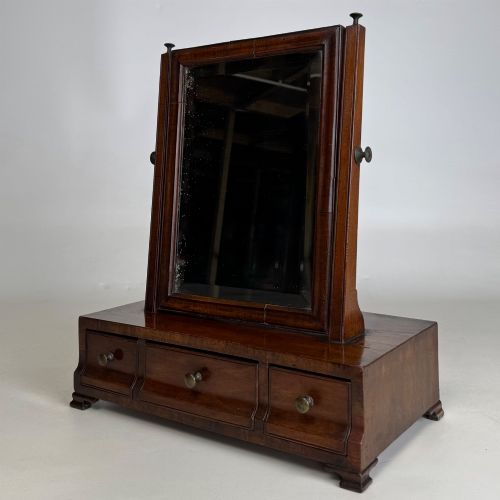
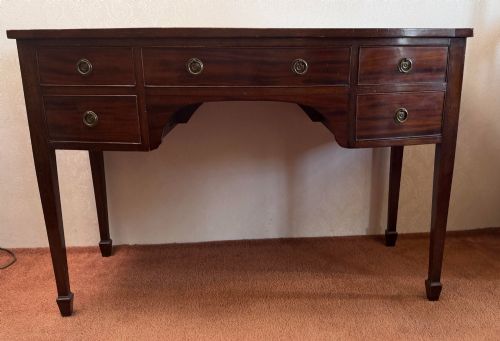
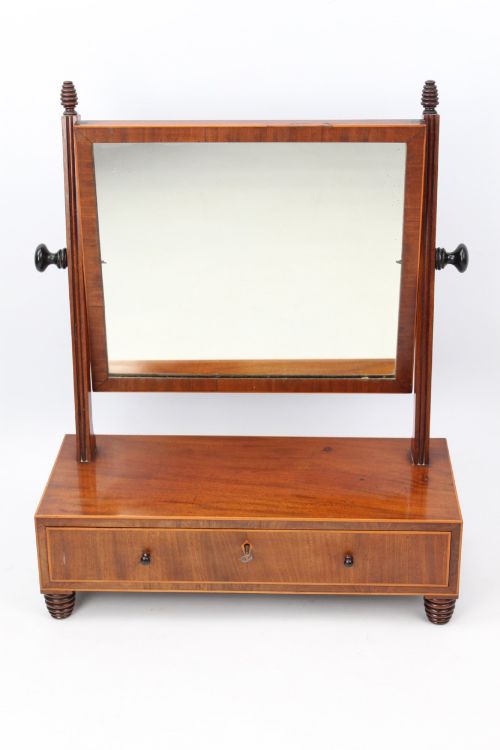
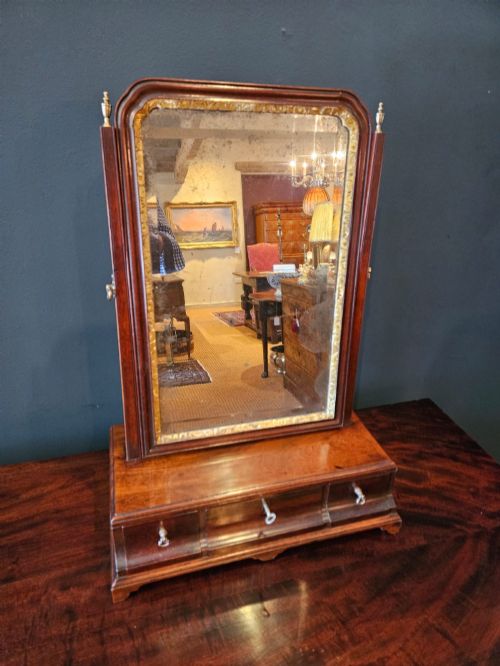
Mahogany vanity table drawers appear in various forms on this page, spanning dressing table mirrors, lowboys, and dressing chests from the 18th, 19th, and early 20th centuries. You will frequently meet compact toilet mirrors fitted with small drawers in the base, alongside larger kneehole dressing tables offering multiple drawers.
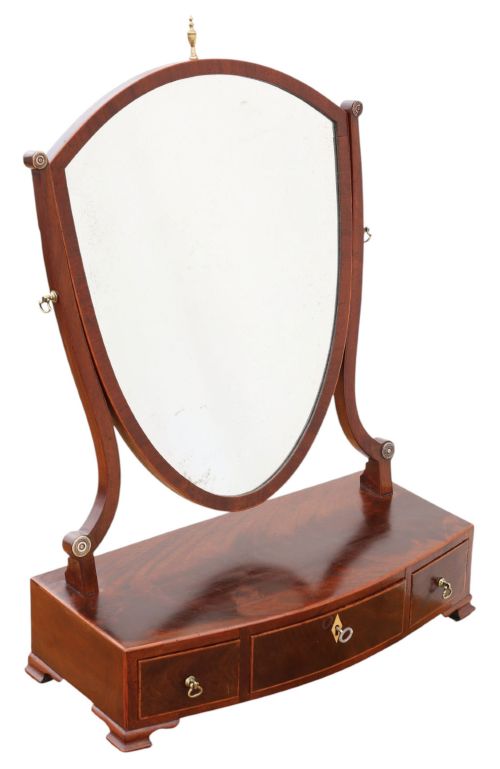
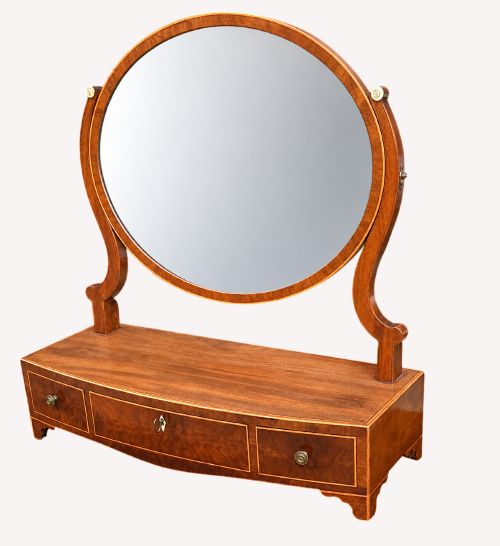
The objects originate from distinct periods including the Georgian, Regency, Victorian, and Edwardian eras. Pieces range from shield-shaped swing mirrors on serpentine drawer bases to full-size writing and dressing tables.
Makers and designers from these periods utilised solid mahogany and rich veneers to construct storage compartments that kept personal items tidy. The selection includes simple box mirrors as well as elaborate gentleman's shaving stands and lowboys.
Materials and Construction
Craftsmen built these pieces primarily from solid mahogany and mahogany veneers, often incorporating secondary timbers for internal drawer linings. Timber selection focused on rich grain patterns, sometimes enhanced with boxwood inlay, satinwood, or crossbanding.
Metal and glass components played a functional role in construction, utilising brass handles, hinges, and pivoting hardware alongside original or replacement mirror glass. Small compartments and drawers relied on traditional dovetail joinery to ensure durability.
Surface finishes involved polishing the wood to highlight the natural reddish-brown tones of the mahogany. Detail work occasionally included parcel-gilt accents, marquetry inlay, and carved wooden supports for swing frames.
A gentleman's morning routine involved hiding his shaving water behind closed doors and his dignity behind three tidy mahogany drawers.
Assessing Quality
Quality rests heavily on the crispness of the timber selection and the precision of the cabinetwork in the drawer construction. Finer examples display carefully matched grain patterns across the drawer fronts and tight dovetail joints that remain flush with the frame.
Proportion and balance dictate the aesthetic success of a piece, particularly in how the drawer box supports the mirror or tabletop surface. Superior pieces maintain delicate framing, original brass hardware, and well-proportioned ogee or serpentine contours without appearing clumsy.
The integrity of the materials, from the depth of the mahogany patination to the clarity of the mirror glass, separates standard utility items from masterwork pieces. Subtle details like boxwood stringing and well-executed crossbanding elevate the visual refinement.
Heal and Son
The Mahogany Vanity Table Drawers Glossary
- Lowboy
- A small side table with one or more rows of drawers, commonly used as a dressing table in the 18th century. It typically stands on slender cabriole or straight legs.
- Toilet Mirror
- A small mirror mounted on a frame with a set of small drawers underneath, designed to sit atop a chest of drawers or dressing table. Also known as a dressing mirror or swing mirror.
- Serpentine
- A curved line or front featuring a convex centre flanked by concave sides, frequently found on high-quality Georgian drawer units. This shape requires advanced woodworking skill to execute properly.
- Crossbanding
- A strip of veneer applied across the grain of the main surface to create a decorative border, commonly seen on Georgian and Regency drawer fronts. It frames the central panel and adds visual contrast.
- Dovetail
- A joint formed by interlocking wedge-shaped fingers, used extensively in drawer construction to provide strength and longevity. Hand-cut dovetails indicate older, traditional craftsmanship.
- Shield Mirror
- A dressing mirror shaped in the outline of a heraldic shield, popular during the late 18th century. The glass swings between upright supports attached to a drawer base.
Mahogany Vanity Table Drawers: Frequently Asked Questions
What is a lowboy?
A lowboy is a small table featuring one or multiple rows of drawers, primarily used as a dressing surface in 18th-century homes. They offer compact storage while maintaining an open silhouette.
These versatile tables often function as side tables or writing surfaces in modern rooms, providing convenient drawer space without dominating the floor plan.
How do I date a mahogany mirror?
Dating involves examining the construction methods of the drawer boxes, the shape of the mirror frame, and the type of mirror glass used. Earlier Georgian pieces often feature hand-beveled glass and pegged joints.
Secondary woods inside the drawers and the style of the brass hardware also offer clues to the manufacturing period, ranging from George II to Edwardian times.
Were these drawers used by men or women?
Both gentlemen and ladies used these furniture forms, with specific pieces designed for distinct grooming routines. Gentleman's dressing chests and shaving stands accommodated razors and wigs.
Other variations, such as shield-shaped swing mirrors and kneehole dressing tables, served personal grooming and writing needs for ladies in the bedroom or boudoir.
How do I care for mahogany surfaces?
Mahogany benefits from regular dusting with a dry, soft cloth and occasional treatment with traditional beeswax to nourish the timber grain. Avoid placing pieces in direct sunlight or near heat sources to prevent the wood from drying out.
Keeping the brass hardware clean and ensuring drawer runners are free from debris will help maintain the smooth operation of the drawers over time.