


Mahogany Turned Feet
Mahogany turned feet anchor classic chests of drawers, tables, and seating from the Georgian and Victorian eras, offering sturdy elegance and period character.
Mahogany Turned Feet
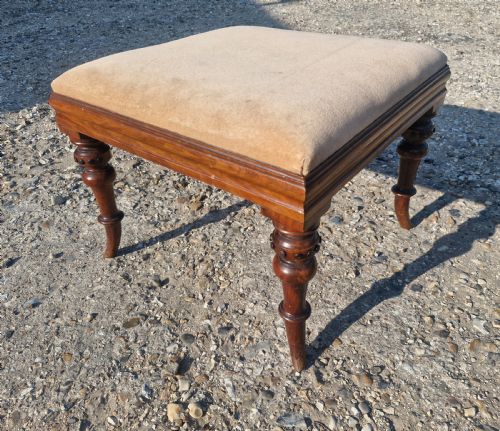
When you search for mahogany turned feet, you find furniture featuring distinctive circular supports shaped on a lathe. These components ground various forms, from compact occasional tables to substantial chests of drawers.
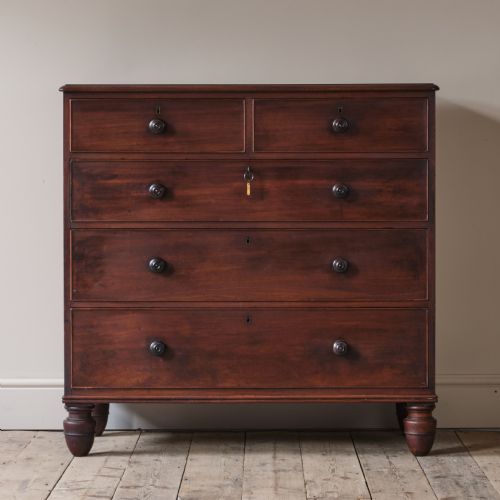
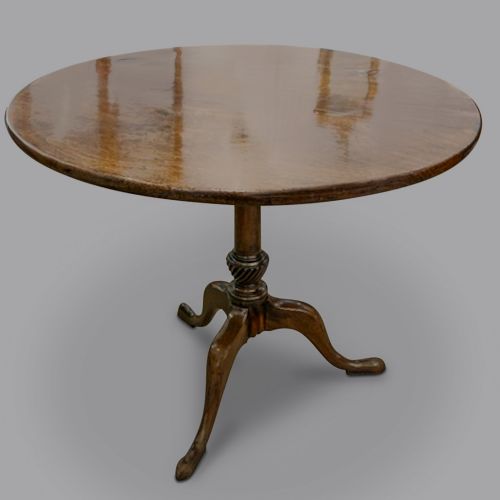
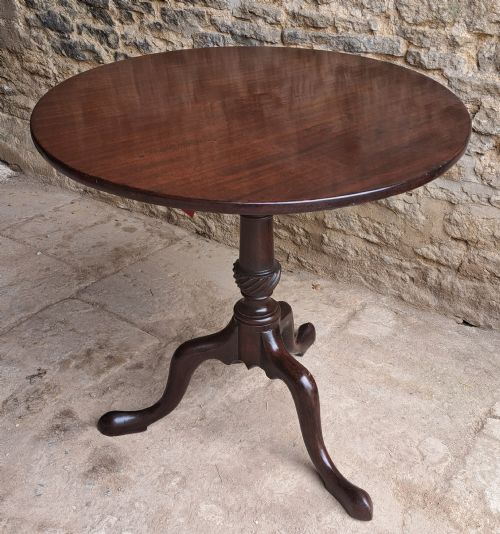
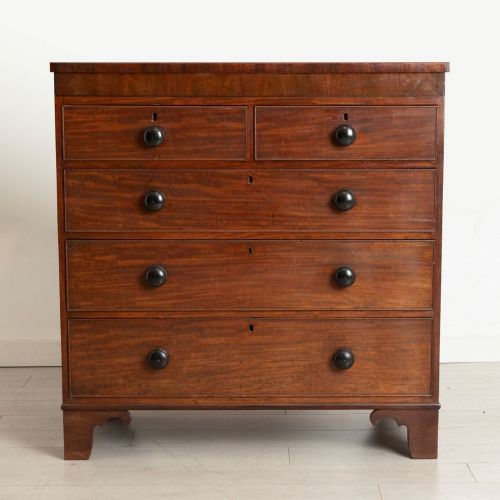
The pieces appearing on this page span the 18th century, the Georgian and Regency periods, and the Victorian era up to the early 20th century. Chests of drawers and tripod tables dominate the selection, alongside armchairs, stools, and side tables.
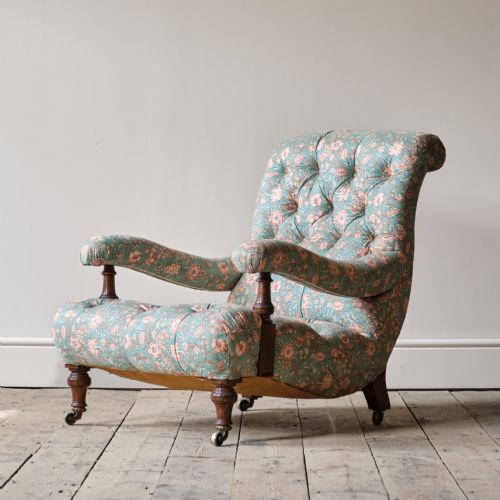
Makers such as T & G Seddon, Holland & Sons, and Gillows supplied high-end seating and case pieces during the 19th century. Alongside these, simpler vernacular items emerge, including miniature apprentice chests, wine tables, and specialised seating.
How they were made
Makers shaped the structural supports using a lathe to turn solid hardwood into uniform cylindrical, spherical, or spindle profiles. They selected mahogany for its strength, dense grain, and rich colour, occasionally combining it with ebonised detailing or brass fittings.
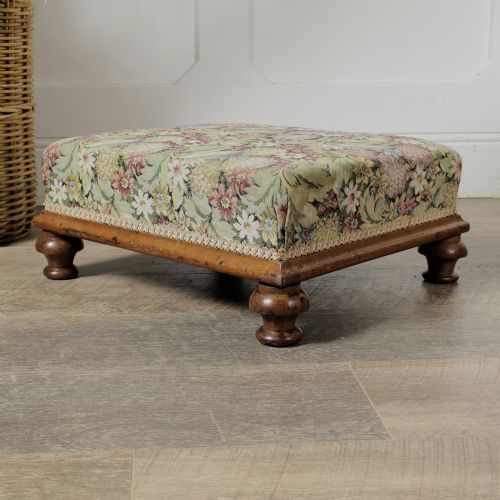
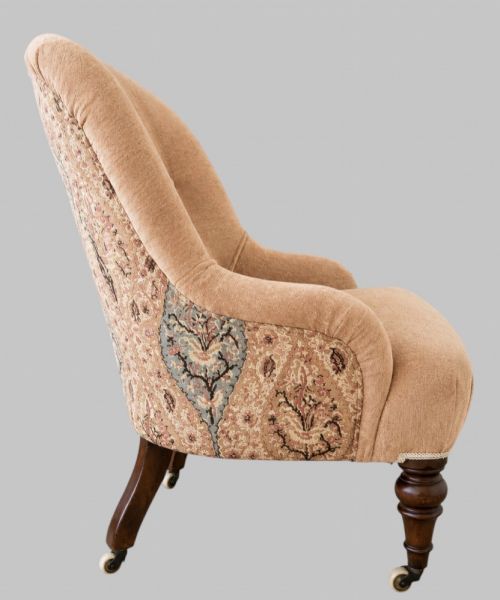
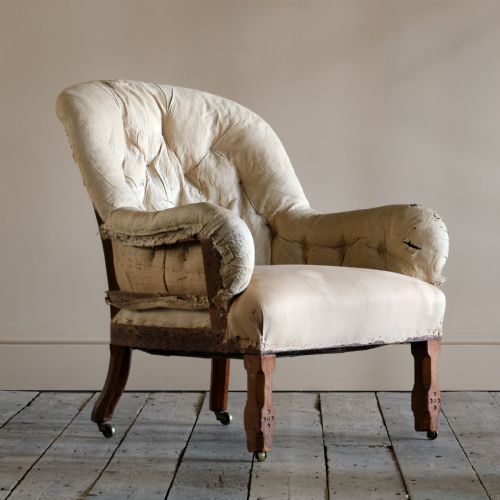
Upholstered items integrate these turned elements beneath frames covered in cotton, velvet, Hessian, or specialised textiles like Robert Kime fabric. Tables and chests frequently combine sturdy turned legs with fine drawer construction or tilt-top mechanisms.
Mahogany Turned Feet Retail Price Guide 2026
Typical asking prices for mahogany turned feet among the pieces listed under this phrase on Sellingantiques today, from the lower quarter to the upper quarter. They describe what is for sale here now, not the wider market.
Listings feature 18th-century, Georgian, Victorian, and early 20th-century periods, utilising mahogany, brass, glass, velvet, cotton, and Hessian.
What varies in quality
The standard of timber and turning defines the distinction between standard items and exceptional workshop productions. Superior examples display crisp, well-proportioned lathe work and dense, figured mahogany timber selected by prominent cabinet makers.
Design sophistication also separates the pieces, with well-documented makers providing refined joinery, balanced proportions, and integrated hardware such as original castors or brass accents. Simpler vernacular items rely on straightforward utility rather than workshop attribution.
T & G Seddon·Holland & Sons·Gillows
The Mahogany Turned Feet Glossary
- Tripod table
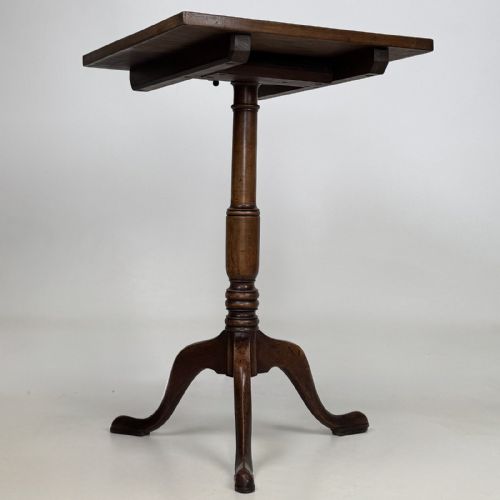
- A small freestanding table supported by a central pillar above three legs. These versatile tables frequently feature tilt tops for easy storage.
- Treen
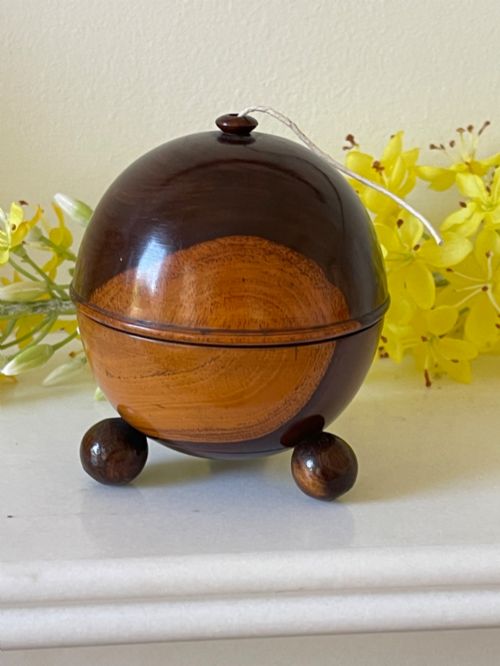
- Small handmade wooden objects produced before mass manufacture. Victorian treen includes utilitarian items and turned wooden accessories.
- Slipper chair
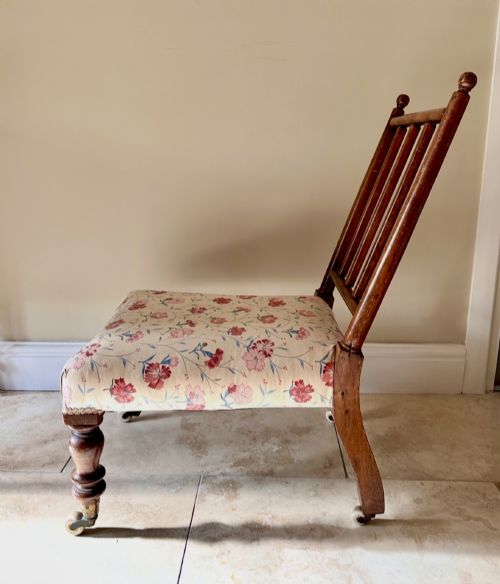
- A low-seated bedroom chair designed without arms to allow ease of dressing. They frequently sit on turned feet or castors.
- Bow fronted
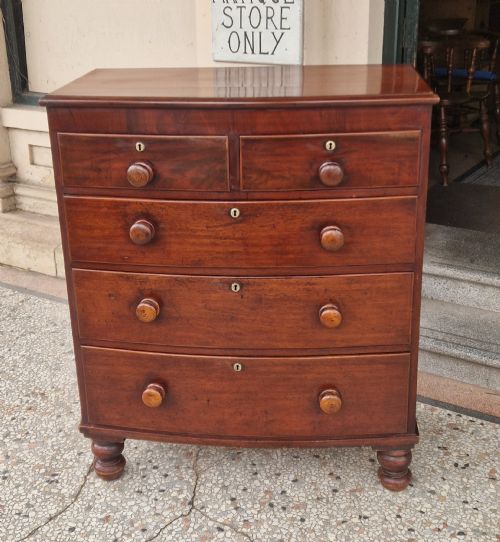
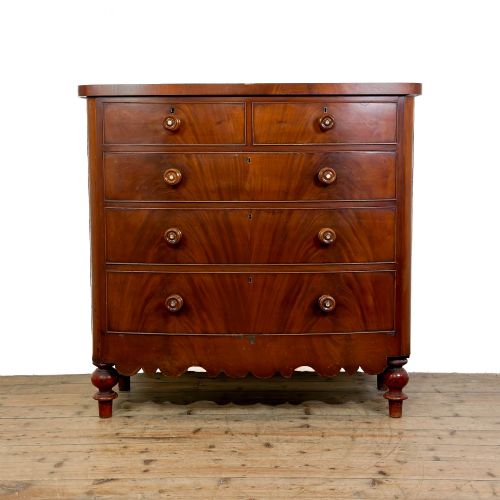
- A furniture front curved outward in a convex arc. This treatment appears frequently on Georgian chests of drawers.
Mahogany Turned Feet: Frequently Asked Questions
What periods do these pieces come from?
The inventory spans the 18th century through the Georgian and Regency periods into the Victorian era and early 20th century. Pieces range from mid-18th century tripod tables to late Victorian hall tables and Edwardian seating.
Most items date from the 19th century, reflecting the high volume of mahogany case furniture and seating produced during the Victorian period. Earlier Georgian examples from the 1700s also appear.
How were tripod tables used?
Tripod tables served as versatile occasional tables for tea, reading, or displaying decorative objects in domestic interiors. Their central pillar and three legs allowed them to fit easily into corners or beside seating.
Many examples feature tilt mechanisms, enabling the top to fold vertical when not in use so the table could stand flat against a wall to save space.
What are apprentice chests?
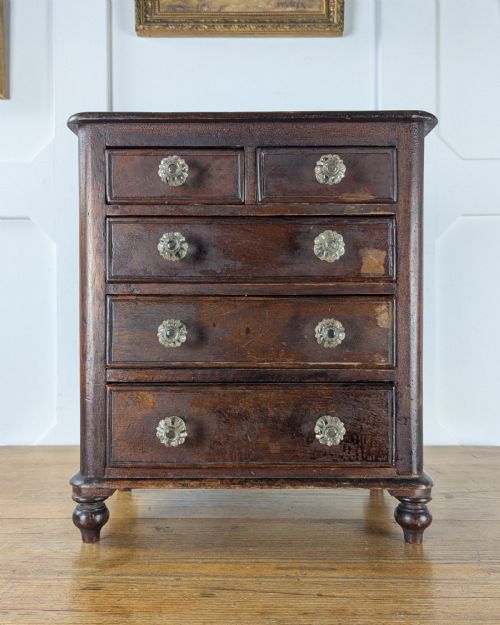
Apprentice chests are miniature versions of full-sized chests of drawers created by young craftsmen to prove their competency. They replicate every detail of standard cabinetry on a smaller scale.
Cabinet makers kept these small chests in workshops to demonstrate their capabilities to prospective clients or as master examples of joinery.
How do I care for mahogany furniture?
Mahogany requires stable indoor humidity away from direct heat sources and sunlight to prevent the timber from drying out or fading. Dusting regularly with a dry cloth keeps the surface clean without damaging the finish.
Periodic application of appropriate wax polish maintains the lustre of the wood and protects the grain over time.