


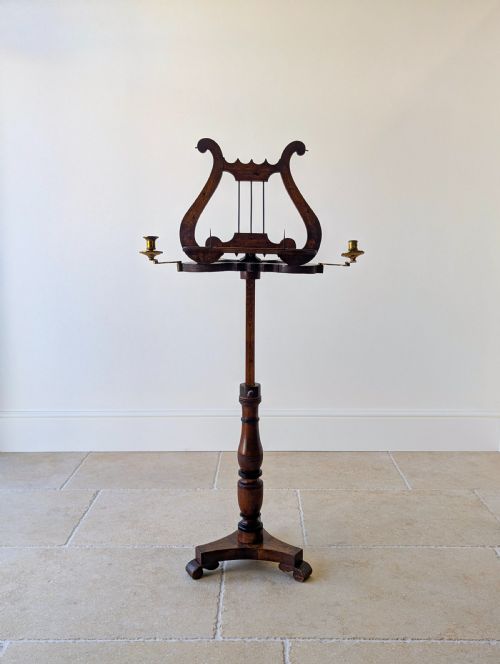


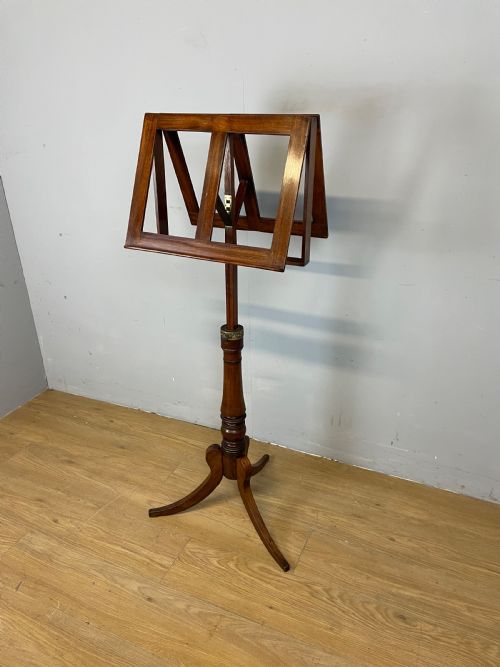


Mahogany Tripod Reading Stand
A mahogany tripod reading stand brings adjustable height and a steady surface to a study or library, offering both period character and genuine utility.
Mahogany Tripod Reading Stand
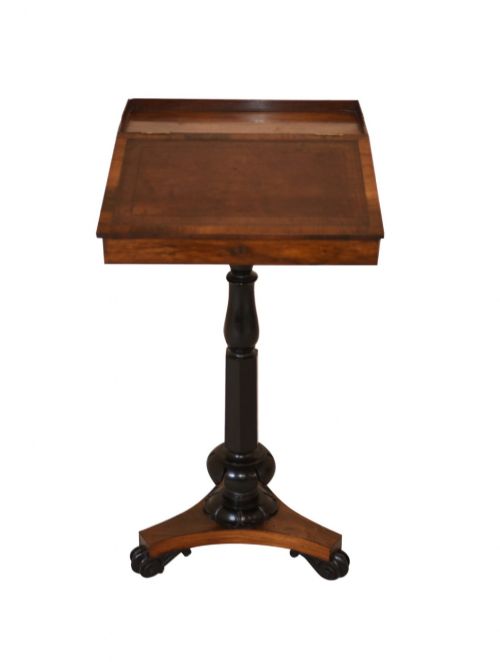
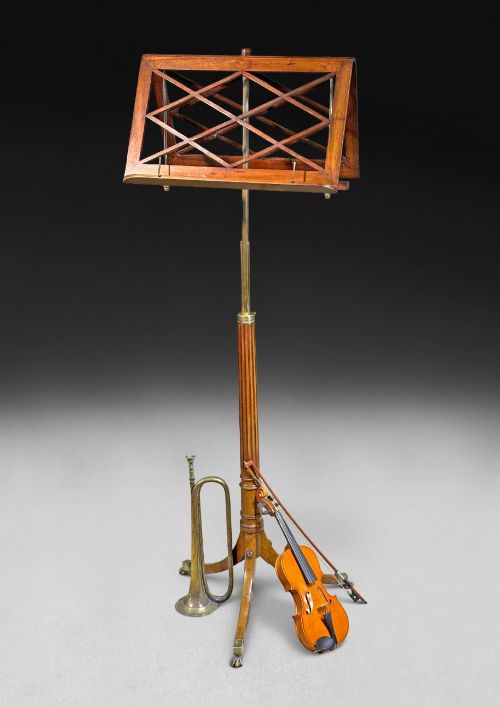
A mahogany tripod reading stand is an adjustable piece designed for books, papers, or music, supported by a three-legged base. The selection on this page spans the 18th century, Regency period, 19th century, and Edwardian eras, encompassing styles from George II and Chippendale Revival to William IV.
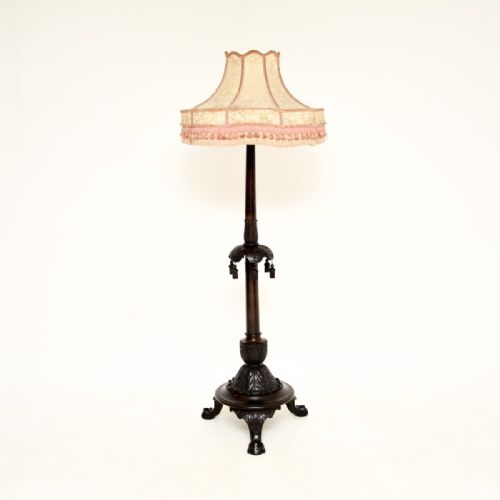
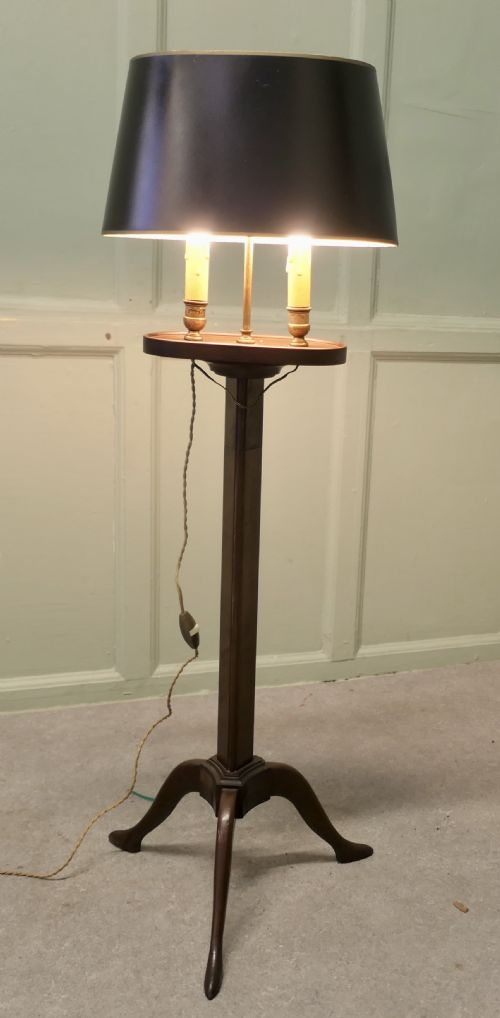
Forms vary from dedicated reading tables and double stands to music stands and converted lamp tables. You will encounter pieces utilising brass, rosewood, and cast iron alongside the primary mahogany timber.
How they were made
Cabinetmakers utilised dense mahogany for the top surfaces and turned or carved pillars, often incorporating figured grain to add visual depth. Tripod bases required stable three-legged construction to support the adjustable mechanisms above.
Brass fittings and ratchets were integrated to allow height adjustment and tilting tops for reading tables and music stands. In some instances, secondary materials such as rosewood veneer, painted metal, and cast iron appear in the construction or subsequent adaptation.
Mahogany Tripod Reading Stand Retail Price Guide 2026
Typical asking prices for mahogany tripod reading stand among the pieces listed under this phrase on Sellingantiques today, from the lower quarter to the upper quarter. They describe what is for sale here now, not the wider market.
At least one reading stand doubled its utility by eventually finding a second life as a converted lamp table.
What varies in quality
Quality rests in the precision of the adjustable mechanism and the integrity of the tripod base joints. Finer examples display crisp turning on the pillar and careful selection of figured mahogany for the top.
Later revivals or utilitarian adaptations show simpler construction methods and less refined surface finishing. The presence of original brass ratchets and smooth movement elevates a piece above simpler domestic iterations.
The Mahogany Tripod Reading Stand Glossary
- Tripod base
- A three-legged support structure designed to keep a central pillar stable on uneven floors. This configuration appears frequently on occasional tables and stands.
- Reading table
- A surface specifically designed or adapted to hold books and papers at a convenient angle or height. These often feature adjustable mechanisms.
- Regency
- A British design period spanning the early 19th century, noted for classical restraint and bold mahogany forms. Pieces from this era often incorporate brass mounts.
- Duet stand
- A music or reading stand large enough to accommodate two people sharing a score or text. They frequently feature double ledges.
Mahogany Tripod Reading Stand: Frequently Asked Questions
What is a mahogany tripod reading stand used for?
These stands were originally designed to hold books, documents, or sheet music at a comfortable viewing height in libraries and parlours. The adjustable top allowed readers to alter the angle for sustained study.
Today, they function as versatile accent pieces that hold open volumes, support lamps, or serve as compact display tables next to seating.
How do I identify a Regency period stand?
Regency pieces often display clean classical lines, dark mahogany timbers, and functional brass fittings. Makers during this period favoured strong architectural forms and subtle turnings.
Comparing the joinery and hardware to standard 19th-century production helps confirm the earlier origin.
Can these stands be adjusted?
Many examples feature internal ratchets, screw mechanisms, or sliding pillars designed to alter the height or tilt the reading surface. These mechanisms allowed users to customise the stand for sitting or standing.
Careful handling is recommended when operating older brass and wood adjustments to preserve the original fittings.
What materials are used besides mahogany?
While mahogany forms the primary body across the selection, makers incorporated brass for adjustable collars and candle arms. Rosewood, cast iron, and painted metal also appear on specific music stands and converted tables.
These mixed materials reflect the changing functional demands placed on library and music room furniture over successive decades.