

Mahogany Table Stand
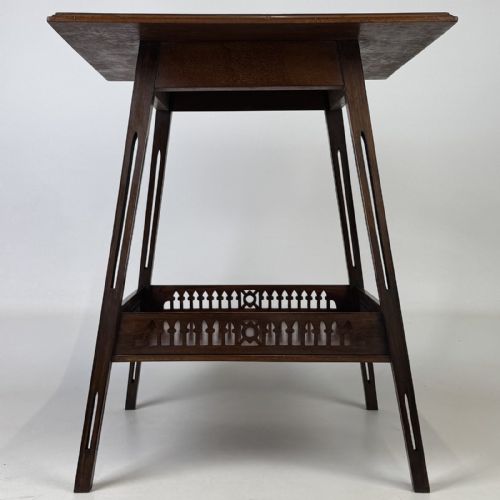
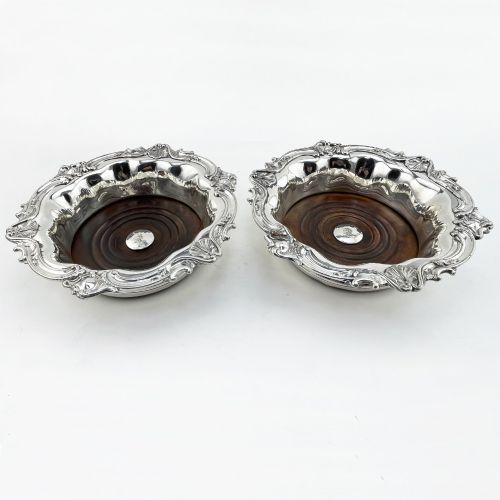
These mahogany table stand examples bring solid timber and tripod bases into daily rooms, holding lamps and drinks.
Mahogany Table Stand
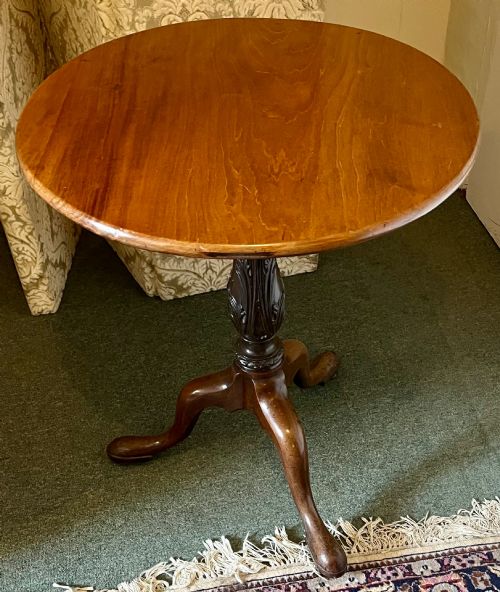
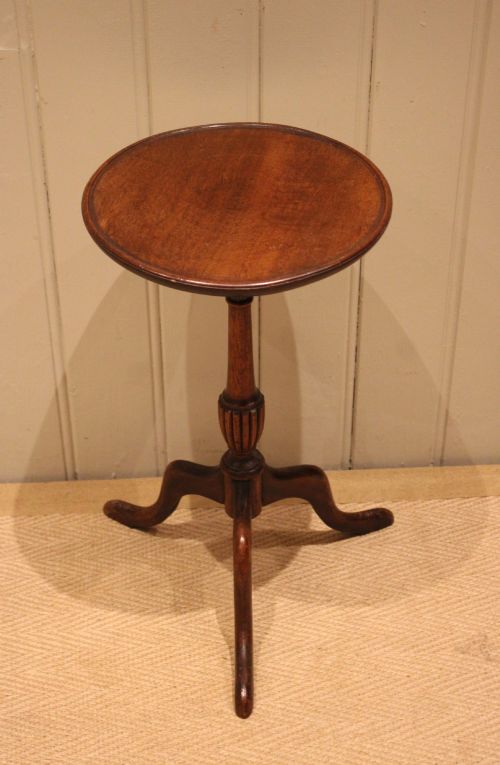
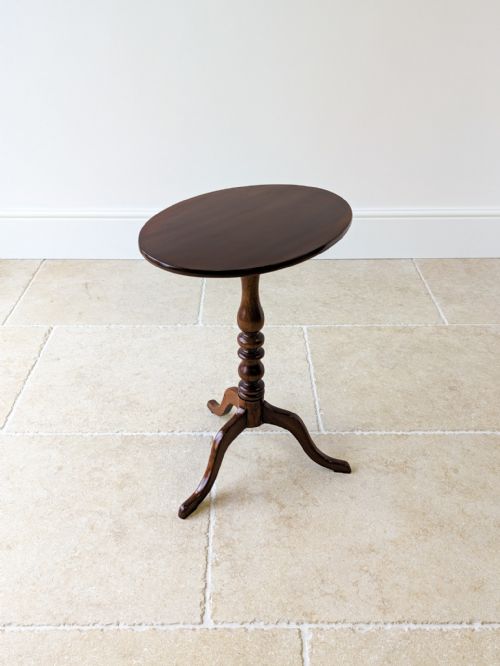
A mahogany table stand brings functional small-scale timber furniture into living spaces, primarily taking the form of tripod lamp tables, wine tables, and candle stands. These pieces emerge across the Georgian, Victorian, and Edwardian periods, maintaining compact footprints designed to sit beside seating.
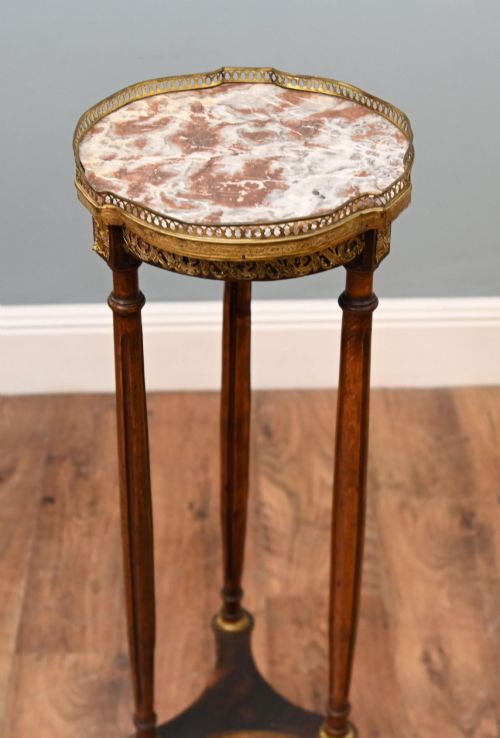
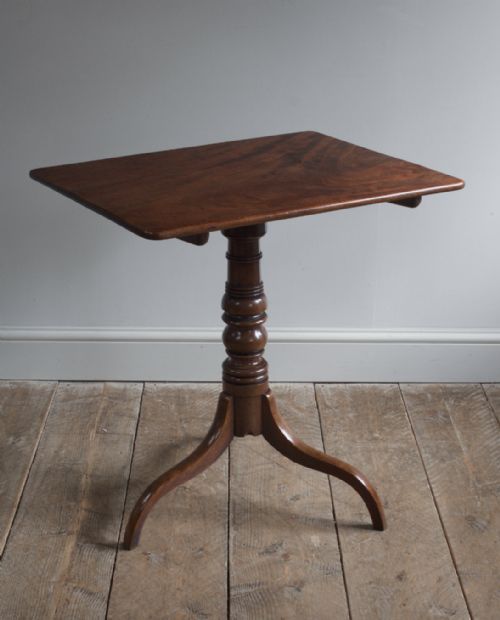
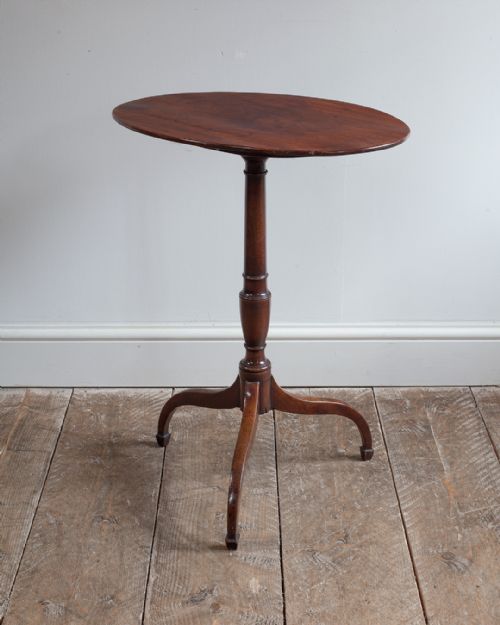
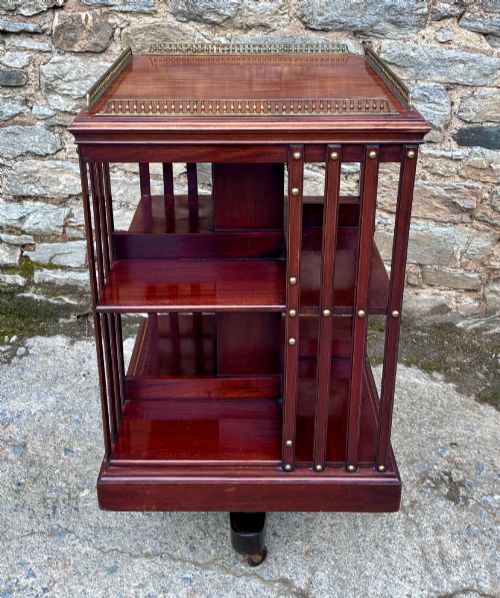
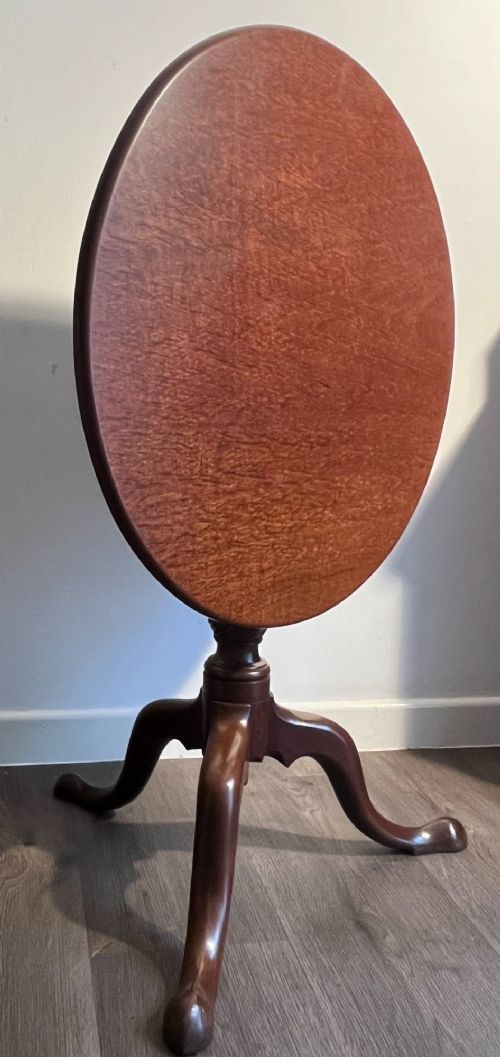
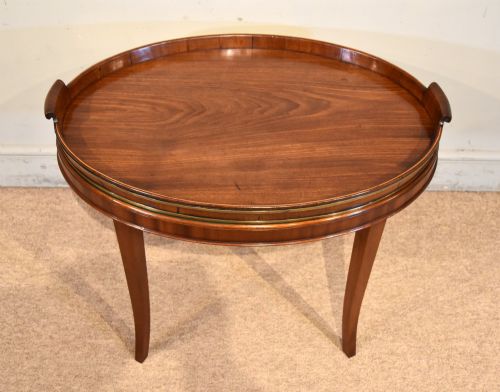
Tripod bases with turned columns and tilt-top mechanisms appear frequently alongside occasional tables fitted with lower shelves or brass galleries. The selection spans simple utilitarian designs from the early twentieth century up to finely carved George III pieces.
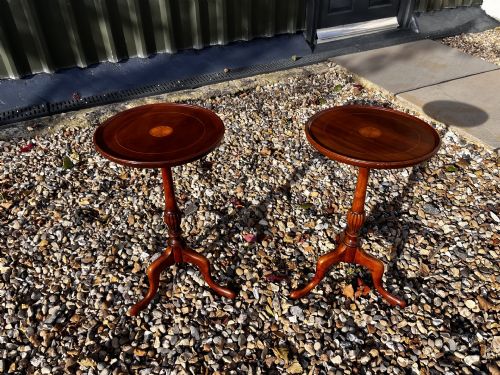
Origins trace through English workshops spanning the eighteenth to early twentieth centuries, capturing shifts from plain cabriole legs to satinwood inlaid Edwardian surfaces. Buyers encounter both pedestal occasional tables and rectangular side variants suited to everyday use.
Construction and materials
Construction relies heavily on dense tropical mahogany timber, often combined with secondary woods and decorative veneers such as satinwood, rosewood, and boxwood stringing. Brass fixtures, including castors, hinges, and galleries, add structural and visual contrast to the polished timber.
Cabinetmakers utilised traditional joinery, turning solid timber on lathes for central pedestals and shaping tripod legs with dovetailed or tenoned blocks. Tops frequently feature moulded edges, pie crust carving, or marquetry inlay set into the solid mahogany panels.
Mahogany Table Stand Retail Price Guide 2026
Typical asking prices for mahogany table stand among the pieces listed under this phrase on Sellingantiques today, from the lower quarter to the upper quarter. They describe what is for sale here now, not the wider market.
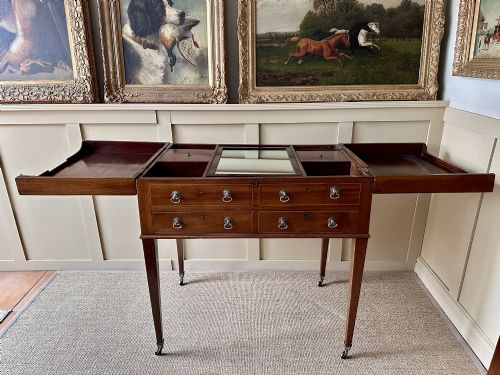
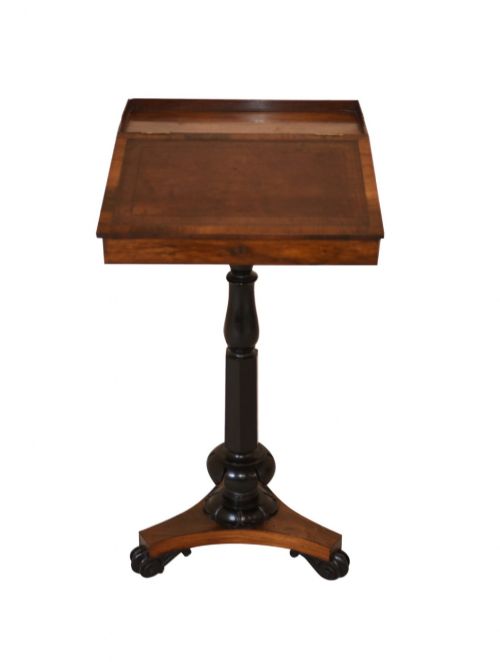
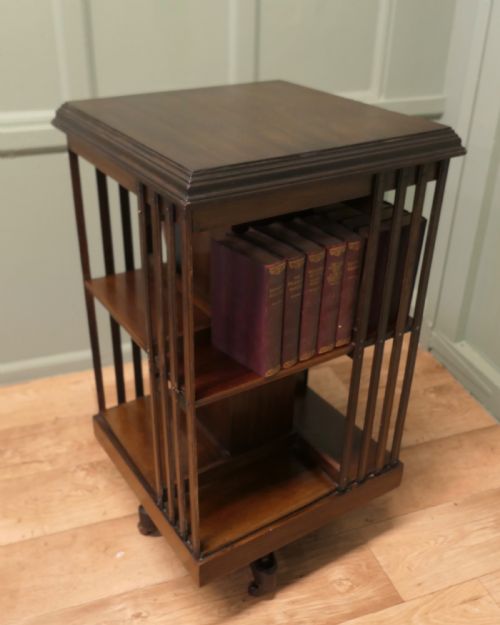
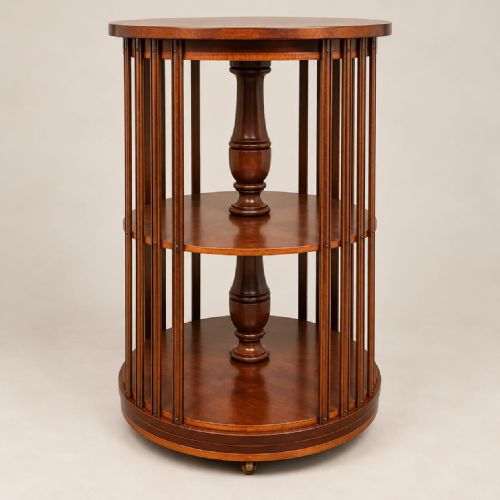
Several tables feature built-in revolving bookcases or clever folding trays, proving Victorians loved multitasking furniture just as much as we do.
Assessing craftsmanship
Quality separates through the selection of timber grain, the crispness of hand-carved tripod legs, and the integrity of the central pillar block. Pieces displaying subtle boxwood stringing, marquetry inlay, or substantial brass galleries indicate higher workshop standards.
Proportion and stability dictate overall merit, where solid timber turnings meet cleanly without excessive play in tilt-top mechanisms. Original surface patination and tight joinery at the leg joints distinguish superior examples from later utility items.
Bulstrode Cambridge·Cary London
The Mahogany Table Stand Glossary
- Tripod table
- A small freestanding table supported by a central pillar resting on three legs. This form gained popularity during the Georgian era for serving tea or holding candles.
- Tilt-top mechanism
- A hinge arrangement beneath the tabletop allowing the surface to fold vertical when not in use. It enabled easy storage against room walls in period interiors.
- Gallery
- A raised rim of brass or carved wood surrounding the edge of a tabletop. It prevented items from sliding off small lamp or wine tables during movement.
- Marquetry
- Decorative veneer patterns formed by fitting together thin pieces of coloured wood. Craftsmen applied this technique to tabletop surfaces to create geometric or floral designs.
- Gadrooned edge
- A carved ornamental border consisting of curved, interlocking ridges. This decorative flourish frequently appears on the rims of late eighteenth and nineteenth-century tables.
Mahogany Table Stand: Frequently Asked Questions
What is a mahogany table stand used for?
These compact pieces served historically for holding tea equipment, candelabras, or reading materials beside seating areas. Modern interiors utilise them as bedside supports, lamp tables, or display surfaces.
Their modest footprints allow placement in tight corners or narrow hallways where larger furniture fails to fit.
How do I identify a Georgian tripod table?
Georgian examples from the eighteenth century typically exhibit heavy, dense mahogany timber with deep hand-cut patination and substantial leg blocks. Look for pegged joints and slender cabriole legs ending in pad or snake feet.
Later Victorian and Edwardian revivals often feature machine-turned components and lighter scantlings compared to their eighteenth-century predecessors.
Are tilt-top tables stable?
Original tilt-top mechanisms rely on a catch and birdcage or block pivot that locks the surface flat against the central column. Minor movement can occur in the pivot over centuries of use.
When locked properly, a well-made pillar table remains balanced across its three feet without undue wobble.
How should I care for polished mahogany?
Maintain the polished timber surface by dusting regularly with a soft, dry cloth and avoiding placement near direct heat sources or strong sunlight. Wax finishes benefit from occasional application of quality beeswax to nourish the wood.
Keep liquids away from unsealed joints and use coasters beneath glasses or damp objects.