

Mahogany Style Dining Chairs
Mahogany style dining chairs bring substantial timber frames and classic silhouettes to the table, offering lasting utility and period presence for the dining room.
Mahogany Style Dining Chairs
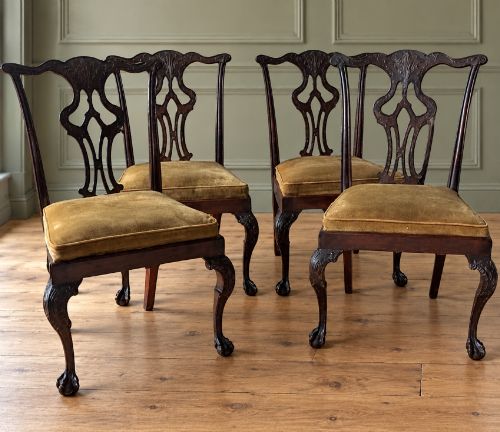
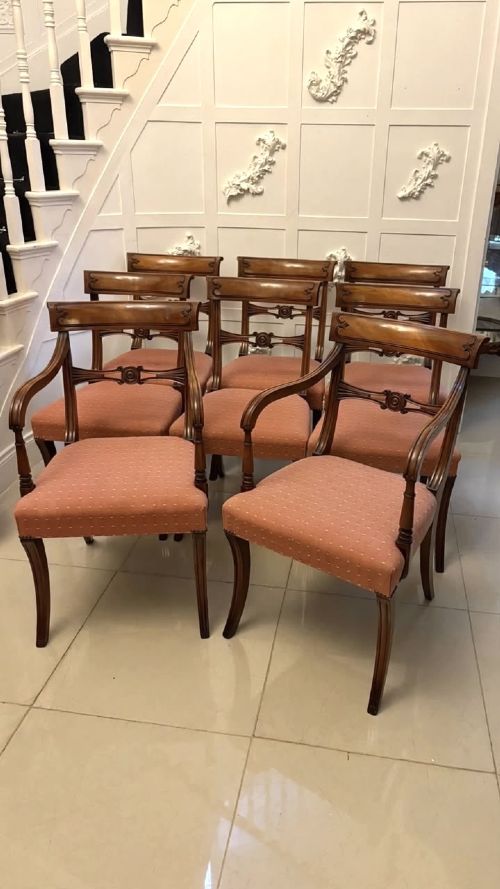
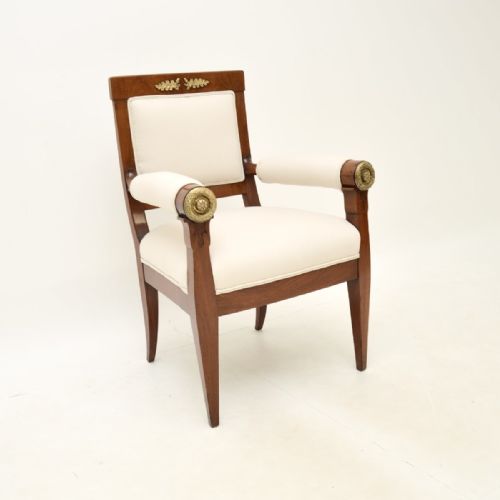
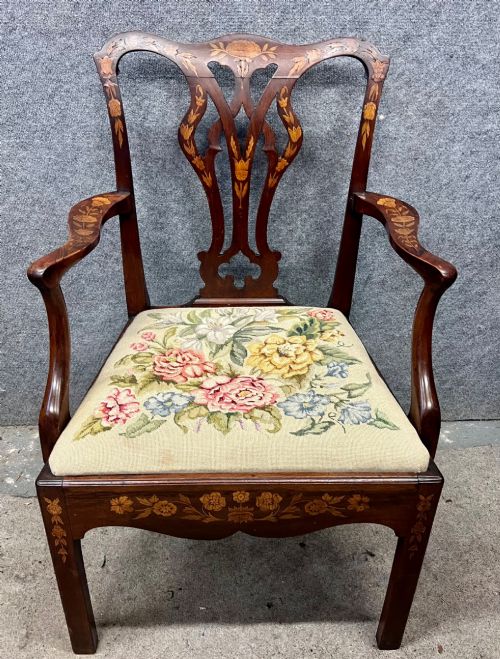
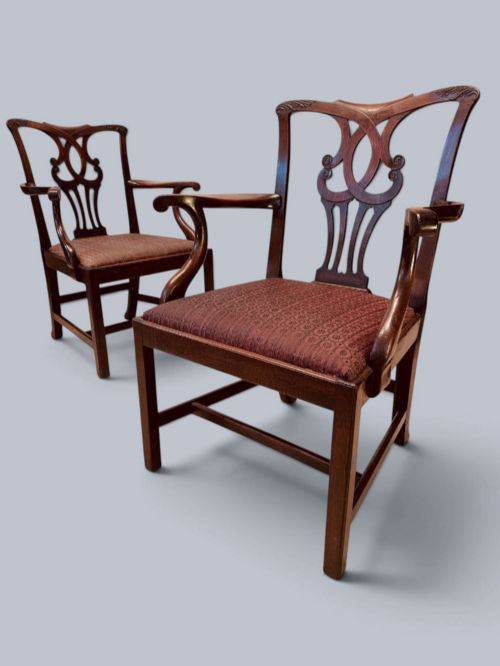
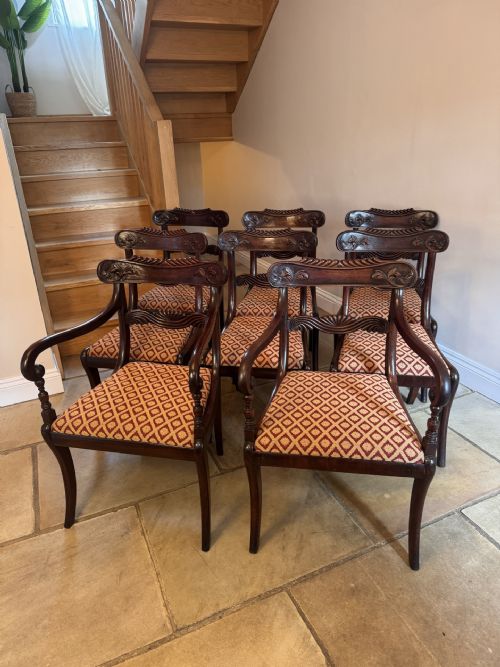
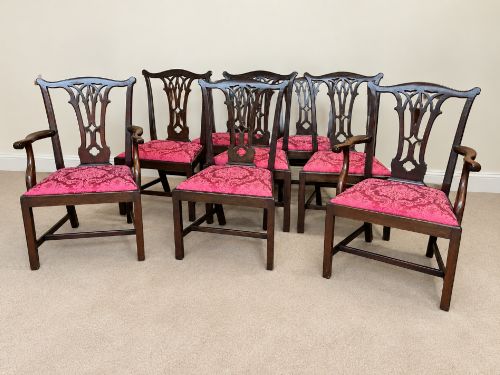
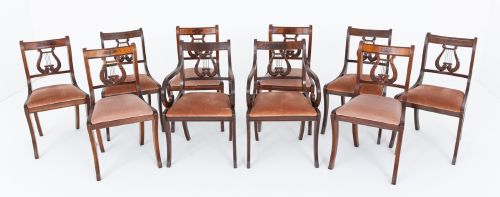
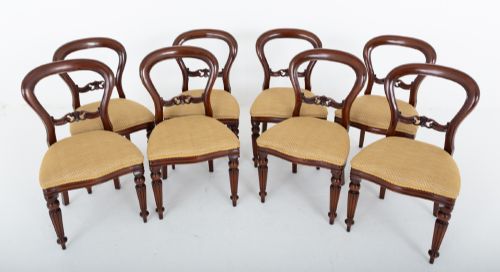
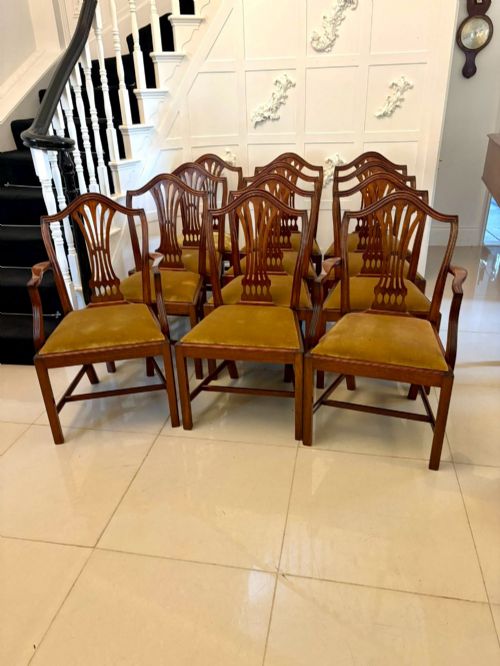
Mahogany style dining chairs encompass sturdy timber seating designed for dining spaces, drawing heavily on eighteenth and nineteenth-century furniture traditions. When exploring this selection, buyers encounter everything from modest side chairs to extensive sets featuring matching carvers and armchairs.
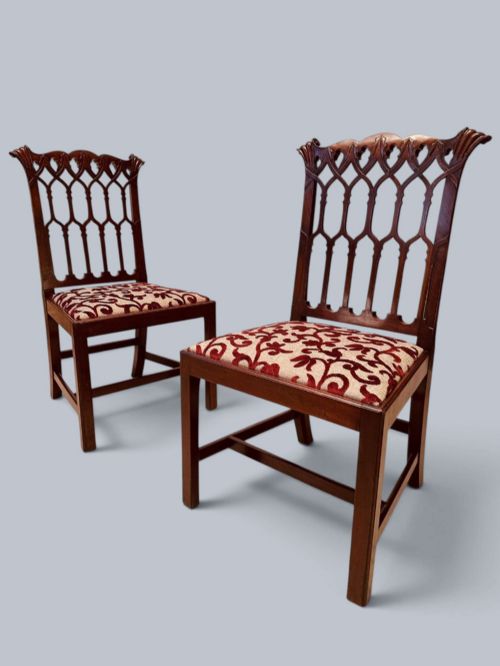
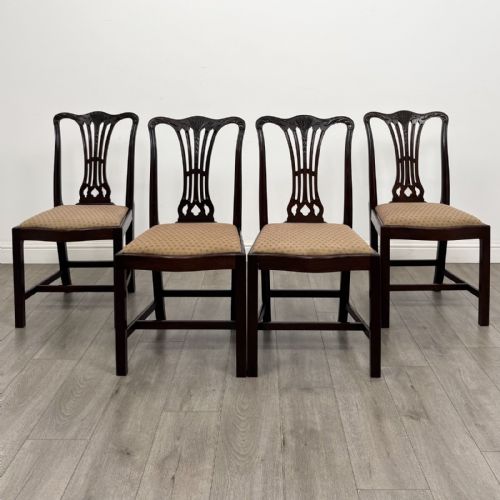
The assortment spans genuine Georgian and Regency originals alongside later revival pieces from the Victorian and Edwardian eras. Common iterations include shield back designs, pierced splats, and robust frame constructions that reference Chippendale and Hepplewhite aesthetics.
Materials and Construction Methods
Makers relied primarily on dense mahogany timber for the structural framework, occasionally incorporating secondary woods or contrasting elements like maple. Joinery involved traditional methods to ensure stability across heavy daily use.
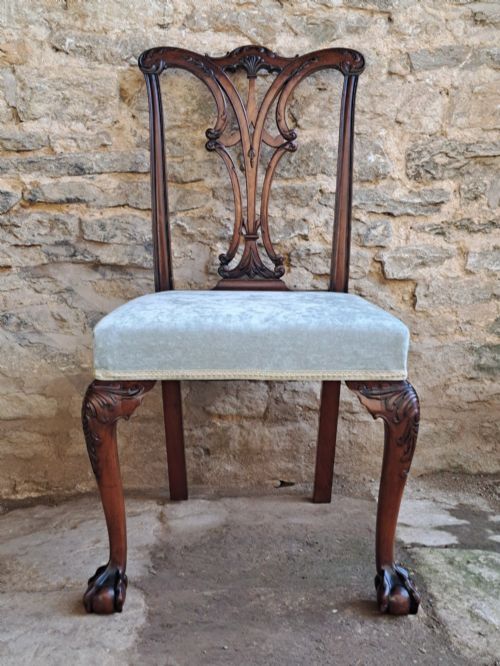
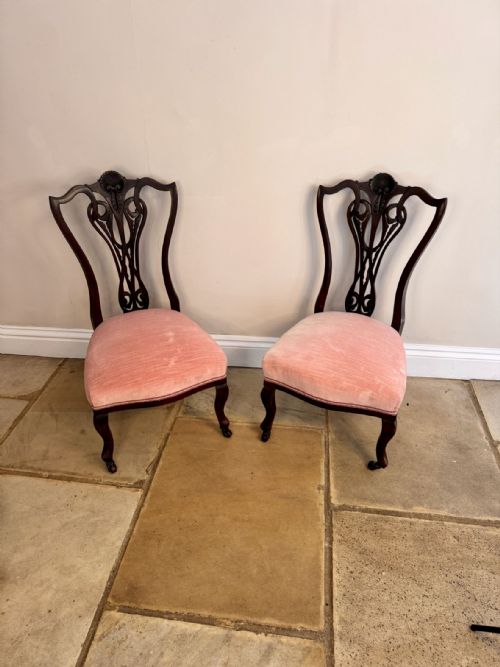
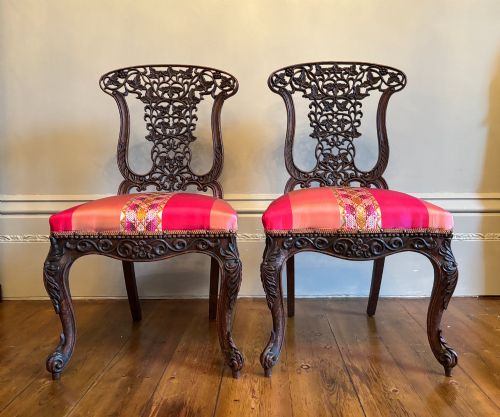
Seating portions frequently utilised drop-in pads or upholstered foundations covered in leather, velvet, brass-studded fabric, or various woven textiles. Carved details on the splats and legs demonstrate manual timber shaping rather than moulded ornamentation.
Mahogany Style Dining Chairs Retail Price Guide 2026
Typical asking prices for mahogany style dining chairs among the pieces listed under this phrase on Sellingantiques today, from the lower quarter to the upper quarter. They describe what is for sale here now, not the wider market.
Some chairs retain traces of historic tallow candles in their carvings, reminding us that these seats predated electric lighting by centuries.
Assessing Craftsmanship and Condition
Quality separates along the crispness of the carved details on the splats and arms, where sharper hand-chutting indicates superior workshop standards. The depth of the timber grain and the integrity of the underlying joinery further dictate the tier of the piece.
Complete sets command greater attention than mismatched assemblages, while original upholstery materials or period leather seat pads elevate the integrity of individual chairs. Frame rigidity and the retention of factory or maker hallmarks also influence overall standing.
Maple and Co·Gillows
The Mahogany Style Dining Chairs Glossary
- Carver
- An armchair designed with elbow rests, traditionally placed at the head of a dining table to match surrounding side chairs.
- Shield Back
- A chair back shaped like a heraldic shield, popularised during the late eighteenth century by designers like Hepplewhite.
- Splat
- The vertical wooden slat positioned down the middle of a chair back, often pierced or carved into intricate geometric patterns.
- Side Chair
- A standard chair built without armrests, intended primarily for placement along the sides of a dining table.
- Elbow Chair
- An alternative term for an armchair, featuring supportive side supports for the arms.
Mahogany Style Dining Chairs: Frequently Asked Questions
What defines mahogany style dining chairs?
These pieces comprise timber dining seating fashioned from mahogany or similar hardwoods, referencing historic periods such as the Georgian and Regency eras. They typically feature defined splats, robust legs, and occasional upholstered seat pads.
Buyers select them to anchor dining spaces with traditional cabinet-making forms that span from single accent chairs to large coordinated dining sets.
How do I care for antique mahogany dining chairs?
Maintain the timber surfaces by dusting regularly with a soft cloth and applying appropriate wax polish sparingly to preserve the finish. Avoid placing timber furniture near direct heat sources or in fluctuating humidity.
Inspect the joinery periodically to ensure frame stability remains sound during regular dining use, and treat leather or fabric upholstery according to its specific textile requirements.
Are large sets difficult to find?
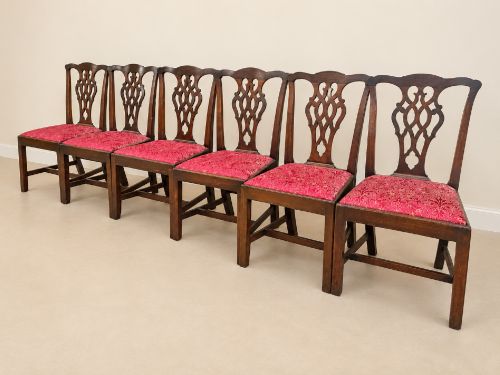
Extensive matching sets spanning eight, ten, or twelve pieces appear alongside smaller groups of four or six. Larger collections often combine standard side chairs with a pair of matching carvers for the table ends.
These expanded suites frequently originate from revival periods or carefully assembled matched groupings from earlier centuries.
How can I distinguish revival pieces from originals?
Examination of the timber patina, tool marks, and construction wear helps differentiate eighteenth-century originals from later nineteenth-century or Edwardian revivals. Revival pieces often reflect the stylistic revivals popular during the Victorian era and the early twentieth century.
Detailed inspection of the joinery beneath the seat provides further insight into the period of manufacture and workshop techniques utilised.