

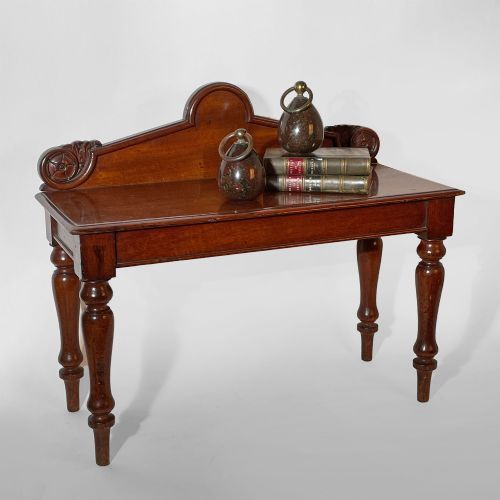
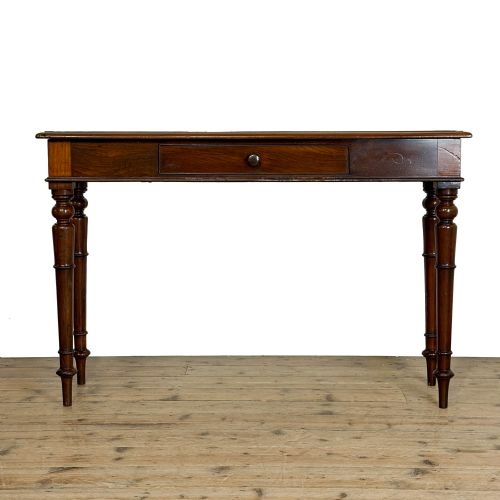
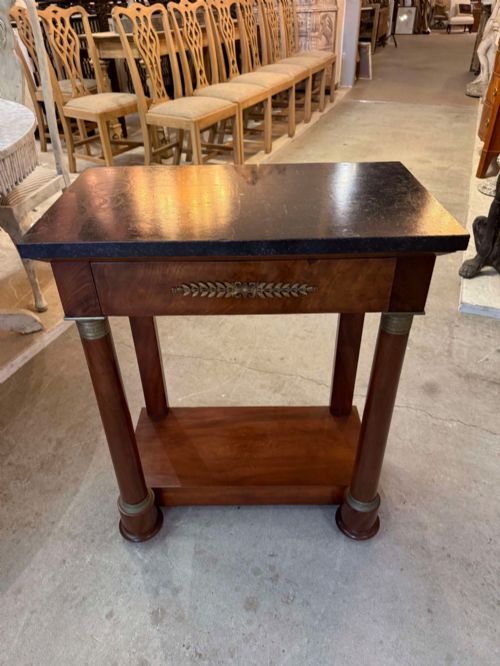
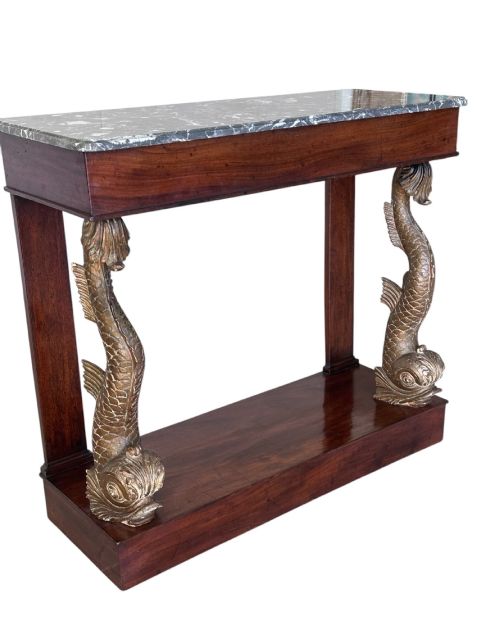
Mahogany Style Console
A mahogany style console brings architectural line and rich timber tone into a room, serving as a handsome surface for lamps, books or display.
Mahogany Style Console
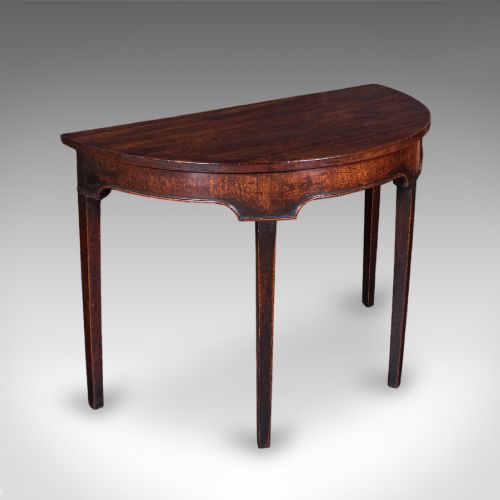
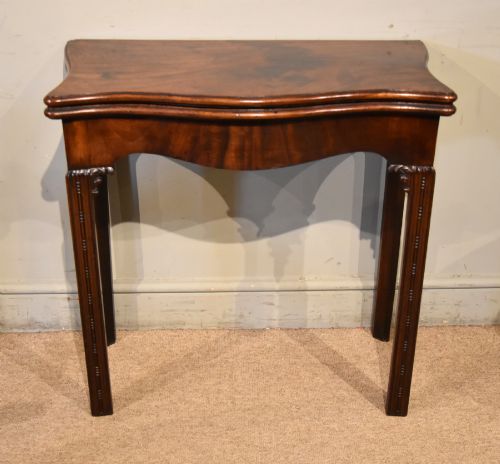
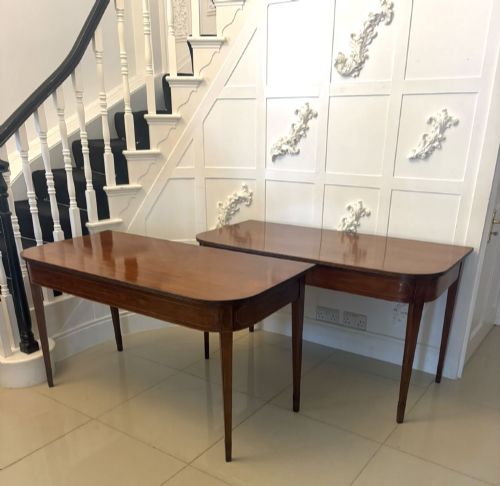
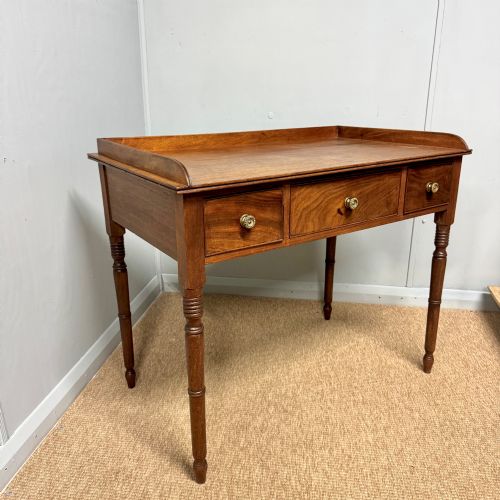
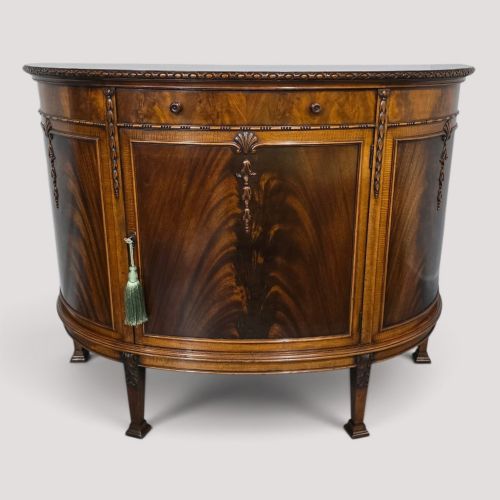
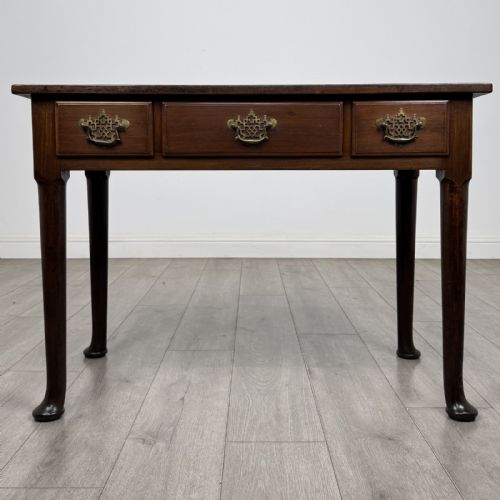
A mahogany style console table encompasses a versatile group of wall-abutting furniture pieces designed for hallways, living spaces and dining rooms. When searching for this phrase, buyers encounter various formats including demi-lune tables, serving tables and card tables dating from the eighteenth century through to the early twentieth century.
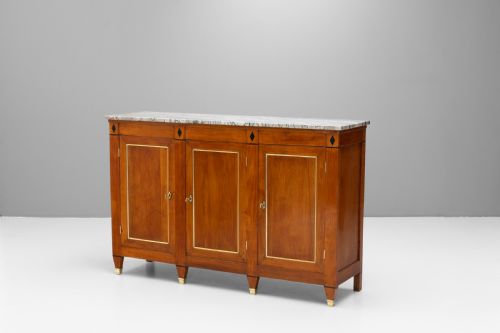
The selection ranges from authentic period pieces by makers such as Krieger Paris and Druce and Co to later revival interpretations executed in the Georgian, Edwardian and Victorian eras. Proportions vary from narrow profile hall tables to substantial breakfront sideboards and writing desks constructed with disciplined forms.
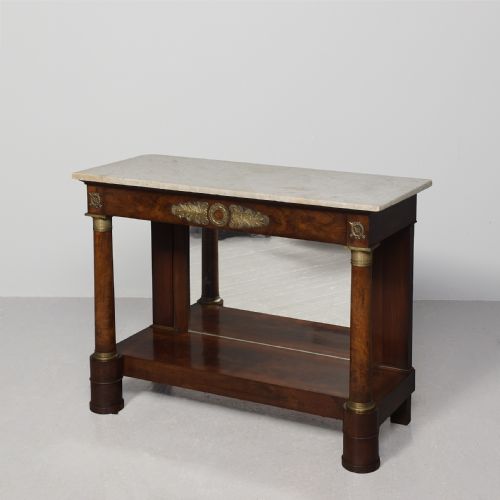
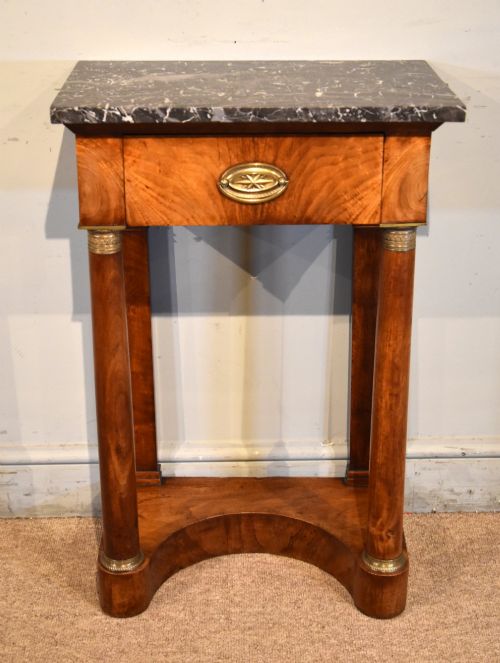
Makers utilised the rich grain of mahogany timber, frequently pairing it with contrasting veneers such as satinwood and boxwood, or mounting surfaces with marble and ormolu. These tables often feature shaped tops, tapered legs or pad feet, reflecting the enduring influence of design vocabularies like Sheraton, Hepplewhite and French Empire.
How they were made
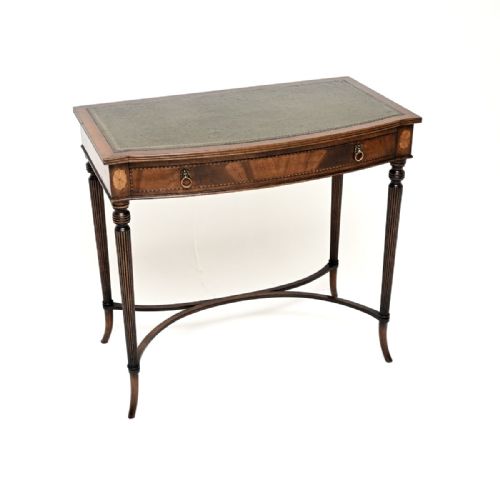
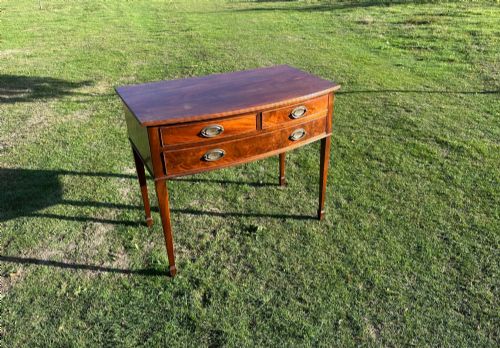
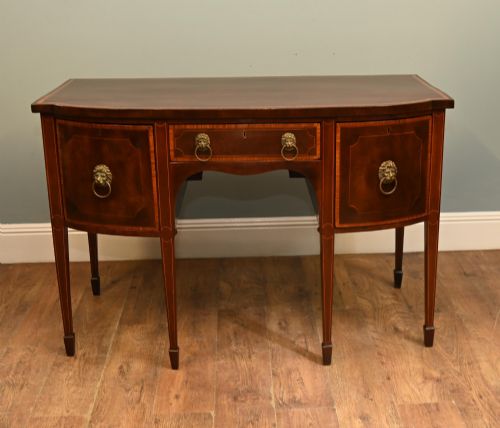
Cabinetmakers constructed these tables using solid mahogany frameworks combined with carefully selected mahogany veneers to accentuate natural grain figures. Craftspeople applied detailed woodwork techniques, including wood inlay, stringing and bow-front shaping, to create visual depth along tabletops and friezes.
Many examples incorporate secondary materials such as brass fittings, leather writing surfaces, or inset marble slabs supported by carved or ormolu-mounted structures. Joinery methods relied on precise tolerances for folding mechanisms, drawers with multiple compartments, and stable leg configurations like tapered supports or pad feet.
Mahogany Style Console Retail Price Guide 2026
Typical asking prices for mahogany style console among the pieces listed under this phrase on Sellingantiques today, from the lower quarter to the upper quarter. They describe what is for sale here now, not the wider market.
Listings feature mahogany tables spanning from eighteenth-century George III pieces to nineteen-twenties Edwardian and revival iterations.
What varies in quality
The degree of distinction in these tables depends heavily on the selection of timber figures, where richly figured mahogany and precise satinwood inlay indicate superior craftsmanship. The crispness of carved details, the integration of ormolu mounts and the weight of inset marble tops separate standard production items from finer workshop pieces.
Structural integrity and the retention of original brass hardware or leather inserts contribute significantly to the standing of an individual table. Workshop attribution, seen in makers' stamps or distinct regional styling like Gillows or French Empire attribution, elevates the character of the piece.
Druce and Co·Krieger Paris·Giles Grendey·Gillows·François Linke
The Mahogany Style Console Glossary
- Demi-lune
- A half-moon shaped table designed to stand flat against a wall, frequently utilised as a console or card table.
- Breakfront
- A piece of furniture where the central section projects forward from the flanking outer sections.
- Ormolu
- Gilt-bronze ornamentation applied to furniture, popular in French Empire and continental designs.
- Stringing
- Thin lines of contrasting wood inlay used to outline panels and tabletops.
- Serpentine
- A gently undulating curved line forming the front edge of a cabinet or table top.
- Concertina action
- An expandable frame mechanism used in card tables to support a folding top.
Mahogany Style Console: Frequently Asked Questions
What is a console table used for?
A console table provides a functional surface intended to stand against a wall in a hallway, drawing room or dining space. Historically, these pieces held decorative objects, lamps or serving dishes.
Today, they suit narrow spaces where a full table would obstruct movement, offering display space while maintaining a streamlined footprint.
Are these tables solid mahogany?
Cabinetmakers built these tables using a combination of solid mahogany timbers for structural elements and fine mahogany veneers applied to secondary woods. This technique prevented warping while displaying the decorative qualities of the grain.
Inlays of boxwood or satinwood were frequently added to enhance the surface appearance.
How do I date an antique mahogany table?
Dating relies on examining the construction methods, hardware, timber selection and stylistic vocabulary present in the piece. Eighteenth-century examples often exhibit hand-cut joinery and specific leg forms associated with periods like George III.
Later Edwardian and Victorian pieces frequently incorporate revival characteristics while employing slightly different interior construction techniques.