

Mahogany Storage Table
These mahogany storage table pieces offer discreet utility in timber, bringing period craftsmanship into modern rooms.
Mahogany Storage Table
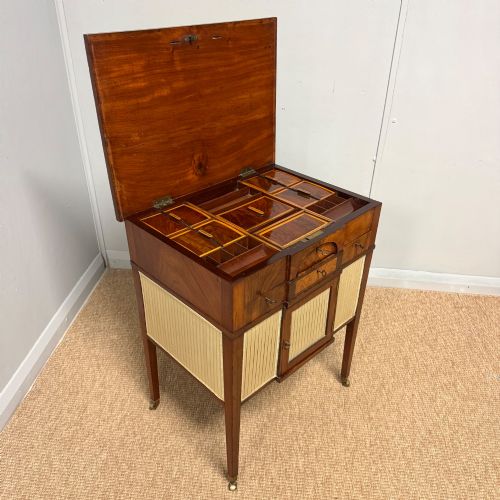
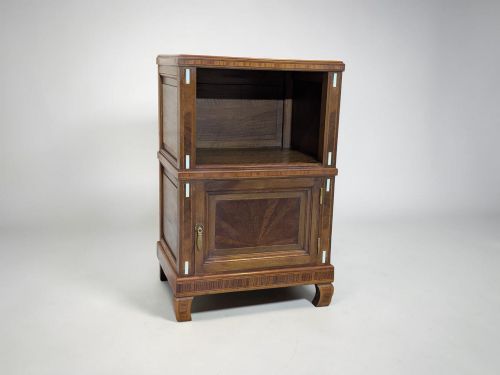
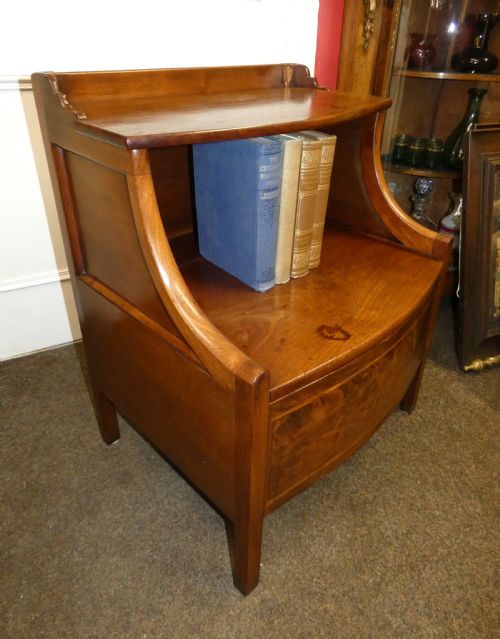
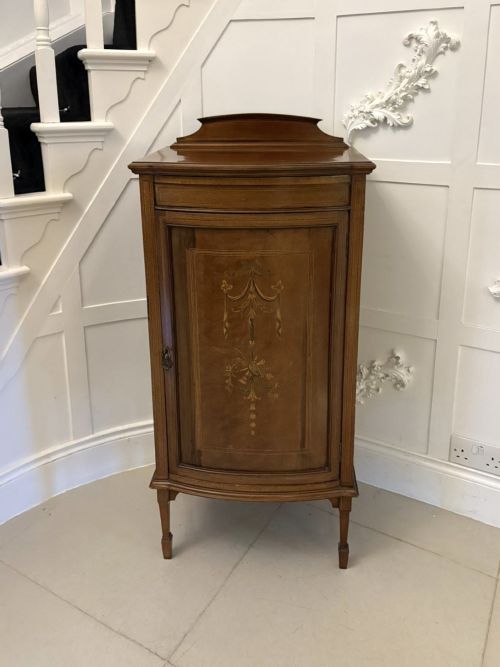
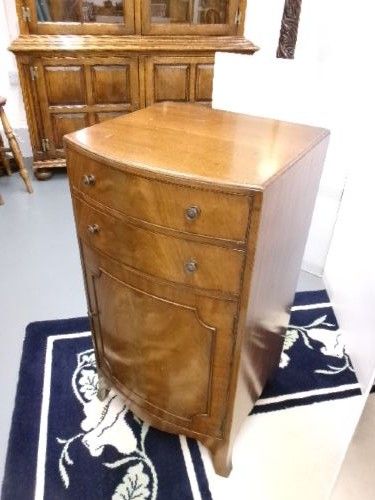
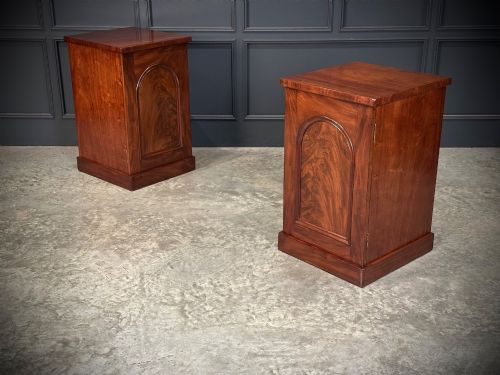
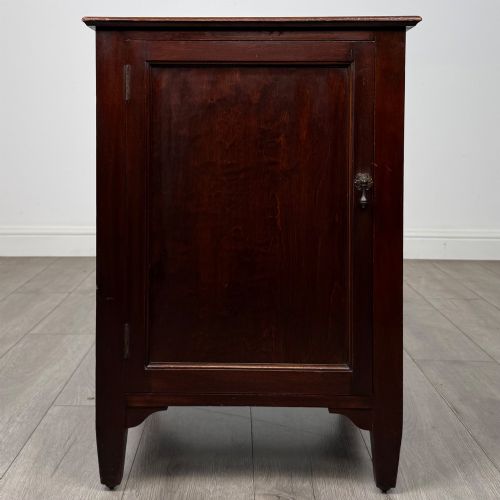
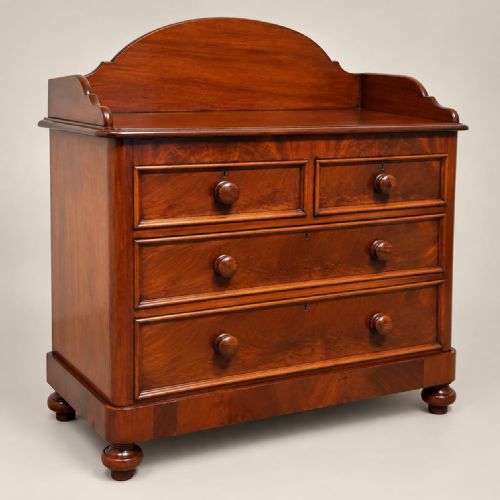
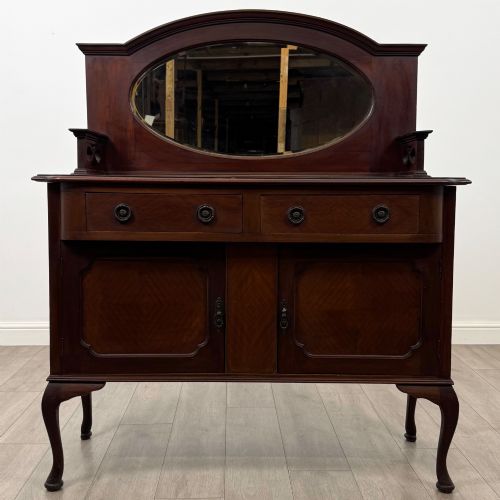
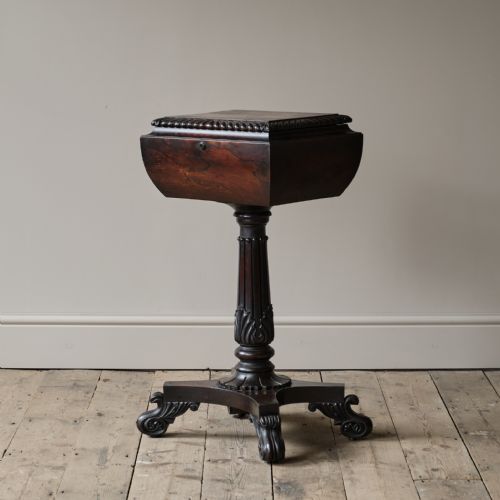
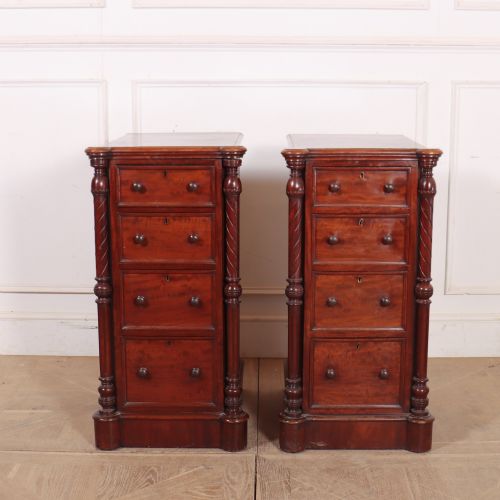
A mahogany storage table encompasses diverse practical furniture forms spanning the Georgian, Regency, Victorian, and Edwardian eras. Buyers searching this phrase most frequently encounter bedside chests, night tables, and sideboards fitted with concealed compartments or drawers. Pieces range from early nineteenth century teapoys and work tables to later Edwardian cabinets.
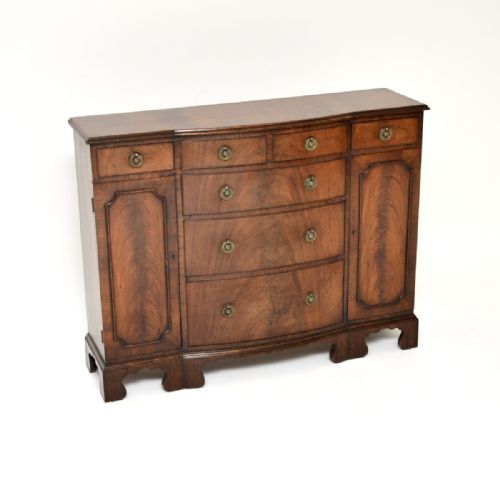
The selection includes specific regional variations and revival styles such as George III and William IV designs. Functional forms range from compact occasional tables with storage to large dining sideboards and chiffoniers. These items serve daily domestic needs while displaying the grain and warmth characteristic of period mahogany.
Materials and construction methods
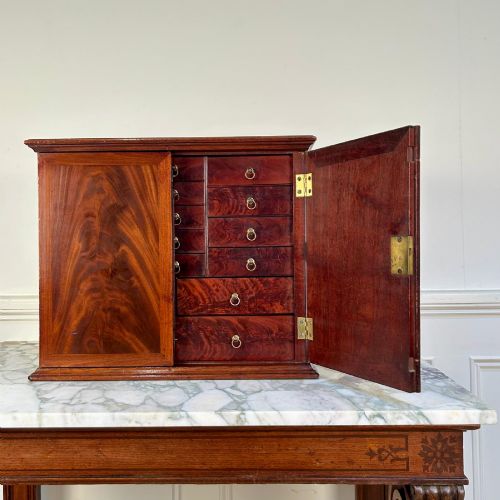
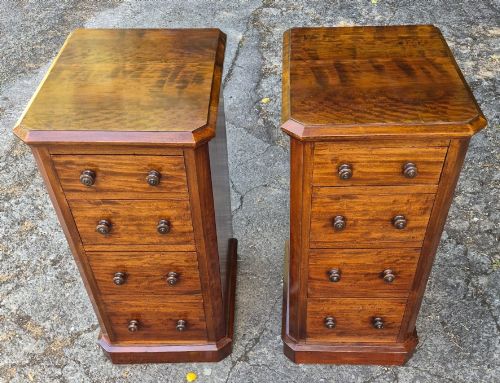
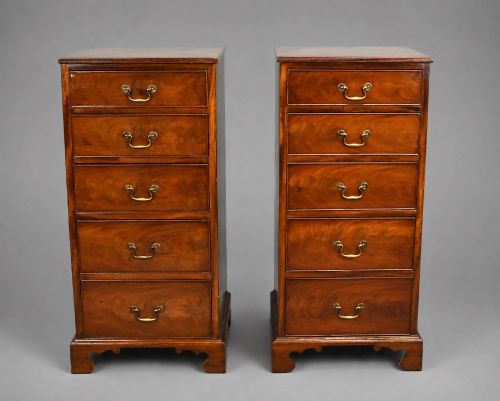
Cabinet makers utilised solid mahogany and flame mahogany veneer over secondary timbers to construct these storage pieces. Flame mahogany creates distinctive figured patterns across drawer fronts and cabinet doors, often enhanced through book-matching techniques.
Detailing frequently incorporates boxwood stringing, brass handles, and delicate wood inlay to punctuate the dark timber. Joints were hand-cut using traditional dovetail methods, ensuring robust construction for frequently opened drawers and hinged lids.
Mahogany Storage Table Retail Price Guide 2026
Typical asking prices for mahogany storage table among the pieces listed under this phrase on Sellingantiques today, from the lower quarter to the upper quarter. They describe what is for sale here now, not the wider market.
Several pieces conceal compartments originally designed for Victorian sewing paraphernalia or locks of hair.
Factors determining quality
Quality rests primarily in the selection of the timber grain and the precision of the cabinet work. Superior examples exhibit vibrant flame mahogany veneer matched carefully across panels, alongside crisp boxwood inlay and original brass hardware.
Structural integrity and proportion distinguish the finest items. Well-proportioned smaller pieces with tight dovetail joints and original interior fittings command greater appreciation than later, heavier reproductions lacking hand-finished execution.
M. D. Miller and Sons·Bowman Brothers
The Mahogany Storage Table Glossary
- Teapoy
- A small box-like table on a central pillar designed originally to hold tea caddies, often featuring interior storage compartments.
- Flame mahogany
- A veneer cut from timber where the grain diverges, creating a flickering flame-like pattern highly prized in cabinet making.
- Bow front
- A convex curved cabinet or drawer front popular in Georgian and Edwardian furniture design.
- Boxwood
- A pale, dense wood utilised extensively for contrasting stringing and inlay lines on mahogany surfaces.
- Dovetail
- A traditional interlocking joint used in drawer construction providing exceptional strength and durability.
Mahogany Storage Table: Frequently Asked Questions
What is a teapoy?
A teapoy is a small table featuring an enclosed box on top, historically used for storing loose tea leaves.
These pieces typically sit on a central pillar with tripod feet or a robust pedestal base.
How do I identify flame mahogany?
Flame mahogany displays a distinctive rippled grain pattern resembling flickering flames across the surface of the timber.
Cabinet makers selected this veneer specifically for drawer fronts and cabinet doors to create visual depth.
Where were bedside cabinets used?
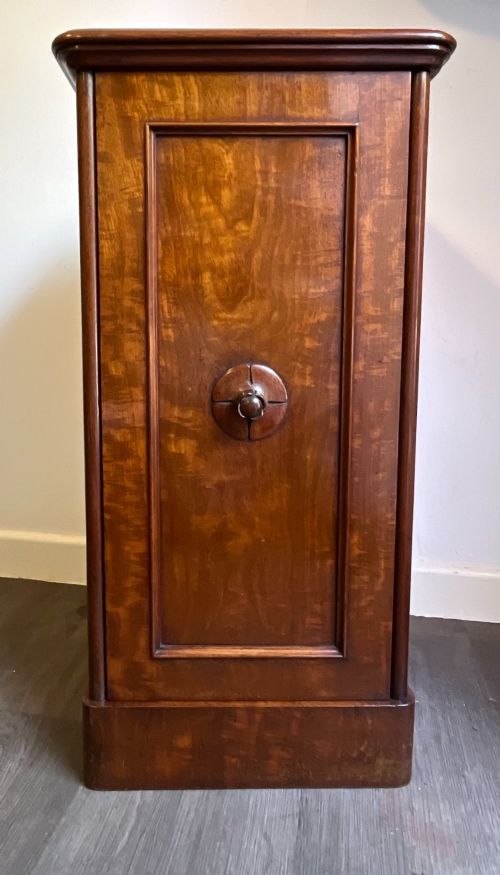
Bedside cabinets and night tables provided enclosed storage for chamber pots, books, and personal items in period bedrooms.
Compact forms allowed them to fit neatly beside tall nineteenth century beds.
What distinguishes Edwardian sideboards?
Edwardian sideboards frequently incorporate lighter wood inlay and delicate proportions influenced by earlier Georgian revivals.
They offer extensive cupboard space and drawer storage tailored to turn of the century dining rooms.