



Mahogany Stationery Organizer
A mahogany stationery organizer brings order to correspondence, combining rich timber with clever compartments for practical daily use.
Mahogany Stationery Organizer
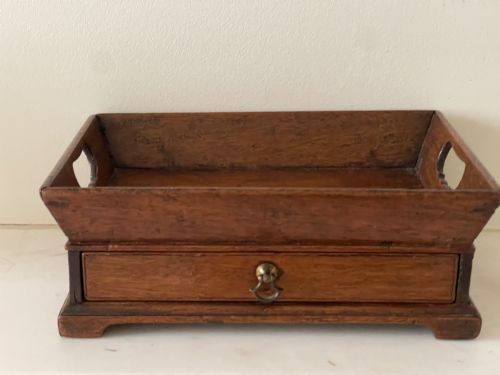
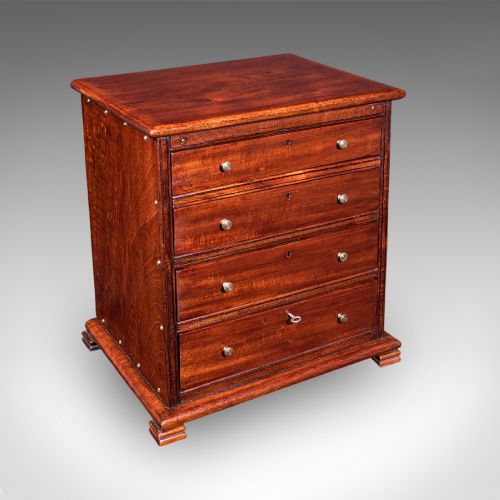
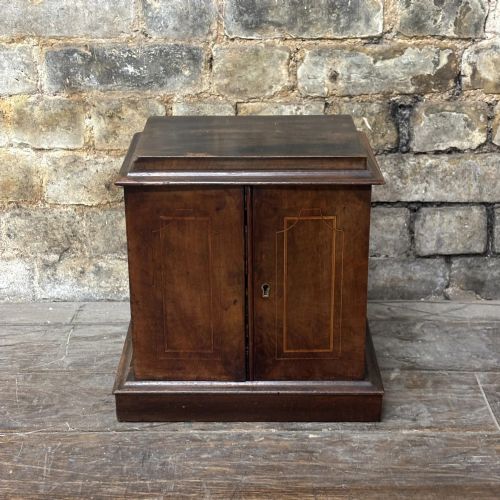
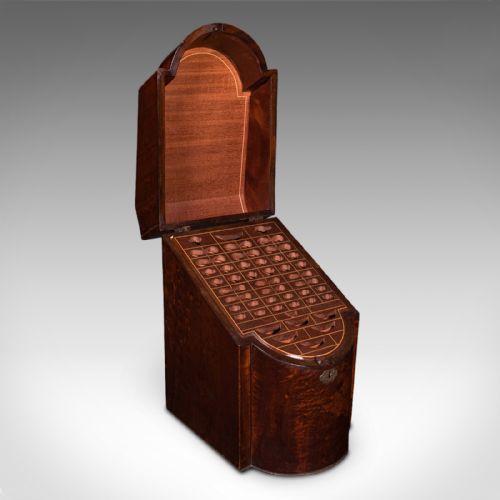
A mahogany stationery organizer serves as a practical desk accessory designed to keep letters, envelopes, and papers neat. The pieces seen here span from the Georgian period through the Victorian and Edwardian eras up to nineteen hundred.
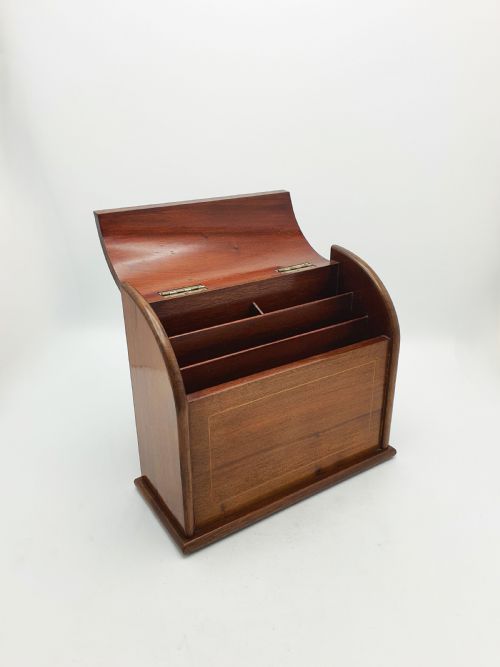
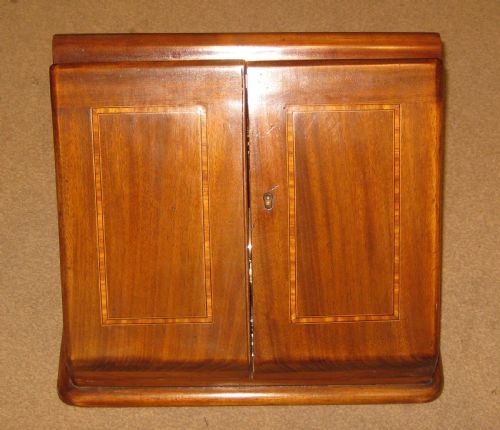
Forms range from hinged-lid desk tidies and correspondence boxes to elaborate stationery cabinets and letter holders. Many examples incorporate specialised compartments, drawers, and tiered structures raised on bun feet.
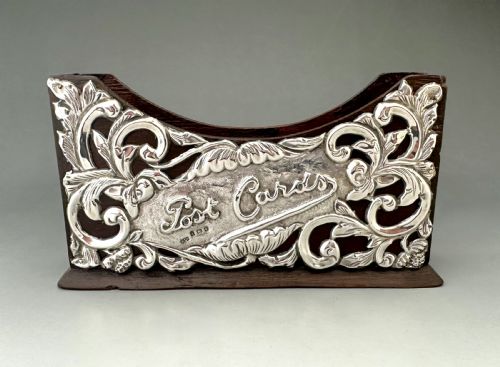
Buyers will encounter various incarnations, including architectural desk tidies intended for insurance agents and naval architects, alongside simpler inlaid boxes. The materials combine primary timber with brass, boxwood, and silver mounts.
Materials and Construction
Construction relies primarily on solid mahogany and hardwood, shaped into cabinetry and boxes using traditional joinery methods. Makers employed boxwood and wood inlay to decorate surfaces with contrasting geometric patterns.
Hardware includes brass hinges, handles, and gilt covered details that accent the dark timber. Some Edwardian and Victorian pieces incorporate fabric linings and silver mounts to elevate the utility of the desk accessory.
Mahogany Stationery Organizer Retail Price Guide 2026
Typical asking prices for mahogany stationery organizer among the pieces listed under this phrase on Sellingantiques today, from the lower quarter to the upper quarter. They describe what is for sale here now, not the wider market.
Current listings feature mahogany stationery organizers spanning from the Georgian era through Victorian and Edwardian styles into nineteen hundred, incorporating brass, boxwood, and silver.
Assessing Quality and Design
Quality shows in the crispness of the carved details, such as the waterfall tiers or Gothic Revival mouldings found on certain correspondence boxes. The precision of the wood inlay and the choice of secondary woods also indicate the maker's skill.
Functional complexity separates standard boxes from superior pieces equipped with clever internal mechanisms, fitted drawers, and robust brass fittings. The depth of the mahogany grain and the preservation of the original finish dictate overall desirability.
The Mahogany Stationery Organizer Glossary
- Mahogany
- A durable tropical hardwood prized for its deep reddish-brown grain and polished finish. It served as the primary material for fine British cabinet making throughout the Georgian and Victorian periods.
- Boxwood
- A dense, pale yellow wood frequently utilised for fine stringing and contrasting inlay work on dark mahogany surfaces. It provides sharp visual separation in geometric decorative patterns.
- Gothic Revival
- An architectural and decorative style drawing on medieval forms, visible in pointed arches and heavy mouldings. Pieces from this movement often display dramatic silhouettes.
- Letter Holder
- An open desktop accessory designed to display incoming correspondence upright for easy viewing. These typically feature wooden dividers or silver mounts.
- Desk Tidy
- A utilitarian compartmented tray or box meant to hold pens, ink, and stationery items close at hand. Examples include specialised office and architectural variants.
Mahogany Stationery Organizer: Frequently Asked Questions
How were these organizers used originally?
In period offices and homes, these pieces kept important documents, unanswered letters, and writing implements sorted and accessible. Specific variants served insurance agents, naval architects, and household managers.
Their internal slots and drawers provided a designated spot for different paper sizes and correspondence types before the advent of modern filing systems. They sat upon large partners desks and bureau bookcases.
How do I date a mahogany stationery box?
Dating relies on observing the stylistic markers, hardware, and construction techniques present in the piece. Georgian and early nineteenth century examples typically show restrained lines and heavier proportions.
Later Victorian and Edwardian items often incorporate Gothic Revival elements, intricate wood inlay, or silver mounts. The specific combination of brass fittings and timber finish helps narrow the decade of manufacture.
How do I care for antique mahogany?
Antique mahogany requires stable indoor humidity and protection from direct sunlight to prevent the timber from drying out or fading. Regular dusting with a soft, dry cloth maintains the surface sheen.
Applying a traditional beeswax polish occasionally helps nourish the wood and preserve its deep colour. Avoid placing damp items or unsealed liquids directly on the polished wooden surface.