

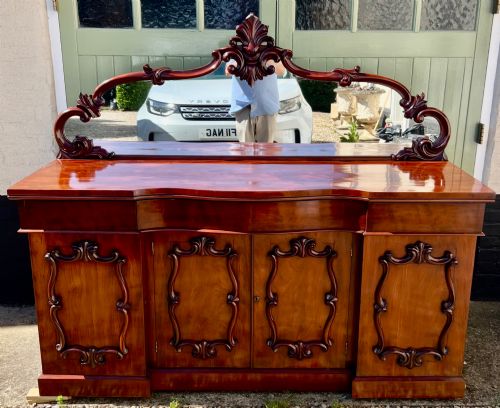
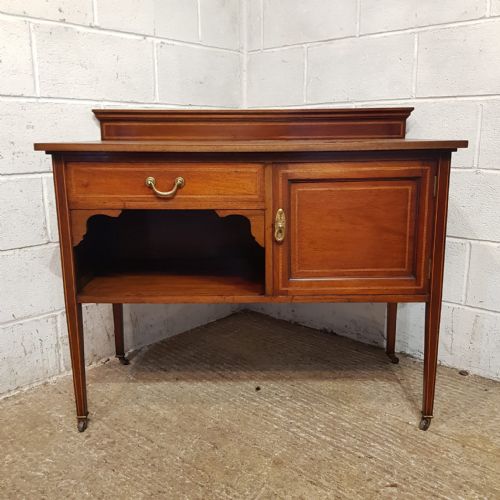
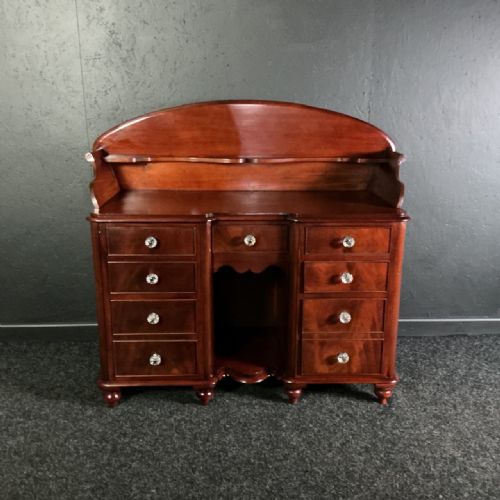


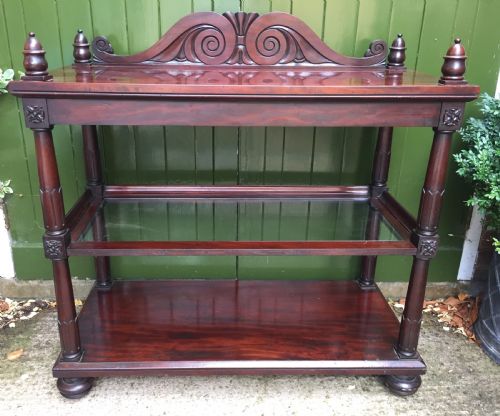

Mahogany Sideboard Unit
A mahogany sideboard unit brings rich timber grain and practical storage to a room, ranging from grand Victorian mirrors to compact Edwardian washstands.
Mahogany Sideboard Unit
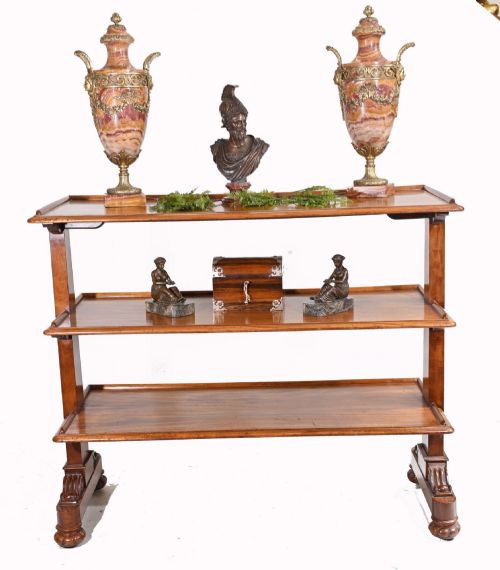
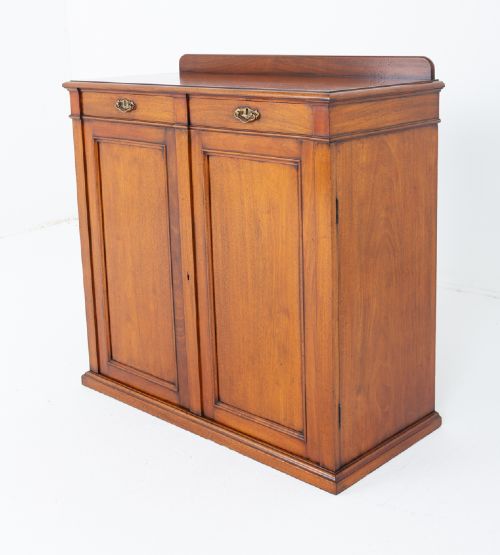
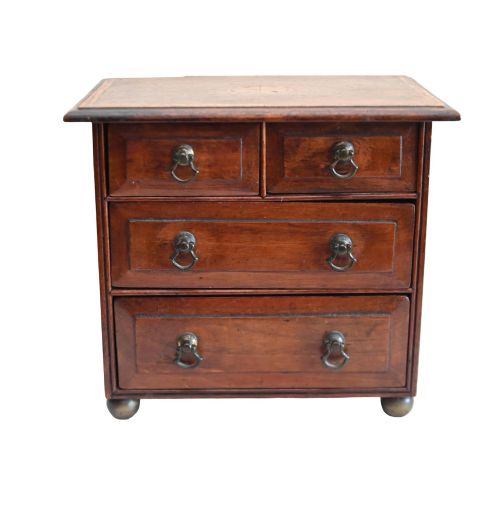
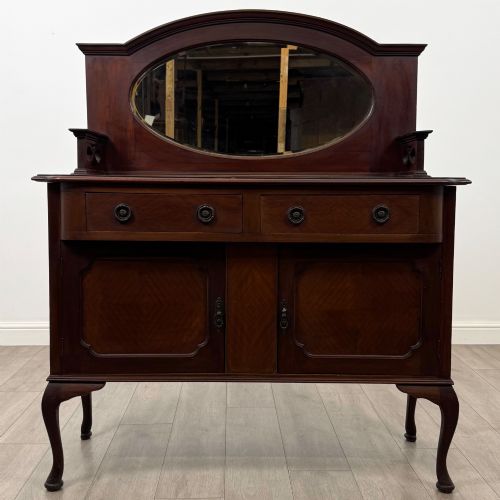
A mahogany sideboard unit encompasses a diverse group of nineteenth-century and early twentieth-century furniture designed for storage and display. When searching for a mahogany sideboard unit, buyers encounter formal dining room sideboards, smaller side cabinets, washstands, and multi-tiered buffets from the Victorian and Edwardian eras. These domestic items reflect the heavy reliance on timber in British homes throughout the period.
The selection on this page leans heavily toward Victorian and Edwardian examples, alongside Georgian revival pieces and Arts and Crafts designs. Forms vary from simple cupboards and chiffoniers to elaborate constructions featuring oval mirror backs, marble tops, and brass castors. Each piece serves a distinct function within domestic spaces, spanning dining rooms, bedrooms, and halls.
Makers such as Shapland & Petter appear among the listings, alongside numerous uncredited workshop productions spanning the 1800s to 1900. Styles range from strict Gothic Revival and Dutch marquetry to simpler utilitarian cupboards and dressing tables. Buyers find both monumental dining furniture and smaller side cabinets suited to modern spatial constraints.
What separates the best from the rest
Quality in a mahogany sideboard unit rests upon the selection of timber and the precision of the joinery. Superior examples display carefully matched wood grain and tightly fitted drawers, whereas lesser pieces rely on plain timber boards and simpler box construction without decorative flair.
The integrity of secondary materials also dictates standard, such as the clarity of mirror glass, the soundness of marble slabs, and the retention of original brass fittings rather than later replacements. Finer items exhibit considered proportions and stylistic coherence, whether executed in a Gothic Revival, Arts and Crafts, or Victorian Rococo manner.
Mahogany Sideboard Unit Retail Price Guide 2026
Typical asking prices for mahogany sideboard unit among the pieces listed under this phrase on Sellingantiques today, from the lower quarter to the upper quarter. They describe what is for sale here now, not the wider market.
Listings feature items dated from the early nineteenth century through to the Edwardian period, spanning 1800 to 1900.
Shapland & Petter
The Mahogany Sideboard Unit Glossary
- Buffet
- A set of tiers or shelves used for displaying plates and dishes during meals. These items often stand on original castors for mobility.
- Chiffonier
- A compact sideboard with enclosed cupboards below and open book shelves or a mirror superstructure above. This form became popular during the nineteenth century.
- Marquetry
- The art of applying pieces of veneer to a structure to form decorative patterns. Dutch examples frequently employ this technique on mahogany surfaces.
- Washstand
- A domestic table designed to hold a basin and pitcher for washing. Edwardian versions frequently incorporate marble tops for water resistance.
Mahogany Sideboard Unit: Frequently Asked Questions
What is a mahogany sideboard unit used for?
These pieces provide substantial storage and display surfaces within domestic interiors. Dining room versions hold tableware and linens, while smaller side cabinets serve living spaces.
Alternative forms like washstands and dressers fulfil bedroom and hallway storage needs. Their solid mahogany construction ensures everyday domestic utility.
How do I date a Victorian mahogany sideboard?
Dating relies on identifying stylistic markers, construction methods, and material combinations recorded in the piece. Victorian examples often feature heavy mouldings, rich reddish mahogany, and occasional mirror backs.
Comparing the hardware, such as brass handles and drawer linings of oak or pine, helps narrow the decade of manufacture. Maker stamps or regional workshop labels provide definitive dates.
Are these units suitable for modern homes?
Many nineteenth-century forms adapt easily to contemporary rooms as media consoles, hallway storage, or dining room servers. Their compact side cabinet and chiffonier variants fit spaces where grand dining furniture proves too large.
Selecting a piece with versatile internal shelving allows for practical modern organisation. The robust timber stands up well to daily household use.