


Mahogany Shelf Drawer
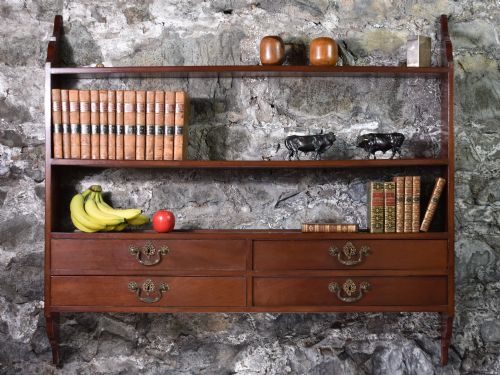
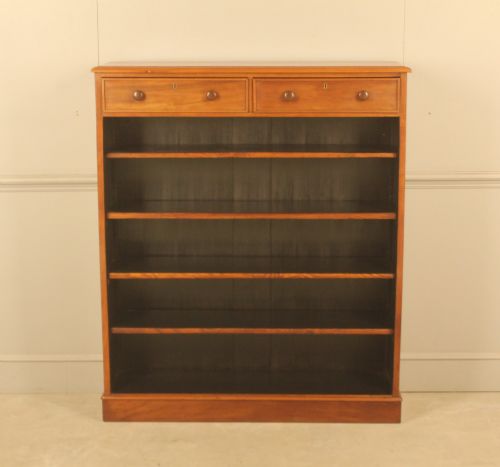
These mahogany shelf drawer pieces combine display tiers and storage compartments, bringing rich timber grain and practical utility to any room.
Mahogany Shelf Drawer
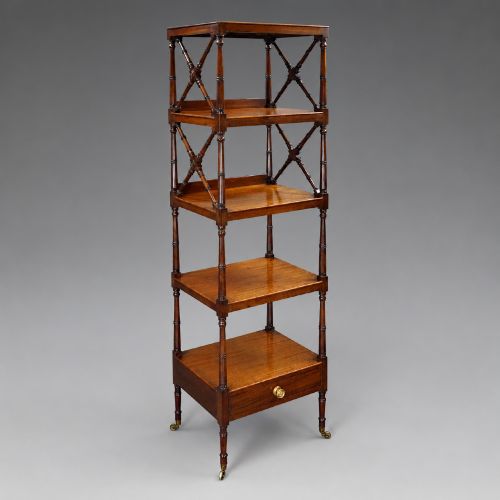
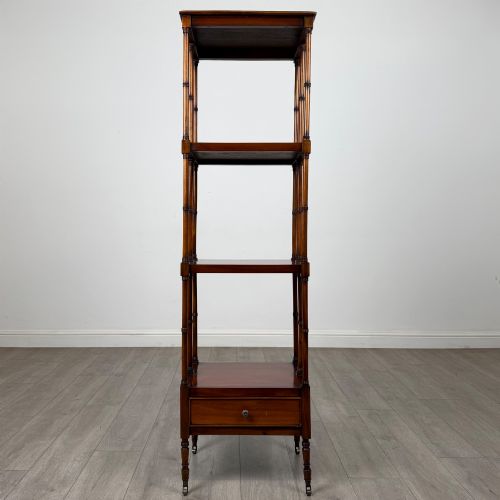
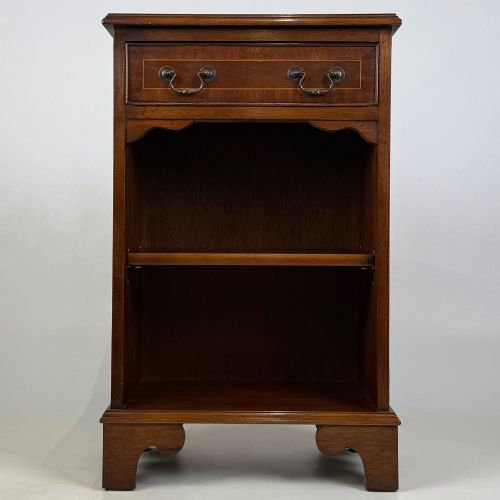
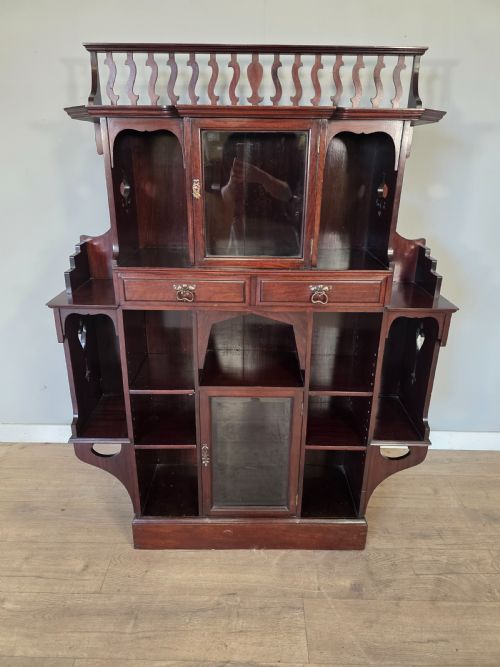
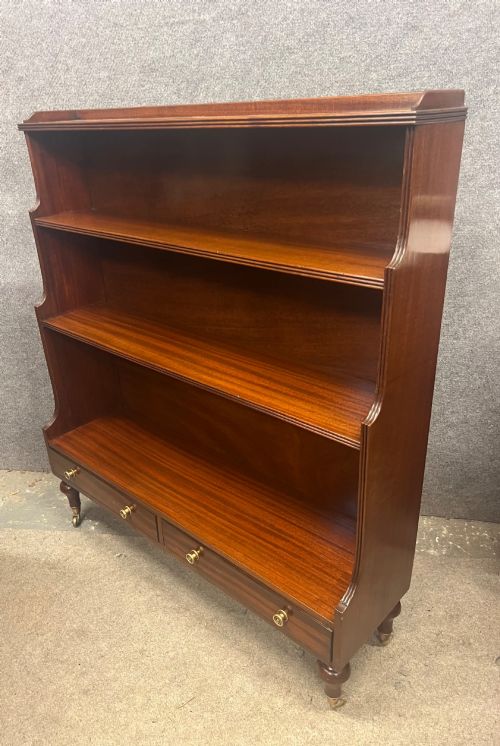
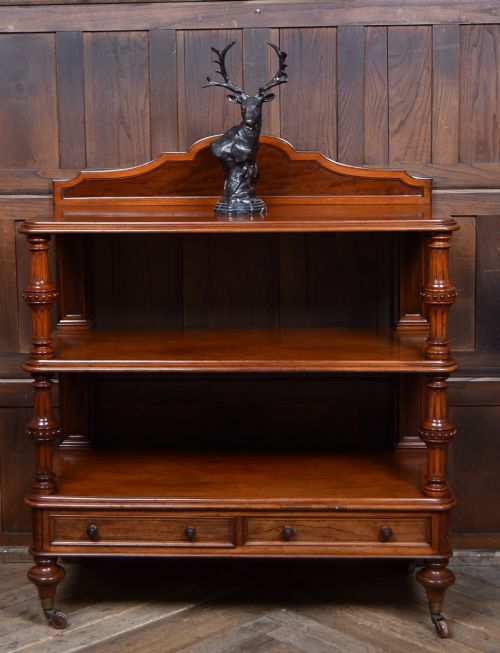
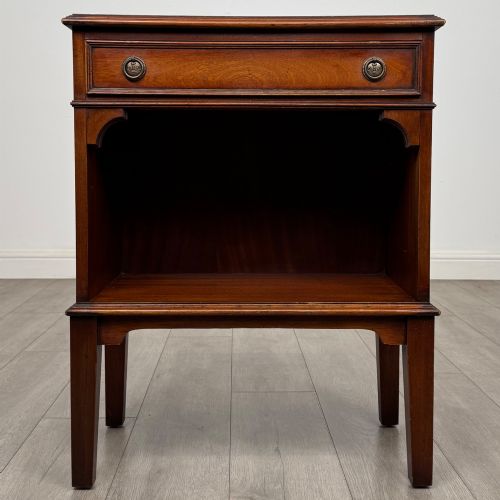
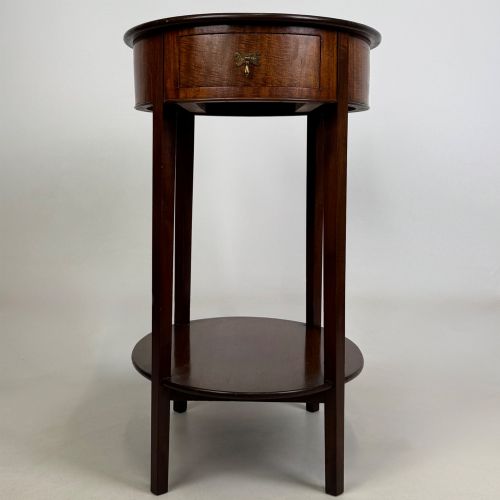
When searching for a mahogany shelf drawer, buyers find multi-tiered display furniture that integrates open shelving with enclosed storage or pull-out compartments. The selection spans tiered whatnots, bookcases, display cabinets, and side tables that incorporate fitted drawers into their timber architecture.
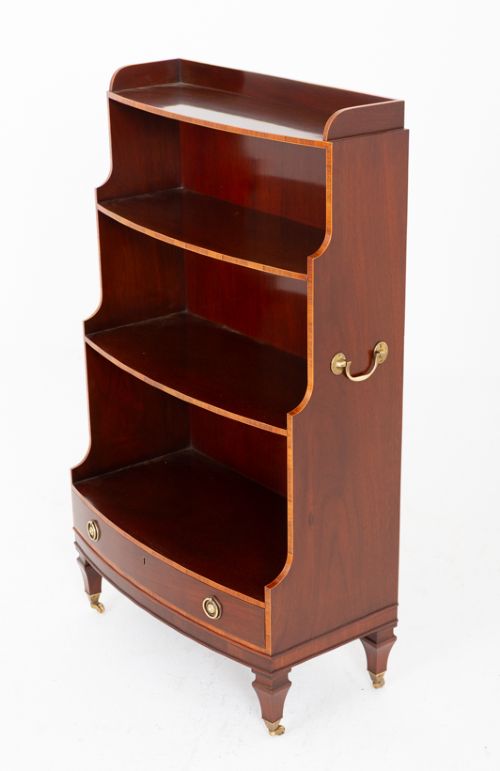
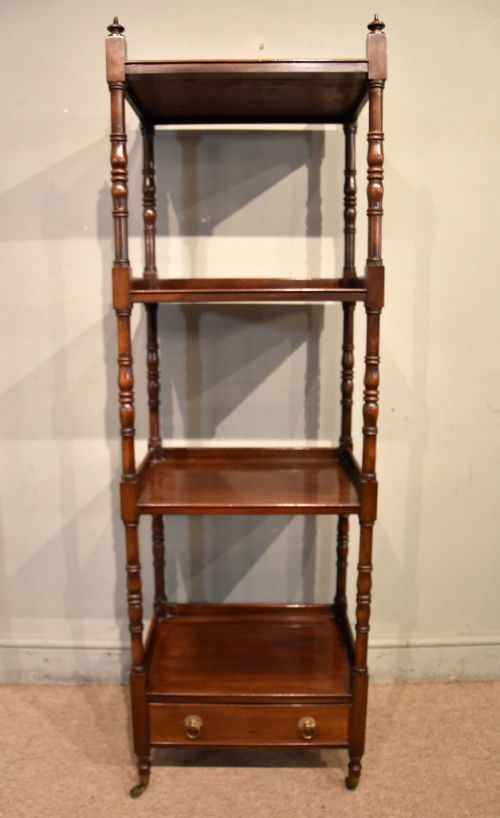
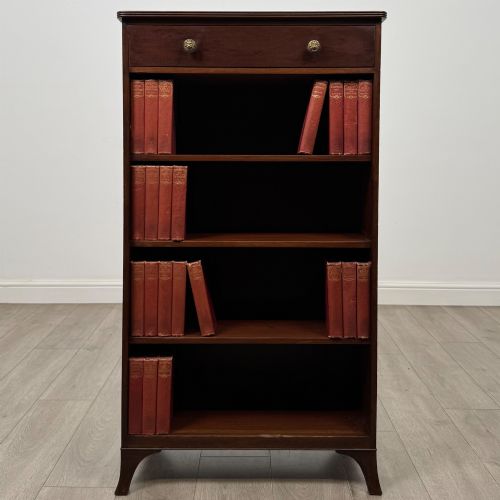
The versions most frequently met on this page include Victorian and Edwardian tiered whatnots featuring single drawers, alongside George III and Regency open bookcases or wall shelves fitted with small lower compartments. These hybrid forms evolved to display books, porcelain, and ornaments while keeping smaller items tidily concealed.
Originating primarily across the Georgian, Victorian, and Edwardian eras, these pieces reflect changing domestic habits where freestanding display furniture gained prominence in the parlour and library. Their forms range from slender wall-hanging racks to substantial four-tier étagères supported by turned or barley-twist columns.
Factors separating the finest pieces
Quality rests heavily on the selection of the mahogany timber itself, where rich, figured grain patterns and deep natural patination elevate a piece far above plain, utility-grade stock. The crispness of inlaid stringing, the precision of dovetail joints within the drawer, and the harmonious proportion of tier heights dictate the level of craftsmanship.
Subtleties in architectural detailing, such as turned gallery spindles, carved corbels, and well-executed mirror backs or panelled drawer linings, distinguish ambitious workshop production from simpler output. Structural integrity across multiple open shelves also matters, as heavy timber tiers require robust uprights to prevent sagging over decades of use.
Listings for mahogany shelf drawer variants feature styles spanning George III, Regency, William IV, Victorian, and Edwardian periods.
The Mahogany Shelf Drawer Glossary
- Whatnot
- An open multi-tiered piece of furniture designed for displaying ornaments, books, or china. These structures typically feature three or four shelves supported by slender columns.
- Étagère
- A French term for a set of cascading display shelves used interchangeably with the whatnot. They often incorporate a single small drawer at the base.
- Waterfall bookcase
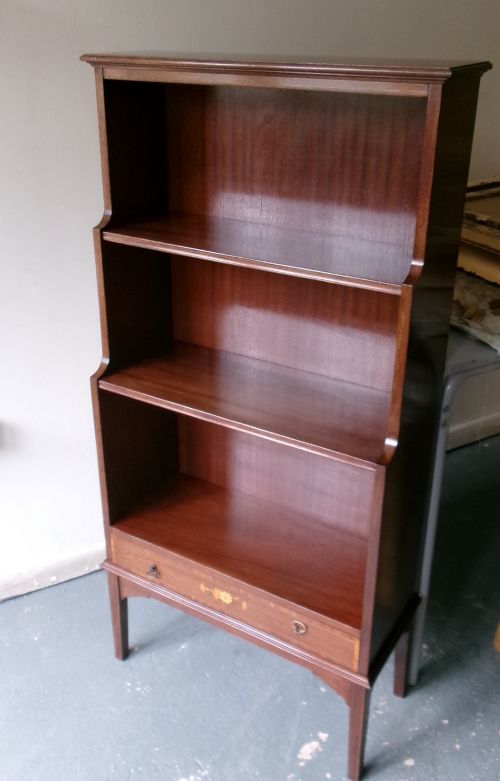
- A set of open shelves where each upper tier is shallower than the one below it, creating a stepped profile. This style gained popularity during the Regency and Edwardian periods.
- Dovetail
- A traditional wood joint formed by interlocking wedge-shaped fingers. This method secures drawer corners with exceptional tensile strength.
- Stringing
- A narrow inlay of contrasting wood, such as boxwood or satinwood, set flush into the mahogany surface. It creates fine decorative borders around panels and drawer fronts.
Mahogany Shelf Drawer: Frequently Asked Questions
What is a whatnot shelf?
A whatnot is an open shelving unit with multiple tiers designed specifically for displaying decorative objects and books. They usually stand upright on slender legs or columns and often include a small drawer.
First appearing in the Georgian period and remaining popular through the Victorian era, these pieces served both decorative and practical storage roles in the home.
How do you style a tiered shelf?
Tiered display shelves benefit from a balanced arrangement of objects varying in height, material, and colour. Placing books horizontally and vertically adds visual rhythm across the open levels.
Utilising the integrated drawer for smaller clutter keeps the surrounding display surfaces clean and uncluttered, maintaining the architectural lines of the timber.
Are these shelves sturdy enough for heavy books?
Freestanding shelves and bookcases constructed from solid mahogany generally offer robust support for standard volumes. However, multi-tiered whatnots with slender upright columns are better suited for lighter decorative items and ceramics.
Checking the rigidity of the upright supports and corner joints helps determine whether a specific piece can bear heavier weights safely.
How do I identify a Victorian whatnot?
Victorian examples frequently display darker mahogany tones, turned upright supports, and occasional decorative elements like mirror backs or barley-twist columns. They almost universally feature a small fitted drawer at the base or mid-section.
Construction details such as hand-cut dovetails on the drawer and traditional timber shrinkage offer reliable indicators of nineteenth-century manufacture.