




Mahogany Sabre Leg Table
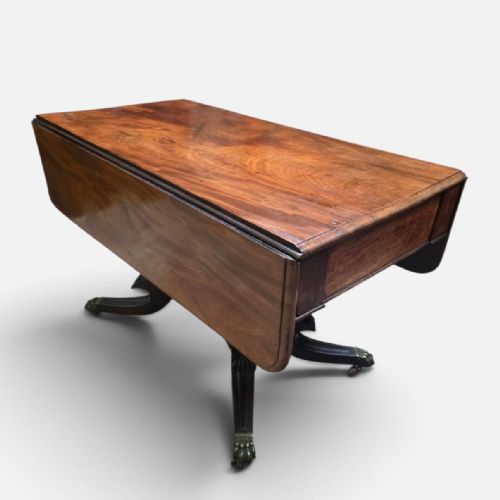
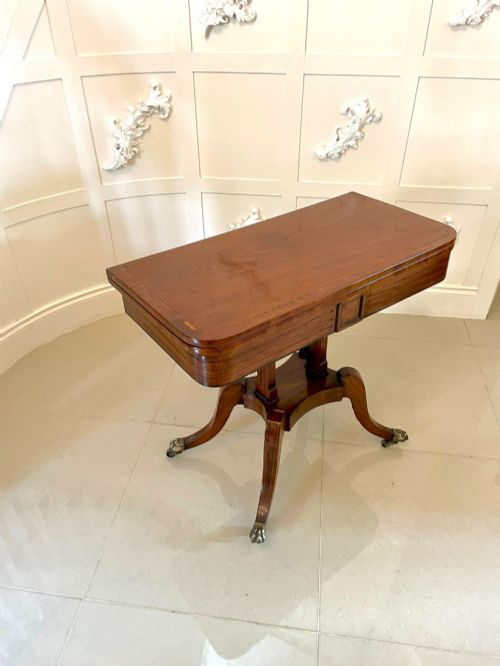
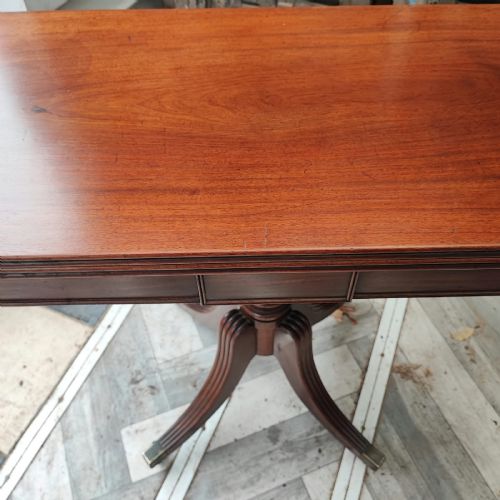
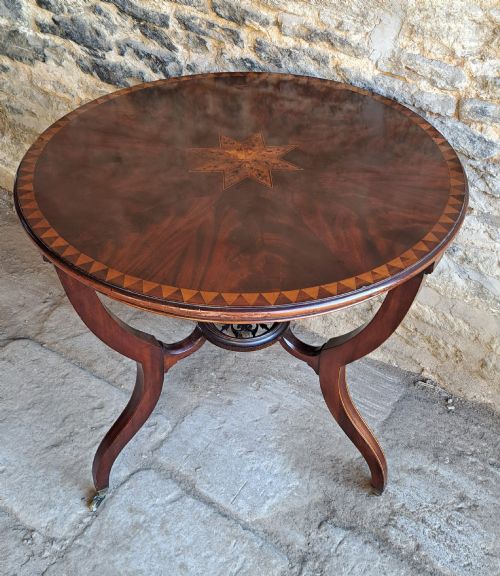
A mahogany sabre leg table offers the sweeping, curved support typical of the Regency period, providing both structural grace and practical surface space.
Mahogany Sabre Leg Table
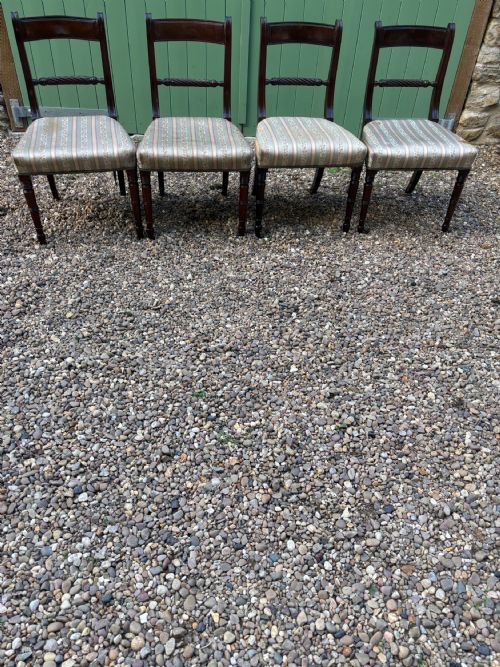
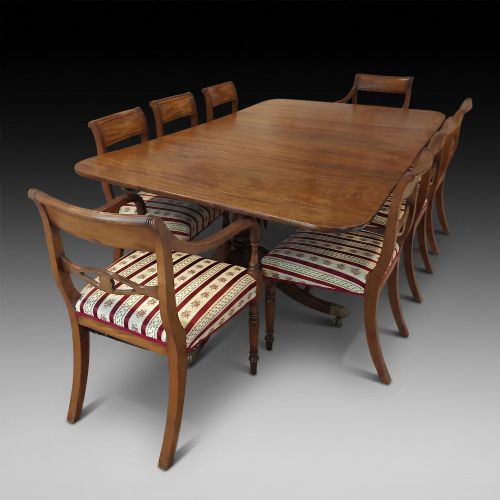
A mahogany sabre leg table typically appears from the Regency, Georgian, and 19th Century periods, encompassing forms designed for dining, card games, tea, and writing. When searching for a mahogany sabre leg table, buyers encounter formats ranging from Pembroke and sofa tables to twin pedestal dining tables and fold-over card tables. These pieces originate predominantly from the early 19th Century, reflecting the neoclassical tastes that favoured outward-curving supports.
What varies in quality
The choice of timber underpins the visual hierarchy, distinguishing plain mahogany boards from highly figured plum pudding mahogany or finely matched veneer panels. Superior examples display thoughtful grain selection across large surfaces such as sofa table tops and card table flaps.
Execution of detail defines the upper tier, seen in the crispness of inlaid brass work, delicate stringing, and the balanced sweep of the sabre legs themselves. The integration of functional elements, such as working drawers and stable pivoting mechanisms, separates standard utility pieces from fine cabinet work.
Mahogany Sabre Leg Table Retail Price Guide 2026
Typical asking prices for mahogany sabre leg table among the pieces listed under this phrase on Sellingantiques today, from the lower quarter to the upper quarter. They describe what is for sale here now, not the wider market.
Listings feature mahogany, satinwood, rosewood, and brass, spanning the Georgian, Regency, and 1930s periods.
Gillingtons Dublin
The Mahogany Sabre Leg Table Glossary
- Sabre leg
- A concave sweeping leg that tapers towards the foot, characteristic of Regency furniture design and inspired by classical Greek and Roman seating. It provides sturdy support while maintaining a slender profile.
- Crossbanding
- A strip of veneer applied perpendicularly to the grain of the main surface, often bordering table tops or drawer fronts. This technique creates a distinct visual frame using contrasting wood grains.
- Pembroke table
- A small rectangular table with hinged drop leaves on either side, supported by pivoting brackets. It was widely used as a breakfast or occasional table during the Georgian and Regency eras.
- Sofa table
- A rectangular occasional table designed to stand in front of or beside a sofa, typically featuring drop leaves and two small drawers in the frieze. They emerged in the late 18th Century and remained popular through the Regency period.
- Tilt-top table
- A table featuring a mechanism that allows the top to pivot into a vertical position when not in use, saving space in smaller rooms. These were commonly produced as breakfast or occasional tables.
Mahogany Sabre Leg Table: Frequently Asked Questions
What is a sabre leg?
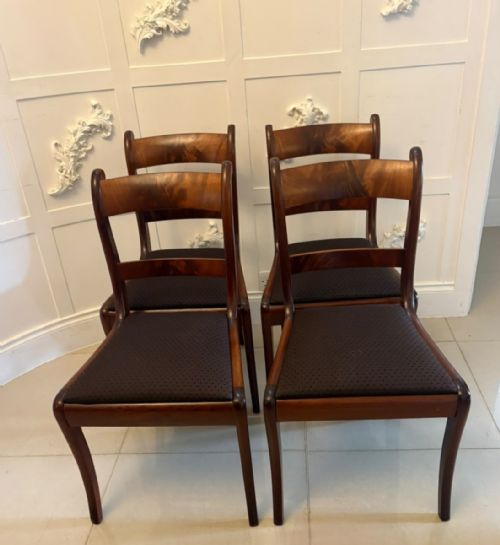
A sabre leg is a concave, outward-curving support that tapers gently toward the base, drawing inspiration from classical antiquities. Cabinet makers favoured this profile during the Regency period to impart a sense of lightness and movement to heavy timber furniture.
This form appears frequently on card tables, tea tables, and small dining chairs from the early 19th Century. The curve requires careful timber selection to ensure structural integrity along the grain.
How were card tables used?
Card tables served as multi-functional furniture in Regency drawing rooms, remaining folded against a wall when not in use and opened up for evening games of whist or conversation. The hinged top typically rotated or unfolded to reveal a baize-lined playing surface.
Many examples feature clever D-shaped or console configurations that double as side tables during the day. Their dual nature made them essential pieces for entertaining in period homes.
How do I identify a Regency table?
Regency tables are characterised by classical restraint, architectural proportions, and a preference for dark, rich timbers like mahogany supplemented by rosewood or satinwood. Details such as brass inlay, reeded columns, and sabre legs point directly to this early 19th Century aesthetic.
Makers of this era drew heavily on ancient Greek, Roman, and Egyptian motifs, moving away from the more ornate carved flourishes of earlier Georgian furniture towards clean, sweeping lines.
How do I care for a mahogany table?
Maintaining an antique mahogany table involves protecting the polished surface from direct sunlight, excessive heat, and moisture to prevent fading and timber movement. Regular dusting with a soft, dry cloth preserves the lustre without building up heavy wax residues.
Environmental stability in the room helps prevent the timber and secondary veneers from drying out or splitting. Gentle cleaning with appropriate furniture waxes maintains the depth of the nineteenth-century finish.