


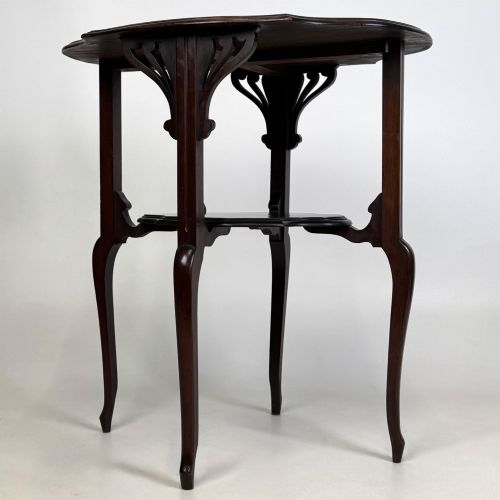
Mahogany Lamp Stand Table
Mahogany lamp stand table forms combine utility with elegance, offering compact surfaces that suit traditional rooms.
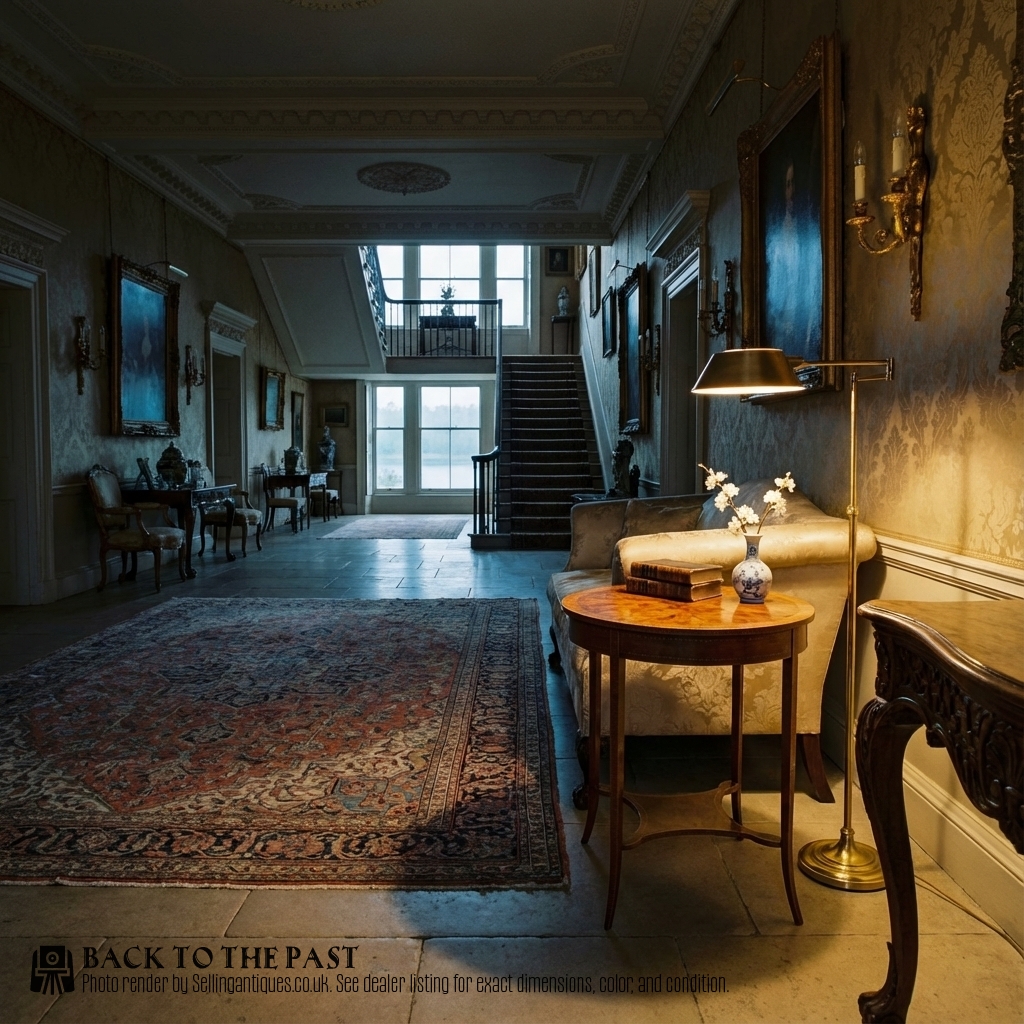
Mahogany Lamp Stand Table
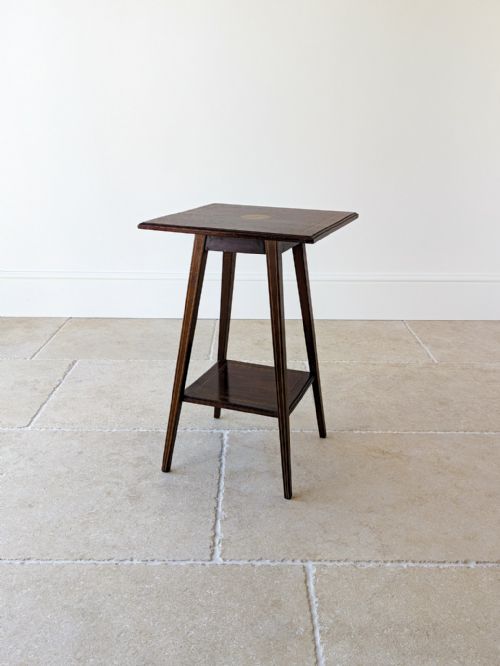
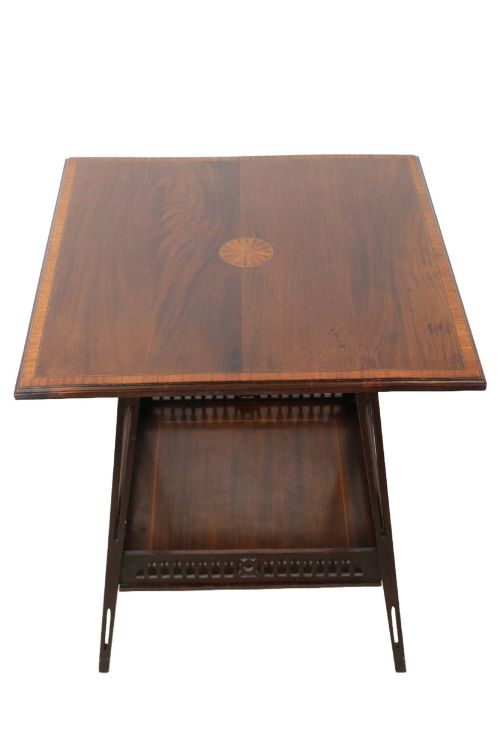
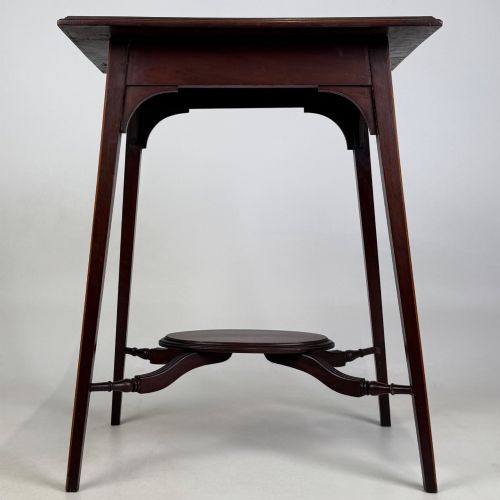
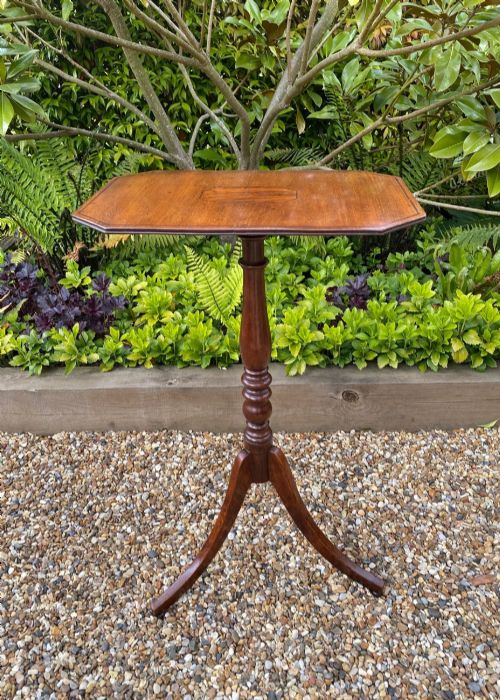
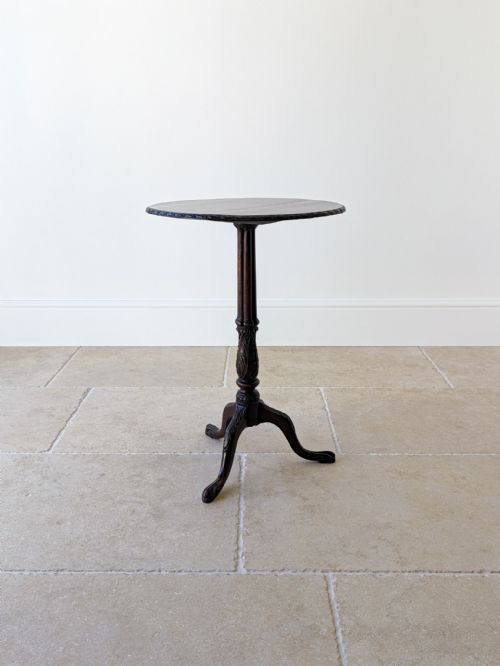
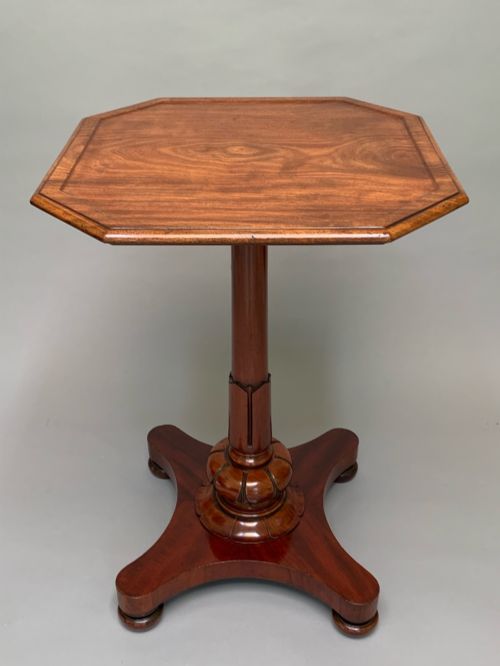
A mahogany lamp stand table serves as a versatile piece designed to hold lighting, drinks, or small decorative items within domestic spaces. When searching for a mahogany lamp stand table, buyers encounter formats spanning the Georgian, Victorian, and Edwardian periods.
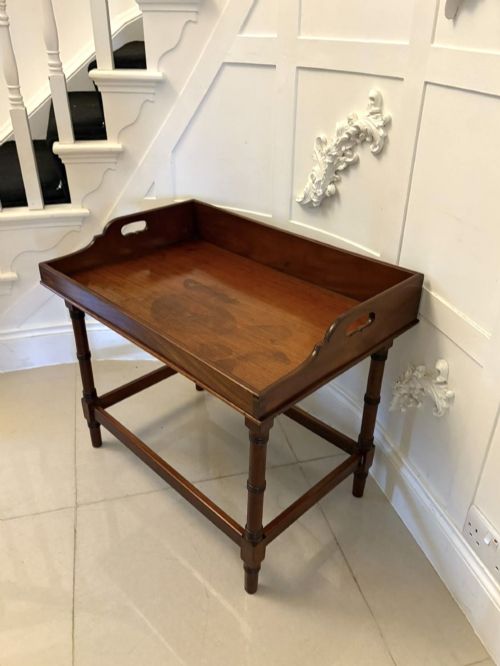
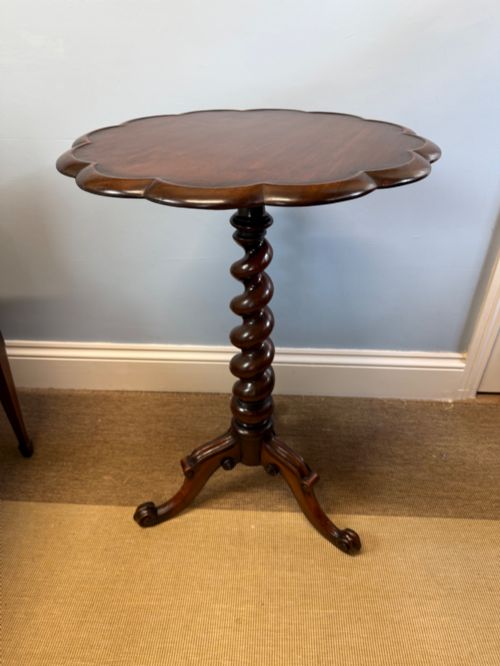
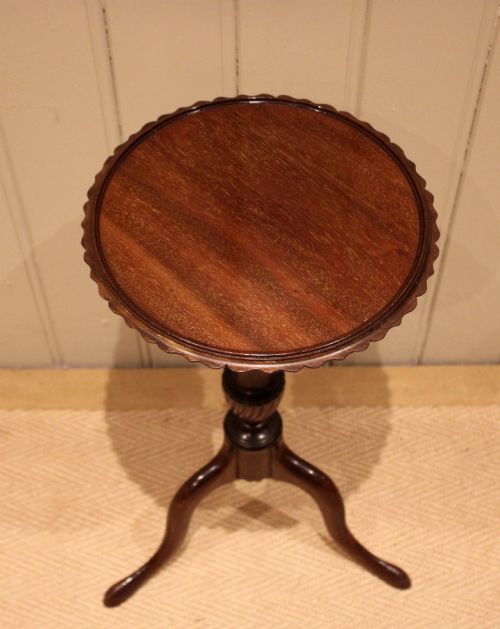
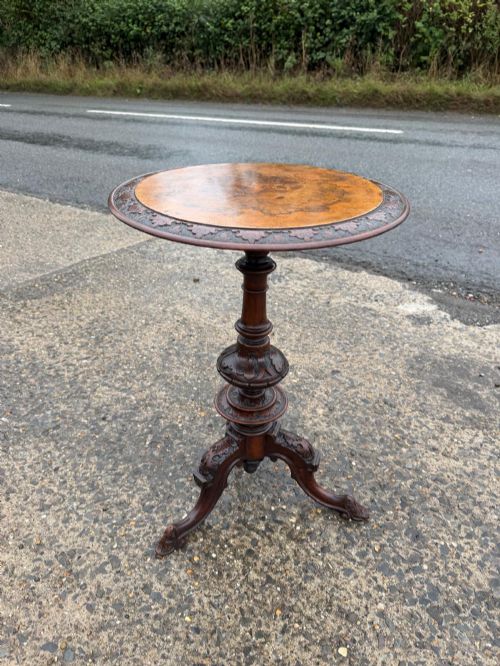
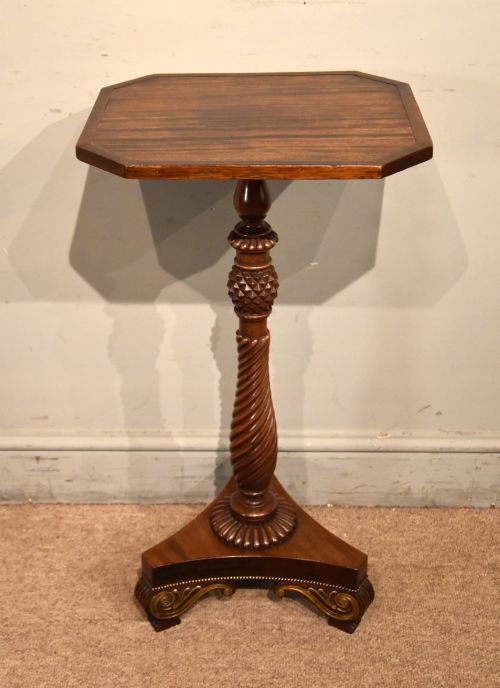
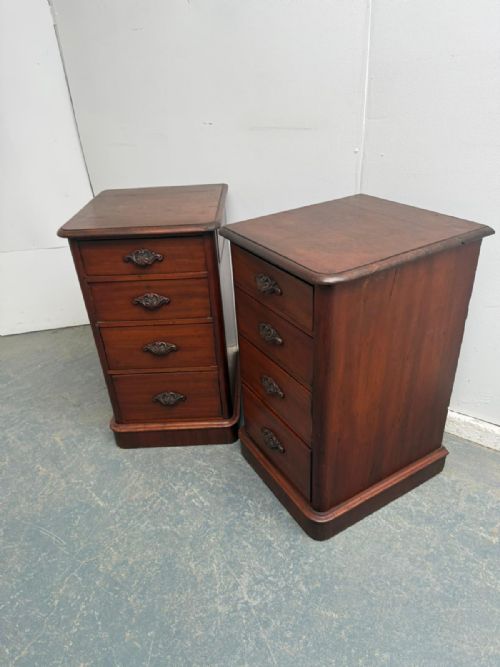
The inventory on this page ranges from tripod wine tables and tilt-top surfaces to bedside cabinets and occasional side tables. Edwardian and 19th-century interpretations appear frequently, demonstrating the enduring utility of these timber tables across multiple decades.
How they were made
Cabinet makers utilised solid mahogany and mahogany veneers, often pairing the rich timber body with brass fittings, satinwood, or boxwood inlay. Tripod bases provide stability for small tabletops, whilst tilt-top mechanisms allow tables to be stored flat against walls when not in use.
Surface decoration frequently includes fine wood inlay, marquetry, and carved detailing along the edges or pedestal columns. Waxed finishes protect the timber whilst enhancing the natural grain patterns characteristic of quality mahogany furniture.
Some ingenious Victorian examples include adjustable heights so your afternoon tea level matches your chair precisely.
What varies in quality
The refinement of the timber and the crispness of any inlaid boxwood or satinwood distinguish superior examples from standard utility pieces. Proportion and balance in the turning of the central pillar or tripod legs dictate the visual harmony of the table.
Integration of clever mechanisms, such as smooth tilt-top catches or sturdy adjustable columns, separates high-end workshop output from simpler domestic furniture.
Trevor Page & Co·Druce & Co London
The Mahogany Lamp Stand Table Glossary
- Tripod table
- A small freestanding table supported by three pillar legs branching from a central column. This format gained popularity during the Georgian period for flexibility in domestic rooms.
- Tilt-top
- A hinged tabletop mechanism allowing the surface to rotate into a vertical position for compact storage. This clever engineering is frequently found on smaller wine and candle stands.
- Inlay
- A decorative technique where contrasting woods such as boxwood or satinwood are inserted into recesses within the mahogany surface. It creates geometric patterns or floral motifs.
- Torchere
- A tall, slender stand originally designed to hold a candle or torch, later adapted to support electric lamps or plant pots. They often feature carved columns and circular tops.
- Marquetry
- Elaborate veneer work forming decorative pictures or patterns using various tinted woods. It elevates the visual interest of occasional table surfaces.
Mahogany Lamp Stand Table: Frequently Asked Questions
What is a mahogany lamp stand table used for?
These compact tables traditionally hold reading lamps, small decorative objects, or bedside drinking water.
Their modest footprints allow them to fit easily beside armchairs, sofas, or beds without dominating a room.
How do I date a mahogany lamp stand table?
Dating relies on observing construction methods, timber choice, and stylistic cues from periods like Georgian, Victorian, or Edwardian.
Earlier pieces often feature hand-cut joints and heavy solid mahogany, whilst later Edwardian examples incorporate delicate inlay and lighter framing.
Are these tables stable enough for heavy lamps?
Tripod bases distribute weight evenly across three feet, providing reliable support for standard table lamps.
Heavier or wider lamp bases pair best with four-legged occasional tables or heavier pedestal designs from the Victorian era.
What is the difference between a wine table and a lamp table?
Wine tables historically featured small circular tops specifically for holding drinking vessels during evening gatherings.
Over time, the terms merged as buyers repurposed these small wooden surfaces to accommodate electric lamps.