


Mahogany Jewellery Table
A mahogany jewellery table organises and displays precious personal items beneath glass, bringing refined craftsmanship and visible storage into any room.
Mahogany Jewellery Table
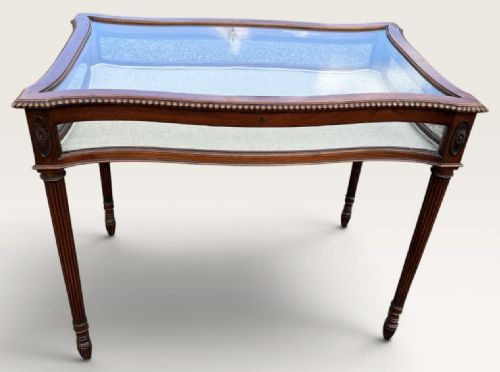
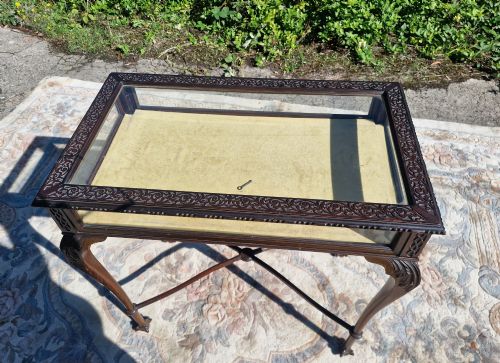
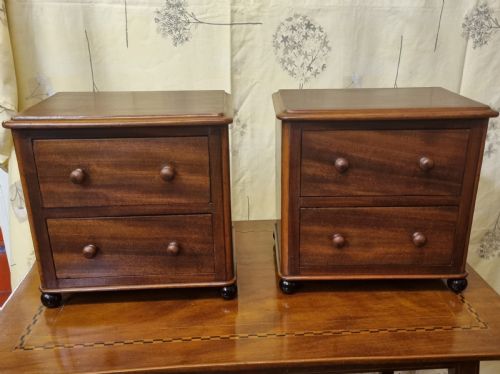
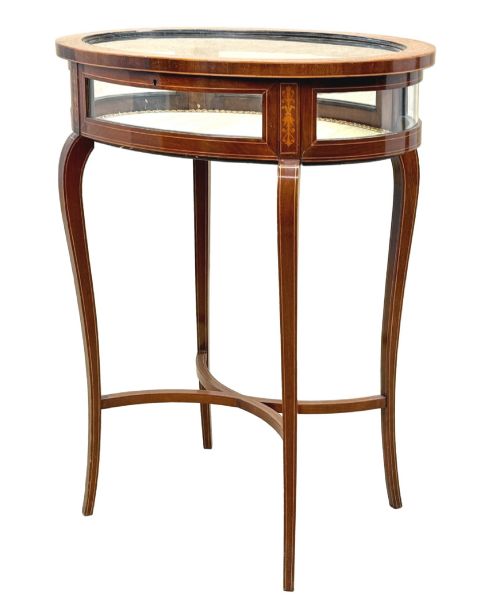
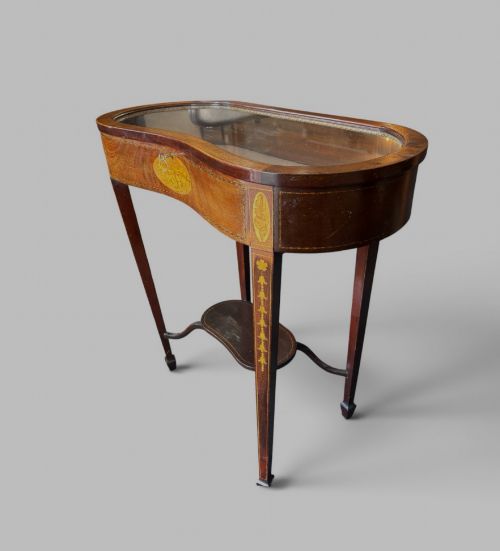
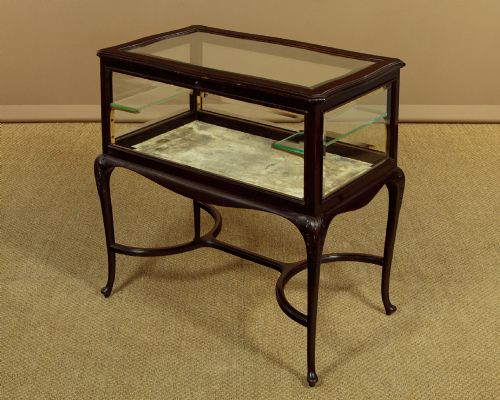
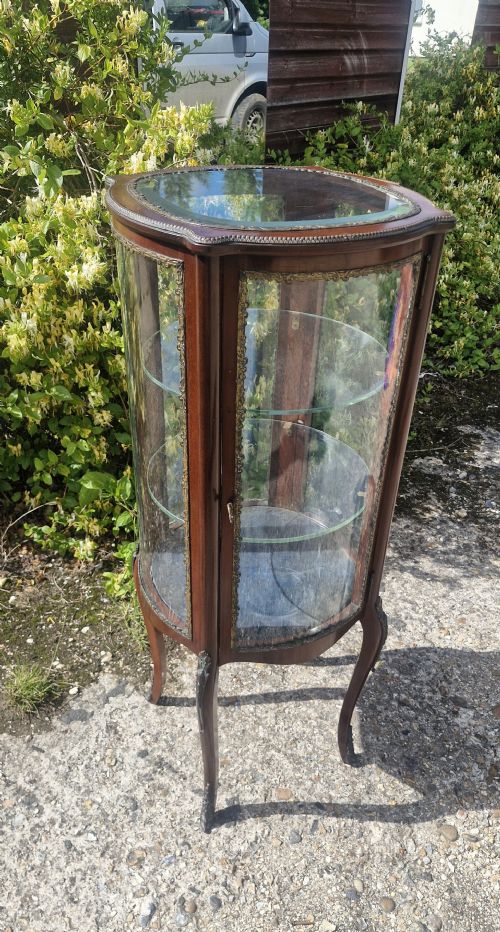
When searching for a mahogany jewellery table, buyers encounter varied display pieces designed to showcase small treasures beneath glass surfaces. The selection ranges from tabletop cabinets and chests to freestanding bijouterie tables and vitrines originating across the nineteenth and twentieth centuries.
Edwardian and Victorian examples appear frequently, often taking serpentine or oval shapes intended for drawing rooms and boudoirs. Pieces from these periods incorporate hinged lids or glazed panels specifically created for viewing collections of jewellery and curiosities.
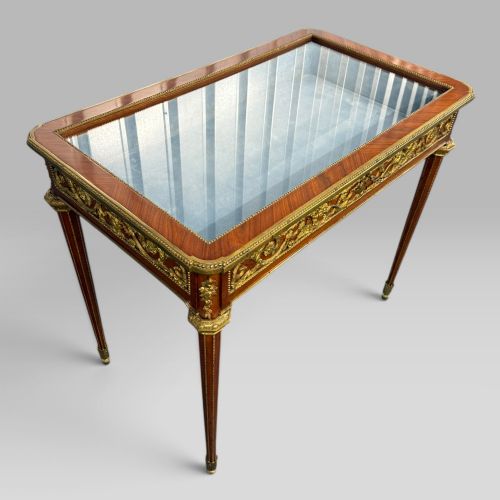
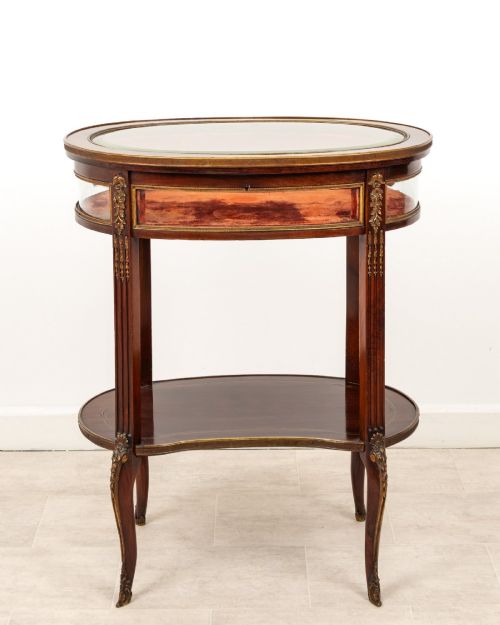
French revival styles, including Louis XV and Louis XVI designs, also emerge among the listings, alongside compact Regency miniatures and tabletop boxes. These diverse forms share a common purpose of combining timber cabinetry with transparent display spaces.
Materials and construction techniques
Makers constructed these cabinets using solid mahogany carcasses, frequently embellished with contrasting satinwood or marquetry inlay to create decorative geometric or floral motifs. Brass and ormolu mounts, hinges, and glazed lids define the construction of French-influenced and English pieces alike.
Interiors often feature fitted velvet or fabric linings designed to protect delicate items placed on display. Glazing secured within timber frames allows light into the display cavity while keeping contents secure.
Some vintage display tables bear later sign-written details for Breitling watches, suggesting they once traded timepieces rather than rings.
Elements distinguishing finer examples
The refinement of the timber and the precision of any inlay set individual pieces apart, with intricate marquetry and careful grain selection marking out superior workshops. Ormolu and brass mounts that fit flush to the mahogany carcass demonstrate greater attention to detail than cast metalwork applied carelessly.
The integration of the glazed top with the opening mechanism influences the overall character of the piece, where smooth action in the hinges and locks reflects the original maker's standard of construction.
Edwards and Roberts·François Linke·Gillows
The Mahogany Jewellery Table Glossary
- Bijouterie table
- A glass-topped display table specifically designed for showing small ornaments, medals, and jewellery. These pieces usually feature a glazed hinged lid and fabric-lined interior.
- Vitrine
- A glass-fronted or glass-topped display cabinet intended for the exhibition of valuable objects. They appear in both freestanding and tabletop formats across nineteenth-century rooms.
- Ormolu
- Gilt bronze mounts applied to furniture for decorative effect, frequently seen on French-style nineteenth-century pieces. The technique involves applying a gold amalgam to bronze.
- Marquetry
- Decorative veneer patterns applied to a furniture surface using different coloured woods, shells, or other materials. Craftsmen cut these elements precisely to form pictorial or geometric designs.
- Cheval mirror
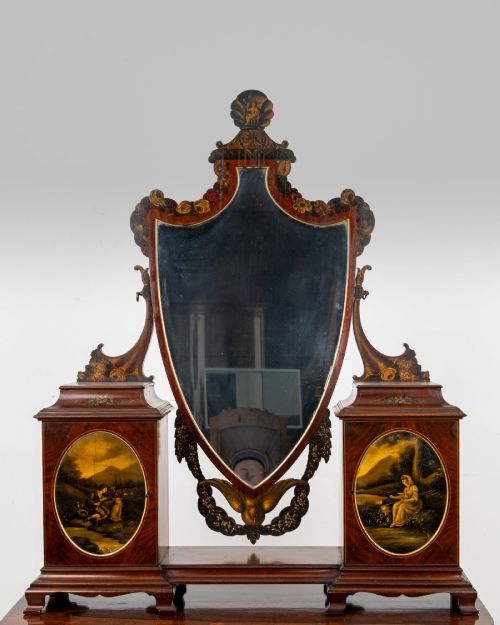
- A freestanding full-length mirror that tilts within a frame, occasionally combined with cabinet or jewellery storage compartments in table-top variants.
Mahogany Jewellery Table: Frequently Asked Questions
What are bijouterie tables?
Bijouterie tables are specialised display furniture featuring glazed tops and lined interiors designed to showcase personal collections of jewellery and small valuables.
Cabinetmakers built them to sit comfortably in reception rooms and boudoirs where owners could inspect their treasures without opening protective cases.
How do I date a mahogany jewellery table?
Dating relies on observing stylistic markers such as Edwardian inlay work, Victorian proportions, or earlier Regency cabinet architecture.
Examining secondary timbers inside drawers and the specific casting of brass or ormolu mounts also helps establish the era of manufacture.
How do I care for velvet interiors?
Caring for original fabric or velvet linings involves gentle dusting with a soft brush and avoiding direct sunlight to prevent fading.
Keeping the interior dry preserves the structural integrity of both the lining and the surrounding mahogany timber.