

Mahogany Floral Marquetry
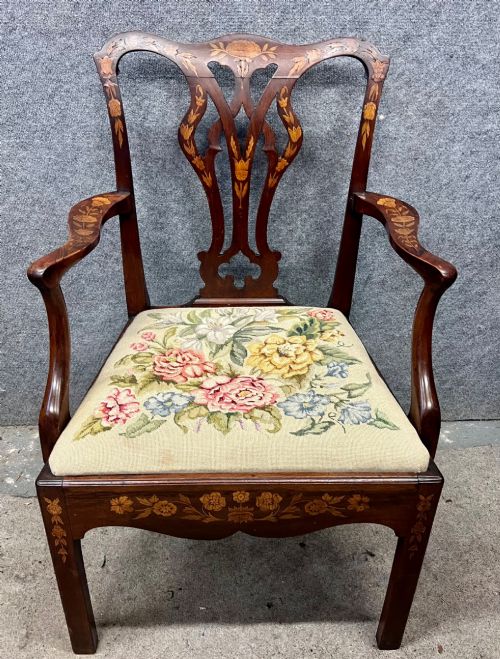
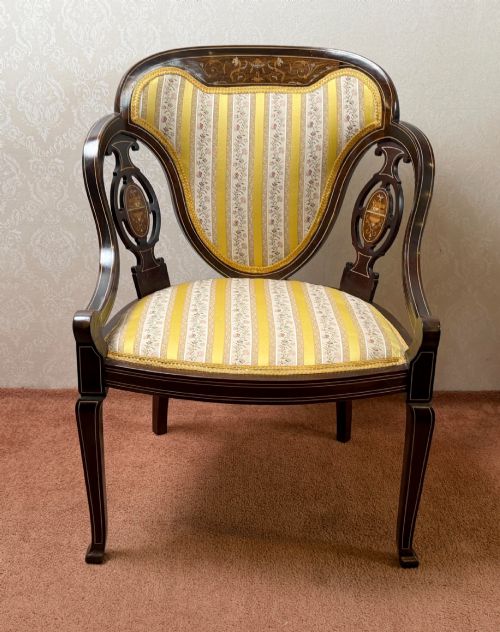
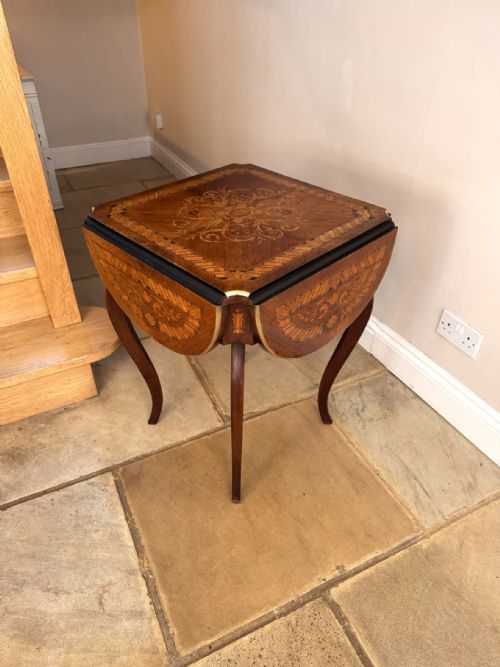
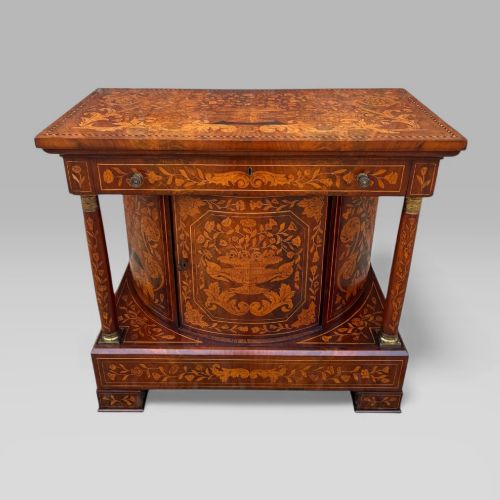
Mahogany floral marquetry pieces bring together rich timber and intricate botanical inlays to transform ordinary rooms into disciplined spaces of pattern.
Mahogany Floral Marquetry
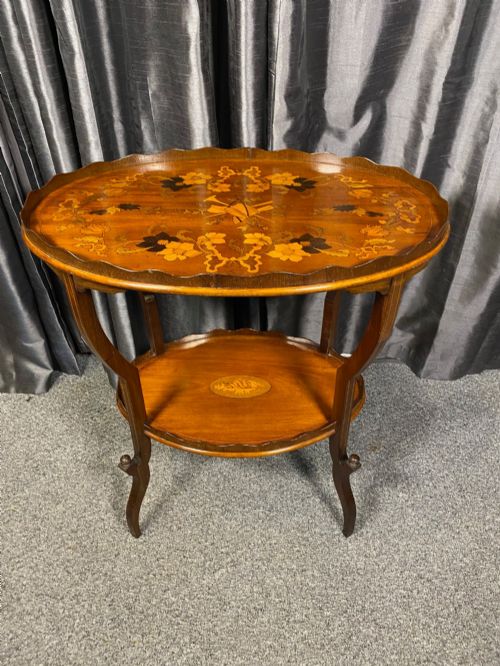
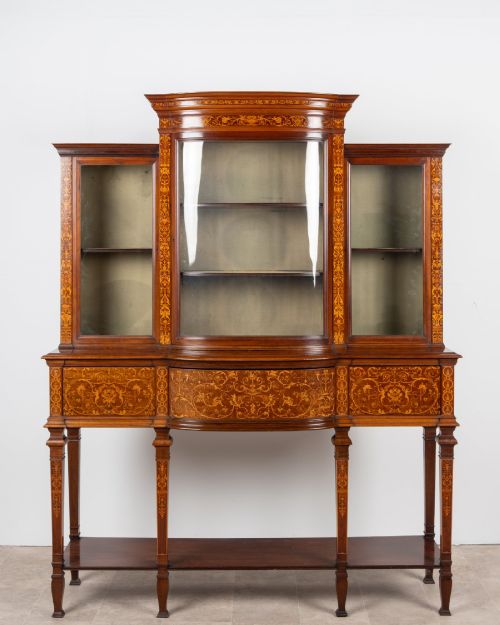
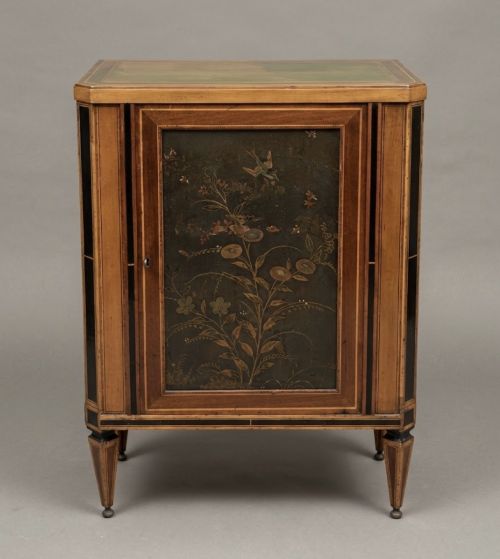
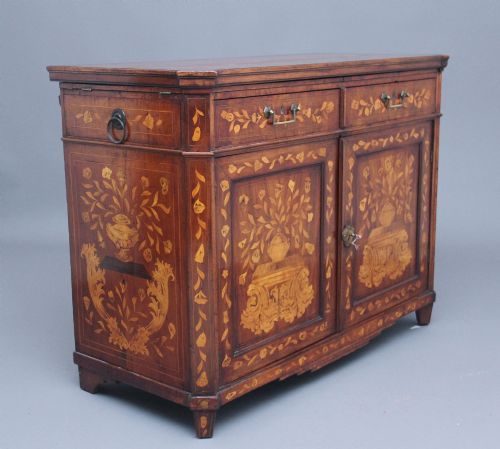
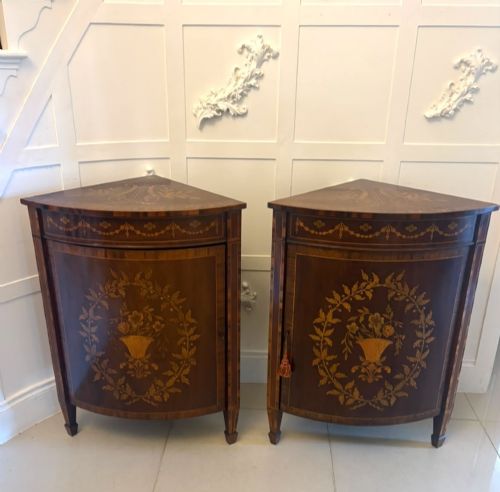
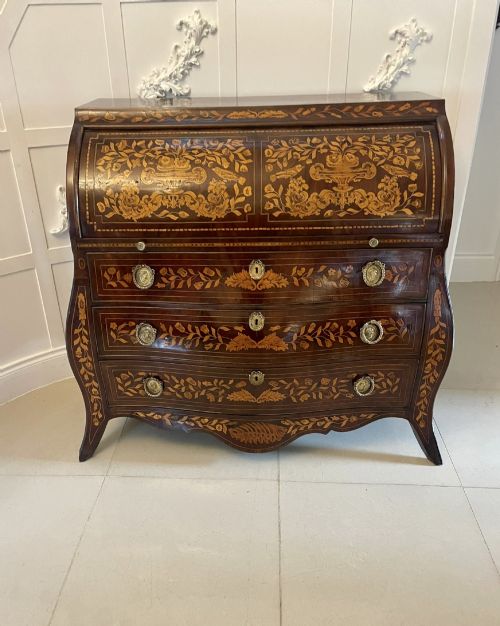
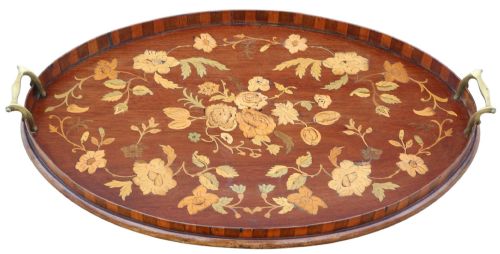
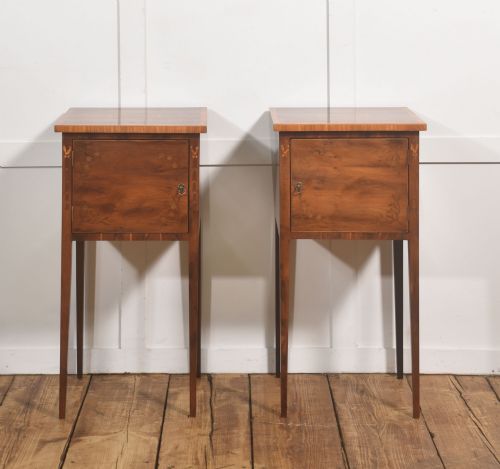
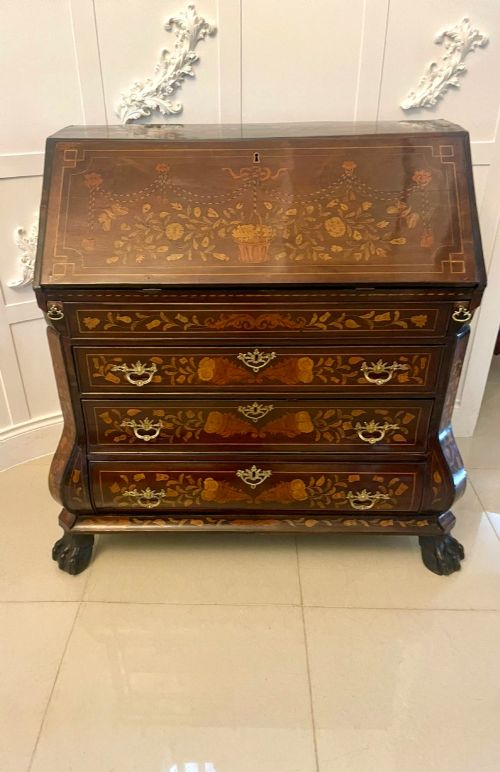
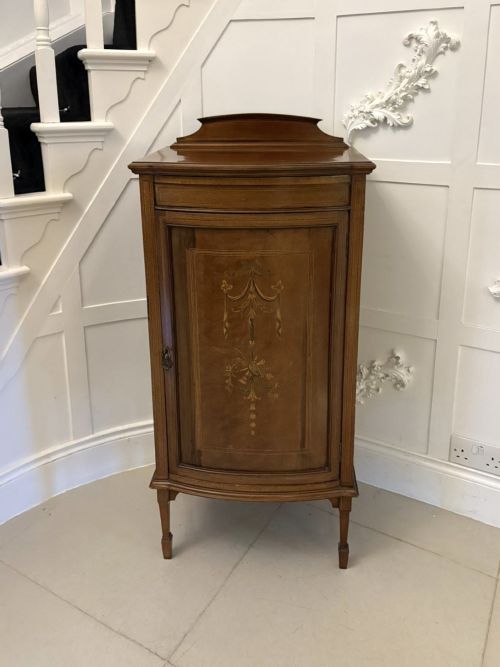
Dutch makers and English cabinet makers dominate the forms seen here, producing bombe shapes, bow-front chests, and corner cabinets. Eighteenth-century Dutch examples display deep floral panels, whilst later Edwardian and Victorian pieces utilise refined satinwood, boxwood, and fruitwood inlays across smaller occasional tables and desks.
How they were made
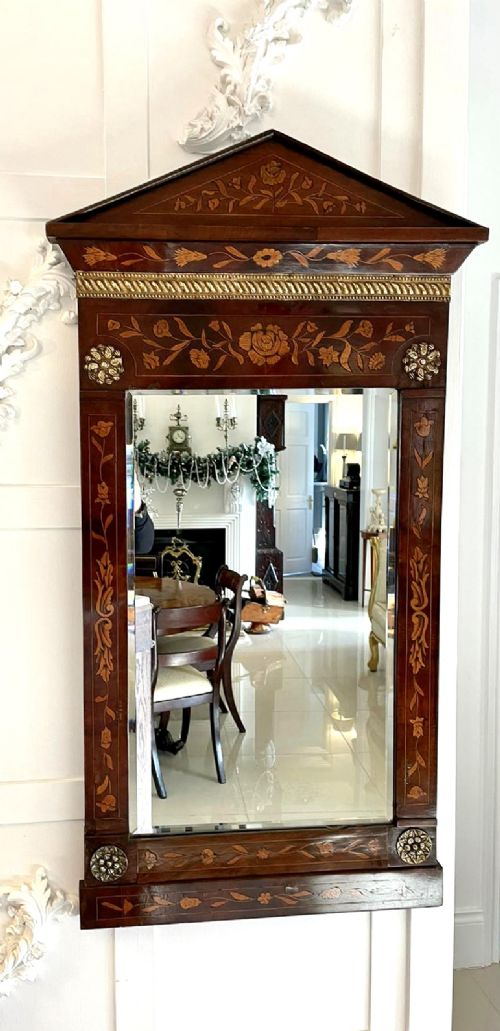
Craftsmen built the primary carcase using solid mahogany, applying veneer surfaces to the main structural panels to receive the pictorial designs. Artisans then cut contrasting timbers such as satinwood, boxwood, fruitwood, and bone into delicate floral motifs.
The cut veneers were fitted together by hand into paper templates before being pressed into recessed channels within the mahogany ground. Engraved lines added detail to the petals and leaves, completing the botanical composition before final polishing.
Mahogany Floral Marquetry Retail Price Guide 2026
Typical asking prices for mahogany floral marquetry among the pieces listed under this phrase on Sellingantiques today, from the lower quarter to the upper quarter. They describe what is for sale here now, not the wider market.
Current listings demonstrate Dutch marquetry spanning from the eighteenth century into the Victorian era, executed primarily on mahogany.
What varies in quality
The precision of the veneer cutting and the botanical shading separate superior marquetry from simpler production work. Finer items employ subtle burning techniques on the wood to create naturalistic depth within the floral petals rather than flat silhouettes.
The choice of secondary timbers and the crispness of the mahogany grain structure dictate the integrity of the piece. Stronger workshops maintained strict alignment in the grain and selected balanced satinwood or fruitwood contrasts that withstand age without lifting.
Hewetsons London
The Mahogany Floral Marquetry Glossary
- Marquetry
- The art of forming decorative patterns by fitting together thin slices of wood veneer onto a structural carcase. This technique allows intricate pictorial scenes of flowers and foliage to cover flat and curved surfaces.
- Bombe
- A swollen or bulging convex shape utilised on the fronts and sides of eighteenth-century chests and bureaux. This contour demands advanced cabinet-making skill to apply fitted floral veneers smoothly across the curves.
- Satinwood
- A lustrous yellow timber utilised extensively for contrasting inlays and banded borders. Its bright grain provides the necessary highlight to define floral stems and petals against dark mahogany.
- Cylinder bureau
- A writing desk featuring a rotating quarter-cylinder shutter that conceals fitted interior drawers and a sliding writing surface. The curved tambour front often carries continuous floral marquetry across its face.
- Demi-lune
- A half-moon shape applied to console tables and serving surfaces designed to stand flush against walls. These pieces frequently incorporate fan motifs and floral arrangements along the curved frieze.
Mahogany Floral Marquetry: Frequently Asked Questions
How do I date a marquetry cabinet?
Cabinet construction methods, carcass timbers, and the style of the floral motifs indicate the period of manufacture. Eighteenth-century pieces often feature oak linings and deeper, more elaborate Dutch pictorial scenes, whilst Edwardian revivals utilise lighter construction and crisper satinwood contrasts.
Examining the underside and drawer linings reveals secondary woods that help narrow down the decade. Hand-cut dovetails and older fixings point to Georgian origins, whereas machine-sawn elements signal later nineteenth-century or Edwardian production.
Where were these pieces used originally?
These decorative items furnished formal reception rooms, parlours, and private drawing rooms where wealth and taste were displayed to visitors. Serving trays remained in domestic dining quarters, while display cabinets housed porcelain collections.
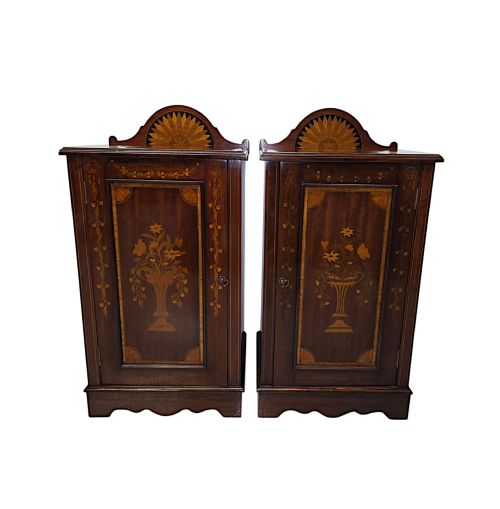
Smaller items like occasional tables and bedside cupboards served intimate bedrooms or boudoirs. Their intricate floral surfaces were intended to catch the candlelight during evening gatherings.
How do I clean floral marquetry?
Dusting with a soft, dry cloth prevents particulate accumulation from settling into the micro-fissures between the inlaid veneer sections. Moisture should be avoided entirely to prevent the animal glues beneath the fruitwood and boxwood from releasing.
Occasional application of pure beeswax preserves the sheen of the mahogany without sealing the wood pores. Avoid modern silicone sprays, which leave chemical residues that damage historic French polish.
What is the difference between inlay and marquetry?
Inlay involves carving a recess into a solid wood surface and gluing a contrasting piece of material directly into that cavity. Marquetry assembles an entire pictorial mosaic of veneers on a background sheet before applying the complete sheet to the carcase.
Floral marquetry compositions require the latter technique to interlock multiple species of fruitwood, satinwood, and bone. This method achieves complex botanical shading impossible through simple inlaying.