




Mahogany Drop in Seats
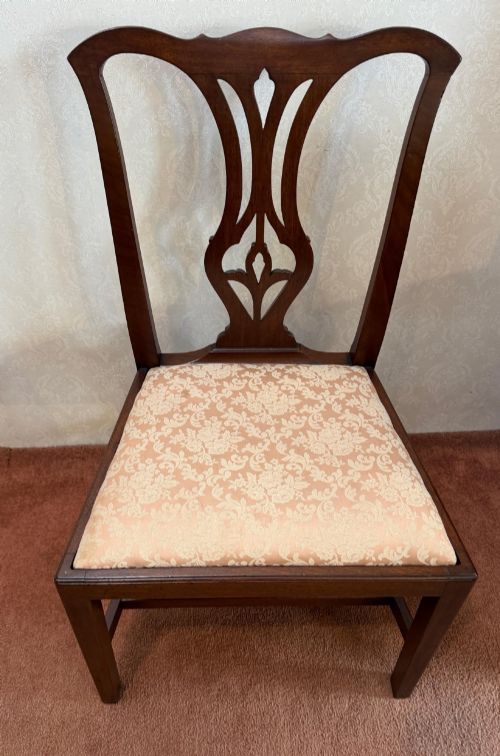
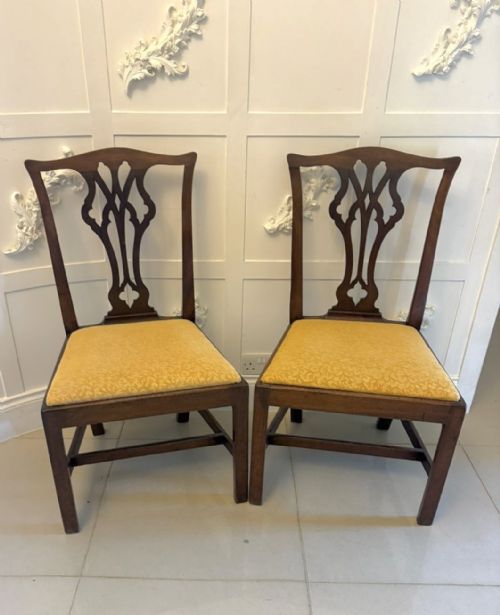
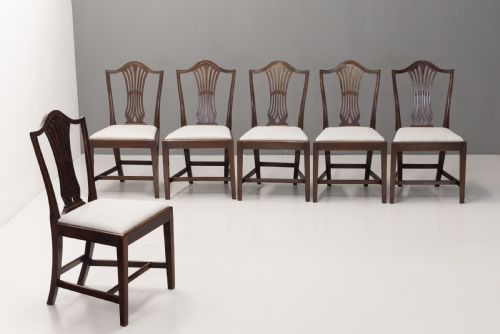
When you search for mahogany drop in seats, you are looking at timber dining chairs and tables built with removable upholstered pads.
Mahogany Drop in Seats
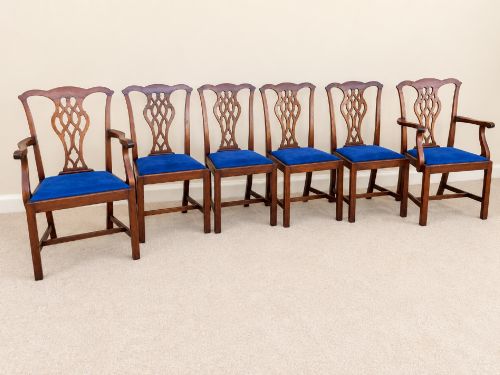
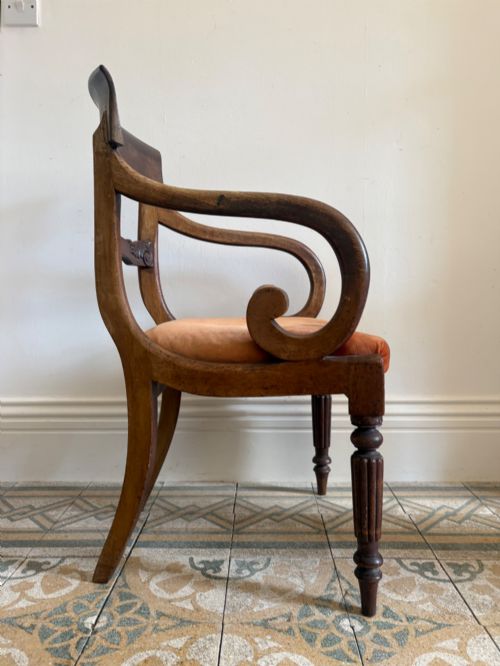
Mahogany drop in seats primarily encompass dining chairs, side chairs, and armchairs designed with a separate, removable frame upholstered for sitting. These pieces appear frequently across Georgian, Regency, and Victorian periods, alongside later revival styles from the early twentieth century.
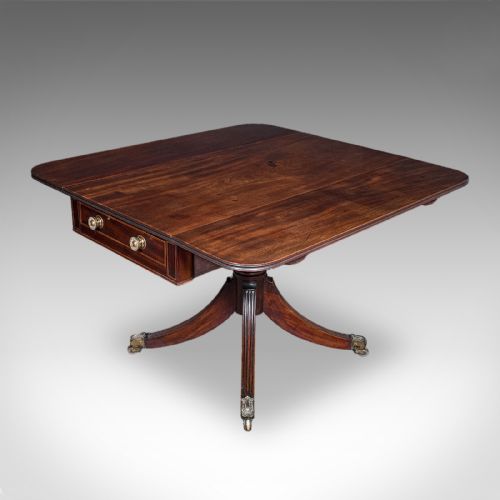
Beyond individual chairs, the search returns various mahogany tables such as drop leaf, pembroke, and extending dining tables that often accompanied these seating sets. The core of the selection centres on seating furniture where the padded slip seat lifts directly out from the wooden rail.
How They Were Made
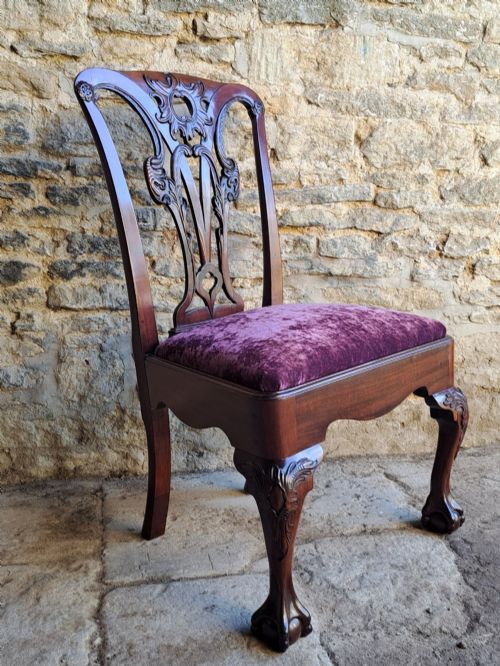
Cabinet makers utilised dense imported mahogany for the structural frames, often shaping the timber into vase splats, cabriole legs, or scroll backs. The drop in seat itself consists of a separate wooden or composite frame shaped to fit the chair rails precisely.
Upholstery materials secured over these frames include fabric, leather, velvet, textile, and needlework, sometimes underpinned by traditional webbing and stuffing. Brass fixings and corner blocks occasionally reinforce the supporting framework beneath the seat pad.
Mahogany Drop in Seats Retail Price Guide 2026
Typical asking prices for mahogany drop in seats among the pieces listed under this phrase on Sellingantiques today, from the lower quarter to the upper quarter. They describe what is for sale here now, not the wider market.
Listings feature mahogany dining furniture spanning from 1750 through the Georgian, Regency, and Victorian eras into early twentieth-century Edwardian pieces.
What Varies in Quality
The standard of timber selection and carving depth dictates much of the distinction between ordinary production and finer examples. High quality chairs exhibit carefully figured mahogany grain, crisp hand-carved details on the splats or knees, and precise joinery in the frame.
Construction methods also set pieces apart, particularly the snugness of the drop in seat within the rebate and the integrity of the internal corner blocks. Later revival pieces built during the Edwardian era contrast with eighteenth-century originals through machine-cut precision rather than hand-finished pegging.
William Walker And Sons
The Mahogany Drop in Seats Glossary
- Drop in seat
- A removable upholstered frame that fits into a recess within a chair's seat rails. This design allowed for straightforward reupholstery without dismantling the main chair structure.
- Cabriole leg
- A furniture leg that curves outward at the knee and tapers inward toward the foot, echoing animal limbs. It gained widespread popularity during the eighteenth century.
- Vase splat
- A central vertical wooden strip within a chair back shaped like a classical vase. It provides both structural support and decorative profile.
- Gate leg table
- A table with hinged leaves supported by swing-out legs that pivot outward like a gate. This mechanism allows the table surface to expand or contract.
- Pembroke table
- A small rectangular table featuring two drop leaves on opposing sides and a single drawer. It was traditionally used as a breakfast or occasional table.
Mahogany Drop in Seats: Frequently Asked Questions
How do I clean the fabric on a drop in seat?
Surface dust can be removed using a soft brush or a low-suction vacuum attachment designed for upholstery. Avoid using excessive moisture or harsh chemical cleaners that might penetrate the stuffing or stain the surrounding mahogany frame.
For stubborn marks, consult a professional textile restorer rather than attempting wet cleaning at home. Protecting the fabric helps preserve both the textile and the underlying wooden rebate.
Are these chairs comfortable for daily dining?
Most antique dining chairs offer a firm sit compared to modern cushioned seating, reflecting the padding styles of the eighteenth and nineteenth centuries. The upright proportions encourage an engaged posture suited to formal dining.
Adding a modern interlining or adjusting the webbing beneath the drop in pad can alter the softness if daily use is intended. Many collectors appreciate the firm support provided by traditional stuffing methods.
How can I tell a Georgian chair from a later revival?
Examine the timber underneath and inside the joints for tool marks, oxidation, and construction quirks typical of eighteenth-century hand tool work. Period pieces often show minor discrepancies in symmetry and wear patterns consistent with age.
Revival pieces from the Victorian and Edwardian periods generally feature more uniform machining and standardised components. The wood density and colour of the mahogany also shift across centuries, with earlier Cuban timber often appearing heavier and deeper in tone.
Can I reupholster a drop in seat myself?
The removable nature of these seat frames makes them straightforward to recover with new fabric or leather. You simply lift the pad out, strip the old tacks and textile, and stretch the new material over the existing stuffing before securing it.
Take care not to damage the underlying wooden frame when removing old upholstery tacks. Using traditional materials like webbing and hessian maintains the historical integrity of the piece.