





Mahogany Drinks Cooler
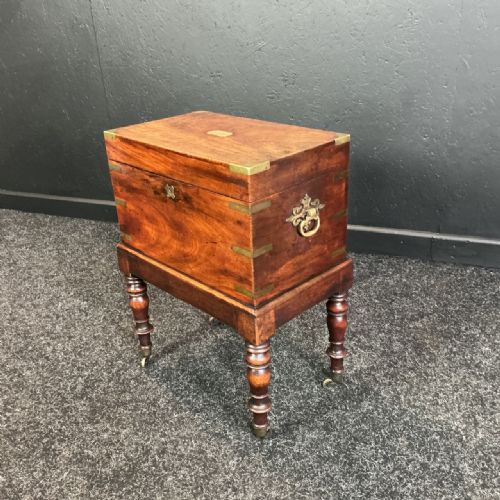
A mahogany drinks cooler sits on the floor beside the dining table, holding bottles of wine or spirits.
Mahogany Drinks Cooler
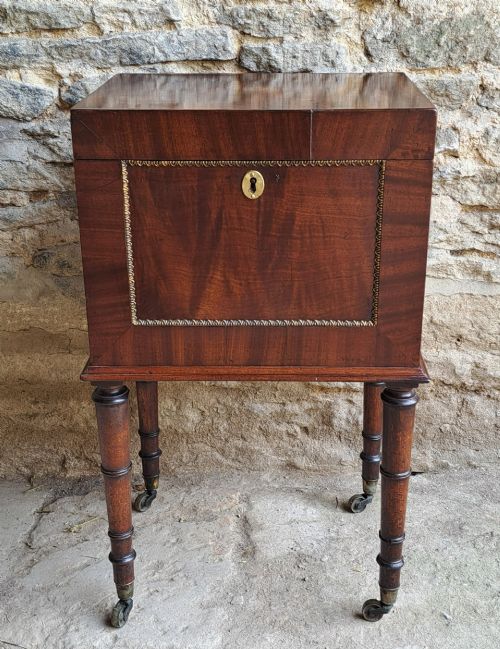
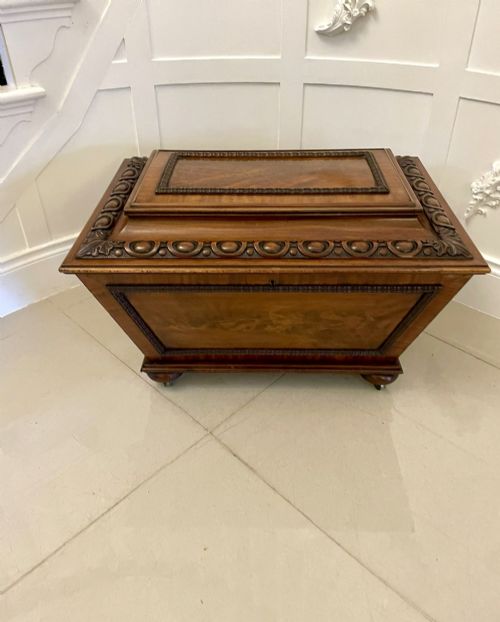
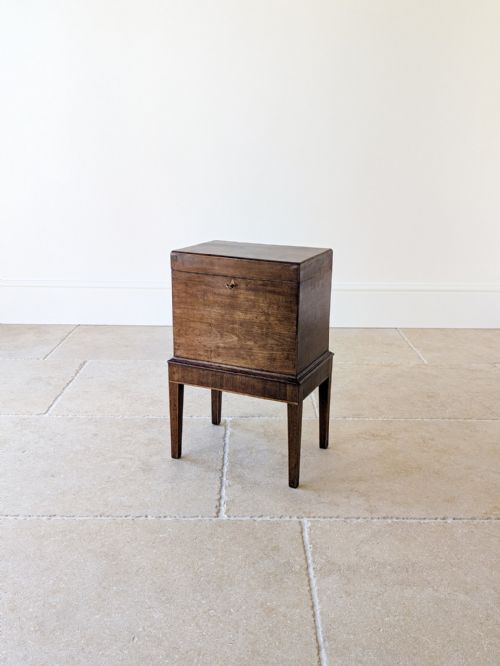
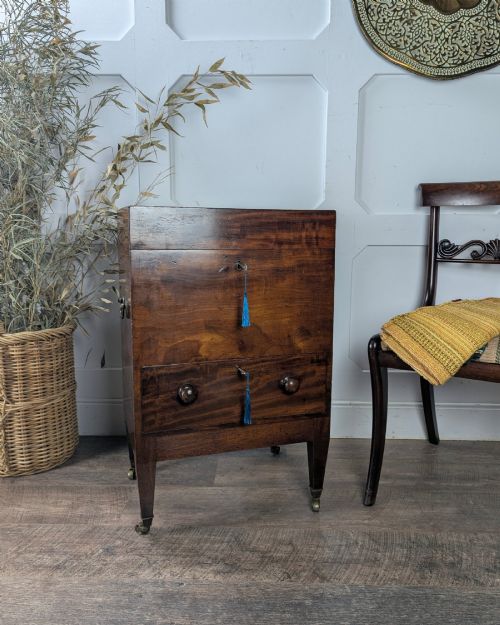
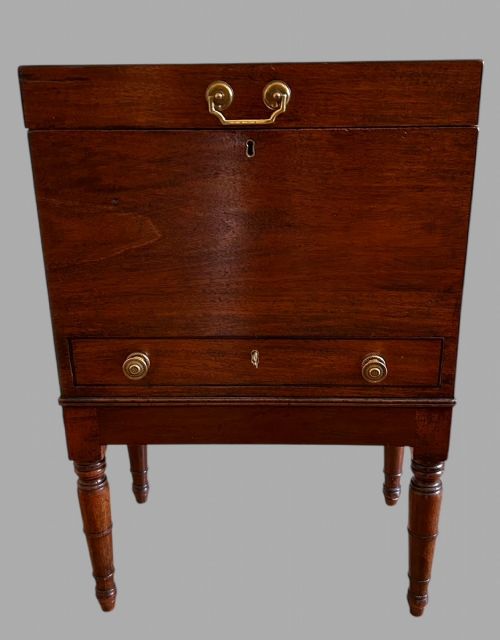
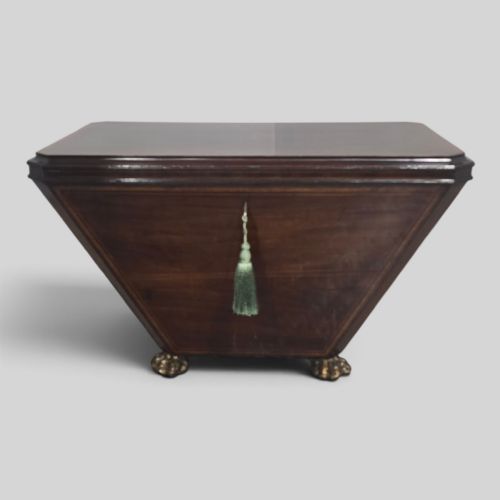
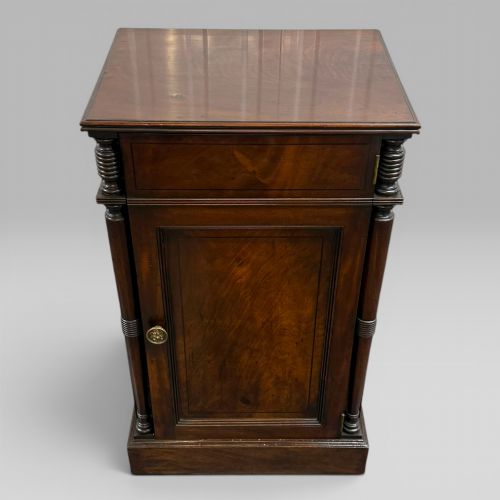
A mahogany drinks cooler takes the form of a cellarette, bottle stand, or plate-warmer pedestal designed to hold bottles at the dining table. These pieces emerge in Georgian, Regency, and Victorian periods, carrying designations such as wine coolers and cellarets.
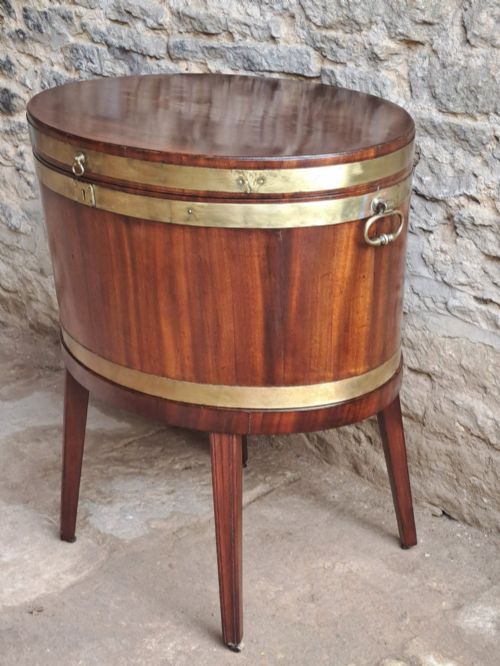
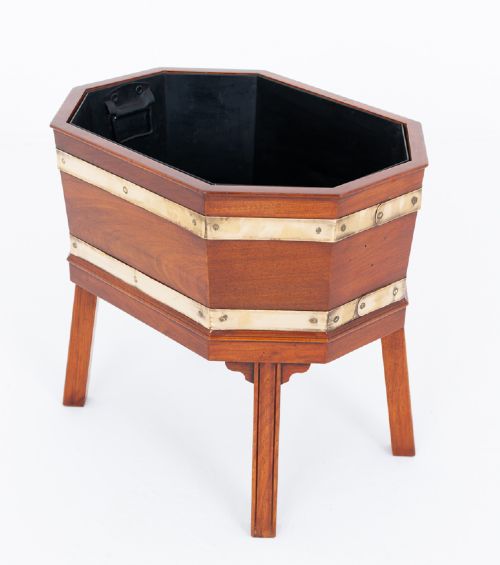
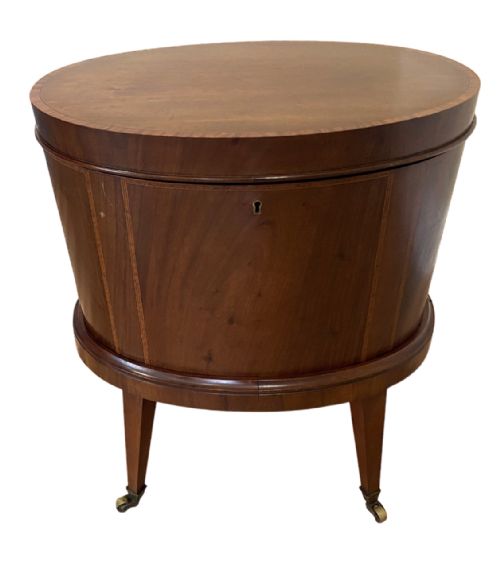
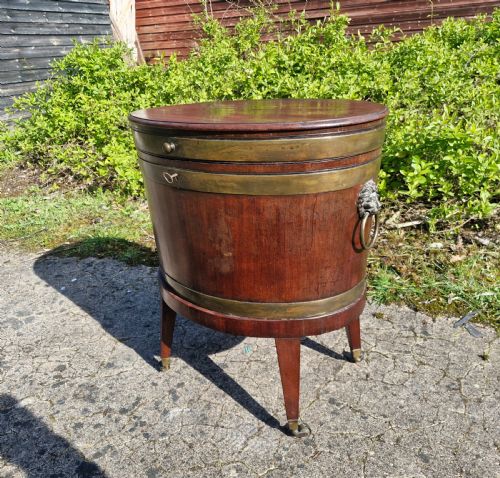
The versions most frequently met on this page include George III and Regency examples, alongside later Edwardian and revival pieces. Forms range from simple oval and octagonal boxes to grand sarcophagus shapes and serpentine fronts.
Makers utilise traditional timber alongside metal liners meant to hold ice and water for chilling wine. Some pieces stand on legs or coasters, while others function as freestanding containers or metamorphic tables.
How they were made
Cabinet makers construct these vessels primarily from solid mahogany or mahogany veneers, frequently incorporating satinwood and boxwood inlay to accent the timber. Brass bands, ormolu mounts, and metal linings provide functional reinforcement and decorative contrast.
Joining techniques vary from pegged box construction to curved serpentine fronts and complex internal framing designed to support heavy bottles and ice.
Mahogany Drinks Cooler Retail Price Guide 2026
Typical asking prices for mahogany drinks cooler among the pieces listed under this phrase on Sellingantiques today, from the lower quarter to the upper quarter. They describe what is for sale here now, not the wider market.
Some nineteenth-century makers built these cooling boxes with hidden compartments designed specifically to keep private liquor stocks safe from thirsty staff.
What varies in quality
The standard of timber selection and the depth of the natural patina dictate the visual success of the piece. Finely figured mahogany grain and precise boxwood or satinwood inlay denote superior cabinet work.
Hardware execution also separates standard examples from the finest items, particularly the weight of the brass banding, the casting of ormolu mounts, and the preservation of original internal metal linings.
Edwards and Roberts·Gillows·Maples and Co
The Mahogany Drinks Cooler Glossary
- Cellarette
- A lockable container used for storing wine and spirits in the dining room. These vessels are lined to hold ice.
- Sarcophagus
- A monumental container shape featuring a domed lid and tapered sides, popular during the Regency period. This form mimics ancient stone tombs.
- Serpentine
- A curved furniture front shaped in a convex-concave-convex sweep. This line demands high skill from the cabinet maker.
- Ormolu
- Gilded bronze applied as a decorative mount on furniture. This material catches the candlelight in formal dining settings.
- Inlay
- Contrasting woods such as satinwood or boxwood set flush into the mahogany surface. This technique creates geometric or floral borders.
Mahogany Drinks Cooler: Frequently Asked Questions
What is a mahogany drinks cooler?
A mahogany drinks cooler is a specialised storage container built to hold wine and spirits near the dining table. Historical examples often incorporate metal liners designed to hold ice for chilling bottles during meals.
These pieces appear in various forms, including cellarettes, bottle stands, and sarcophagus shapes. Cabinet makers utilised fine timbers and decorative brass work to integrate these functional objects into formal dining room interiors.
How were cellarettes used?
Cellarettes served as secure containers where hosts stored expensive wines and spirits away from domestic servants. The interior compartments held individual bottles upright while ice chilled the contents.
Servants moved the cooler into the dining room for the duration of the meal. Many examples featured locks to protect the valuable contents.
How do I date a mahogany drinks cooler?
Dating relies upon evaluating the structural form, timber characteristics, and decorative motifs such as inlay or metal mounts. Georgian and Regency pieces display distinct proportions and joinery methods compared to Edwardian revivals.
Cabinet making conventions shifted from straightforward geometric box construction towards elaborate sarcophagus shapes and serpentine curves across the nineteenth century.
Where should I place a drinks cooler?
These vessels function effectively as freestanding furniture pieces in dining rooms or living spaces. Their original purpose makes them natural companions to sideboards and dining tables.
Modern interiors often utilise these containers to hold bottle collections or serve as decorative plant stands. Their substantial timber presence anchors the corner of a room.