

Mahogany Display Furniture
Mahogany display furniture brings timber warmth and glazed structure to rooms, combining deep red grain with practical shelving and display.
Mahogany Display Furniture
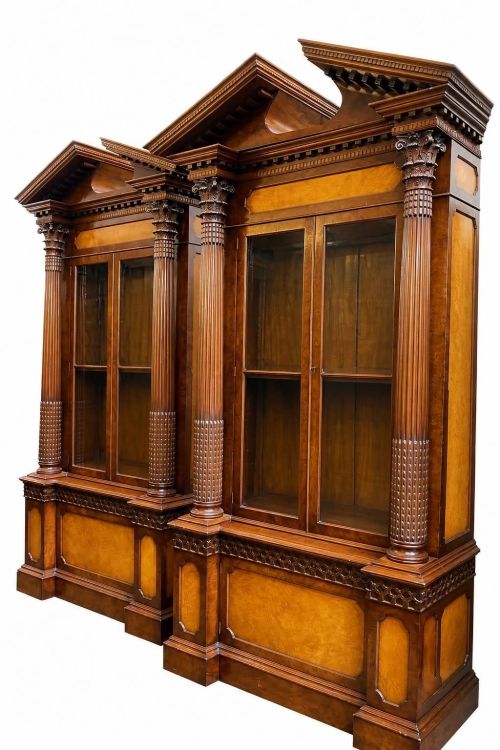
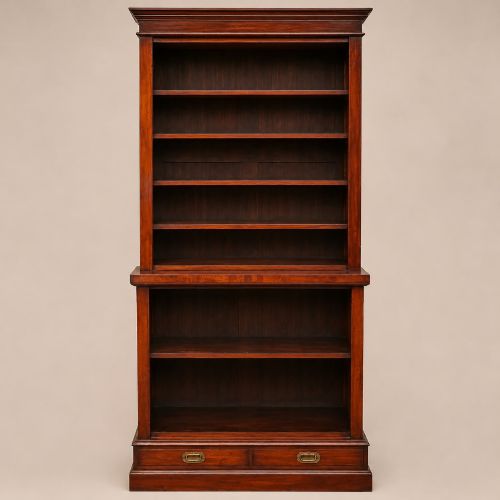
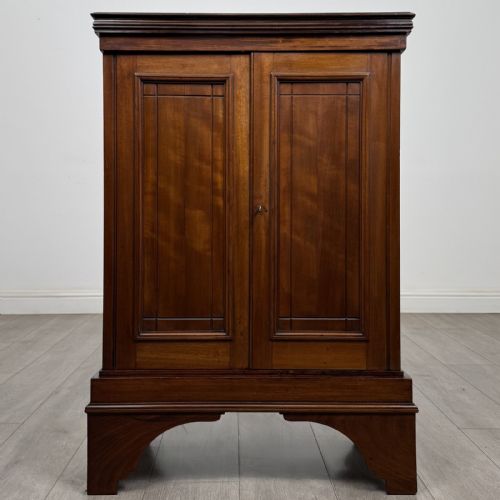
Mahogany display furniture encompasses bookcases, display cabinets, corner cabinets, wall shelves, and whatnots designed to hold books and decorative objects.
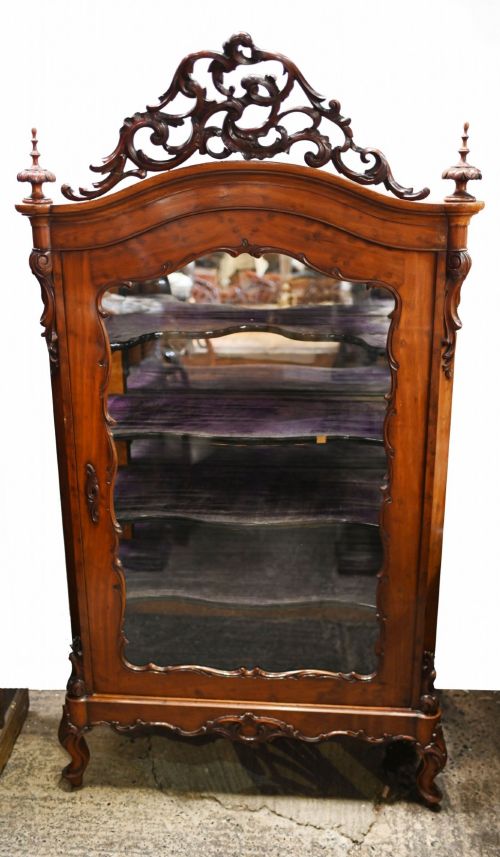
Buyers meet Edwardian display cabinets, Victorian glazed bookcases, and Georgian corner cupboards most frequently on this page, alongside various multi-tiered whatnots and side tables.
These pieces originate from periods spanning the Georgian era through the Regency, Victorian, and Edwardian years, reflecting shifts in domestic storage and display tastes.
How they were made
Cabinet makers utilised solid mahogany and figured mahogany veneers over secondary timbers, constructing carcases with dovetailed joints and fitted interiors.
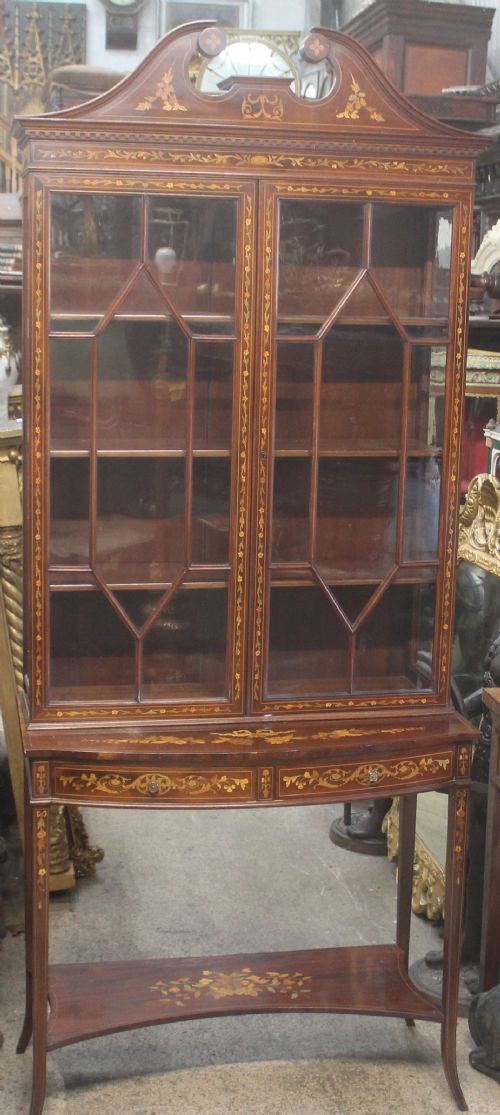
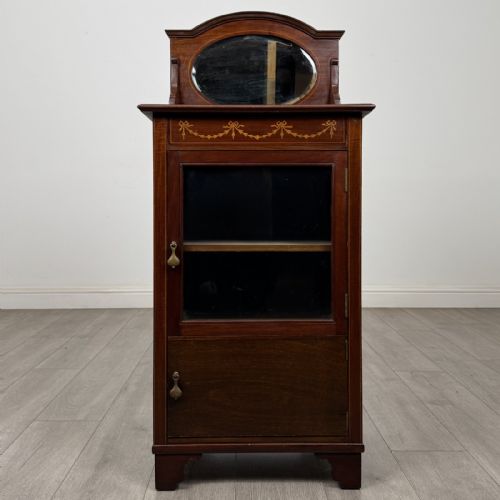
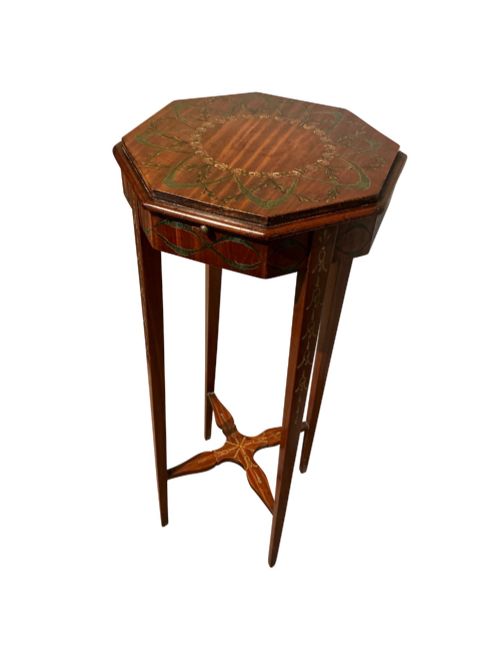
Surface enrichment relied on satinwood inlay, boxwood stringing, ebonised wood details, and marquetry, complemented by brass handles, hinges, and gallery rails.
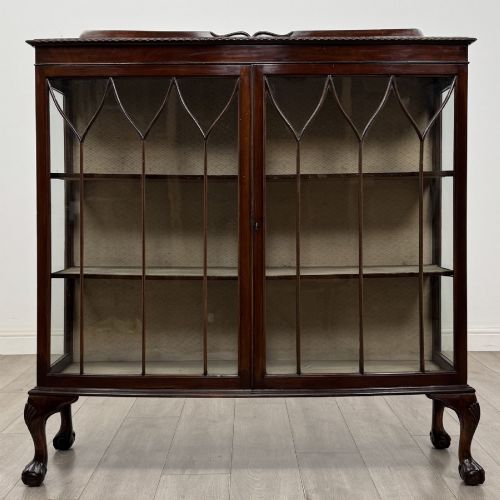
Glazed doors utilised timber framing to secure glass panels, while mirror plates were integrated into cabinet backs and wall shelves to reflect light.
Mahogany Display Furniture Retail Price Guide 2026
Typical asking prices for mahogany display furniture among the pieces listed under this phrase on Sellingantiques today, from the lower quarter to the upper quarter. They describe what is for sale here now, not the wider market.
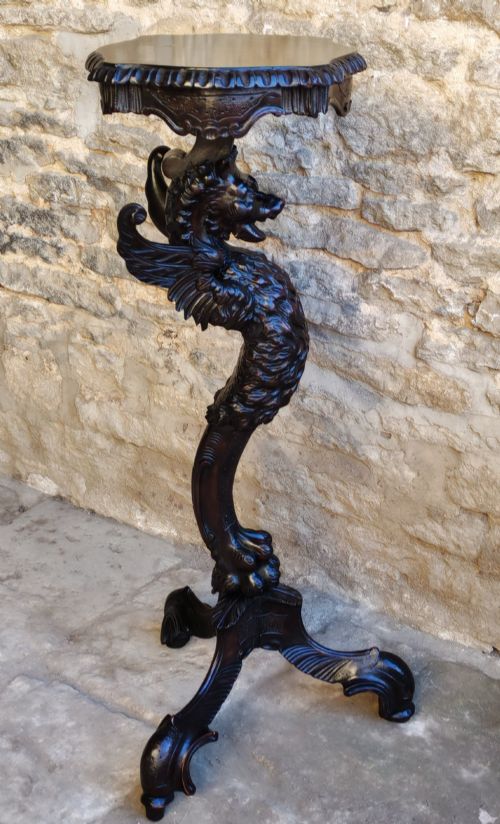
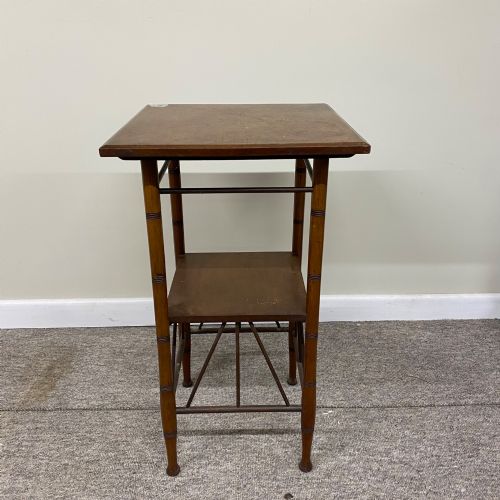
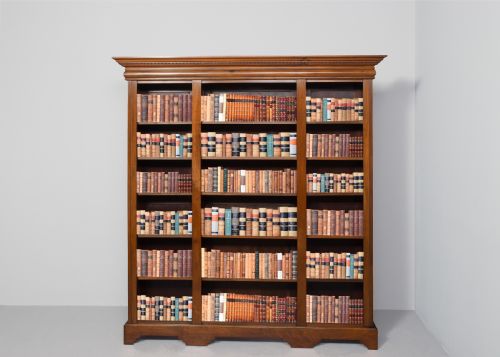
Object forms on this page range from tall breakfront bookcases and corner cabinets to revolving bookcases, plant stands, and wall hanging shelf racks.
What varies in quality
Quality rests upon the selection of timber figures, the precision of inlay work, and the structural integrity of joints, drawers, and shelving supports.
Superior examples demonstrate refined proportions, original brass hardware, intact glass, and hand-painted or marquetry decoration executed with deliberate care.
Gillows·Hille·Trevor Page and Co
The Mahogany Display Furniture Glossary
- Whatnot
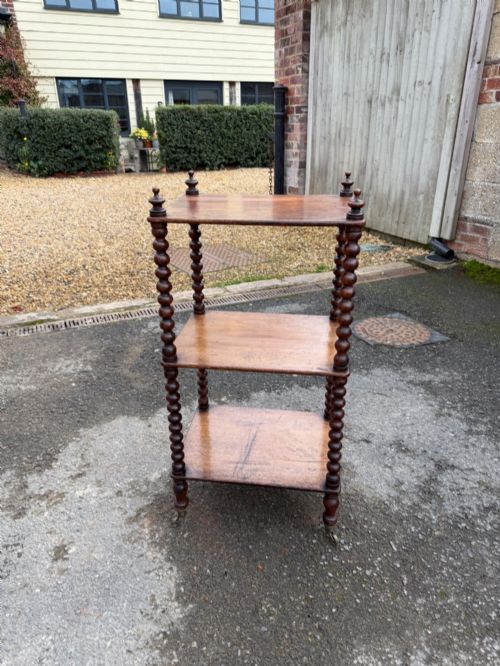
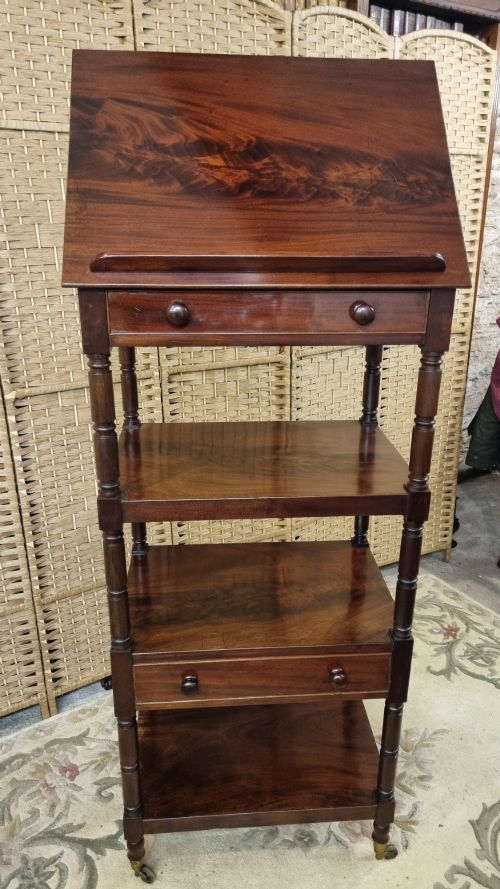
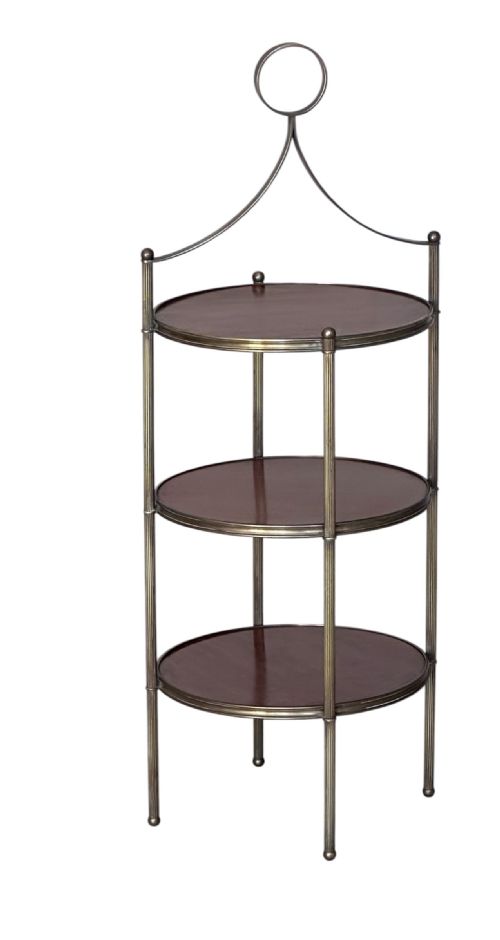
- A set of open shelves standing on legs, designed for displaying ornaments or books. Examples frequently feature three or four tiers.
- Breakfront
- A piece of furniture whose central section projects forward from the flanking wings. This format appears often in larger bookcases and display cabinets.
- Marquetry
- Decorative veneer patterns formed by fitting together small pieces of wood, ivory, or shell. Craftsmen applied this technique to panels and cabinet doors.
- Stringing
- Thin inlaid lines of contrasting timber set flush into the surface of a piece. It outlines panels, drawers, and table tops.
- Etagere
- A set of open ornamental tiers for holding small objects. It shares similarities in form with the traditional whatnot.
Mahogany Display Furniture: Frequently Asked Questions
What is a whatnot used for?
Whatnots serve as tiered open shelving units designed for holding books, ornaments, and small decorative objects in sitting rooms.
Their stacked platform structure allows multiple items to occupy a compact floor footprint while remaining visible from various angles.
How do I identify a Georgian bookcase?
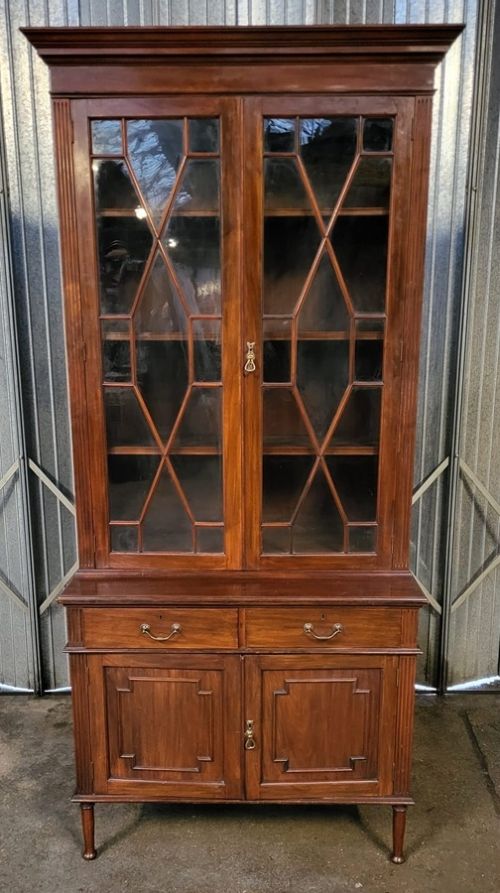
Georgian bookcases generally exhibit architectural proportions, solid mahogany construction, and understated mouldings without heavy Victorian ornamentation.
Glazed upper doors often feature geometric wooden glazing bars known as astragals, enclosing adjustable shelving intended for private libraries.
Where should I place wall shelves?
Wall hanging shelves mount securely to vertical surfaces in studies, hallways, or living rooms to display small collections without consuming floor space.
They work well above side tables or low cabinets, repeating the timber tone of larger furniture items in the same interior.
What distinguishes Edwardian display cabinets?
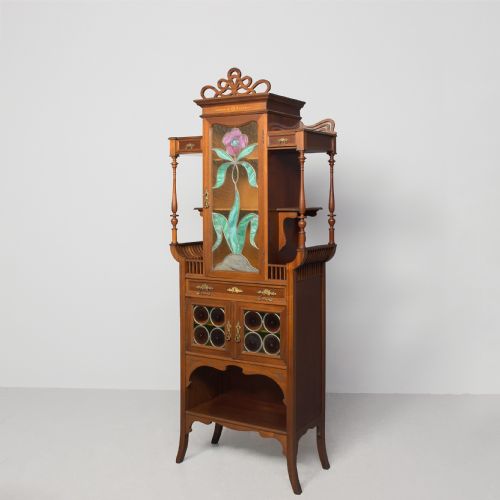
Edwardian display cabinets typically incorporate lighter satinwood inlay, painted floral motifs, and Sheraton Revival influence alongside glass panels.
These pieces reflect a turn-of-the-century preference for brighter, delicate furniture forms intended for china and decorative porcelain.