

Mahogany Carved Stool
A mahogany carved stool brings rich timber and period upholstery together, offering a functional seat that grounds a room with traditional British craftsmanship.
Mahogany Carved Stool
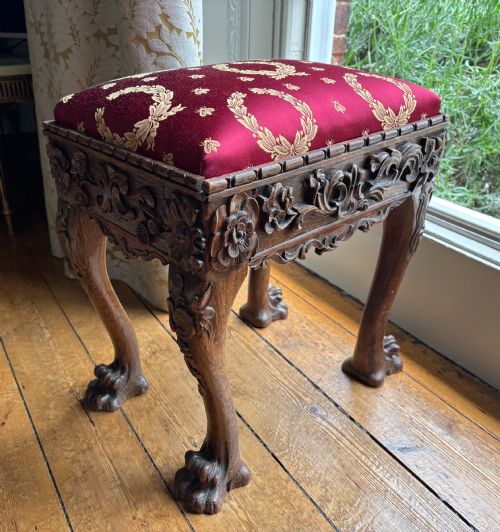
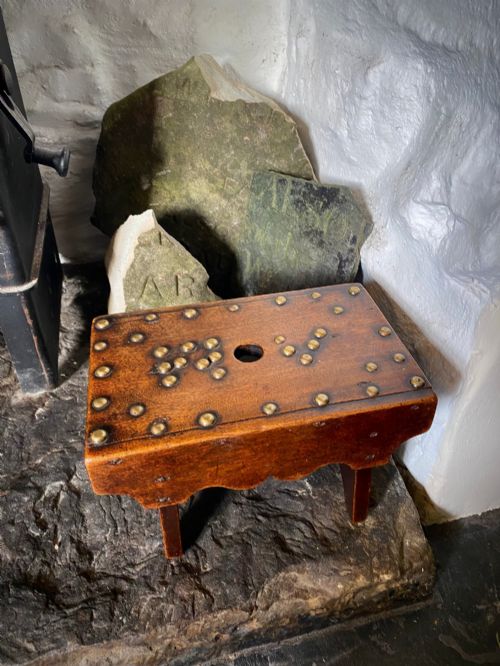
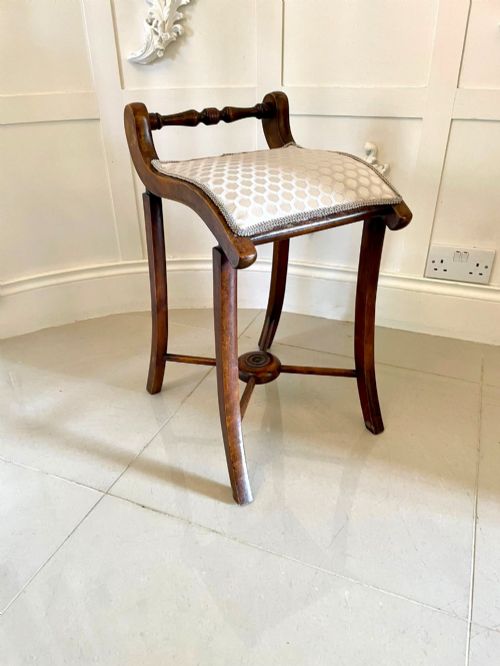
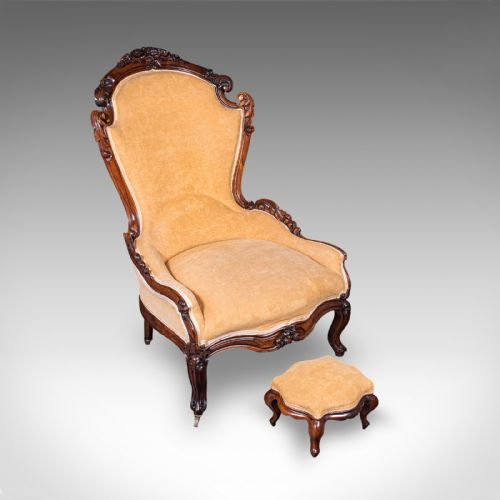
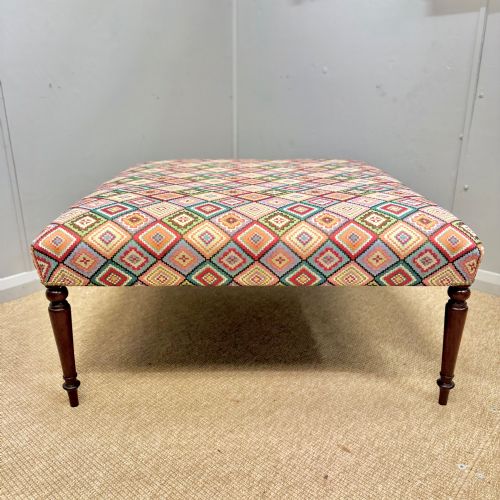
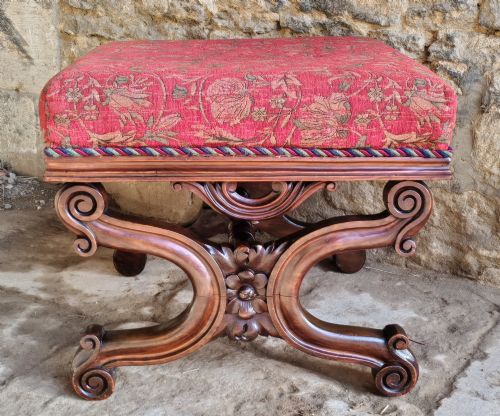
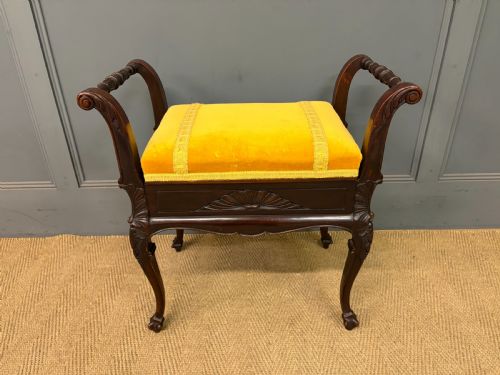
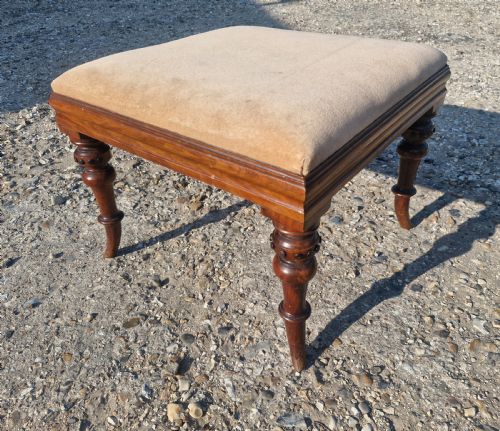
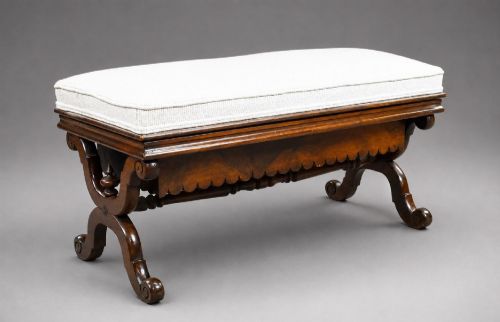
A mahogany carved stool represents a diverse group of traditional seating forms, ranging from compact footstools and piano seats to large window seats and dressing table stools. When searching for a mahogany carved stool, buyers encounter pieces spanning the eighteenth century through to the Edwardian period, with nineteenth-century and Victorian examples appearing most frequently.
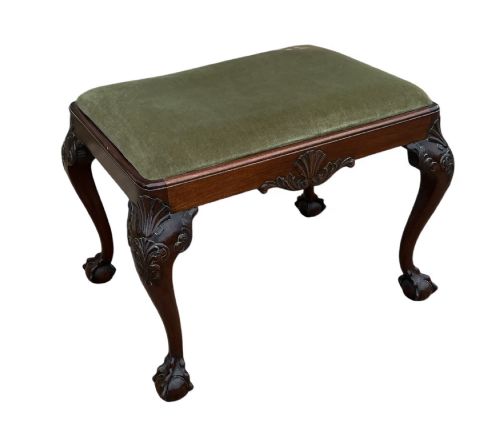
The assortment includes geometric footstools, X-frame window seats, and cabriole-legged dressing stools alongside revivals of Chippendale and Georgian styles. Makers and workshops utilised dense tropical hardwood to support elaborate carved details, cabriole legs, and varied upholstery schemes.
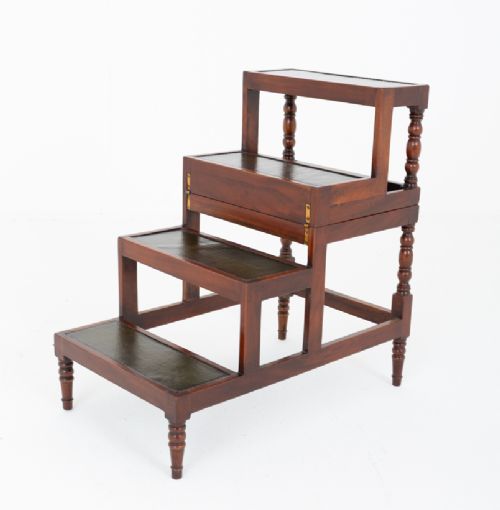
These items served various domestic functions, acting as piano seats, sewing box repositories, library steps, and salon chairs alongside standard footstools. The survival of these diverse forms demonstrates the enduring utility of mahogany frames paired with supportive seating surfaces.
How they were made
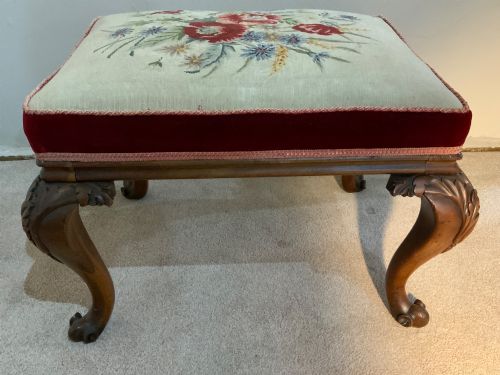
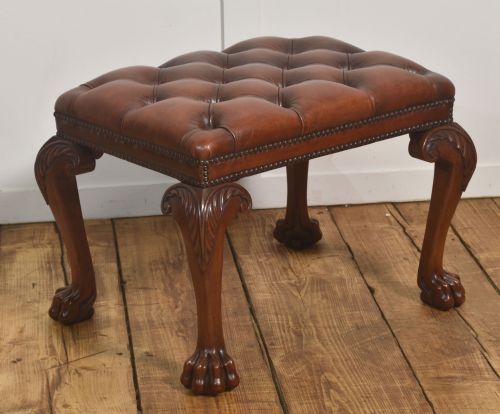
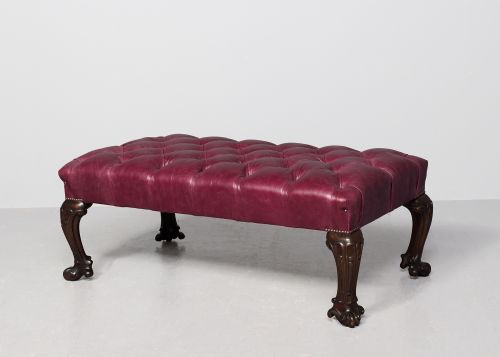
Craftsmen built these frames primarily using solid mahogany, selected for its strength and capacity to hold crisp hand-carved ornamentation such as ball-and-claw feet, gadrooning, and Rococo scrolls. Timber components were joined using traditional methods before receiving decorative carving on the legs, rails, and aprons.
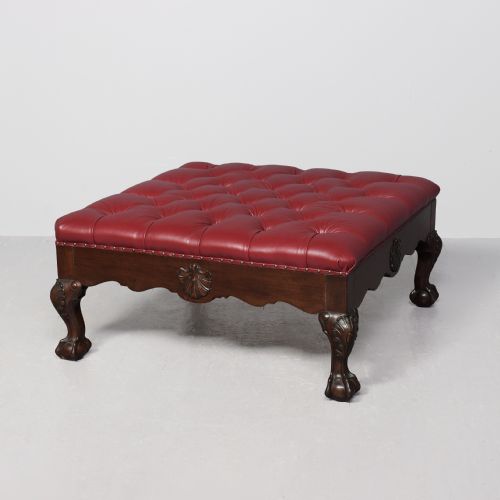
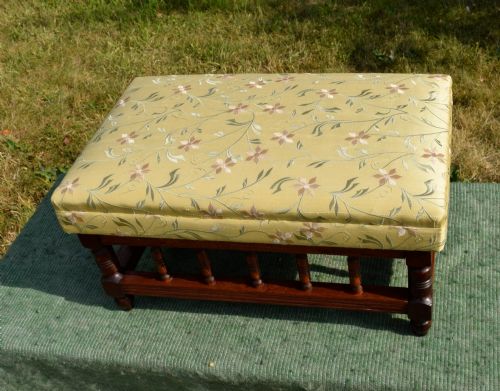
Upholstery formed a major part of the construction, utilising materials like leather, red hide, velvet, tapestry, and woven textiles stretched over webbing or stuffing. Brass studs often secured the fabric edges, while specialised internal compartments occasionally provided storage for sewing materials or music sheets.
Mahogany Carved Stool Retail Price Guide 2026
Typical asking prices for mahogany carved stool among the pieces listed under this phrase on Sellingantiques today, from the lower quarter to the upper quarter. They describe what is for sale here now, not the wider market.
What varies in quality
The standard of carving determines much of the distinction between pieces, with sharper, deeper relief work indicating superior workshop output compared to softer, more mechanical moulding. Proportion and timber selection also drive differences, as finely figured mahogany grain and balanced framing separate standard production items from exceptional commissions.
Upholstery execution and the preservation of original framing integrity influence overall merit, noting whether secondary timbers and internal webbing remain undisturbed. Pieces exhibiting robust joinery and thoughtful decorative detailing retain greater physical presence in an interior.
Jas Shoolbred
The Mahogany Carved Stool Glossary
- Cabriole leg
- A furniture leg that curves outward at the knee and tapers inward at the ankle, frequently ending in a pad or claw foot. This design became prominent during the eighteenth century and reappeared in later revival periods.
- X-frame
- A structural furniture base formed by intersecting diagonal members creating an X shape when viewed from the side. This ancient form provides robust support for window seats and folding stools.
- Chippendale style
- A decorative aesthetic drawing on the eighteenth-century designs of Thomas Chippendale, characterised by intricate carving, cabriole legs, and pierced splats. Revival versions appeared frequently during the Victorian and Edwardian eras.
- Gadroon
- A decorative carved moulding consisting of a series of convex curves or rounded bosses, often used to embellish the edges of table tops and stool rails.
- Hide
- Untanned or dressed animal skin used as a heavy-duty upholstery covering on seating furniture. Red and burgundy hide finishes appear often on nineteenth-century footstools.
Mahogany Carved Stool: Frequently Asked Questions
What is a mahogany carved stool used for?
These pieces served multiple domestic roles including footrests, piano seating, dressing table perches, and window seats. Their sturdy timber frames allowed them to double as occasional seats in parlours and drawing rooms.
Owners often positioned them near armchairs or beside dressing tables where compact seating was required. Some specialised examples also incorporated interior compartments for sewing accessories or sheet music.
How do I date a mahogany carved stool?
Dating relies on observing stylistic markers such as cabriole legs, X-frames, and carving motifs that align with specific eras like the Georgian, Regency, or Victorian periods. Tool marks and the choice of secondary woods hidden beneath the structure also offer clues to age.
Revival pieces from the later nineteenth and early twentieth centuries often copied eighteenth-century aesthetics. Comparing the timber patina, upholstery method, and joinery style helps separate original period pieces from later interpretations.
What wood was used for these stools?
Makers relied predominantly on mahogany for the visible frames, chosen for its deep reddish-brown colour and ability to hold fine carved detail. Secondary timbers such as pine or oak occasionally appeared in internal bracing and underframes.
The grain density and weight of the mahogany varied depending on the harvest region and the specific decade of manufacture. Dense tropical hardwood ensured the carved rails and legs maintained structural stability over generations.
How do I care for antique upholstery?
Preserving antique fabric or leather requires keeping the pieces away from direct sunlight and maintaining stable room humidity. Gentle surface cleaning prevents dust accumulation without damaging fragile textiles or leather surfaces.
When dealing with buttoned hide or tapestry, professional conservation advice helps maintain the integrity of the original stuffing and tacks. Regular light maintenance protects both the wooden frame and the fabric covering from premature wear.