



Mahogany Candle Holders
Mahogany candle holders bring rich timber grain and polished warmth to any room, offering both practical illumination and classic period design.
Mahogany Candle Holders
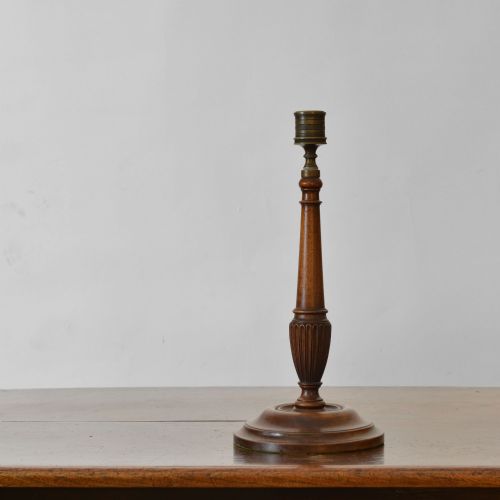
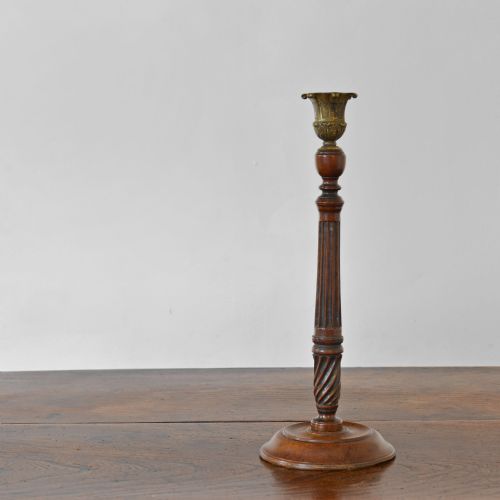
Mahogany candle holders encompass turned candlesticks, spill holders, candle boxes, and torchere stands produced across the Georgian, Regency, and Victorian eras. These items merge dense timber forms with functional lighting accessories for domestic interiors.
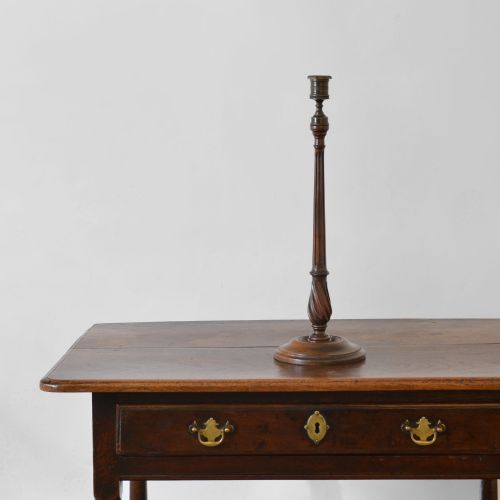
The most frequent examples found in this selection are turned wood candlesticks, often featuring brass sockets and mounted on heavy timber bases. Pieces range from simple 18th-century turned tapers to later Adam style and Edwardian interpretations.
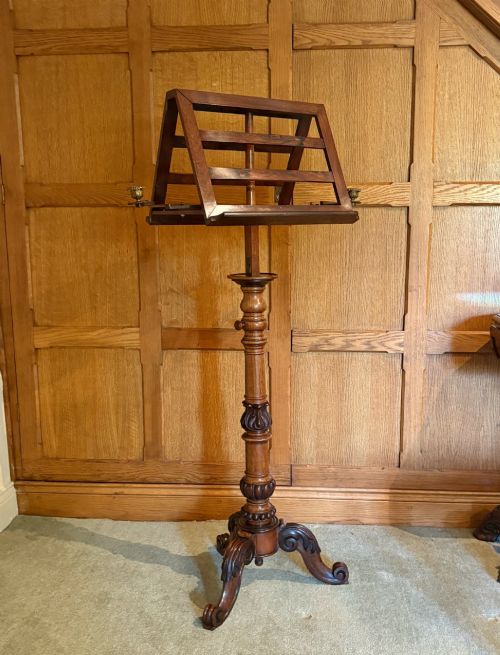
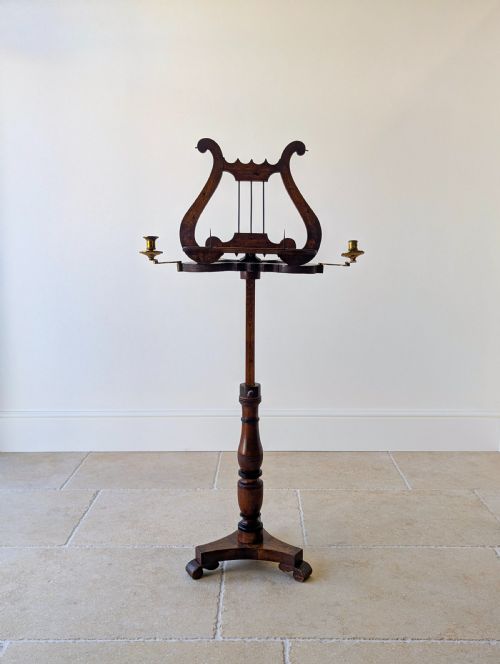
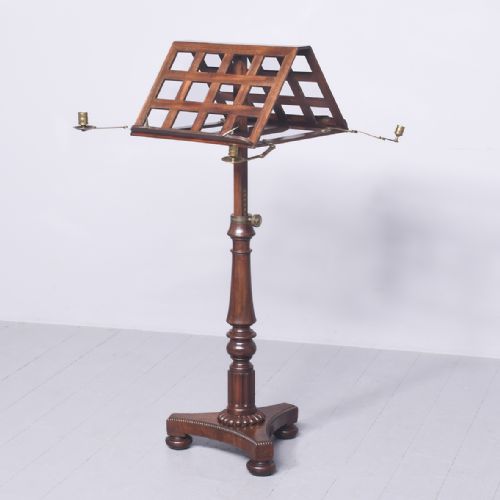
Buyers also encounter related mahogany furnishings equipped for illumination, such as cheval mirrors with brass articulated candle holders and tall torcheres. Each object demonstrates the enduring utility of mahogany in period domestic settings.
Materials and construction
Craftsmen utilised solid mahogany timber alongside brass for sockets, nozzles, and decorative banding. Boxwood inlay occasionally appears on select pieces to create contrasting geometric or linear details.
Woodturners shaped the mahogany on lathes to produce slender stems and weighted circular or square bases. Metal components were securely fitted to the timber tops to protect the wood from melting wax and heat.
Mahogany Candle Holders Retail Price Guide 2026
Typical asking prices for mahogany candle holders among the pieces listed under this phrase on Sellingantiques today, from the lower quarter to the upper quarter. They describe what is for sale here now, not the wider market.
Assessing craftsmanship and condition
Quality rests in the density and grain figure of the mahogany, alongside the precision of the woodturning. Superior examples display crisp architectural profiles or finely balanced proportions without warping or excessive surface repair.
The integration of brass fittings determines the finish of the piece. High-grade items feature substantial cast brass sconces that fit flush against the turned timber, maintaining stability and structural integrity.
Gillows
The Mahogany Candle Holders Glossary
- Scone
- A metal socket fitted to the top of a candlestick to hold the candle securely and catch melting wax. These brass inserts protect the underlying mahogany from heat damage.
- Torchere
- A tall stand or pedestal designed to support a candle or lamp. These elevated wooden supports often feature turned columns and tripod bases.
- Spill holder
- A small container designed to hold thin wooden spills used for transferring a flame from a hearth to a candle. These turned wooden accessories sit beside fireplaces or on tables.
- Boxwood inlay
- Contrasting pale wood inserted into recesses within the darker mahogany surface. This technique creates decorative borders and geometric patterns.
- Turned wood
- Timber shaped by rotation against a cutting tool on a lathe. This process creates symmetrical columns, balusters, and circular bases for candlesticks.
Mahogany Candle Holders: Frequently Asked Questions
How do I date mahogany candle holders?
Dating relies on stylistic clues, turning profiles, and the type of brass hardware integrated into the piece. Georgian and Regency examples often show crisp, hand-turned proportions, while Victorian items lean towards heavier or revivalist ornamentation.
Examining the base and the interior of the wood socket reveals tool marks and construction methods consistent with specific 18th-century or 19th-century workshop practices.
How were these holders used historically?
These items provided portable illumination across domestic rooms before the widespread adoption of gas and electric lighting. Candles were placed in sockets on tables or carried via attached handles.
Specialised forms like wall-mounted boxes stored spare candles, while torcheres elevated light sources in larger reception rooms to illuminate dark corners.
Are brass components original to the wood?
Many period holders combine turned mahogany with cast brass sconces and nozzles designed to withstand heat and wax. Original brass fittings typically show patination and wear matching the age of the timber base.
Replacements do occur during restoration, so inspecting the fit between the metal insert and the wood grain helps determine originality.
How should I clean antique mahogany?
Maintenance requires gentle dusting with a soft, dry cloth to protect the polished timber finish from abrasive particles. Avoid using modern silicone sprays or harsh chemical solvents that strip historical wax.
Applying a traditional beeswax polish periodically preserves the moisture and deep lustre of the mahogany without harming the underlying grain.