
Mahogany Cabriole Chair
A mahogany cabriole chair brings together dense tropical timber and the flowing double curvature of an eighteenth-century leg form that resurfaced across the Victorian and Edwardian eras.
Mahogany Cabriole Chair
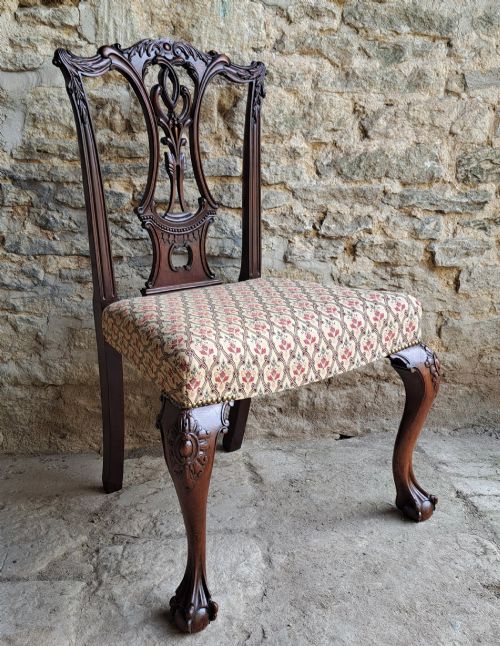
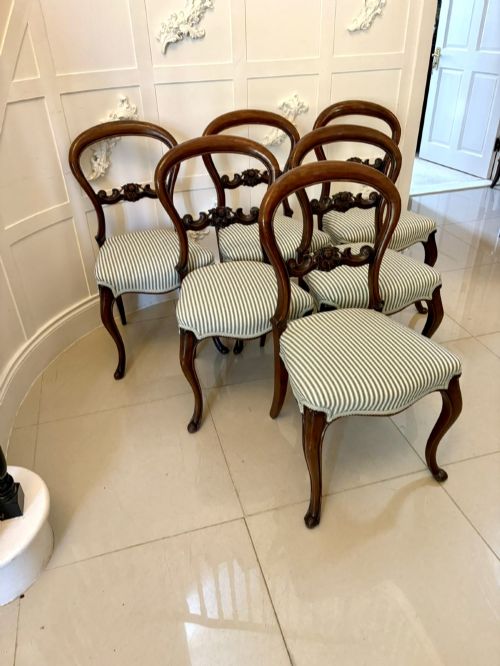
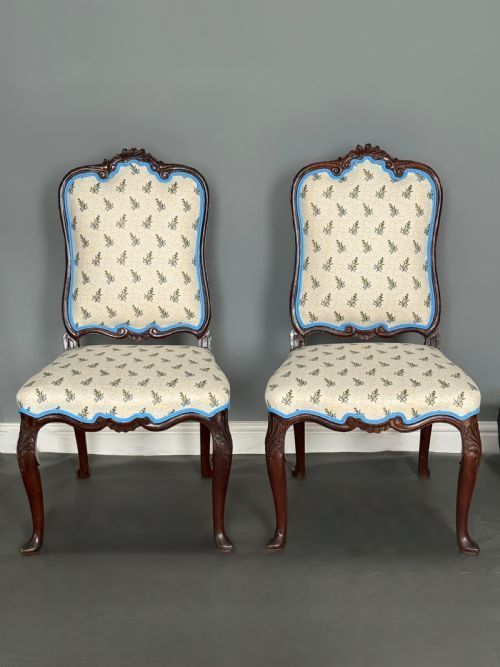
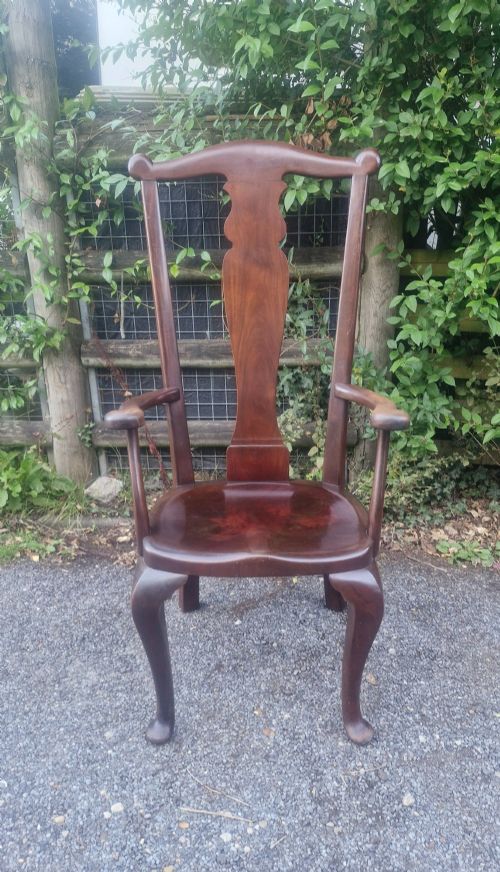
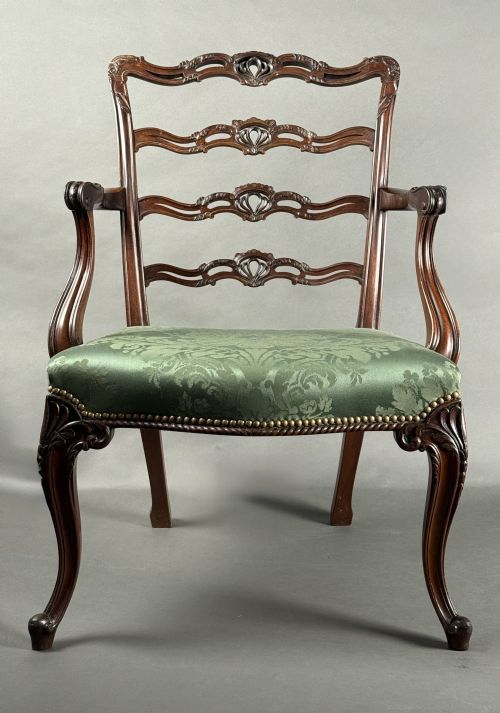
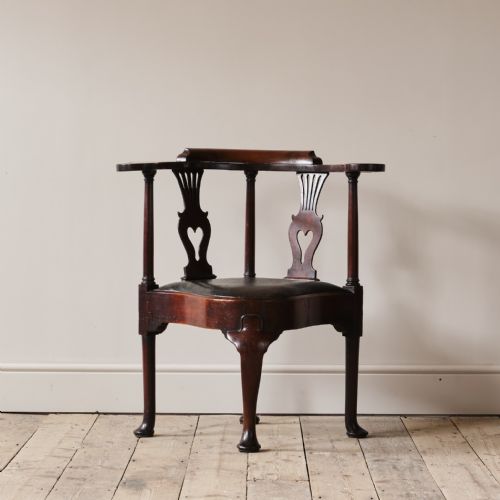
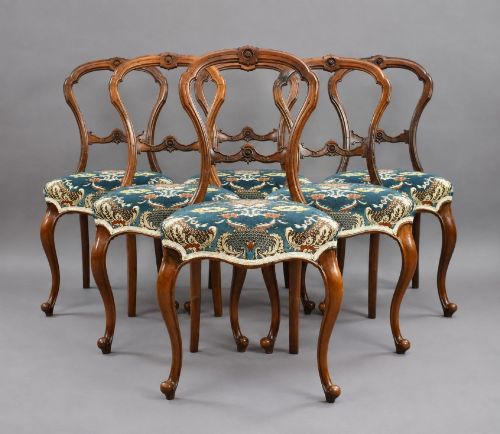
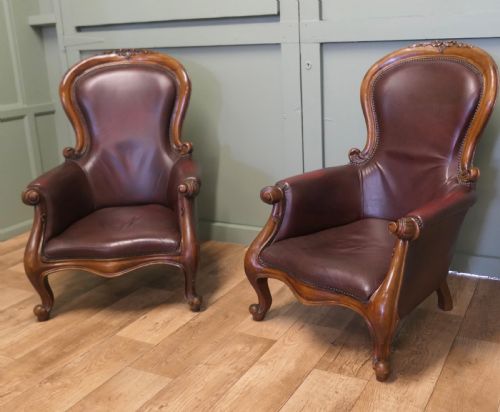
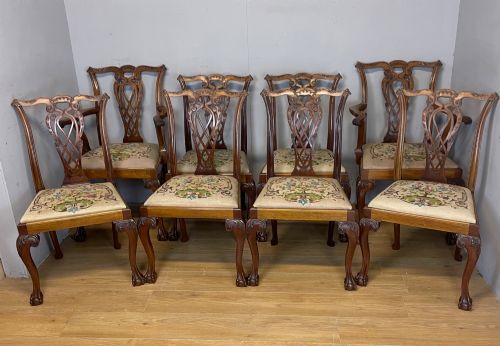
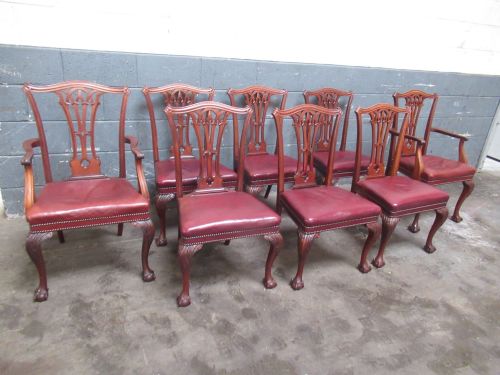
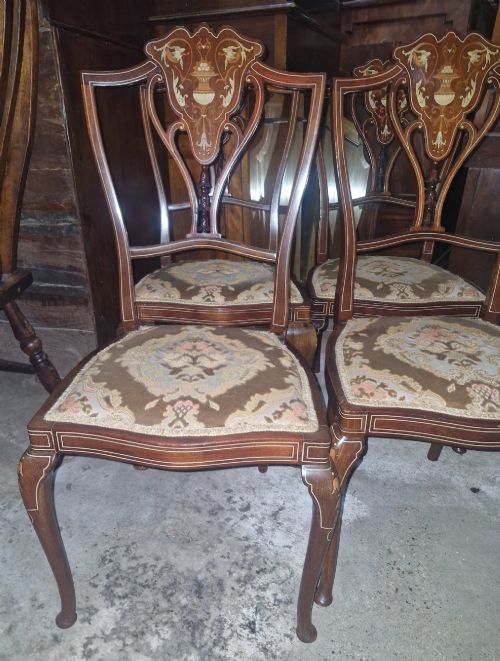
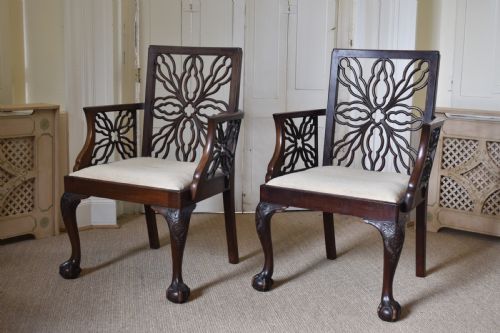
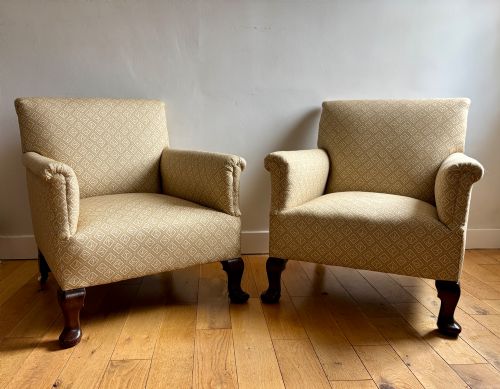
When searching for a mahogany cabriole chair, collectors encounter a diverse span of forms originating from the eighteenth century through to the early twentieth century. The selection ranges from formal George II and Georgian dining and side chairs to late-nineteenth-century Chippendale revival sets and comfortable Victorian easy chairs.
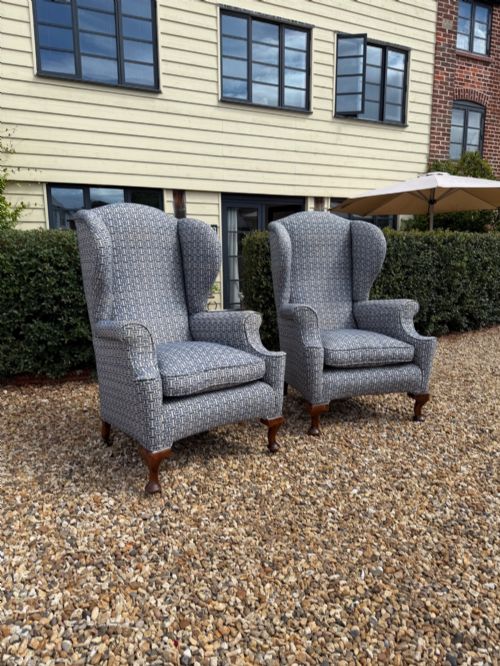
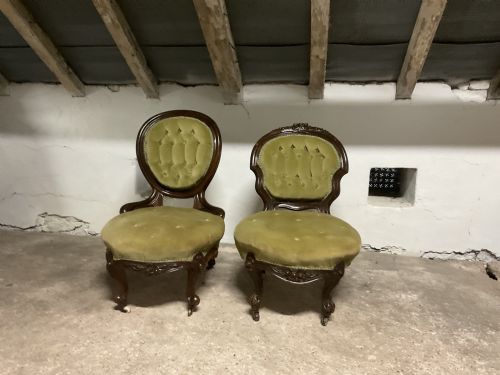
Dining chairs, side chairs, and armchairs dominate the inventory alongside occasional hall chairs, salon suites, and wing chairs. Most pieces on this page lean towards nineteenth-century Victorian and Edwardian interpretations, often pairing solid mahogany frames with upholstered seats in leather, velvet, or fabric.
How they were made
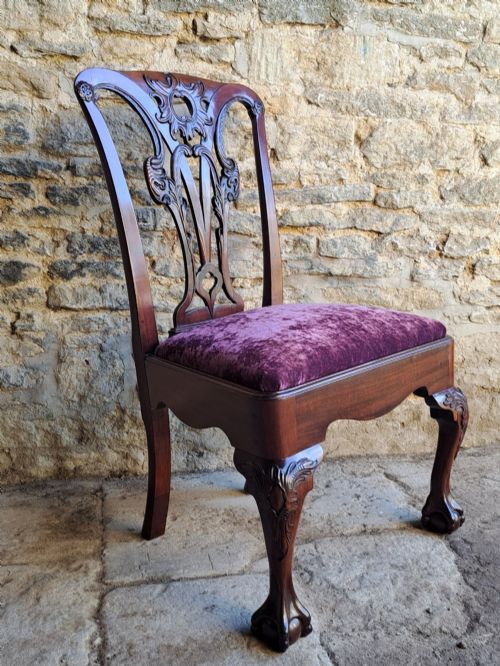
Cabinetmakers fashioned these frames primarily from dense Cuban or general mahogany, occasionally turning to red walnut for regional pieces. The defining legs were carved directly from the timber or shaped to form the characteristic knee curving outward and tapering inward to a pad, claw and ball, or hoof foot.
Joinery relied on traditional mortise and tenon construction to support the stress placed upon the curved leg framework. Upholstered variants incorporated drop-in seats, overstuffed spring foundations, or buttoned leather coverings secured with brass tacks.
Even chairs intended strictly for the hall received graceful cabriole legs, proving that eighteenth-century posture was a serious matter everywhere in the house.
What varies in quality
The standard of a mahogany cabriole chair rests significantly on the fluidity of the leg carving and the crispness of any accompanying knee or apron ornamentation. Superior examples display a seamless transition from the seat rail through the bowed knee to the terminal foot without awkward proportions.
Timber selection and secondary framing integrity dictate longevity, with well-figured grain and robust internal bracing separating fine workshop productions from later revival mass output.
Warings·Whytock and Reid
The Mahogany Cabriole Chair Glossary
- Cabriole leg
- A furniture leg that bends outward at the knee and tapers inward toward the foot, mimicking animal limbs. This form gained widespread popularity during the eighteenth century and saw numerous revivals.
- Chippendale style
- A decorative design vocabulary inspired by Thomas Chippendale, featuring carved ribbon backs, interlaced splats, and ornate cabriole legs. Revival versions appeared frequently in the late nineteenth and early twentieth centuries.
- Drop-in seat
- A removable upholstered frame that drops into a rebated opening in the chair seat rail. It allows for straightforward recovering without disturbing the main frame.
- Spoon back
- An upholstered chair back curved concavely in both vertical and horizontal planes to fit the human spine. This ergonomic shape is particularly common on mid-Victorian parlor seating.
- Ball and claw foot
- A furniture foot depicting a bird's talons clutching a spherical ball, commonly carved at the base of cabriole legs on eighteenth-century and revival seating.
Mahogany Cabriole Chair: Frequently Asked Questions
How do I date a mahogany cabriole chair?
Dating relies on examining the timber grain, construction marks, and stylistic clues within the carving. Eighteenth-century originals often display hand-sawn secondary woods and pegged joinery, whereas revival pieces from the Victorian and Edwardian eras feature machine tooling and tighter, more uniform timber stocks.
Changes in upholstery methods also provide chronological markers. Early pieces utilised simple webbing and stuffing, while later Victorian and Edwardian variants frequently incorporated coil springs and varied textile coverings.
Were cabriole legs only used on dining chairs?
While dining and side chairs represent a large portion of surviving examples, the form extends across a wide range of seating types. Makers applied the curved leg design to library armchairs, wing chairs, hall chairs, and even multi-piece salon suites.
Corner chairs, desk chairs, and chaise longues also received the cabriole treatment during both the Georgian period and subsequent nineteenth-century revivals.
What is the difference between Georgian and revival chairs?
Authentic Georgian chairs date from the eighteenth century and carry the patina of age alongside period construction techniques. Revival pieces were manufactured during the Victorian and Edwardian eras, copying earlier aesthetic movements while utilising contemporary workshop methods.
Revival furniture often exhibits heavier framing proportions and cleaner, less weathered timber surfaces compared to their eighteenth-century predecessors.
How should I care for antique mahogany frames?
Preserving the wood requires maintaining stable indoor humidity levels and keeping pieces away from direct heat sources and strong sunlight. Regular dusting with a soft, dry cloth protects the polish without introducing moisture.
Applying a traditional beeswax polish occasionally helps nourish the timber surface and maintain the natural lustre of the mahogany grain.