
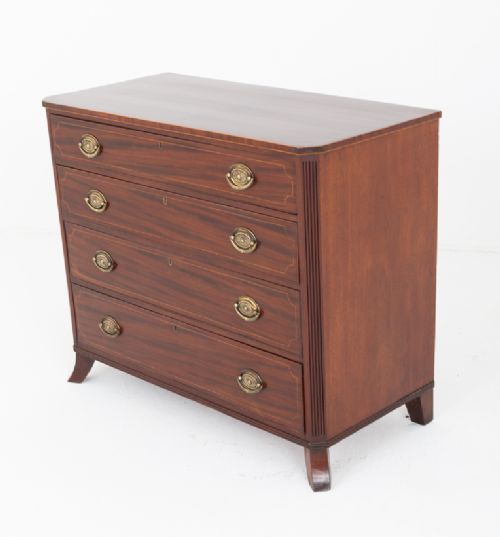


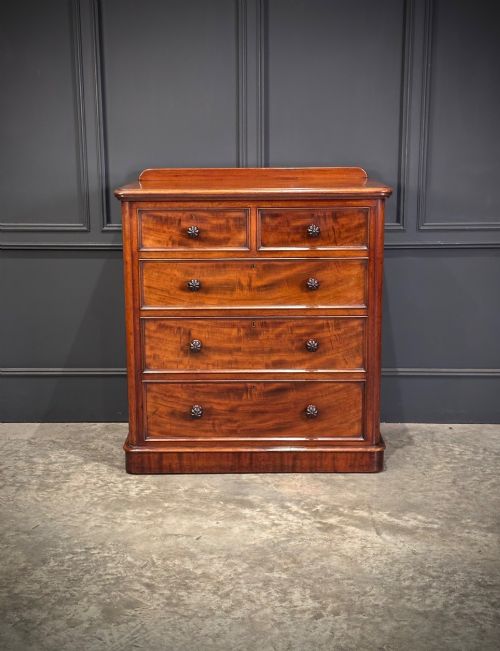
Mahogany Bureau Dresser
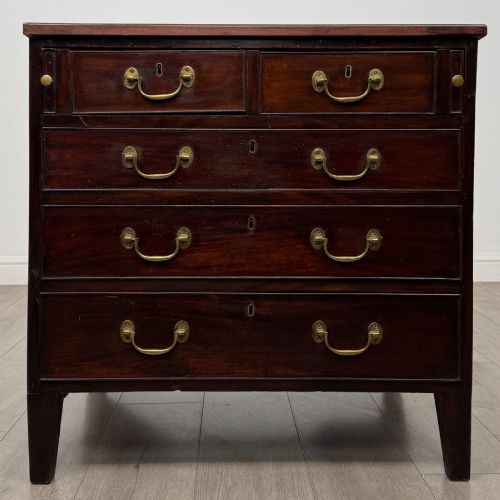
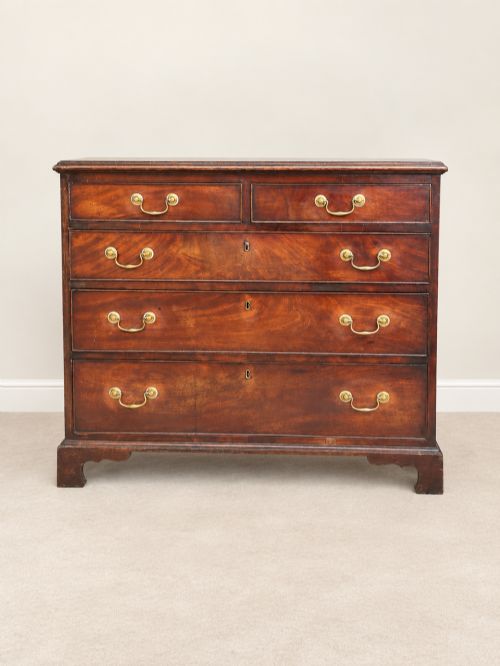
These mahogany bureau dresser pieces are solid storage furniture built to hold clothes and linen while anchoring a traditional room scheme.
Mahogany Bureau Dresser
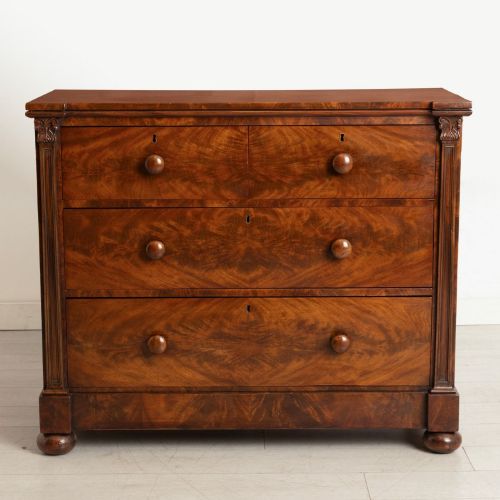
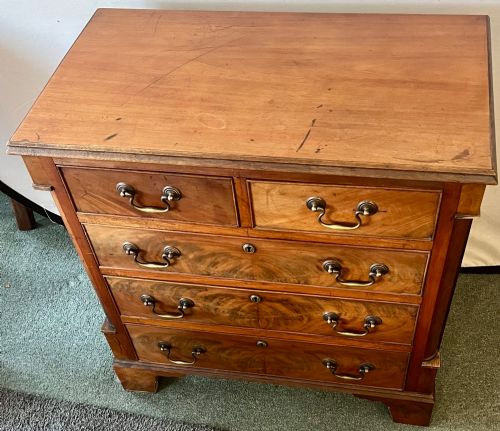
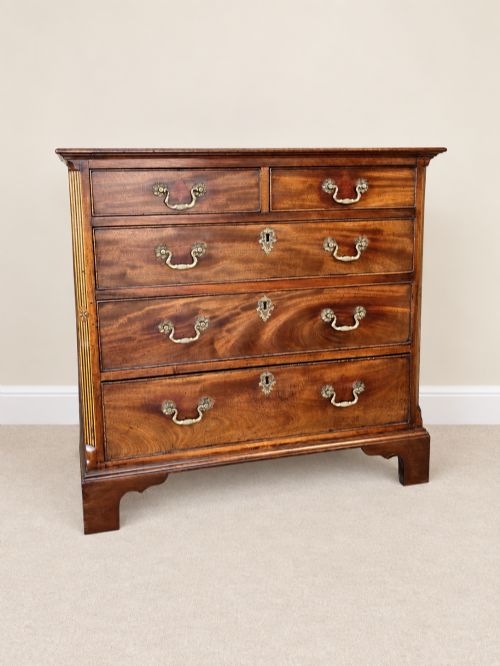
When you search for a mahogany bureau dresser, you encounter timber storage units designed to organise garments and household items in domestic chambers. The examples appearing on this page span several eras, reaching from the eighteenth century through the Georgian and Regency periods into the Victorian and Edwardian decades.
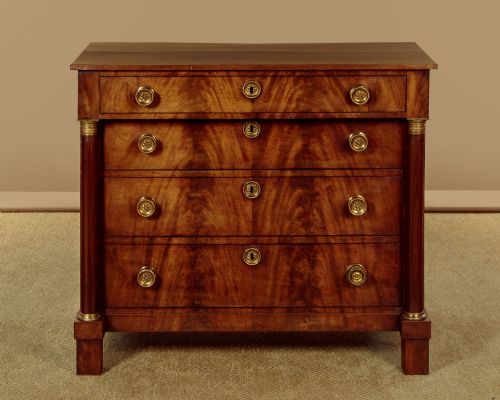
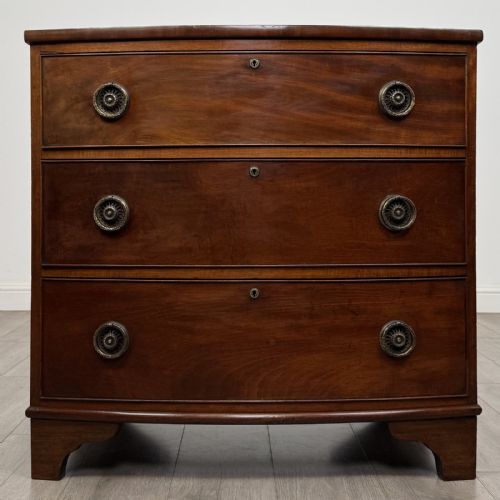
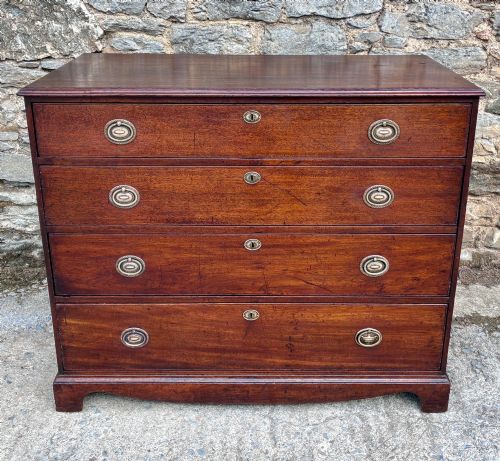
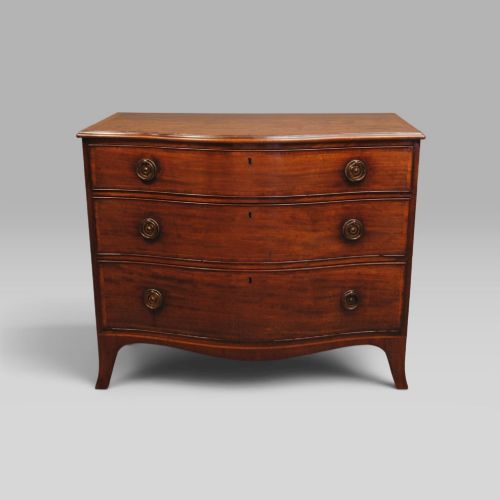
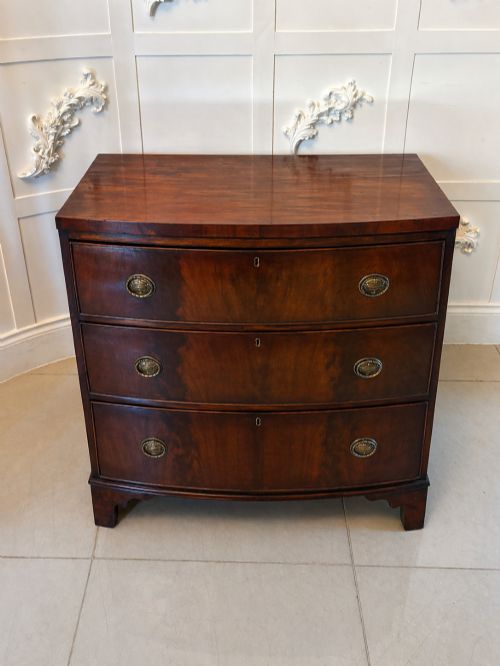
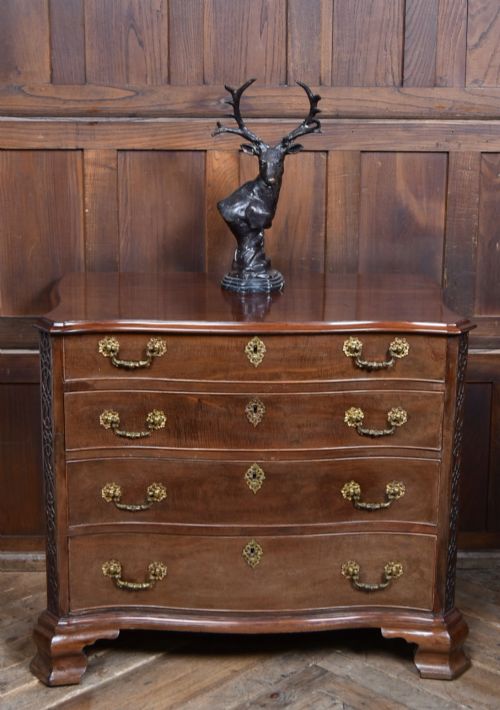
The dominant forms are chests of drawers rather than sloping writing desks, frequently featuring bow fronts, serpentine shapes, or straight configurations. Regional variations such as French Provincial and Channel Islands pieces also surface among the standard British iterations.
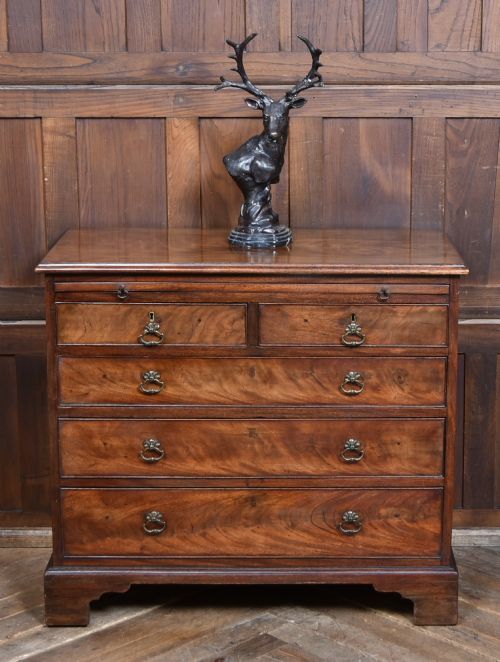
The structural layout typically comprises multiple graduating drawers arranged vertically, sometimes incorporating a pull-out brushing slide or writing surface at counter height. Internal construction often relies on secondary timbers such as oak and pine to support the primary exterior mahogany framework.
Materials and construction methods
Cabinet makers constructed these carcases using solid mahogany alongside flame mahogany veneers applied to primary visible surfaces to create dramatic grain patterns. Secondary woods like oak and pine served for drawer linings and internal dividers, while boxwood and bone provided decorative stringing or inlay details.
Hardware played a functional and decorative role, with brass handles and escutcheons secured to drawer fronts using original or replacement fixings. Joinery techniques relied on precision dovetailing for drawer construction to ensure stability and smooth movement within the frame.
Some chests hide sliding shelves originally intended for shaking out the dust from powdered eighteenth-century wigs.
Determining quality across the selection
Quality rests primarily on the choice of timber and the dexterity shown in matching veneer grains across the drawer fronts. Uniform figuring and careful book-matching elevate an item above plain carcases built with utilitarian efficiency.
The integrity of the structural joinery, particularly the tightness of drawer dovetails and the condition of secondary woods like oak, distinguishes superior cabinet work. Original brass fittings and smooth drawer operation further separate fine examples from simpler workshop output.
The Mahogany Bureau Dresser Glossary
- Mahogany
- A durable tropical hardwood prized for its rich reddish-brown colour and stable working properties. It served as the primary timber for high-end case furniture throughout the Georgian and Victorian eras.
- Flame mahogany veneer
- A thin slice of wood cut from the fork of a mahogany tree where the branch meets the trunk. This produces a swirling, flame-like grain pattern applied to drawer fronts for decorative impact.
- Bow front
- A convex, outward-curving front profile popular on chests of drawers during the Regency period. This shape softens the rigid geometry of standard rectangular case furniture.
- Serpentine front
- A cabinet front featuring a central convex curve flanked by two concave curves. Executing this undulating shape required advanced woodworking skill.
- Brushing slide
- A pull-out shelf integrated above the top drawers used for dusting garments or writing letters. It tucks flush into the frame when not in use.
- Dovetail
- A traditional joint formed by interlocking wedge-shaped fingers. Hand-cut dovetails indicate older, higher-quality cabinet making.
Mahogany Bureau Dresser: Frequently Asked Questions
How do I date a mahogany chest?
Dating relies on observing construction details, timber choices, and overall design proportions. Georgian pieces often feature hand-cut dovetails and solid timber carcases.
Later Victorian and Edwardian examples may incorporate machine-sawn components, secondary pine linings, and distinct hardware styles that reflect changing manufacturing methods.
Where were these pieces used?
These storage units served primarily in domestic bedrooms and dressing rooms to hold folded clothing, linens, and personal effects. The inclusion of a brushing slide provided a convenient surface for grooming tasks.
Grand reception rooms occasionally housed larger serpentine examples to display decorative objects on top.
How do I maintain mahogany furniture?
Maintain mahogany by keeping pieces away from direct heat sources and strong sunlight to prevent the timber from drying out. Regular dusting with a soft, dry cloth preserves the polished surface.
Occasional application of appropriate wax feeds the wood and maintains its natural sheen without building up heavy residue.