

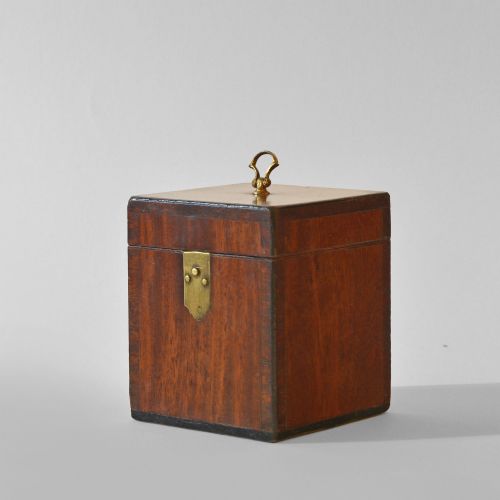
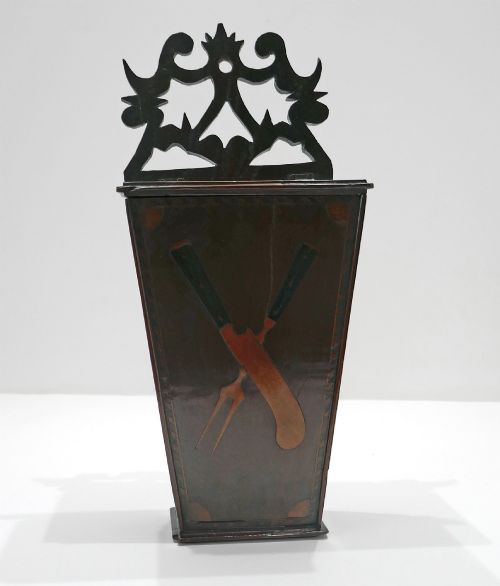
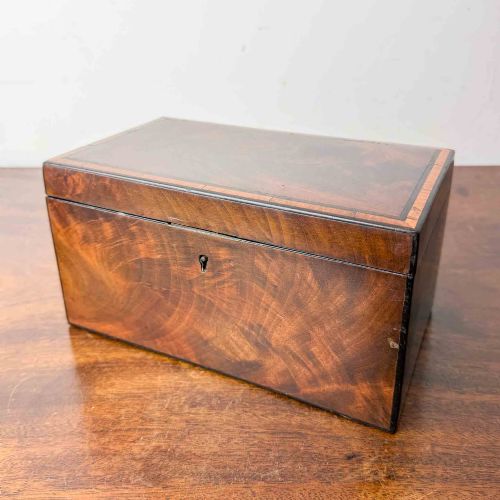
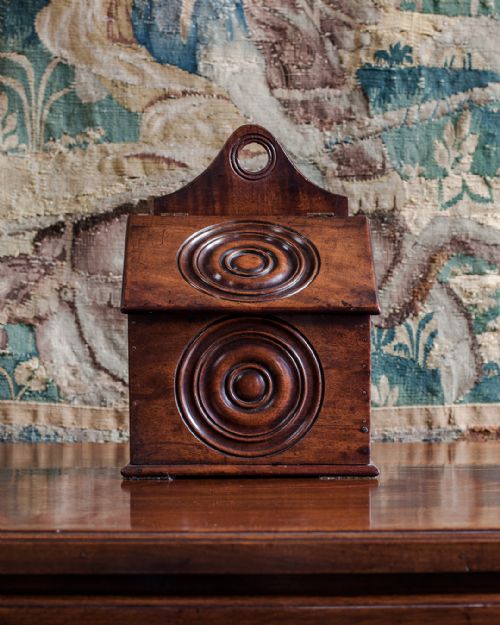


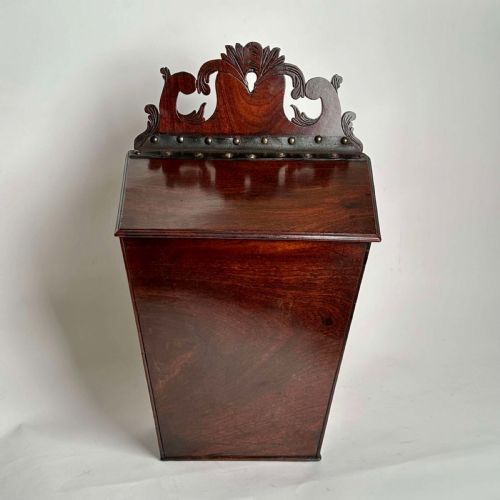
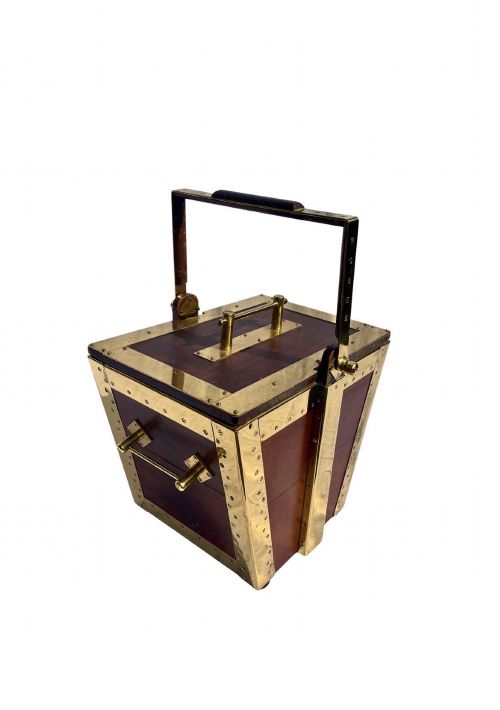
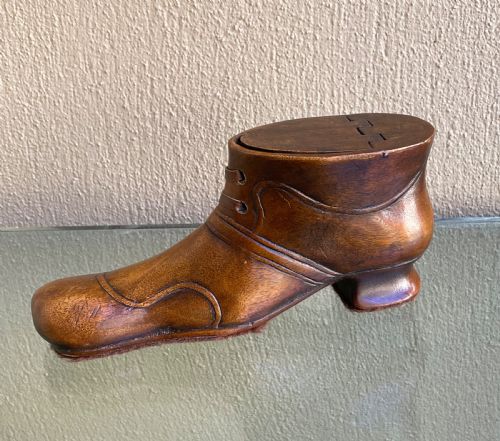


Mahogany Box Container
These mahogany box container pieces are solid timber containers built to hold tea, cutlery, fuel, or personal items with genuine period character.
Mahogany Box Container
When you search for a mahogany box container, you encounter a diverse array of wooden receptacles spanning the Georgian, Regency, and Victorian eras. These range from domestic tea caddies and cutlery boxes to coal scuttles, snuff boxes, and artist boxes.
Makers of these containers utilised the dense, rich grain of mahogany to create durable storage items that sat proudly in the parlour, dining room, or drawing room. Each form serves a specific domestic function, from storing dry leaf tea to holding coal beside the fireplace.
How they were made
Cabinetmakers constructed these containers primarily from solid mahogany or timber embellished with wood veneer and wood inlay. Contrast was often achieved through stringing and banding in boxwood and ebony.
Many examples incorporate brass elements such as carrying handles, escutcheons, hinges, and occasional brass binding to reinforce the corners and edges. Specialised forms like coal scuttles and boxes frequently integrated metal liners and shovels for practical use.
Surface decoration relies upon the natural figuring of the wood, such as flame mahogany, paired with precise turning techniques for circular snuff and pill boxes.
Mahogany Box Container Retail Price Guide 2026
Typical asking prices for mahogany box container among the pieces listed under this phrase on Sellingantiques today, from the lower quarter to the upper quarter. They describe what is for sale here now, not the wider market.
Object forms within this category range widely from utilitarian coal scuttles and salt boxes to delicate artist boxes and snuff shoes.
What varies in quality
The standard of a mahogany box container rests upon the selection of timber grain, particularly the choice of striking flame mahogany veneers over plain stock. Superior examples display careful book-matching and symmetrical grain patterns across the lid and sides.
The precision of the inlay work marks the difference between standard production and finer pieces. Clean, tight intersections of boxwood and ebony stringing indicate high competency in the workshop.
Hardware integrity also separates grades, with heavy cast brass mounts, original working locks with keys, and well-fitted internal compartments commanding greater appreciation.
The Mahogany Box Container Glossary
- Tea Caddy
- A small box or chest designed specifically for storing dry tea leaves securely under lock and key. These containers frequently feature internal lidded canisters.
- Cellarette
- A large freestanding or tabletop container used for chilling and storing wine bottles near the dining table. They often feature robust brass binding and sturdy handles.
- Stringing
- Thin decorative lines of contrasting timber inlaid flush into the surface of the mahogany. Boxwood and ebony are typical contrasting woods used for this technique.
- Sarcophagus Form
- A distinct box shape featuring a domed or stepped lid sloping upward, mimicking ancient monumental tombs popular during the Regency and Victorian periods.
- Treen
- Small handmade wooden domestic objects fashioned by turning or carving. Snuff shoes and circular containers fall into this category.
Mahogany Box Container: Frequently Asked Questions
What were tea caddies used for?
Tea caddies served as secure storage containers for valuable tea leaves during periods when tea was an expensive luxury commodity. Servants or homeowners kept them locked to ration consumption and protect the contents.
Inside, many caddies contained separate compartments or removable canisters for black and green teas, allowing blends to be mixed before serving.
How do I care for a mahogany box?
Keep wooden containers away from direct sunlight and sudden temperature shifts to prevent the timber and veneers from drying out or splitting. Gentle dusting with a dry cloth maintains the surface.
Avoid placing damp items directly onto the polished wood surfaces, especially on older tea caddies and serving boxes.
How can I tell a Georgian box from a Victorian one?
Georgian pieces often display restrained classical proportions, subtle stringing, and simpler brass hardware fitting the eighteenth-century aesthetic. Woods selected tended toward rich, deep-toned mahogany.
Victorian containers frequently embrace more exuberant forms like the sarcophagus shape, heavier brass mounts, or elaborate flame mahogany veneers reflecting industrial-era manufacturing capabilities.
What is an apothecary box?
An apothecary box is a specialised compartmented container designed to hold medical vials, powders, and scales safely during travel or home use. They feature fitted interior slots for glass bottles.
These utilitarian containers provide a glimpse into nineteenth-century domestic healthcare practices and household management.
Are keys usually included with antique boxes?
Original working keys are occasionally present with surviving tea caddies and storage chests, but many centuries-old boxes have lost them over time. Locks can often be worked by specialists if needed.
The presence of an escutcheon plate indicates that a lock was intended, even if the key is missing from the modern listing.