




Mahogany Armoire with Drawer
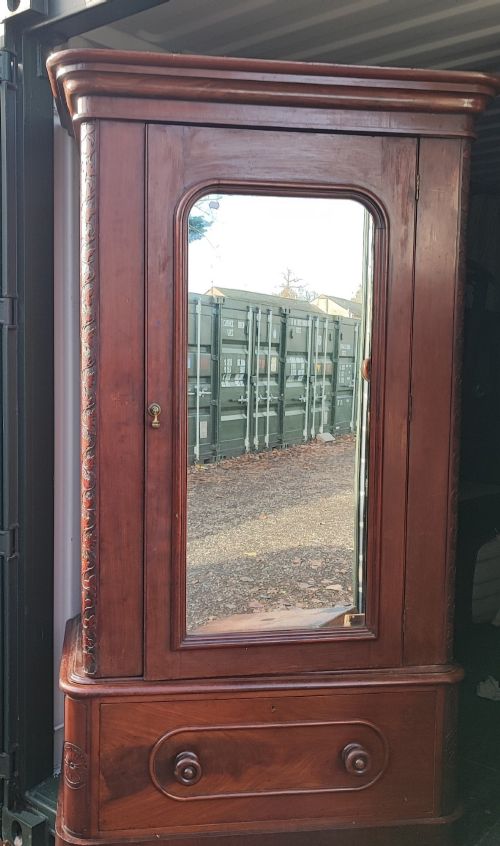
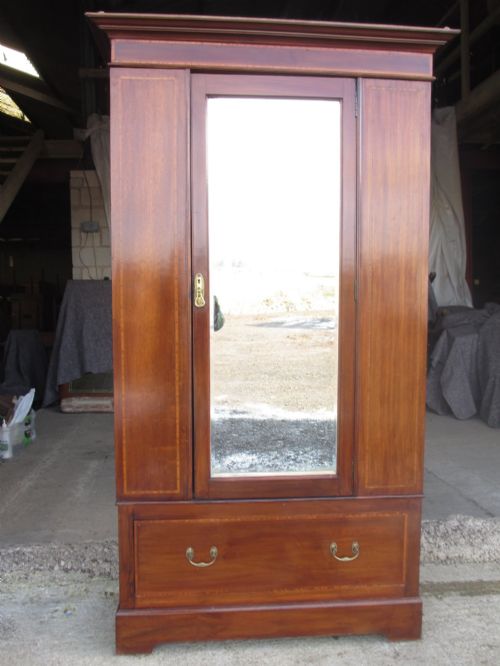
Mahogany armoire with drawer pieces offer substantial timber storage, combining deep red grain with practical base compartments for linens and clothing.
Mahogany Armoire with Drawer
A mahogany armoire with drawer brings together substantial timber wardrobe storage and integrated base compartments. These items surface across Georgian, Victorian, and Edwardian eras, spanning years such as 1750, 1800, 1870, and 1900.
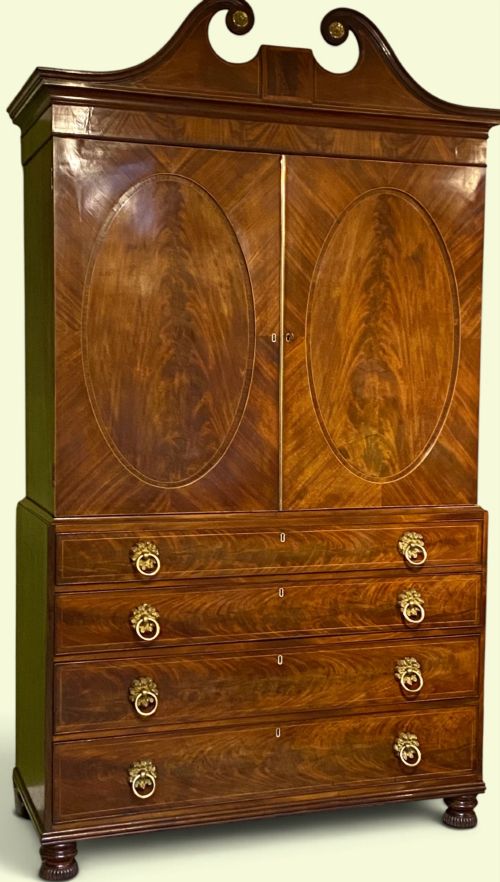
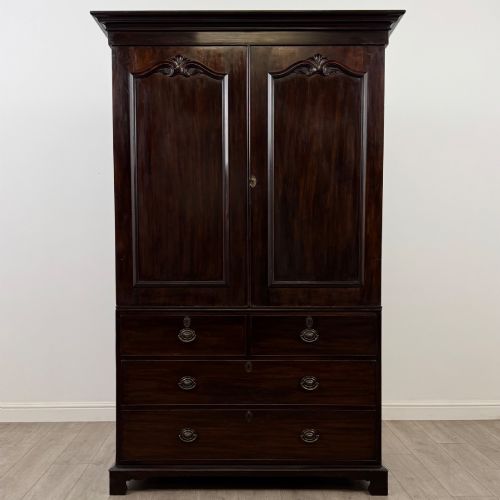
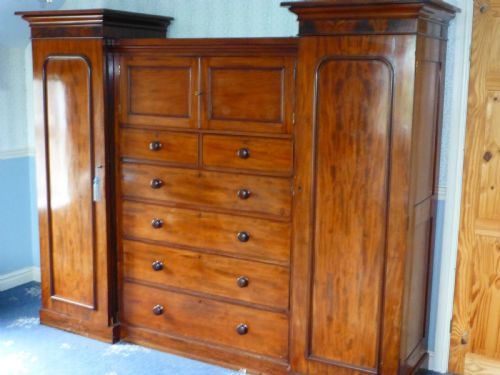
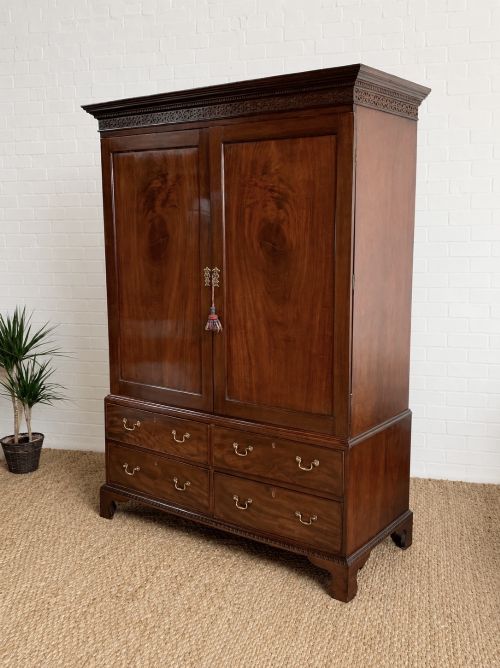
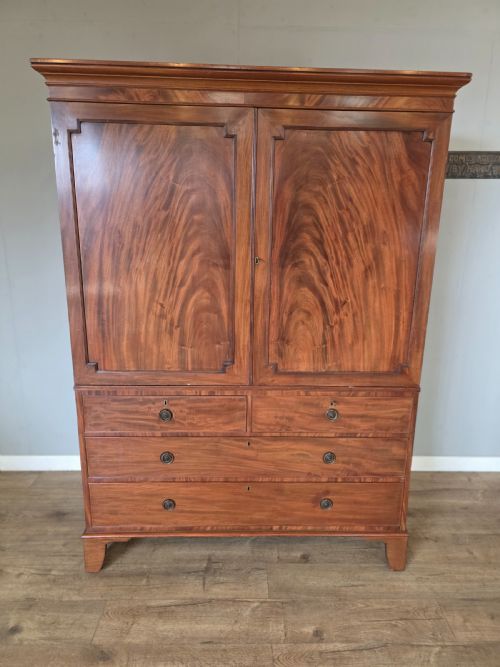
The evidence shows forms catalogued as wardrobes, linen presses, compactum wardrobes, gentleman's wardrobes, cabinets on chest, and miniature wardrobes. Pieces arrive in styles including Victorian, Edwardian, Georgian, 19th Century Georgian Style, French Empire, and Biedermeier.
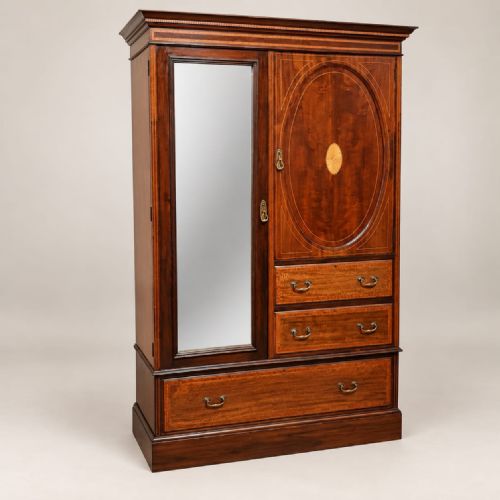
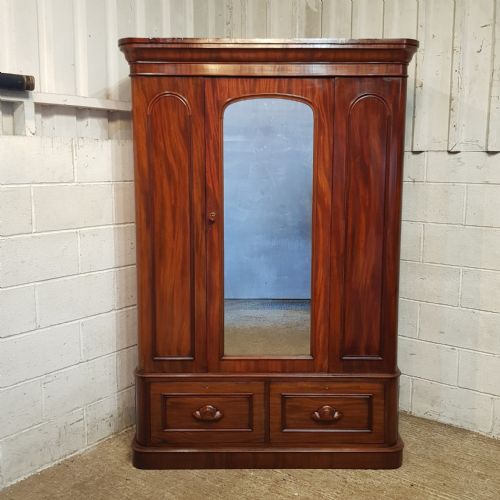
Buyers encounter single wardrobes, double wardrobes, and combination formats designed for bedrooms and dressing rooms. The integration of lower drawers provides foundational support and extra utility beneath the primary hanging or shelf space.
Materials and construction methods
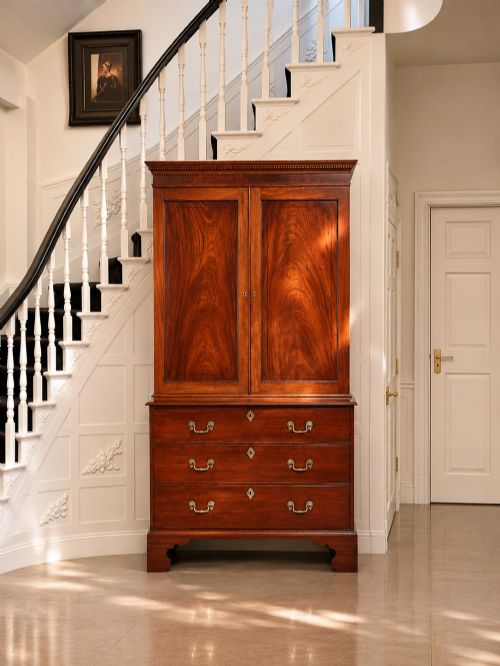
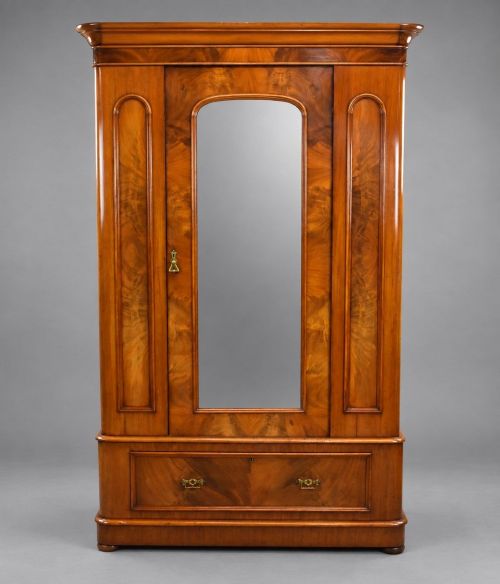
Cabinet makers utilised solid mahogany and mahogany veneer, frequently selecting flame mahogany for striking grain patterns on the primary surfaces. Secondary timbers such as pine appear in internal construction, whilst satinwood offers contrasting detail.
Metalwork relies upon brass fittings, alongside gilt metal mounts seen on French Empire examples. Glass and mirror glass integrate into doors, complemented by carved elements like blind fretwork cornices.
Mahogany Armoire with Drawer Retail Price Guide 2026
Typical asking prices for mahogany armoire with drawer among the pieces listed under this phrase on Sellingantiques today, from the lower quarter to the upper quarter. They describe what is for sale here now, not the wider market.
A miniature mahogany wardrobe survives alongside full-scale furniture, offering small-scale storage.
Distinctions in quality and execution
Quality rests upon the selection of timber, where regular mahogany gives way to highly figured flame mahogany veneer across principal doors and drawer fronts. The crispness of carved details, such as blind fretwork cornices, separates standard joinery from superior workshop production.
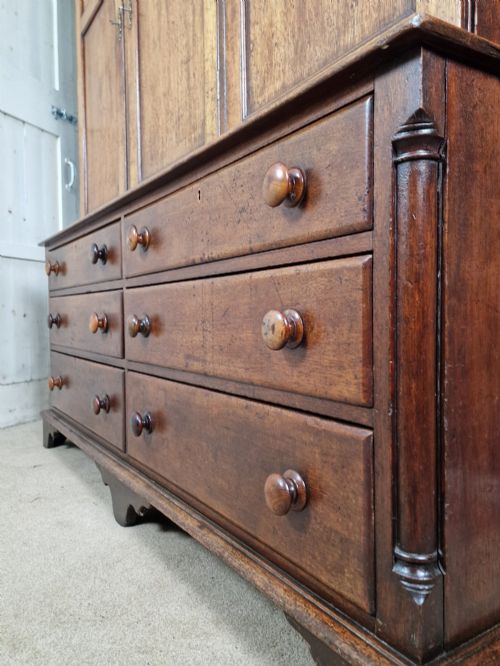
Hardware execution and internal configuration define the upper tiers of these pieces. Original brass handles, fitted sliding trays, and integrated compartments demonstrate deliberate design choices by makers.
maples & co·Gillows
The Mahogany Armoire with Drawer Glossary
- Flame mahogany
- A veneer cut from timber where the grain creates a distinctive flickering flame pattern. This figure appears on high-grade cabinet fronts.
- Linen press
- A tall storage piece traditionally housing sliding trays in the upper section for folded textiles, paired with base drawers. It serves as a precursor to modern wardrobe storage.
- Compactum
- A multi-compartment combination wardrobe designed to hold various types of attire within a single footprint. It unites hanging space, drawers, and shelving.
- Blind fretwork
- Carved ornamentation applied to a solid background without piercing right through the wood. It decorates cornices and friezes on Georgian pieces.
Mahogany Armoire with Drawer: Frequently Asked Questions
What is a linen press?
A linen press is a tall storage cabinet featuring internal sliding trays in the upper section for folded garments and linens. The lower portion contains one or more storage drawers.
Historically used before hanging wardrobes became standard, these pieces keep textiles flat and organised.
How do I identify a Georgian piece?
Georgian pieces date from the eighteenth and early nineteenth centuries, often displaying classical proportions and refined architectural cornices. Details like blind fretwork and bracket feet frequently accompany these cabinets.
The timber selection leans towards dense, dark mahogany with traditional joinery methods.
What is a compactum wardrobe?
A compactum is a large combination wardrobe that integrates multiple storage formats into one unit. It combines hanging space with compartments, shelves, and lower drawers.
This design maximises storage efficiency within dressing rooms and bedrooms.
Where does flame mahogany come from?
Flame mahogany is a veneered surface cut from specific sections of the timber tree where the grain twists and catches the light. Cabinet makers applied these decorative veneers to primary focal points.
It creates a distinctive wavy pattern across wardrobe doors.