


Mahogany Accented Drawers
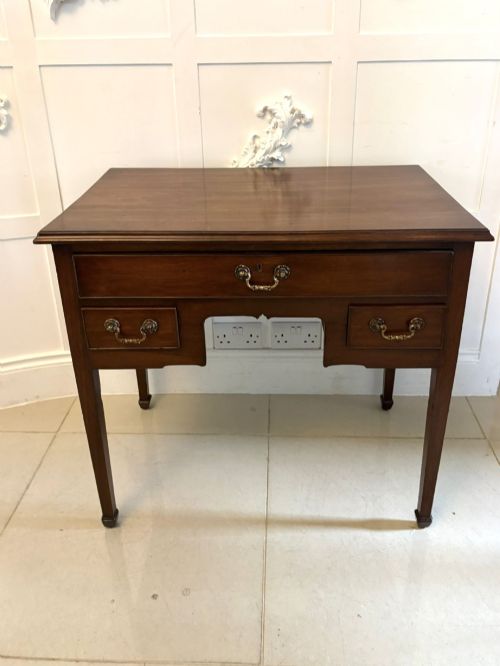
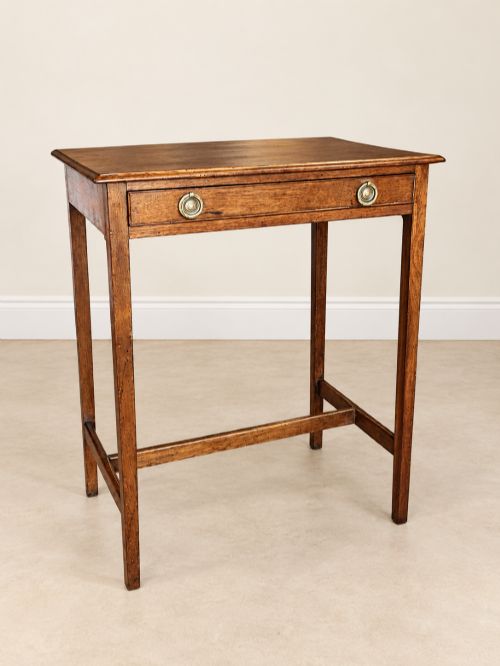
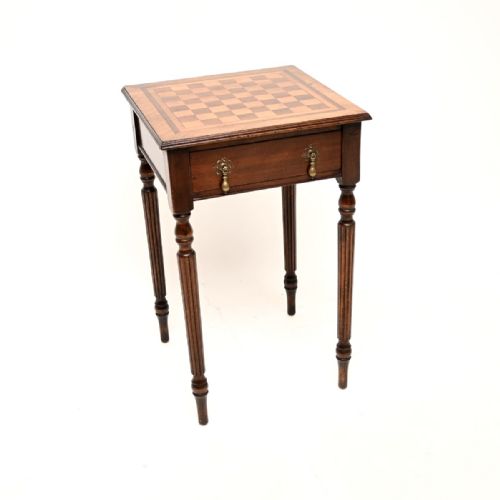
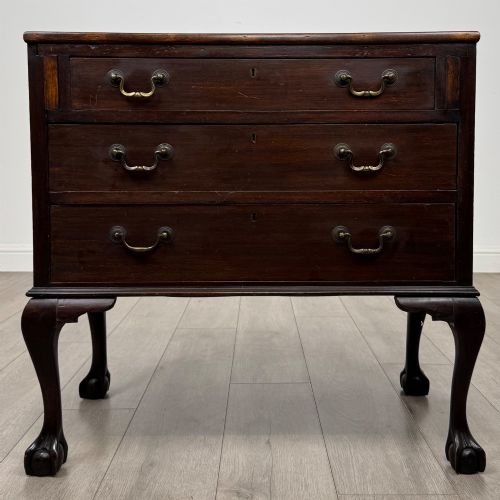
Mahogany accented drawers bring rich timber surfaces and functional storage into a room, spanning side tables, lowboys, and chests.
Mahogany Accented Drawers
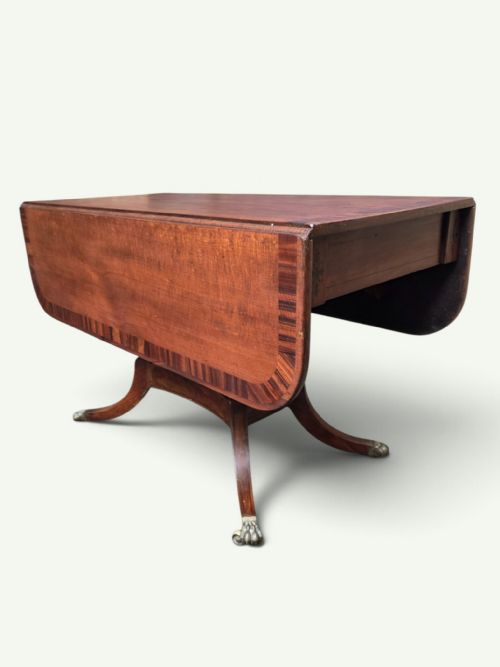
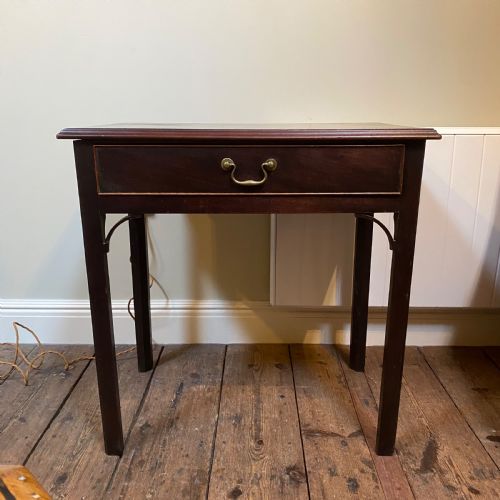
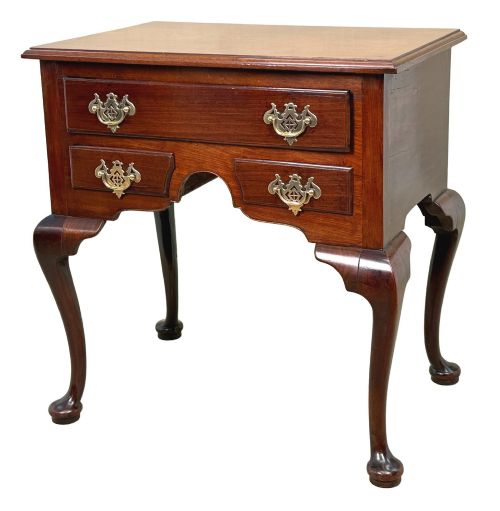
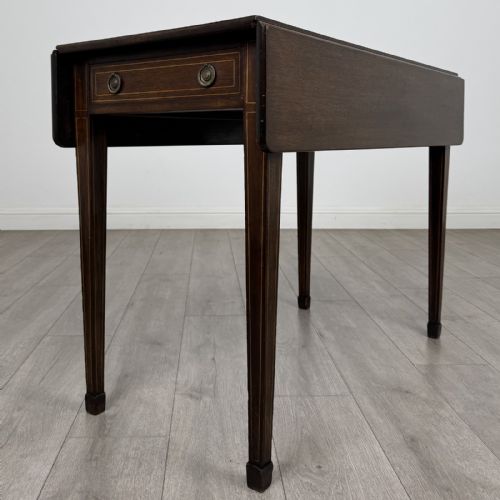
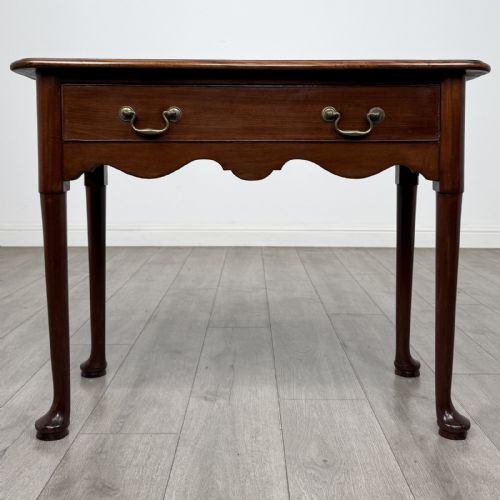
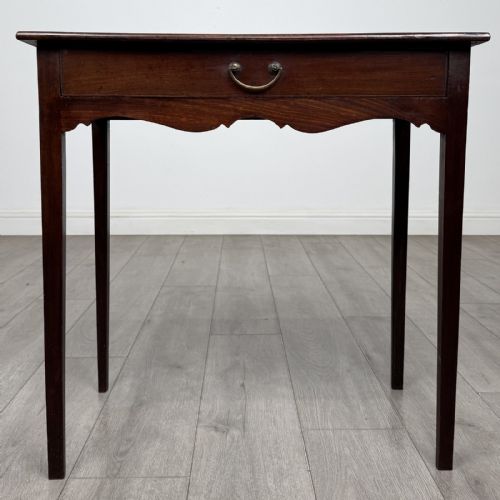
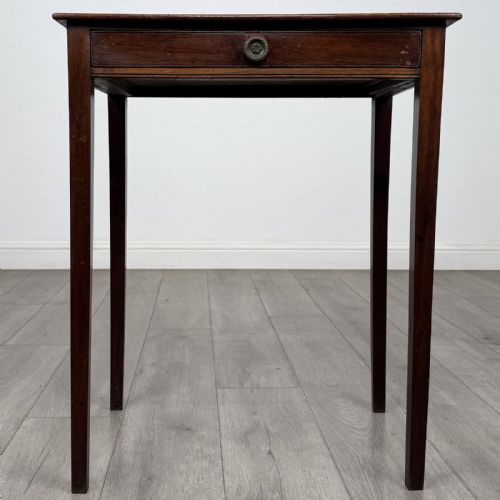
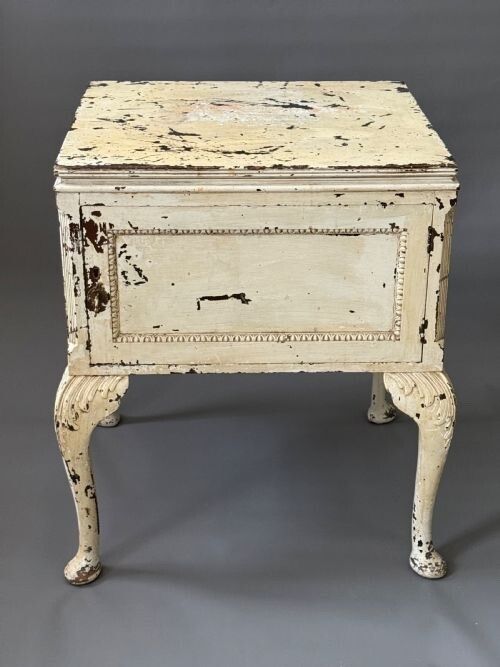
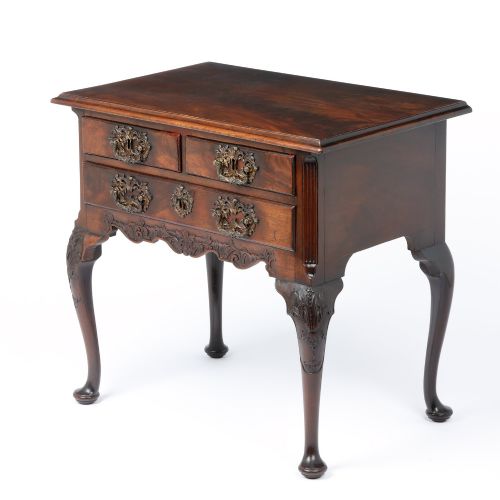
When you search for mahogany accented drawers, you encounter practical furniture designed for domestic storage and utility across several centuries. The selection centres heavily on side tables, lowboys, pembroke tables, and chests of drawers produced during the Georgian, Victorian, and Regency periods.
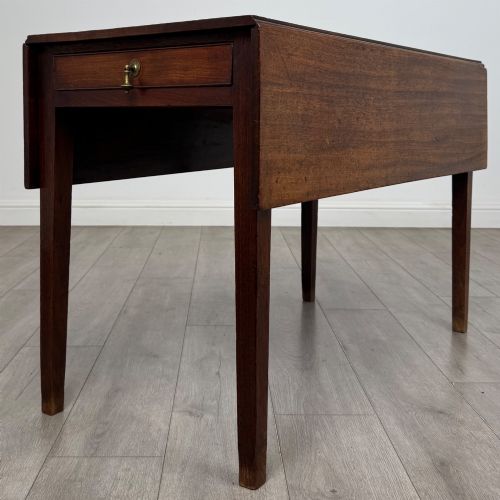
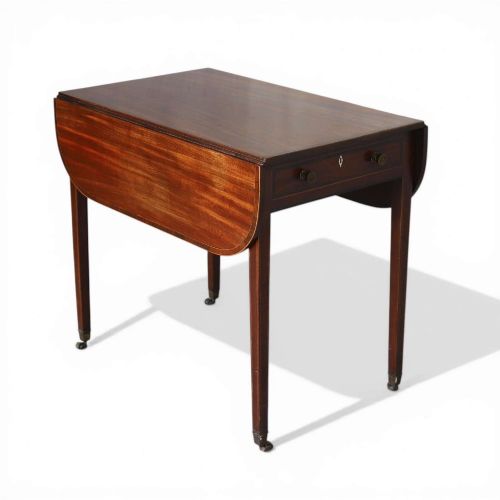
The forms range from compact lowboys with single drawers to drop-leaf pembroke tables and occasional lamp tables. Many pieces feature secondary timbers or specific banding, whilst the primary focus remains on the polished mahogany surface and functional drawer compartments.
How they were made
Cabinet makers utilised solid mahogany alongside supporting woods such as oak, walnut, and maple for internal drawer construction and carcase frames. Brass handles, escutcheons, and occasional castors complete the metallic detailing on these items.
Surface decoration frequently involves boxwood or partridge wood cross-banding, inlay, and painted finishes applied to the timber. Construction techniques rely on traditional joinery methods suited to drop-leaf mechanisms, pedestal bases, and fitted drawers.
Mahogany Accented Drawers Retail Price Guide 2026
Typical asking prices for mahogany accented drawers among the pieces listed under this phrase on Sellingantiques today, from the lower quarter to the upper quarter. They describe what is for sale here now, not the wider market.
Common forms include pembroke tables, lowboys, chests of drawers, and side tables enhanced with boxwood and partridge wood banding.
What varies in quality
The standard of timber selection and grain figure distinguishes finer examples from simpler utilitarian pieces. Richness in the mahogany grain and precision in secondary wood cross-banding elevate the overall presence of a table or chest.
Integration of design elements such as claw and ball feet, well-executed drop-leaf actions, and original brass hardware indicate higher workshop capability. The harmony between the primary mahogany surfaces and structural framing dictates the desirability of each piece.
The Mahogany Accented Drawers Glossary
- Lowboy
- A small dressing table or side table featuring one or more rows of drawers beneath the work surface, commonly elevated on slender legs.
- Pembroke Table
- A drop-leaf table with hinged flaps on either side, often incorporating a single drawer and designed for versatile placement.
- Cross-Banding
- A border technique where thin strips of veneer are laid running perpendicular to the main grain of the furniture surface.
- Drop Leaf
- A hinged tabletop section that folds down to reduce the footprint of the furniture when not in use.
- Escutcheon
- A protective plate surrounding a keyhole on a drawer front, frequently cast in brass.
Mahogany Accented Drawers: Frequently Asked Questions
What is a lowboy used for?
A lowboy functions primarily as a small side table or dressing surface equipped with practical drawer storage. These compact tables fit easily into hallways, bedrooms, or living spaces.
Historically, they served multiple domestic roles including writing surfaces and vanity tables. Their low profile makes them adaptable for modern rooms needing surface space without bulk.
How do I identify a Georgian mahogany table?
Georgian mahogany tables typically display dense, rich timber with hand-cut joinery and period-appropriate brass hardware. Proportions tend to be elegant and restrained, reflecting the aesthetic preferences of the eighteenth century.
Examining the secondary woods inside the drawers provides further clues to dating. Construction methods should match traditional workshop practices of the period.
What is a Pembroke table?
A Pembroke table is a form of drop-leaf table featuring hinged flaps on opposing sides that lift to extend the surface area. Many examples include a working drawer at one end.
Introduced in the eighteenth century, these tables offered flexibility for breakfasting, writing, or occasional tea service. Their mobility allowed them to be tucked away against a wall when closed.
How do I care for antique mahogany furniture?
Antique mahogany benefits from stable room temperatures away from direct heat sources and strong sunlight. Regular dusting with a soft, dry cloth preserves the polished surface.
Application of traditional wax polish maintains the moisture and lustre of the timber. Avoid using silicone-based sprays which can penetrate and damage historic finishes.