


Madonna Portrait Oil Painting
A madonna portrait oil painting brings centuries of devotional devotion and masterwork composition into a room through rich canvas and giltwood frames.
Madonna Portrait Oil Painting
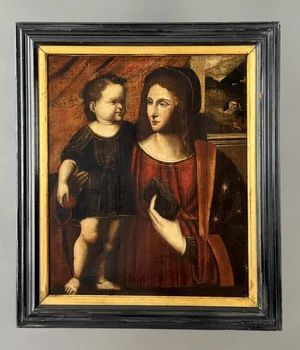
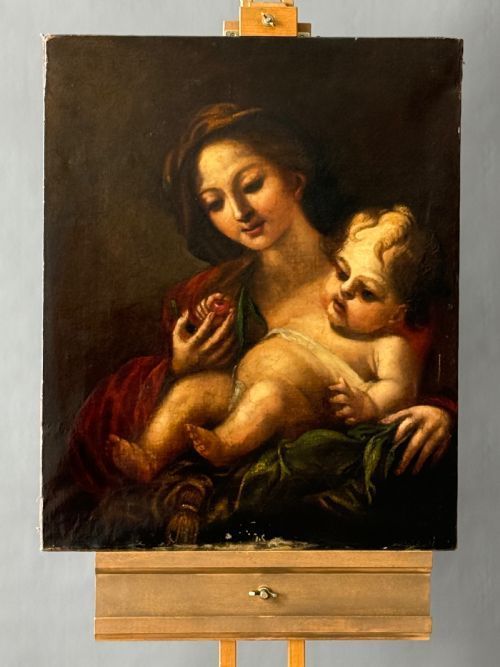
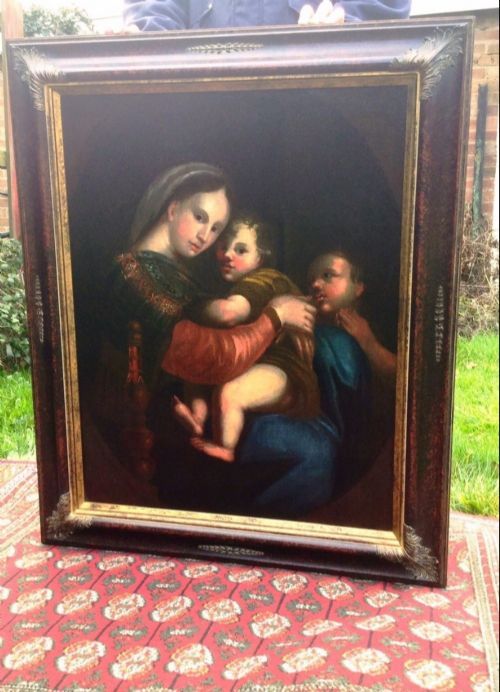
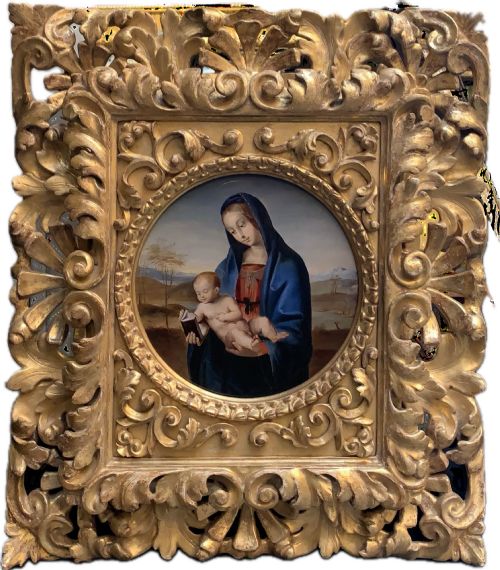
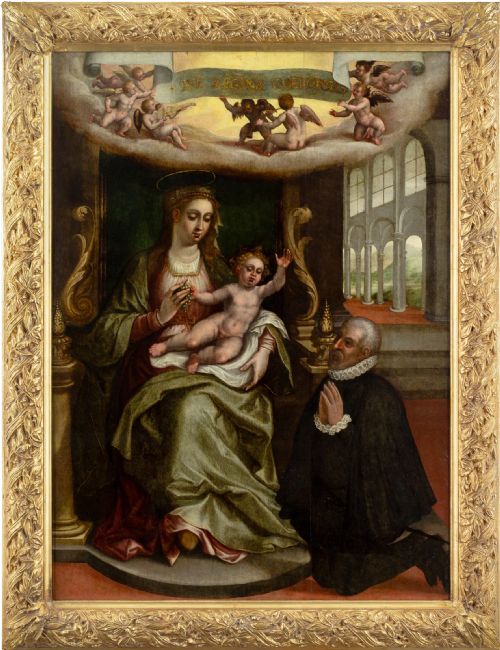
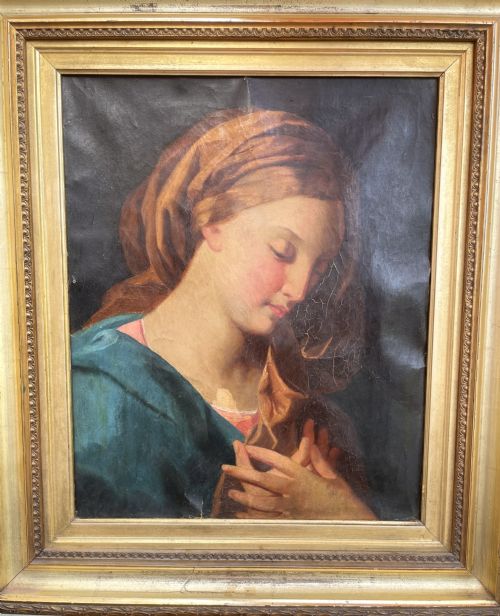
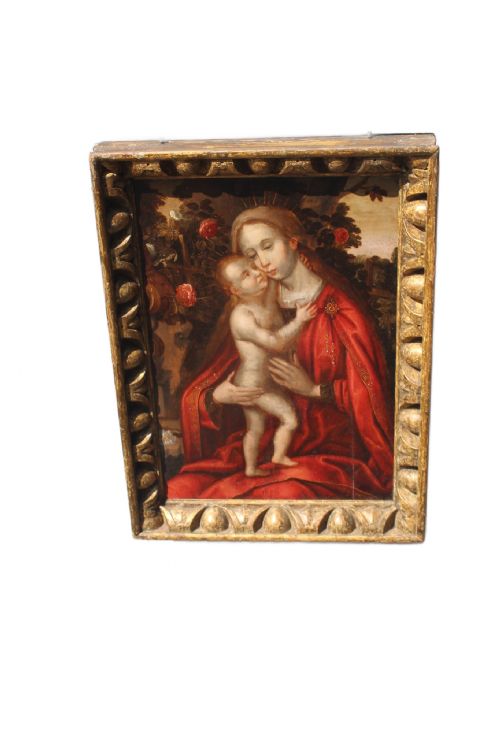
A madonna portrait oil painting depicts the Virgin Mary, frequently accompanied by the infant Christ or members of the Holy Family, rendered in oil medium. Buyers seek these works for their deep art historical lineage and traditional religious iconography.
The versions most commonly met on this page span from the sixteenth century through the eighteenth century, alongside later nineteenth century interpretations and revivals. Subjects range from intimate devotional panels to grand Italian Baroque canvases.
Works on this page include both direct period creations and respectful studies after master compositions by painters such as Raphael, Correggio, and Murillo. These pieces reflect the enduring influence of Renaissance and Baroque religious art across European and colonial traditions.
Materials and construction
Artists painted these works primarily using oil pigments on prepared canvas supports, though certain period examples utilise wood panels, such as fruitwood. Grounds of gesso prepared the wooden surfaces and canvases to receive the oil layers.
Frames play an integral role in the presentation, frequently constructed from carved wood embellished with gold leaf and giltwood finishes. These heavy gilded surrounds reflect the ecclesiastical and domestic shrines for which the portraits were originally commissioned.
Listings feature works spanning the sixteenth through the twentieth centuries, executed in oil on canvas and wood panels with giltwood framing.
Evaluating quality and execution
Quality in a madonna portrait oil painting rests upon the dexterity of brushwork in facial expressions, drapery folds, and anatomical proportion. Superior examples display subtle tonal graduation and confident handling that capture the emotional resonance of the original masterworks.
The integrity of the canvas or panel support and the preservation of the original pigment layers distinguish finer survivals. Period frames featuring original hand-carved giltwood ornamentation also elevate the historical cohesion of the piece.
Bernardino Luini·Francesco Solimena·Pompeo Batoni·Ambrious Benson
The Madonna Portrait Oil Painting Glossary
- Oil on Canvas
- A painting technique utilising pigments bound in a drying oil medium applied to a stretched woven fabric support. This method allowed artists greater blending time and richer luminosity than earlier tempera mediums.
- Giltwood
- Wood carved and coated with a thin layer of gold leaf or gold paint for decorative effect. It forms the traditional framing material for significant religious paintings.
- Gesso
- A paint mixture consisting of a neutral binder mixed with chalk, gypsum, or pigment used to prepare wood panels or canvases. It provides a smooth, stable surface for oil painting.
- Old Master
- A term applied to European painters of skill working before about eighteen hundred. These artists operated within recognised workshop traditions and schools.
- Tondo
- A Renaissance term for a circular work of art, whether a painting or a sculpture. In religious portraiture, this format focuses devotion directly on the central figures.
Madonna Portrait Oil Painting: Frequently Asked Questions
What is a madonna portrait oil painting?
A madonna portrait oil painting is a devotional work depicting the Virgin Mary, often with the infant Christ, executed in oil on canvas or panel. These artworks range from period originals to historical studies after renowned Renaissance masters.
Such paintings served as focal points for private prayer and contemplation in domestic and ecclesiastical settings. Today, they are collected for their historical resonance and traditional aesthetic value.
How do you date an old oil painting?
Dating relies upon examining the canvas weave, the composition of the wood panel or stretcher, and the preparation grounds. Pigment analysis and stylistic comparisons with known dated works further assist in establishing the period.
The framing style and historical attribution notes written on the reverse or recorded in provenance also provide vital clues for chronological placement.
What does after Raphael mean?
The designation indicates that the painting is a later study, copy, or interpretation based upon an original composition by the Renaissance master Raphael. These works were often created by skilled workshop members or later artists studying historical techniques.
Such pieces allowed patrons to own versions of famous masterworks that might otherwise have been inaccessible. They represent the widespread educational practice of copying canonical art.
How should I care for an oil painting?
Display the painting away from direct sunlight and dramatic fluctuations in temperature and humidity to protect the canvas and wood. Maintain stable environmental conditions to prevent the oil paint and gesso from cracking or lifting.
Dust the surface gently with a soft, dry brush and avoid using liquid cleaners or chemical solvents. Professional conservation should be sought for any structural repairs or cleaning of darkened varnish.