


Lustreware Ceramics
Lustreware ceramics bring a distinctive metallic sheen to domestic display through vessels decorated with specialised surface finishes.
Lustreware Ceramics
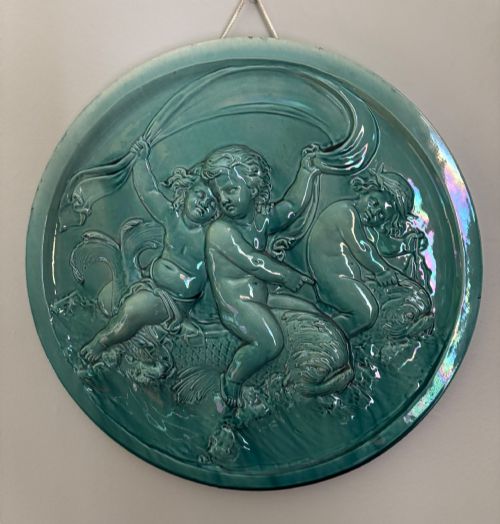
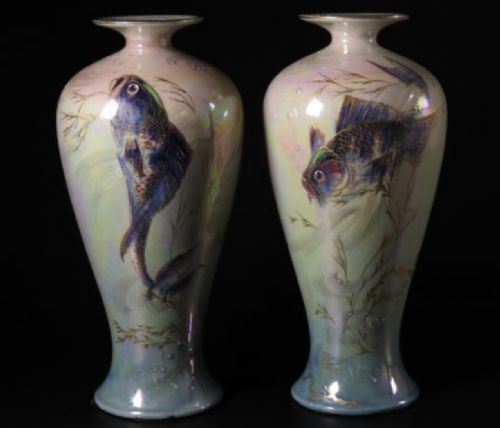
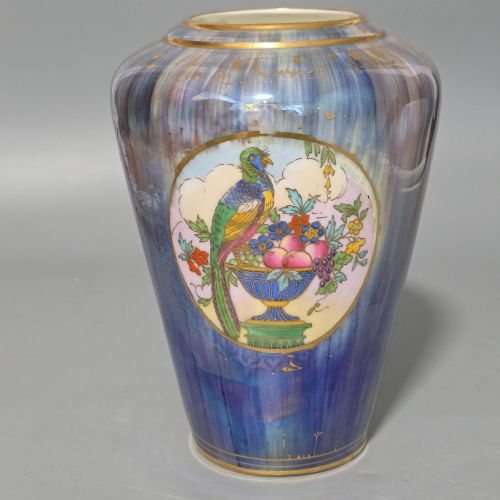
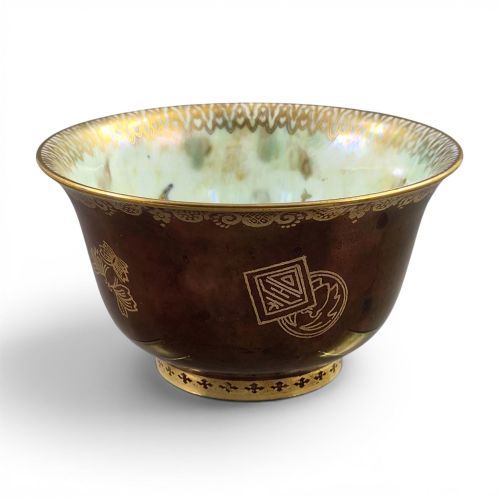
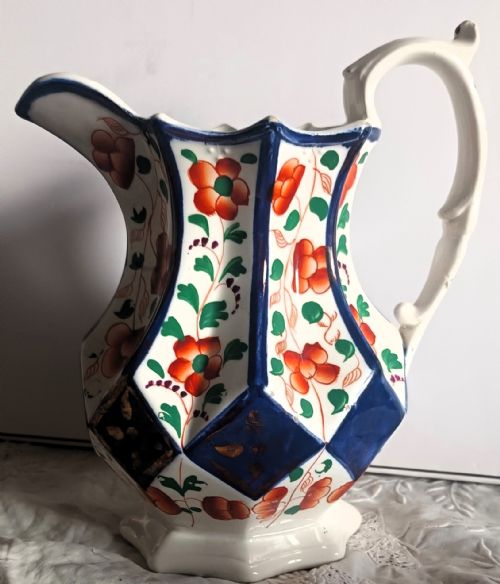
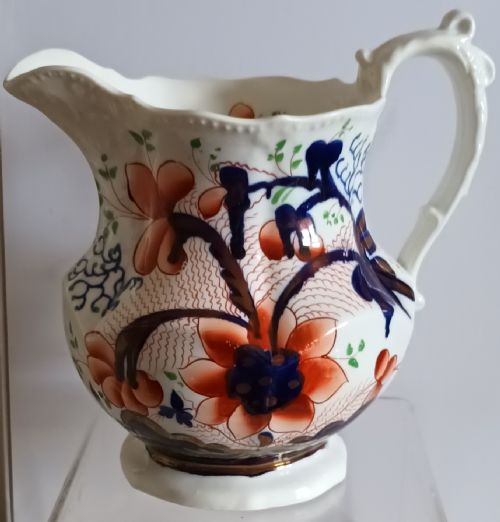
When searching for lustreware ceramics, collectors encounter a diverse group of objects spanning several centuries, from early Persian pottery to later English earthenware. The pieces on this page appear primarily as jugs, decorative bowls, and vases, alongside wall plaques and cache pots.
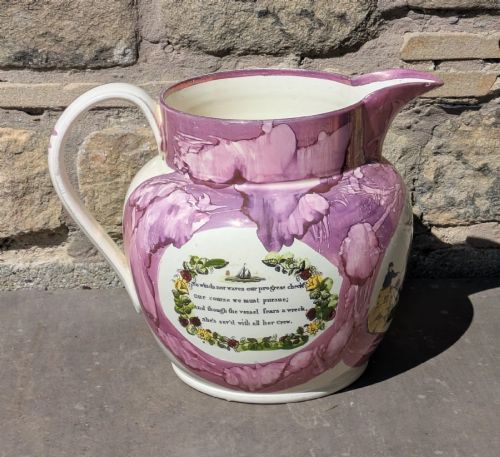
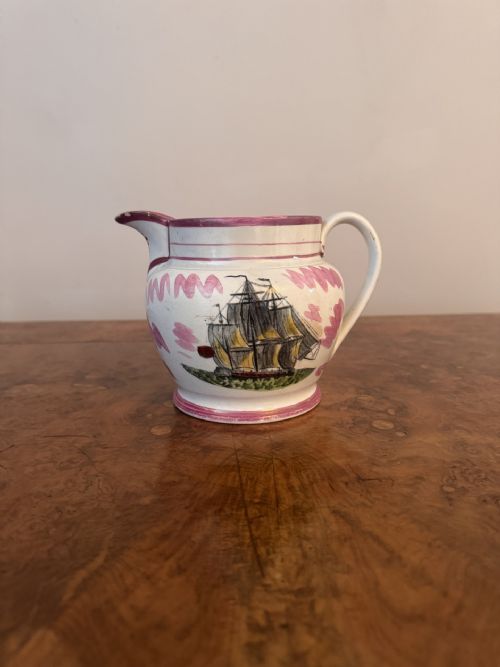
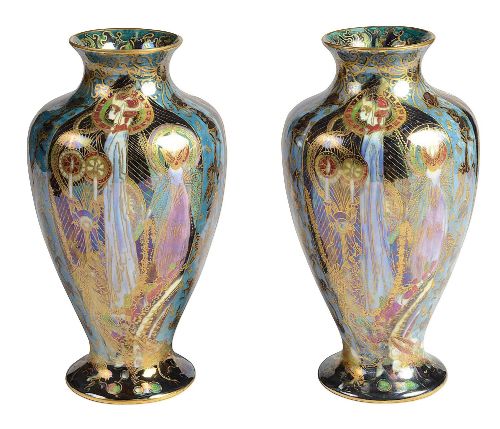
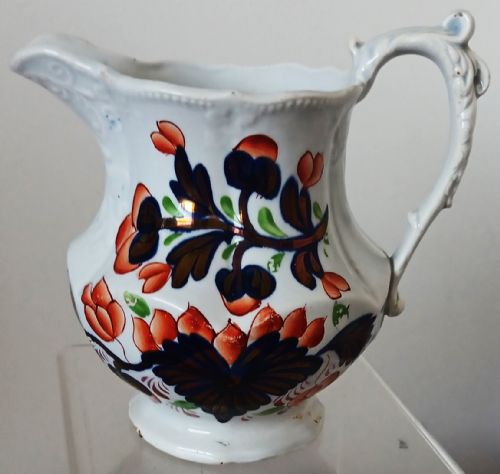
Vessels from the nineteenth century frequently take the form of Sunderland pink splash lustre jugs or Gaudy Welsh tableware. Alongside these are earlier Georgian pearlware examples and twentieth-century decorative pieces originating from makers such as Wedgwood.
The assortment also includes earlier international items, notably thirteenth-century Kashan footed bowls featuring metallic glaze decoration. Buyers navigating this selection will find domestic pitchers sitting alongside elaborate art pottery.
How they were made
Makers produced lustreware ceramics by applying metallic glazes containing silver or copper over a fired ceramic body, bone china, or porcelain. A secondary low-temperature firing then reduced the metal oxides, leaving a thin, reflective film on the surface.
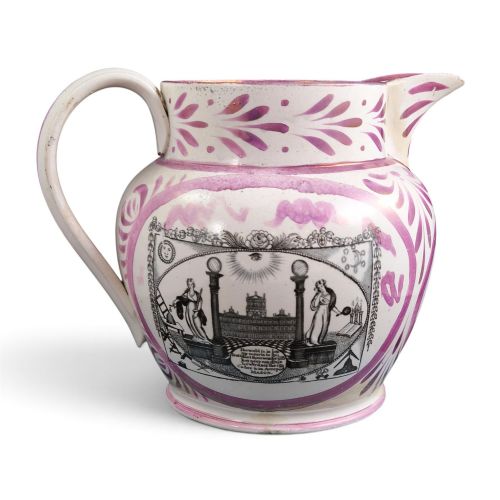
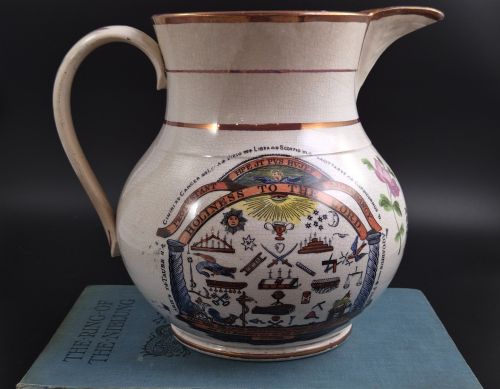
Many items incorporate additional decorative techniques beneath or above the metallic sheen, including polychrome earthenware painting, purple transfer printing, and hand-enamelled details. Some specialised pieces also integrate gold leaf or specific pink splash effects created during the glazing process.
Lustreware Ceramics Retail Price Guide 2026
Typical asking prices for lustreware ceramics among the pieces listed under this phrase on Sellingantiques today, from the lower quarter to the upper quarter. They describe what is for sale here now, not the wider market.
Some nineteenth-century jugs proudly record local boxing matches and Masonic emblems right alongside pastoral poetry.
What varies in quality
The quality of lustreware ceramics depends significantly on the precision and preservation of the metallic sheen across the surface. Stronger examples exhibit an even, iridescent glow without heavy rubbing or dull patches on the high points of the relief decoration.
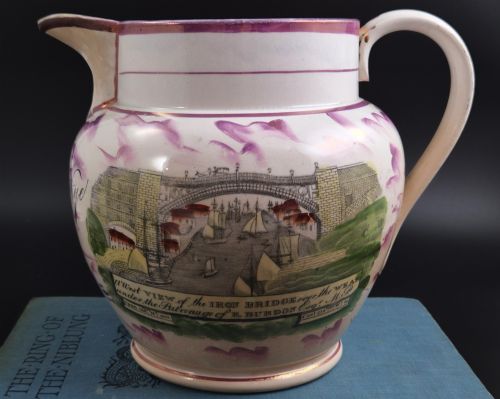
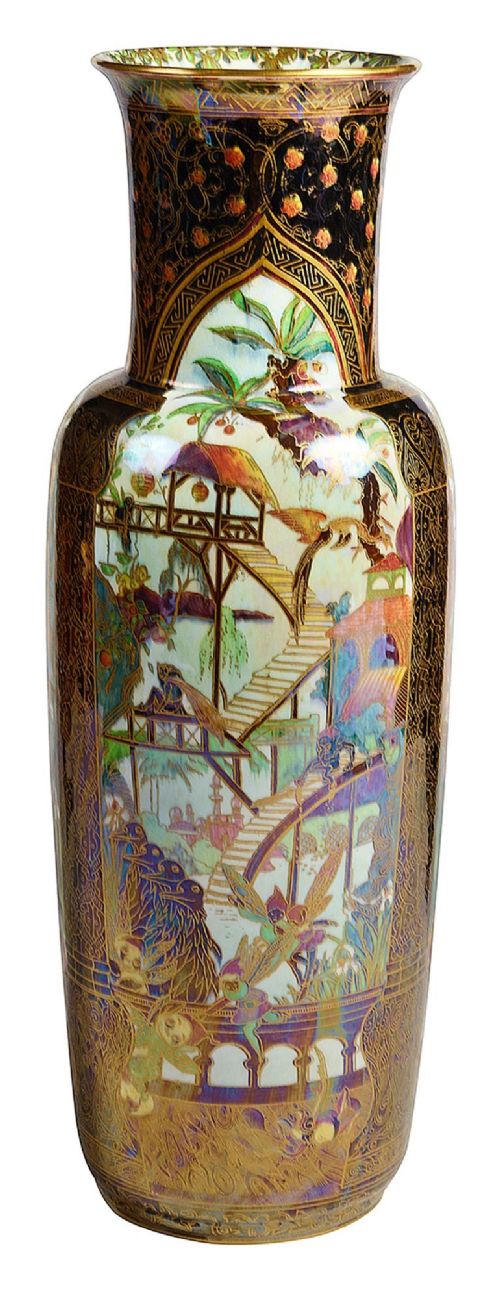
Artistry in the underlying design also distinguishes standard utility items from exceptional studio pieces, such as those featuring complex transfer prints of bridges or detailed hand-painted mythological motifs. The clarity of the glaze application and the crispness of polychrome or transfer details determine the visual impact of each vessel.
Daisy Makeig-Jones·Walter Slater·Enoch Wood And Sons·Livesley Powell And Co·Clement Messier
The Lustreware Ceramics Glossary
- Lustre Glaze
- A specialised ceramic coating containing metallic salts that produces an iridescent, reflective surface upon reduction firing. This finish creates the characteristic metallic sheen found on these wares.
- Pearlware
- A refined earthenware developed in the late eighteenth century featuring a subtle bluish glaze that pooled in recesses. It served as a common base body for early nineteenth-century lustre jugs.
- Pink Splash
- A decorative effect found on Sunderland wares where metallic solution was flicked onto the white glaze before firing to create mottled pink patterns. This technique produced distinctive marbled surfaces.
- Transfer Printing
- A method of applying pre-printed designs from copper plates onto pottery using tissue paper and ink. It allowed makers to produce detailed commemorative scenes and maritime motifs consistently.
Lustreware Ceramics: Frequently Asked Questions
What is lustreware?
Lustreware is pottery decorated with a metallic glaze that creates an iridescent, reflective sheen. The technique involves firing metal oxides onto the ceramic surface.
These pieces range from utilitarian nineteenth-century jugs to highly decorative twentieth-century art pottery and early international bowls.
How do I identify Sunderland lustre?
Sunderland pieces often feature pink splash effects, transfer-printed maritime themes, and verses or depictions of the Iron Bridge over the Wear. They date predominantly from the nineteenth century.
Many of these jugs and plaques were manufactured in the North East of England for local communities and sailors.
What is Gaudy Welsh pottery?
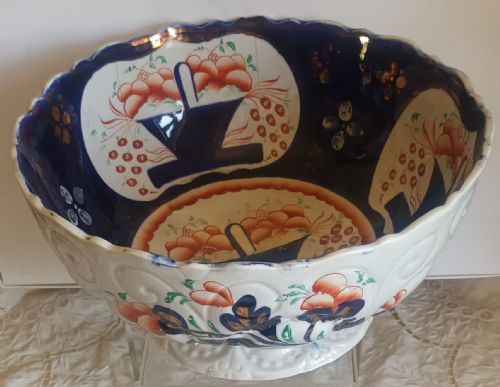
Gaudy Welsh pottery consists of colourful earthenware items decorated with vibrant cobalt blue, copper lustre, and red floral or geometric patterns. These wares were popular in nineteenth-century households.
Common forms include footed bowls, teapots, and jugs featuring pattern names such as Grape, Harlech, and Aberaeron.
How should I clean lustreware?
Lustreware requires gentle care due to the delicate metallic surface layer. Cleaning should involve only soft, dry cloths or mild soapy water without abrasive materials.
Harsh scrubbing can wear away the thin metallic film that gives these ceramics their distinctive reflective quality.