


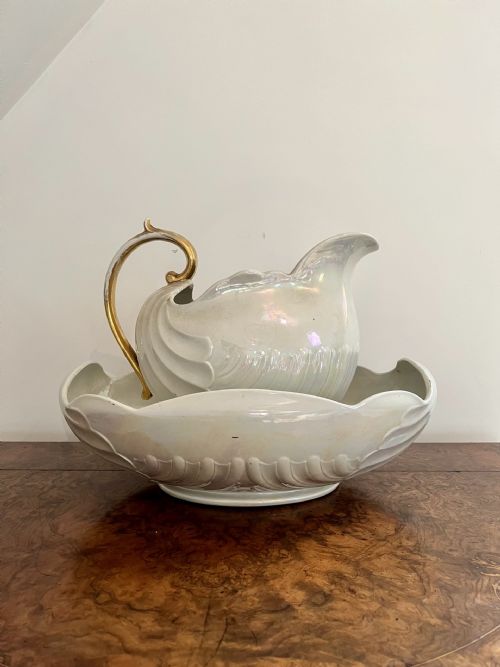
Lustre Glazed Ceramic Bowl
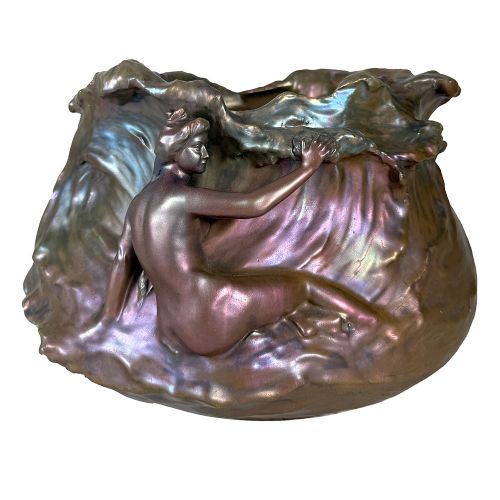
A lustre glazed ceramic bowl catches the light with its metallic sheen, offering both decorative presence and historical depth.
Lustre Glazed Ceramic Bowl
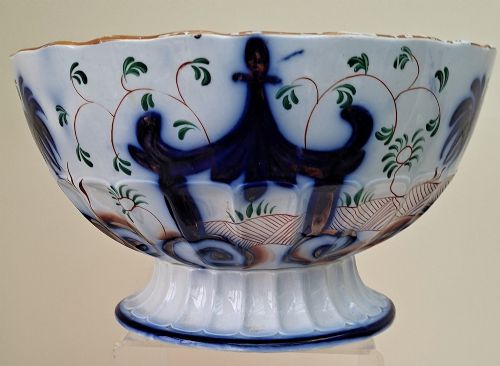
When you search for a lustre glazed ceramic bowl, you encounter vessels that span centuries, from medieval Persian pieces to early twentieth-century British art pottery. The selection moves between footed forms, octagonal shapes, and decorative vessels.
These objects range from delicate porcelain and earthenware to robust ceramic bodies, unified entirely by their reflective metallic finishes.
How they were made
Potters achieved the signature metallic surface of a lustre glazed ceramic bowl by applying metallic oxides to the fired glaze and subjecting the piece to a reduced oxygen firing. This process produced iridescent sheens in ruby, green, and orange tones.
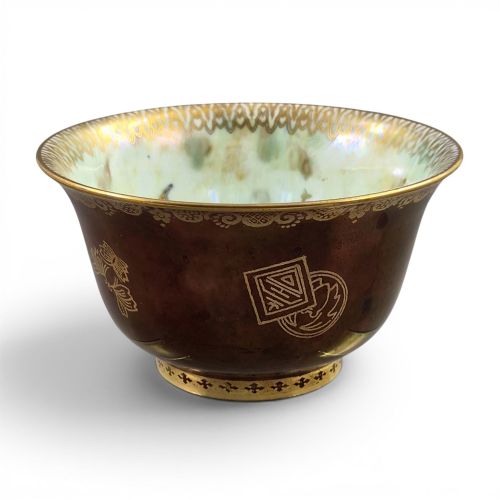
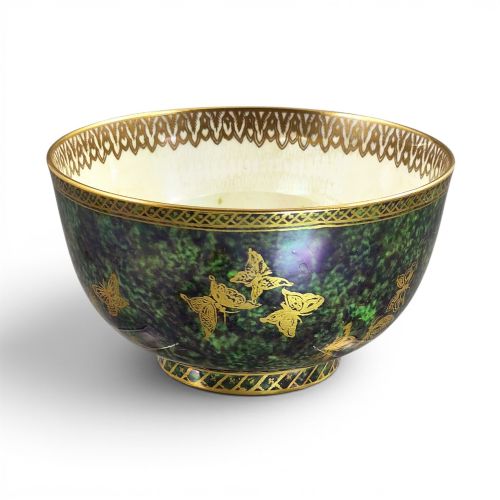
Makers integrated surface embellishments such as gold leaf, gilt, and intricate hand-painted motifs depicting figures, dragons, and butterflies onto earthenware, porcelain, and fritware bodies.
Fantasy creatures and mystical motifs frequently inhabit these surfaces, turning simple ceramic vessels into miniature theatrical stages.
What varies in quality
The distinction between ordinary and exceptional examples rests upon the intricacy of the painted narrative and the depth of the metallic reflection. Early medieval pieces derive their merit from archaeological rarity and hand-formed fritware bodies, while later twentieth-century items depend on the precision of the enamel transfer and hand-gilded detail.
The uniformity of the glaze finish and the complexity of the pattern, such as multi-layered fairy motifs or detailed figural riders, separate standard production items from masterworks.
Daisy Makeig Jones·Wedgwood·Shelley
The Lustre Glazed Ceramic Bowl Glossary
- Lustre glaze
- A type of pottery glaze containing metallic salts that produce an iridescent, metallic surface sheen upon second firing. It requires careful temperature control in the kiln to achieve its distinctive reflective quality.
- Fritware
- A type of pottery originating in the Near East in which a glassy substance is mixed with clay to improve strength and whiteness. This material provided a smooth ground for medieval lustre painting.
- Gilt
- A thin layer of gold applied to the surface of ceramics for decoration. It is often combined with lustre finishes to enhance visual depth.
- Earthenware
- Porous pottery fired at relatively low temperatures that requires glazing to become water-resistant. It serves as the primary body for much of the British art pottery found in this category.
Lustre Glazed Ceramic Bowl: Frequently Asked Questions
How do I care for my bowl?
Wash the vessel gently by hand using mild soap and warm water, avoiding abrasive sponges that might scratch the metallic glaze.
Keep the piece away from direct, prolonged sunlight to preserve the richness of the underlying enamel colours and gold leaf details.
Can I use it for food?
Most antique bowls of this type are intended for decorative display rather than daily culinary service due to the delicate nature of their metallic lustre surfaces.
Historical pieces, particularly those from medieval or early twentieth-century periods, are best appreciated as standalone ornamental objects.
How are different periods identified?
Dating relies heavily on maker marks stamped or painted on the base, stylistic indicators like Art Nouveau or Art Deco motifs, and the specific composition of the ceramic body.
Early medieval Persian vessels display distinct fritware bodies and hand-painted figural styles, whereas Edwardian examples often feature printed pattern numbers and vibrant polychrome enamels.
What causes the metallic sheen?
The iridescent effect results from a thin film of metallic copper or silver nanoparticles deposited on the surface during a specialised low-oxygen kiln reduction firing.
This chemical reaction alters the way light reflects off the glaze, creating the signature rainbow or metallic appearance.