





Lustre Glazed Bowl
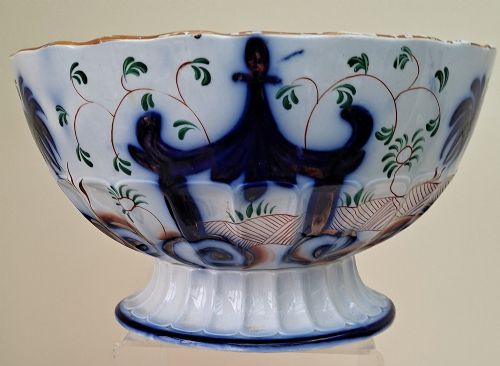
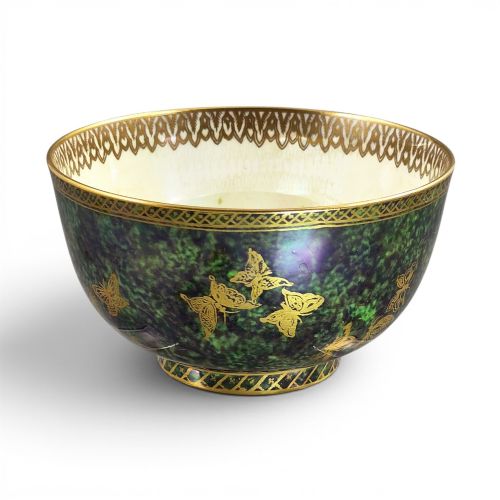
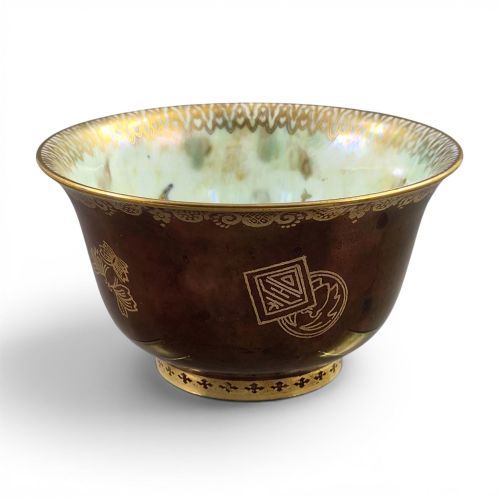
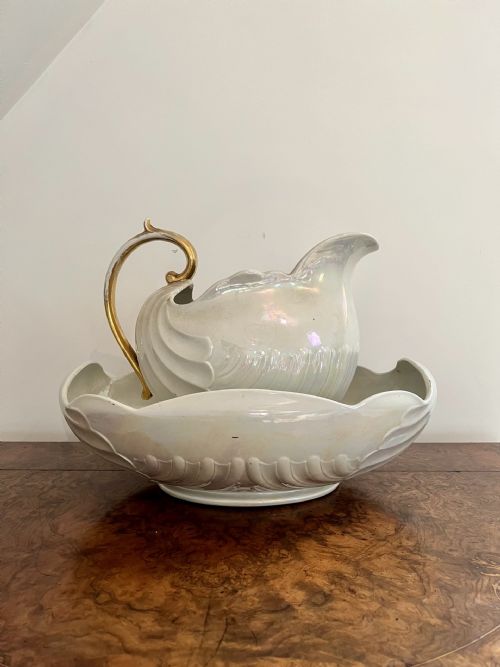
A lustre glazed bowl captures light with a metallic sheen, shifting its colours as you move around the room.
Lustre Glazed Bowl
A lustre glazed bowl brings together centuries of ceramic history, ranging from medieval Persian vessels to early twentieth-century earthenware. When searching for a lustre glazed bowl, buyers encounter everything from early medieval Persian Seljuk and Islamic pieces to Edwardian Wedgwood designs.
Materials and construction
Potters built these vessels using ceramic, earthenware, porcelain, and fritware as a base body. Artisans then applied a metallic glaze, sometimes incorporating gold leaf and gilt details to heighten the reflective quality.
The firing technique required careful control of kiln atmospheres to deposit a thin metallic film over the surface. This process created the characteristic iridescent sheen seen across Victorian, Art Nouveau, and Art Deco styles.
Lustre Glazed Bowl Retail Price Guide 2026
Typical asking prices for lustre glazed bowl among the pieces listed under this phrase on Sellingantiques today, from the lower quarter to the upper quarter. They describe what is for sale here now, not the wider market.
Materials utilised across the current selection include fritware, gold leaf, and traditional lustre glaze.
Judging quality and execution
Quality rests upon the crispness of the painted or transferred design beneath the metallic film and the evenness of the iridescence. Finer pieces display intricate pictorial scenes, such as mythical creatures or riders, rendered with precision.
The depth and complexity of the metallic glaze distinguish standard production ware from exceptional pieces. Early medieval examples rely on the richness of the surviving glaze, while later works depend on the intricacy of the painted motifs.
Wedgwood·Shelley
The Lustre Glazed Bowl Glossary
- Lustre Glaze
- A type of pottery glaze that produces an iridescent metallic sheen through the reduction of metallic oxides during firing. This technique creates a reflective surface that catches light from different angles.
- Fritware
- A historic type of pottery containing powdered glass or frit mixed with clay to aid vitrification at lower temperatures. It provided a fine, white body popular in early Middle Eastern ceramics.
- Gilt
- A thin layer of gold applied to the surface of ceramics or other materials for decoration. It often highlights raised rims or specific motifs within a pattern.
- Footed Bowl
- A vessel raised on a distinct pedestal base rather than resting flat on its bottom. This form elevates the display of the interior glaze and decoration.
- Earthenware
- Porous pottery fired at relatively low temperatures and rendered impermeable by a glaze. It serves as the sturdy base material for many traditional and decorative bowls.
Lustre Glazed Bowl: Frequently Asked Questions
How do I clean a lustre glazed bowl?
Dust the surface gently with a soft, dry cloth to remove particles. Avoid using abrasive sponges, harsh chemical cleaners, or soaking the vessel in water, as these actions can damage the delicate metallic glaze.
Keep the bowl away from direct sunlight and areas prone to high humidity. Proper placement protects the glaze and any added gilt details from unnecessary wear over time.
Can I use an antique bowl for food?
Most antique bowls are intended strictly for decorative display rather than daily culinary use. Early and historic glazes can contain components that are unsuitable for holding food or acidic liquids.
Display the piece on a stable surface where its reflective qualities can be appreciated. Using it as a dry decorative centrepiece preserves the fragile glaze.
How do I date an antique bowl?
Examine the base for maker marks, registration numbers, or stylistic indicators that tie the piece to a specific period. Edwardian designs often feature distinct patterns and maker stamps, while older pieces rely on clay composition and stylistic conventions.
Compare the form and decorative motifs against documented examples from known production eras. Consulting stylistic traits such as Art Nouveau or Persian Islamic influences helps narrow down the origin.
Why does the surface look metallic?
The metallic appearance results from a specialised glaze containing metallic oxides that react during the firing process. This chemical reduction leaves a microscopic film of metal on the outer surface of the ceramic.
Artists across different centuries utilised this technique to mimic precious metals. The resulting iridescence shifts in tone depending on the angle of the ambient light.