

Lowboy Accent Table
A lowboy accent table brings compact elegance to a hallway, offering practical surface space and drawers rooted in centuries of cabinet-making.
Lowboy Accent Table
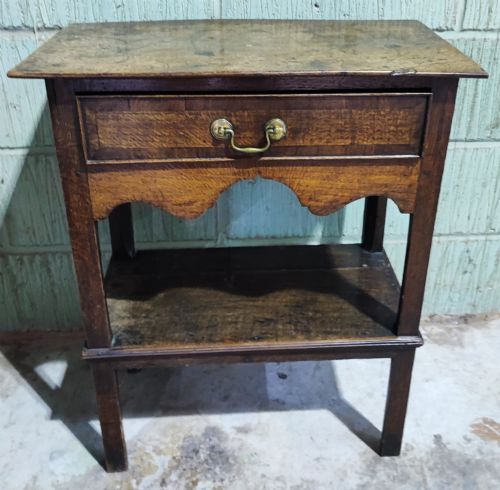
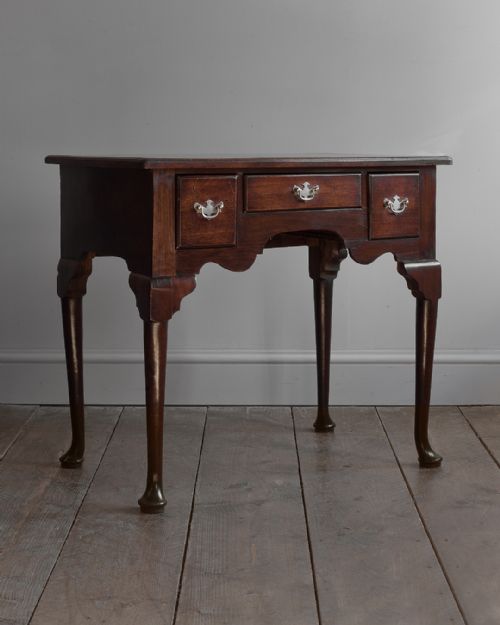
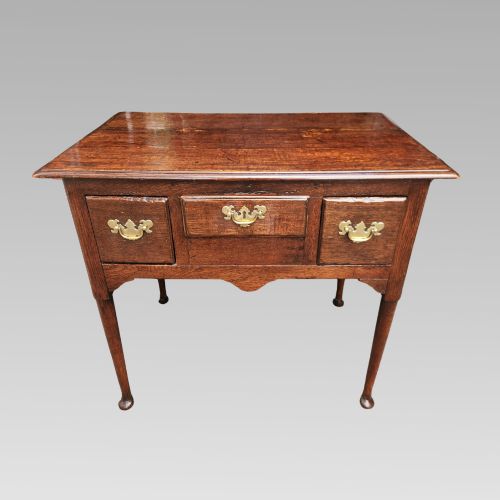
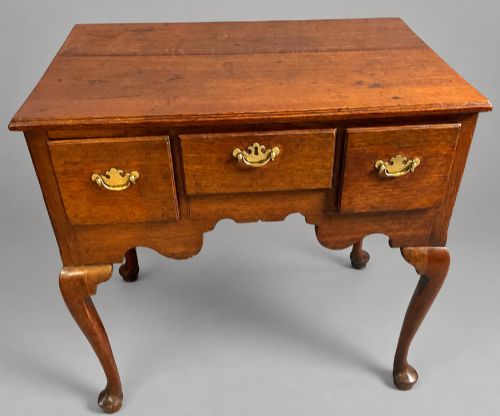
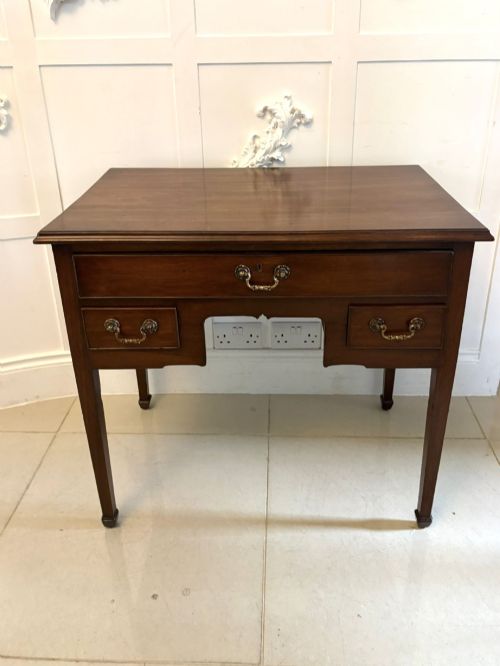
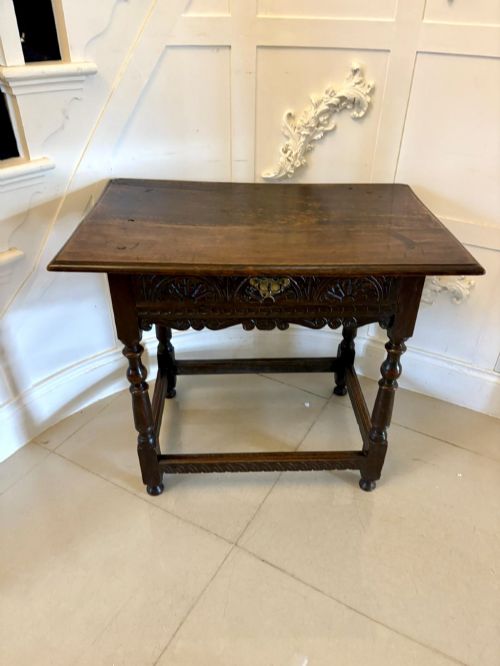
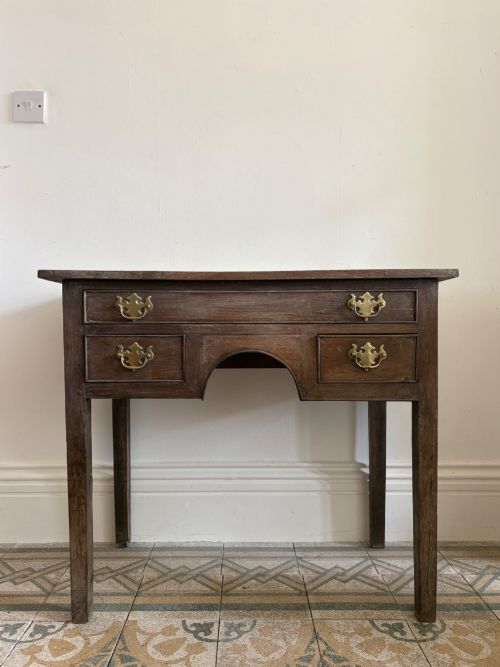
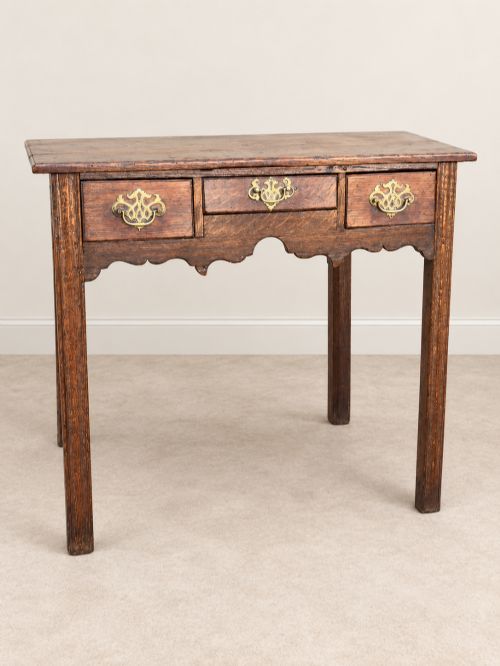
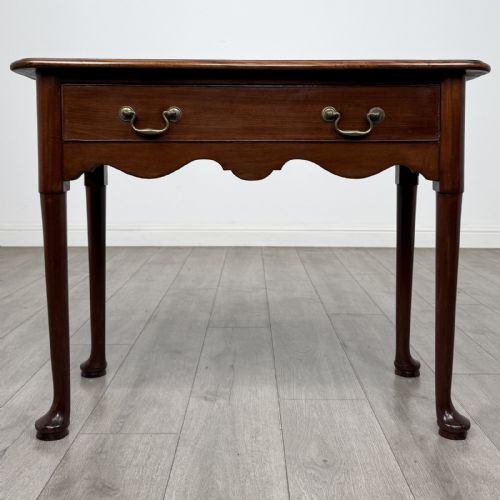
A lowboy accent table serves as a compact side table or hall table, traditionally featuring one or more drawers beneath the surface. When searching for a lowboy accent table, buyers frequently encounter oak and mahogany examples dating from the seventeenth and eighteenth centuries, alongside later revival pieces.
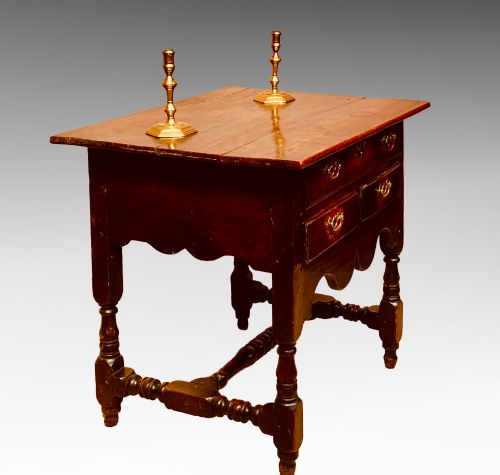
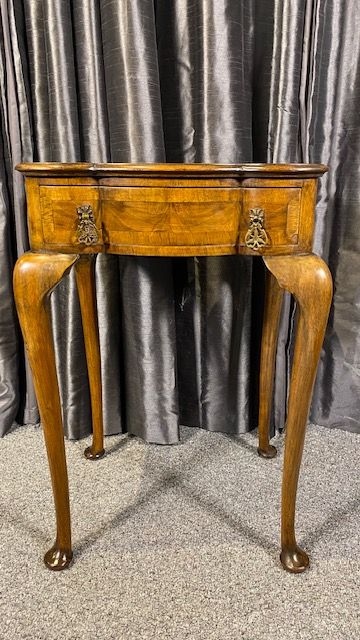
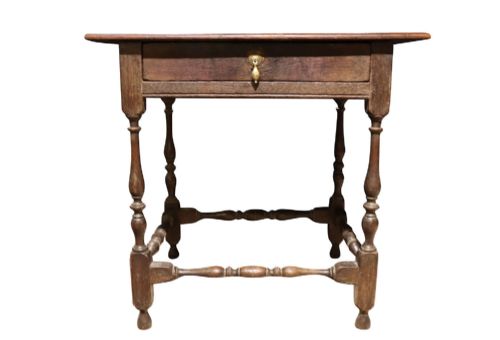
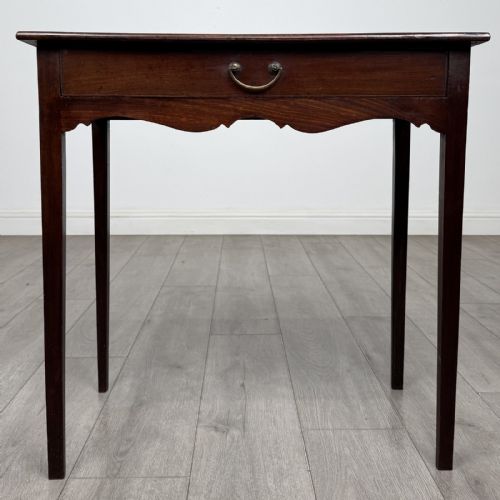
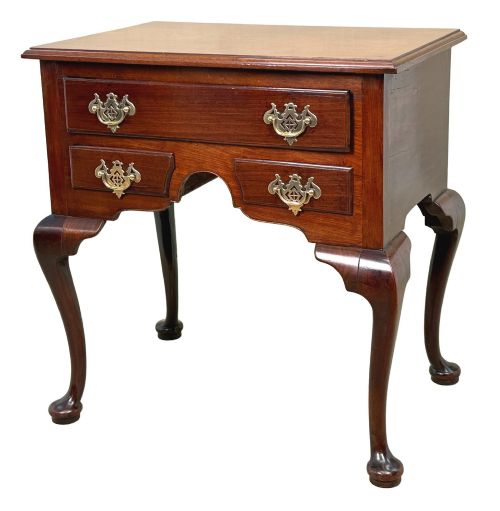
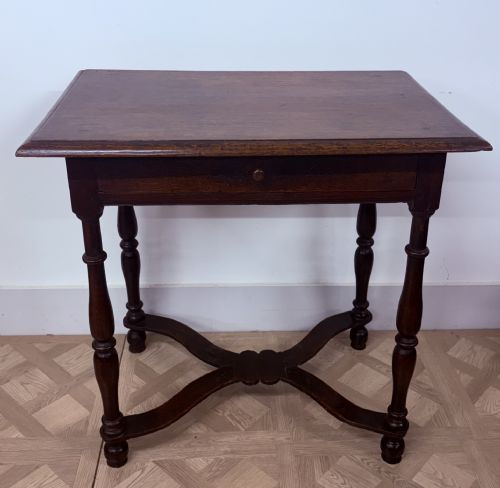
The form typically stands on slender legs, which may be square, turned, or shaped into cabriole designs. Eighteenth-century iterations from the Georgian, Queen Anne, and George II periods dominate the selection, showing regional variations in British craftsmanship.
Makers utilised native and imported timbers, creating versatile tables that fit easily beside seating or along narrow corridors. These pieces combine utility with restrained ornamentation, making them enduring fixtures in traditional and eclectic interiors.
Materials and construction methods
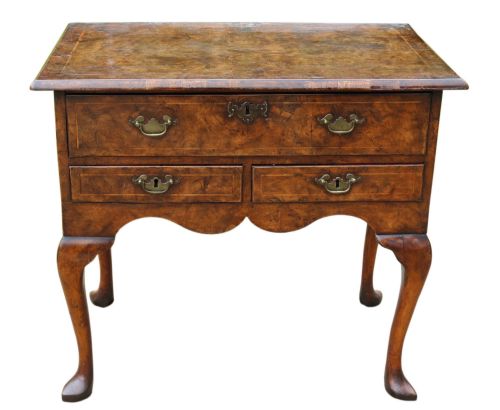
Cabinet-makers constructed these tables primarily using solid timbers such as oak, mahogany, and walnut, frequently selecting figured veneers like burr walnut and burr elm for decorative surfaces. Joinery relied on traditional techniques, including dovetailed drawer construction and tenon joints, ensuring structural stability without excessive metal hardware.
Secondary timbers often included native woods like elm and yew, while brass featured predominantly in drawer pulls and drop handles. Surfaces received hand-rubbed finishes, sometimes leaving a dry surface texture that highlights the natural grain of the wood over centuries of handling.
Lowboy Accent Table Retail Price Guide 2026
Typical asking prices for lowboy accent table among the pieces listed under this phrase on Sellingantiques today, from the lower quarter to the upper quarter. They describe what is for sale here now, not the wider market.
Some seventeenth-century oak tables arrive carrying centuries of dry surface character, looking like they survived a long retirement in a draughty Welsh farmhouse.
Distinctions in craftsmanship and materials
Quality in a lowboy accent table rests upon the choice of timber and the crispness of its execution, particularly in figured veneers and carved details. Pieces utilising well-matched burr walnut or substantial mahogany demonstrate superior material selection by the original maker.
Proportion and leg form dictate the aesthetic success of the piece, with finely turned legs or well-sculpted cabriole legs separating standard examples from finer outputs. The preservation of original surface patination and period brass hardware significantly elevates the character of the table.
Muirhead Moffat and Co
The Lowboy Accent Table Glossary
- Lowboy
- A small table with drawers, standing on relatively tall legs, typically used as a side table or dressing table. The form emerged in the late seventeenth century and remained popular through the Georgian era.
- Cabriole leg
- A furniture leg that curves outward in a convex arc and then bends inward in a concave arc, terminating in a foot. This style became prominent during the Queen Anne and George II periods.
- Burr walnut
- Wood taken from a walnut tree outgrowth, featuring swirling, highly decorative grain patterns. Cabinet-makers used it as a veneer on high-status eighteenth-century furniture.
- Marquetry
- The art of applying pieces of veneer to a structure to form decorative patterns and pictures. Mid-eighteenth-century examples occasionally incorporate this technique on drawer fronts or tops.
Lowboy Accent Table: Frequently Asked Questions
What is a lowboy accent table used for?
Originally designed for grooming or serving small items, a lowboy accent table functions today primarily as a hall table or compact side surface. The integrated drawers provide convenient storage for keys, stationery, or household sundries.
The modest footprint allows these tables to fit comfortably into narrow entryways, alcoves, or beside upholstery without dominating a room.
How do I identify a Georgian lowboy?
Georgian examples typically date from the eighteenth century, constructed in mahogany or oak with characteristic proportions and restrained ornamentation. Look for hand-cut dovetails within the drawers and traditional timber framing.
Leg styles often provide a reliable clue to the period, ranging from straight square legs to shaped cabriole supports reflecting George II or Queen Anne influences.
Are all lowboy accent tables made of oak?
While seventeenth and early eighteenth-century pieces frequently utilise solid oak, cabinet-makers also worked extensively in mahogany and walnut. Burr elm and yew appear in select regional or decorative examples.
Later revival pieces from the Edwardian era and the twentieth century continued these traditional timber traditions using both solid woods and applied veneers.
How do I care for an antique lowboy?
Protect antique wood surfaces by keeping tables away from direct heat sources, direct sunlight, and excessive humidity fluctuations. Regular dusting with a soft, dry cloth maintains the finish without chemical buildup.
Treat the surface gently and avoid placing damp items directly onto older timber to preserve the original patina and wax finish.