
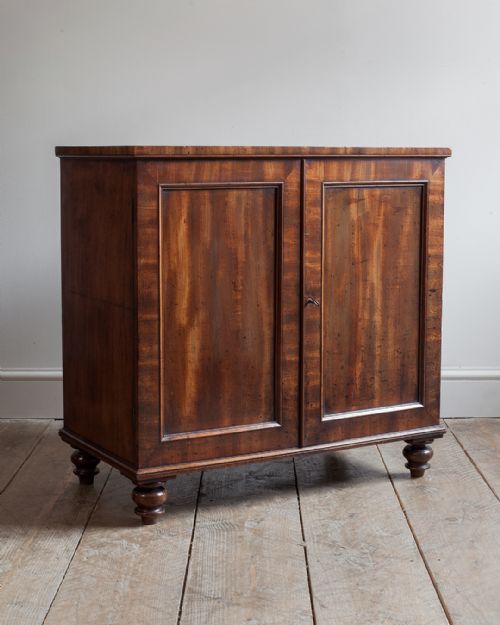
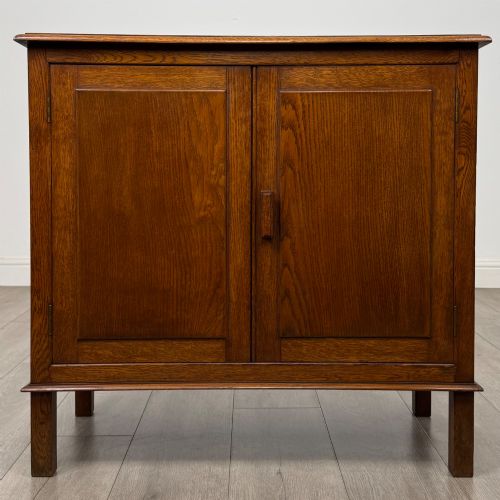
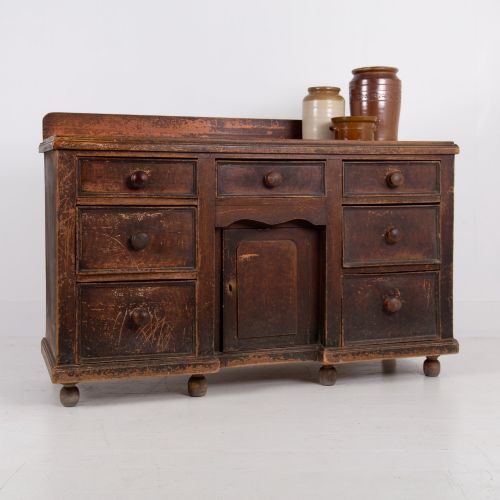
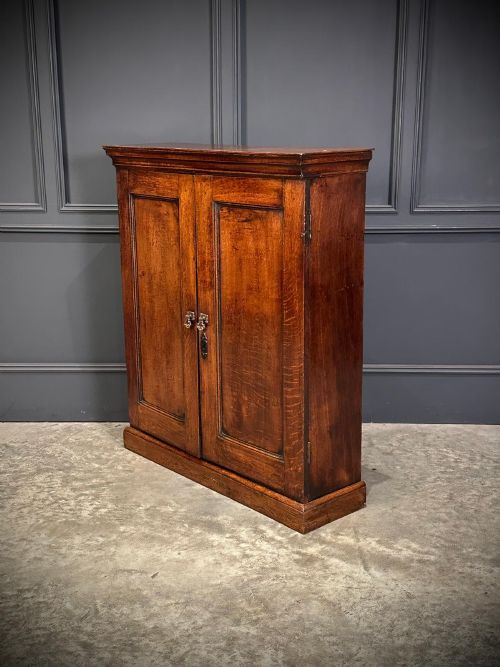

Low Wooden Storage Cupboard
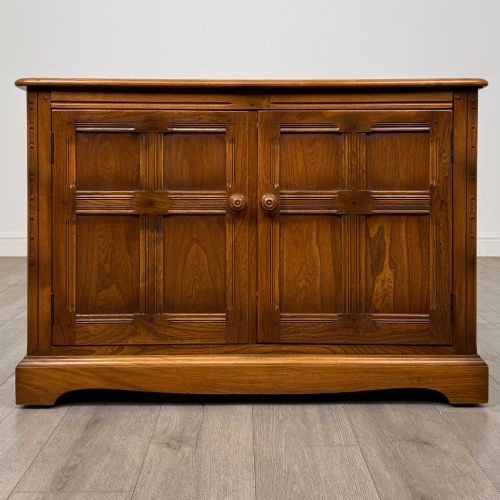
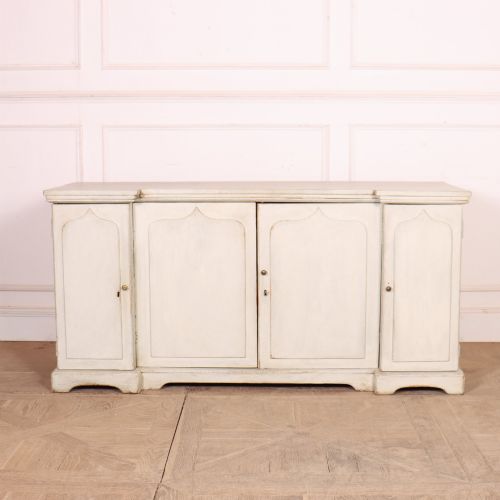
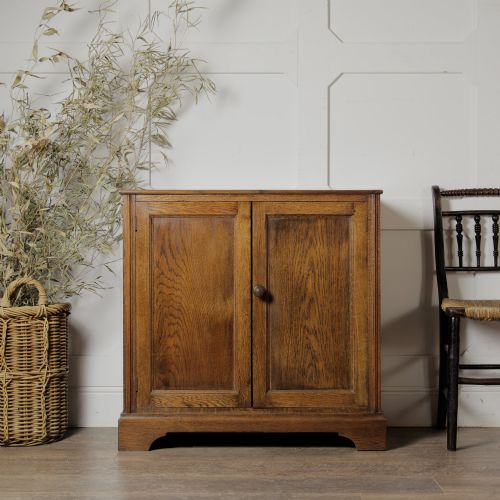
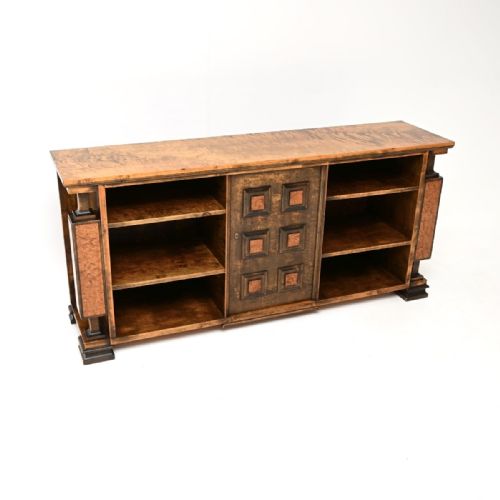
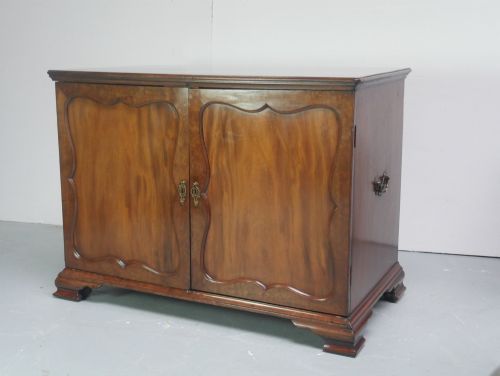
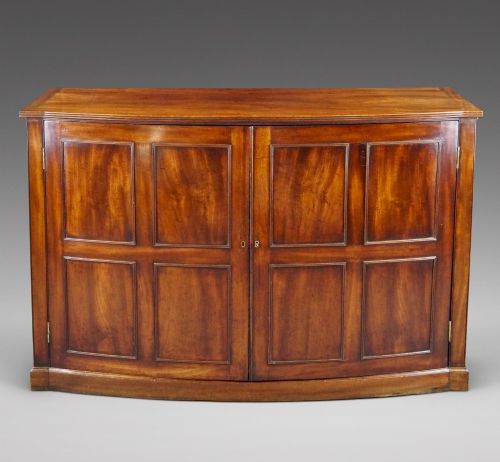
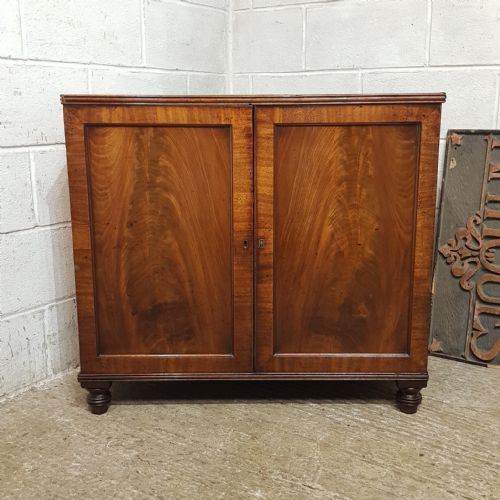
A low wooden storage cupboard organises a room with timber character, offering sturdy enclosed space beneath surfaces suited for display.
Low Wooden Storage Cupboard
A low wooden storage cupboard provides sturdy enclosed shelving beneath a surface suited for display in living spaces, hallways or kitchens. These functional items appear across multiple periods, including the Georgian, Victorian and Edwardian eras, as well as the 1920s.
The pieces on this page take various forms such as side cabinets, dresser bases, linen cupboards and compact bookcases. Oak and mahogany are common timbers, alongside pine, walnut, rosewood and satin birch.
Originating from English, French, Swedish and Chinese workshops, these items serve as practical furniture for modern rooms while retaining historical construction methods.
Assessing quality
Quality rests upon the selection of timber and the precision of the joinery, with solid woods and carefully matched veneers marking superior pieces. Original surfaces, whether polished mahogany, waxed pine or painted finishes, retain more character than heavily restored examples.
The refinement of brass handles, locks and internal fittings distinguishes standard utility items from finer commission pieces produced by established cabinet makers.
A military filing cabinet from the Victorian era brings orderly administrative charm straight into the domestic study.
Whytock and Reid·Bowman Brothers
The Low Wooden Storage Cupboard Glossary
- Dresser base
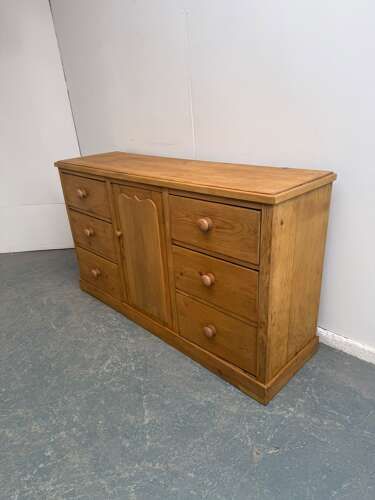
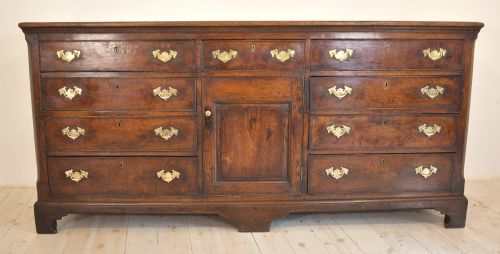
- A low wooden storage cupboard or sideboard originally used in kitchens or dining rooms for food preparation and storage. They often feature a combination of drawers and panelled doors beneath a thick top board.
- Breakfront
- A cabinet design where the central section projects forward from the flanking outer sections. This arrangement creates visual depth and architectural interest on sideboards and bookcases.
- Veneer
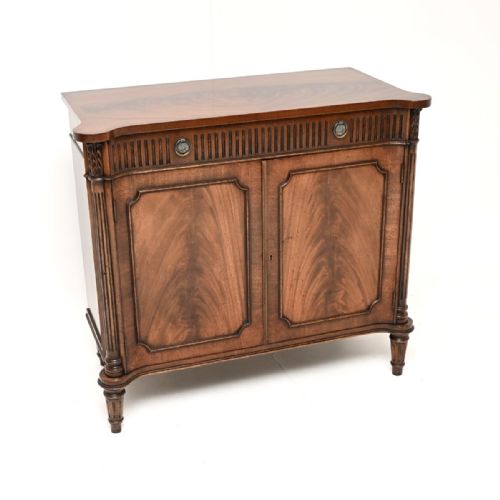
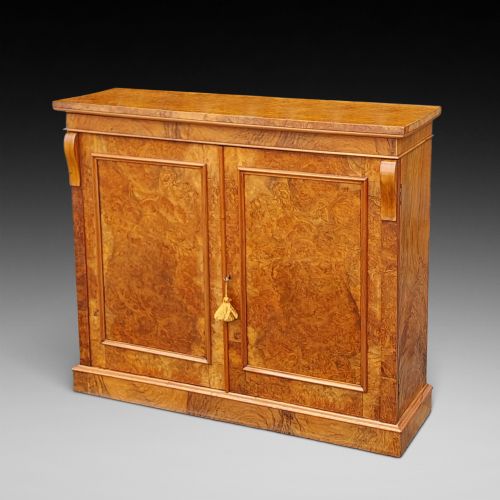
- A thin layer of fine timber applied to a stable secondary wood to display decorative grain patterns. Flame mahogany, burr walnut and satin birch frequently appear in this format.
- Goncalo Alves
- A dense exotic hardwood with striking contrasting brown and dark stripes, utilised in Regency cabinetry for its decorative figure.
- Sacristy cabinet
- A low buffet or storage piece traditionally used in ecclesiastical settings for vestments and church equipment. These sturdy oak items translate well into domestic kitchens or hallways.
Low Wooden Storage Cupboard: Frequently Asked Questions
Where should I place a low wooden storage cupboard?
These compact cupboards fit well in hallways, living rooms and dining spaces where floor space is limited. The top surface provides a convenient platform for lamps, books or decorative objects.
Their enclosed shelving keeps household items tidy while maintaining a low profile that does not obstruct windows or wall art.
How do I care for antique timber surfaces?
Protect the wood by avoiding direct sunlight and maintaining steady room humidity to prevent splitting. Regular dusting with a soft dry cloth maintains the finish.
Period pieces finished with wax benefit from occasional applications of neutral beeswax to nourish the grain and preserve the sheen.
What is the difference between an 18th-century and a Victorian cupboard?
Eighteenth-century cupboards often feature solid oak construction with hand-planed panels, pegged joinery and simple brass hardware. They tend to exhibit heavier timber sections and utilitarian proportions.
Victorian examples frequently utilise mahogany or walnut, sometimes incorporating factory-produced brasses, mechanical filing systems or more elaborate veneering techniques.
Can I use a kitchen dresser base in a living room?
Dresser bases work effectively in sitting rooms as media consoles or general storage units. Their low height and sturdy top boards accommodate television screens or display items comfortably.
Enclosed lower cupboards hide cables, board games and household clutter out of sight.