

Low Wood Cabinet
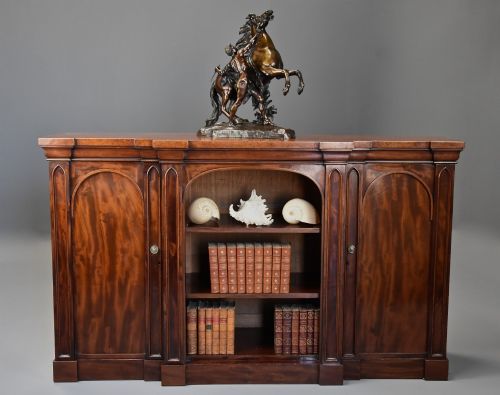
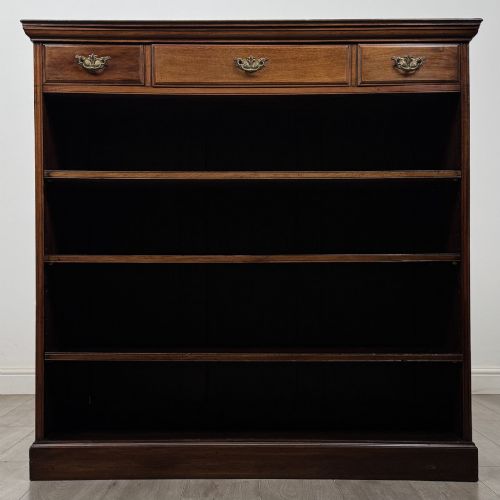
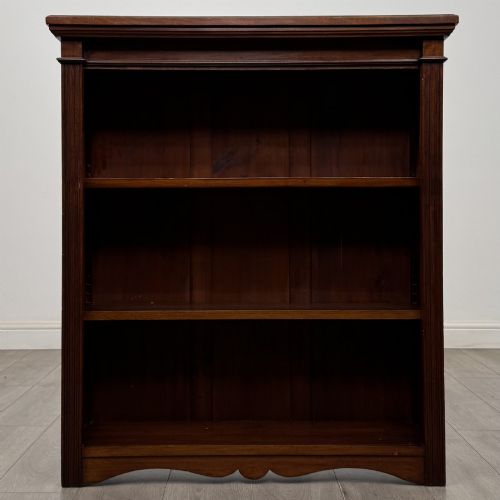
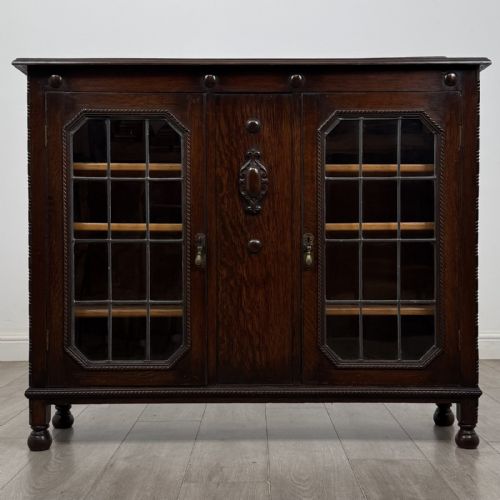
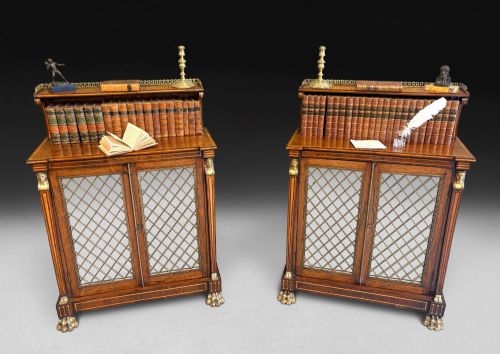
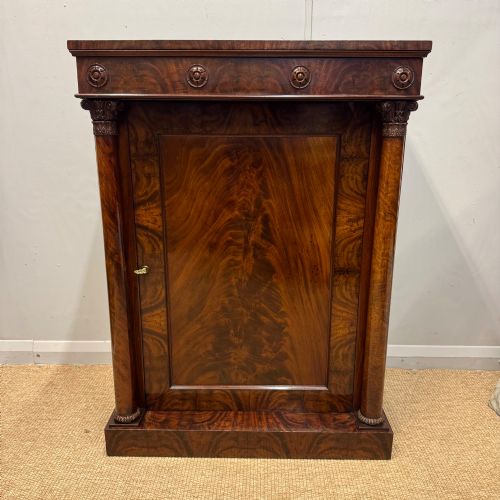
A low wood cabinet brings architectural weight and practical storage to a room, ranging from mahogany pier units to oak bookcases.
Low Wood Cabinet
The search phrase low wood cabinet covers a diverse group of functional furniture pieces designed to sit lower in a room than standard floor-to-ceiling storage units. These items appear across multiple periods, including the Regency, Victorian, and Edwardian eras, as well as the early twentieth century.
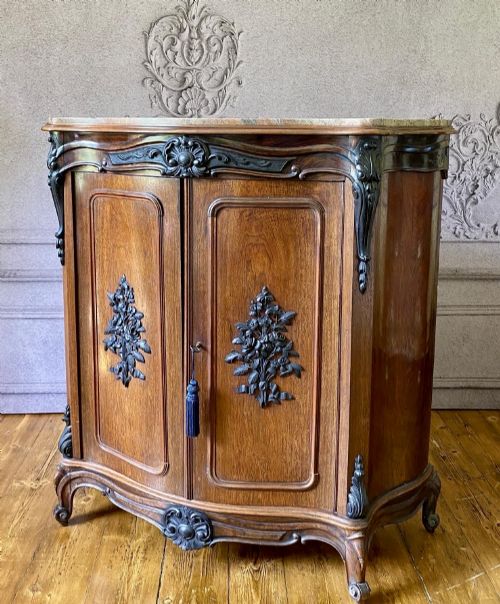
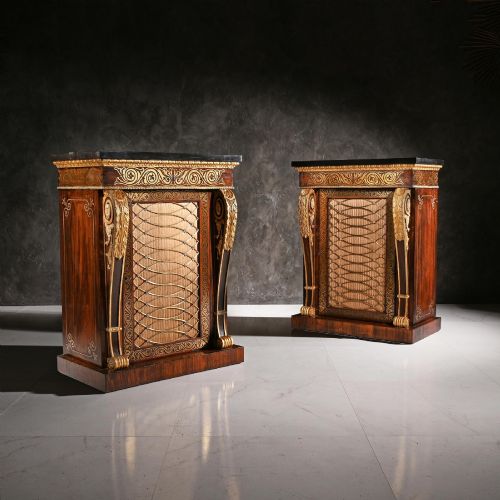
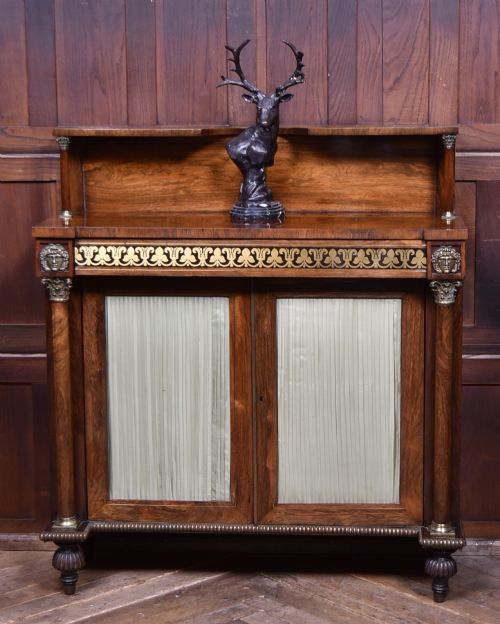
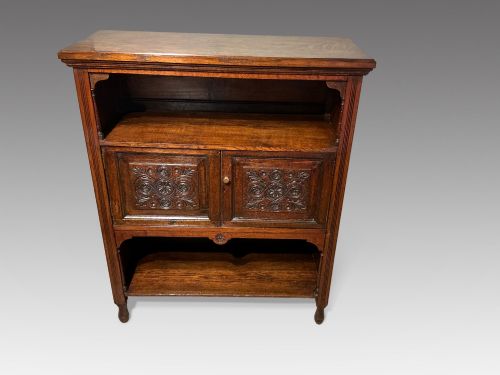
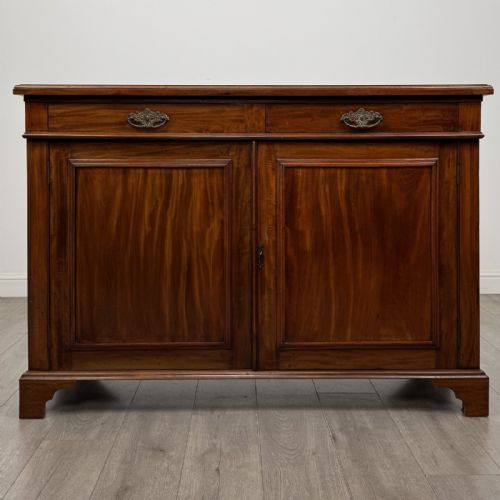
Bookcases, side cabinets, display units, and chiffoniers form the primary object types encountered within this selection. Mahogany, rosewood, and oak provide the structural foundation for these designs, frequently accompanied by glass panels, brass mounts, or fabric linings.
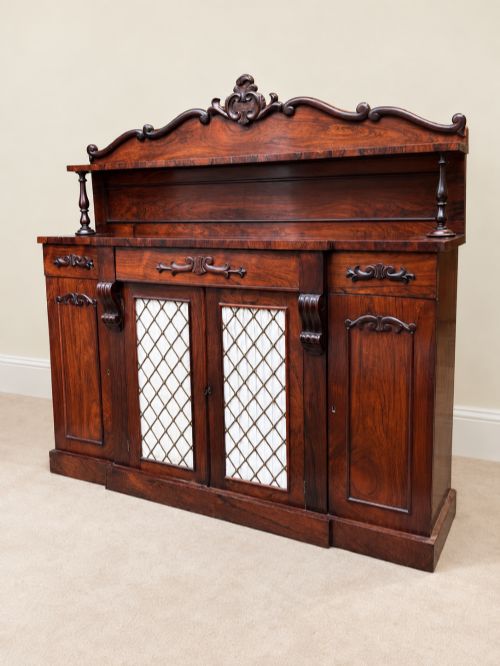
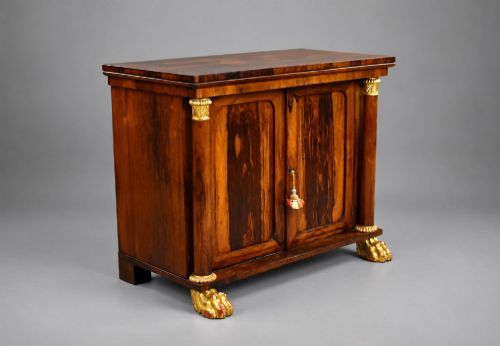
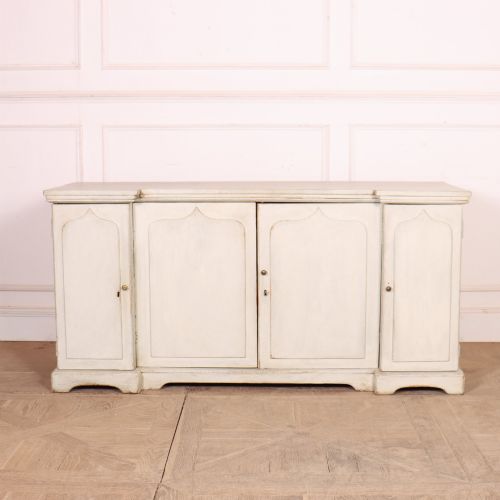
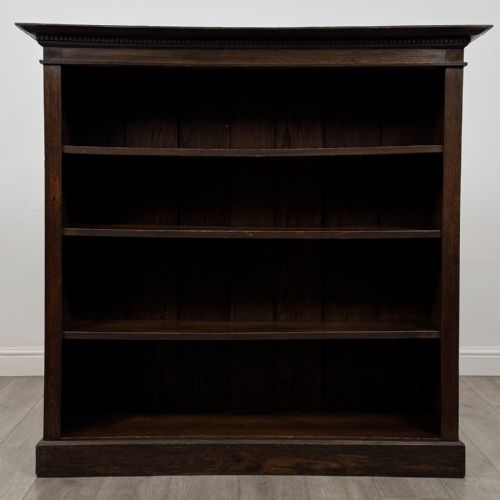
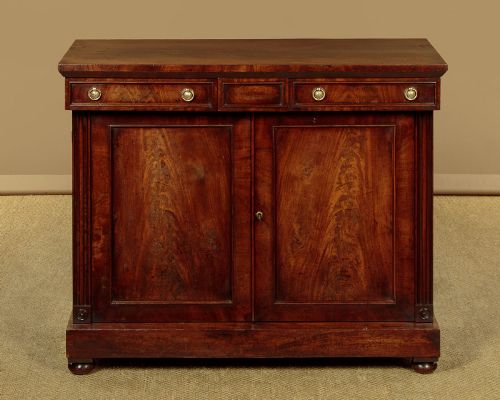
Open bookcases with adjustable shelves sit alongside enclosed cupboards featuring two doors, sliding glass panels, or raised galleries. Buyers will frequently encounter Victorian mahogany examples or Regency rosewood pieces fitted with brass details and panelled doors.
Materials and construction methods
Cabinet makers utilised dense hardwoods such as mahogany, rosewood, and oak to build sturdy frames capable of supporting heavy books and display items. Flame mahogany veneers and burr walnut figured prominently on cabinet surfaces to create striking grain patterns.
Metal and glass components integrated smoothly into the wooden framework, with brass mounts, ormolu details, and sliding or glazed doors adding utility and visual contrast. Carved cornices, bracket feet, turned legs, and ebonised highlights finished the structural composition.
Low Wood Cabinet Retail Price Guide 2026
Typical asking prices for low wood cabinet among the pieces listed under this phrase on Sellingantiques today, from the lower quarter to the upper quarter. They describe what is for sale here now, not the wider market.
Listings feature low wood cabinets spanning from the Regency and William IV periods through the Victorian and Edwardian eras into the 1920s and 1930s.
Assessing construction and design standards
The degree of refinement in timber selection and cabinet joinery dictates the distinction between standard utilitarian furniture and exceptional examples. Fine grain matching in flame mahogany or burr walnut demonstrates superior workshop execution.
Subtle architectural details, such as dentil cornices, finely turned legs, and well-executed Gothic panelling or brass mounts, elevate a piece. The presence of functional interior fittings like adjustable shelves and fitted drawers also marks higher grade production.
Ercol
The Low Wood Cabinet Glossary
- Breakfront
- A cabinet design where the central section projects forward from the flanking wings. This layout creates visual depth in larger bookcases and side cabinets.
- Chiffonier
- A low wooden sideboard or cabinet equipped with enclosed cupboards below and sometimes a shelf above. These pieces gained popularity during the Regency and Victorian periods.
- Pier cabinet
- A narrow low cabinet designed to fit against the wall space between windows. They often feature glass doors for displaying collections.
- Dentil cornice
- A decorative moulding pattern resembling a row of small rectangular blocks. It frequently appears along the top edge of Edwardian and Georgian bookcases.
- Ormolu
- Gilded bronze mounts applied to furniture for decorative effect. This technique was frequently utilised on fine Regency and Victorian cabinets.
Low Wood Cabinet: Frequently Asked Questions
What is a low wood cabinet used for?
These pieces serve as versatile storage units for books, china, and display items while maintaining a low profile that preserves wall space and sightlines in a room.
Open versions provide accessible shelving, whereas glazed or panelled cupboard doors keep contents protected from dust and light.
How do I identify a Victorian cabinet?
Victorian examples often feature dense mahogany or walnut timbers, sometimes with deep carvings, bracket feet, or glazed doors for display purposes.
Details like adjustable wooden shelving and fitted interior compartments also point toward nineteenth-century manufacturing methods.
Are Regency cabinets different from Edwardian ones?
Regency pieces typically incorporate exotic timbers like rosewood alongside brass inlay, classical proportions, and occasionally Gothic panelled doors.
Edwardian furniture tends to utilise oak with cleaner architectural elements such as dentil cornices and turned legs rather than heavy classical ornamentation.
How do I care for antique wood furniture?
Keep wooden cabinets away from direct sunlight and steady heat sources to prevent the timber and veneers from drying out or splitting.
Dust surfaces regularly with a soft, dry cloth and avoid harsh chemical polishes that can damage antique French polish or waxed finishes.