
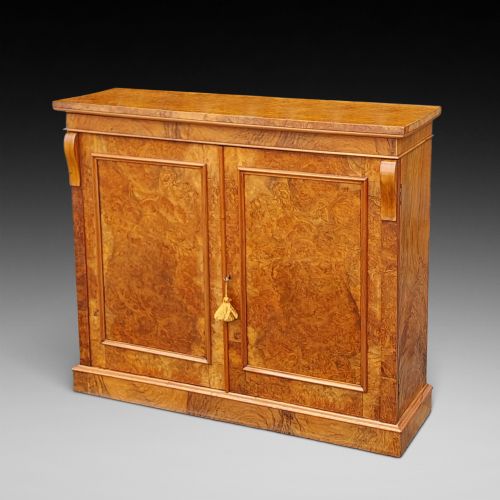
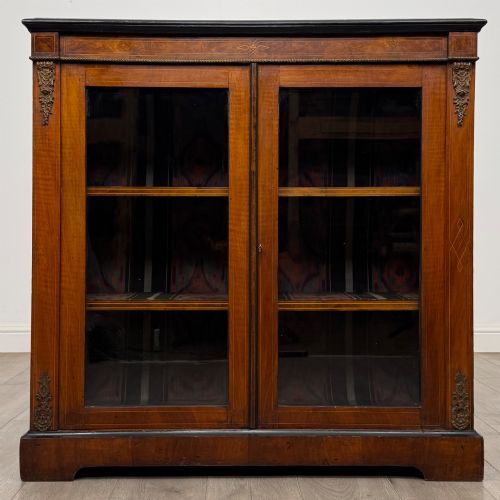
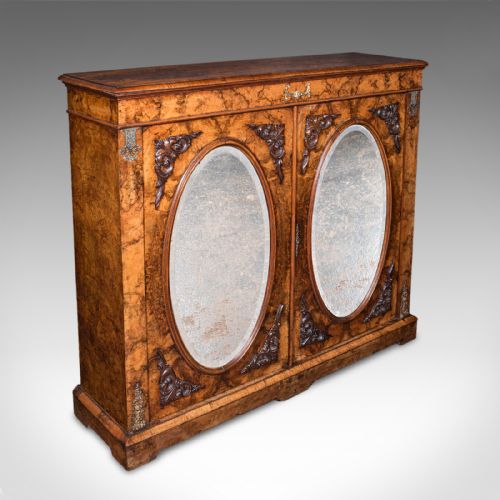
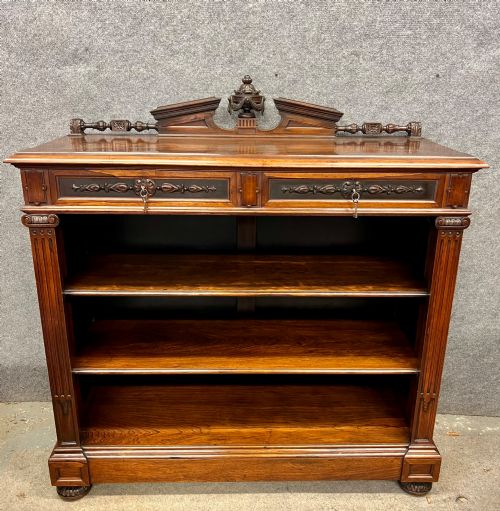


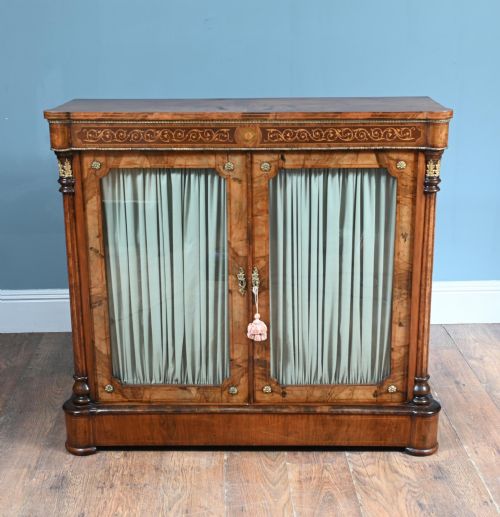
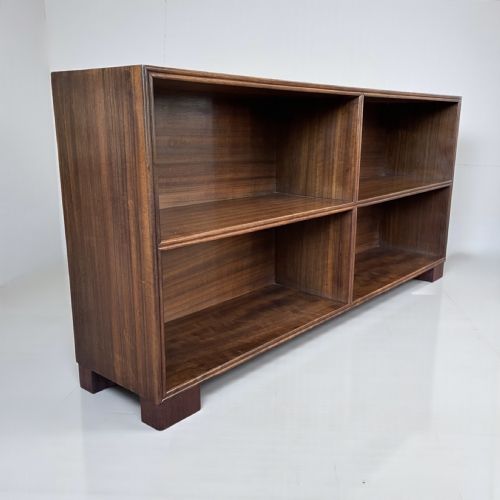
Low Walnut Bookcase Cabinet
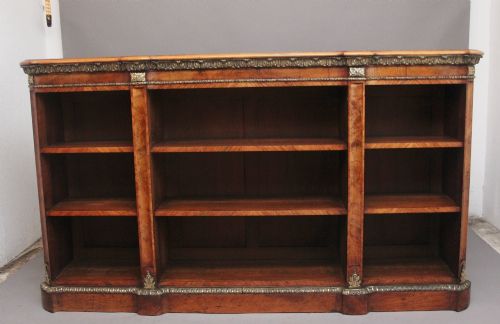
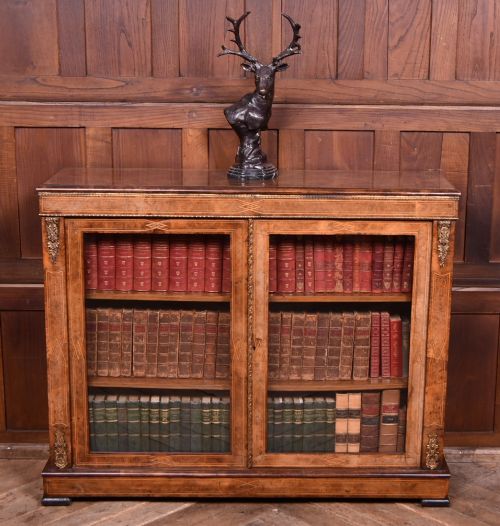
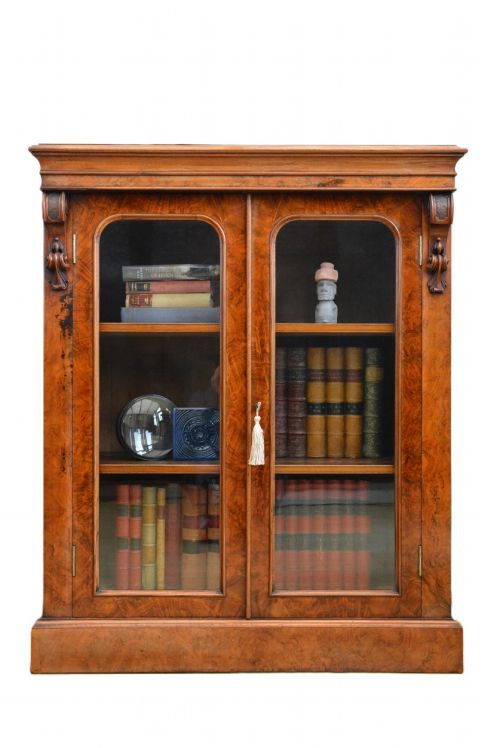
A low walnut bookcase cabinet brings together timber, glass and brass in a functional piece built to hold volumes and display objects.
Low Walnut Bookcase Cabinet
When you search for a low walnut bookcase cabinet, you encounter low furniture designed for domestic libraries and salons, predominantly stemming from the Victorian era and the 19th century.
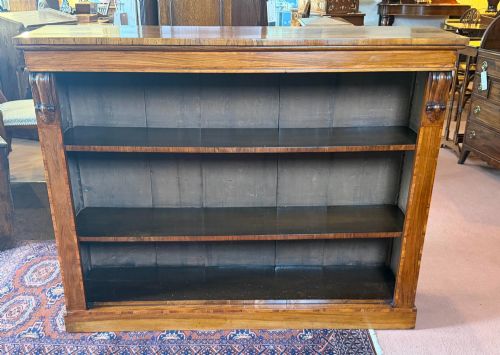
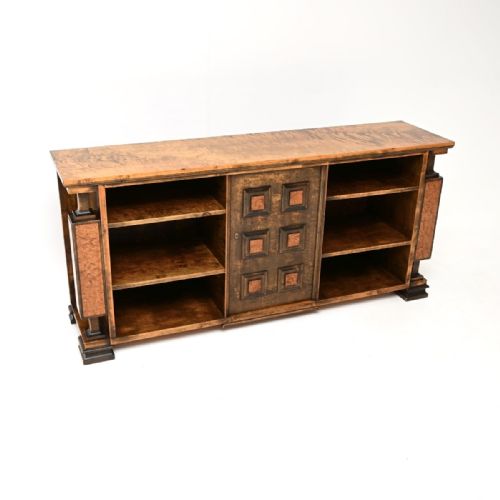
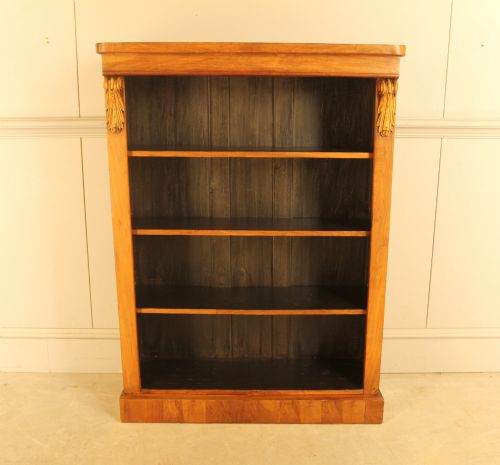
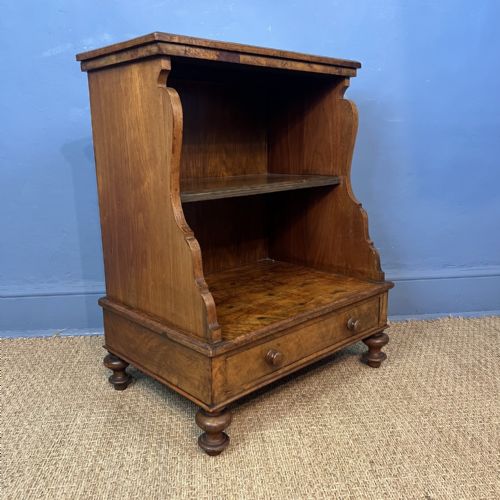
The pieces on this page span open bookcases, glazed display cabinets, pier cabinets and breakfront library units, often low enough to place decorative items on the top surface.
Most examples appear in Victorian walnut or burr walnut, alongside later Art Deco and Edwardian interpretations showing Queen Anne style influences.
How they were made
Cabinet makers utilised walnut timber, frequently selecting burr walnut or figured walnut veneers to create rich grain patterns across the front of each piece.
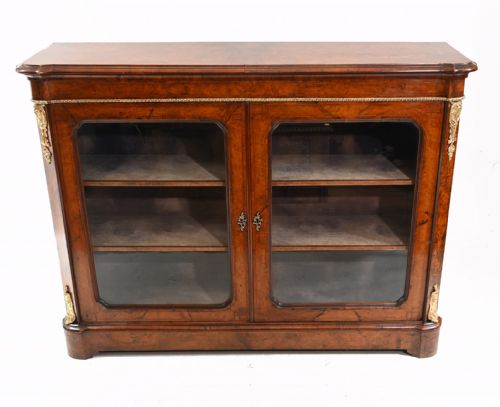
Construction incorporated brass mounts, glass doors, ormolu details and boxwood stringing, alongside marquetry inlay for decorative effect.
Interiors often featured adjustable shelves, while some designs added marble tops or ebonised elements to complete the structure.
Listings feature walnut, burr walnut, figured walnut, glass, brass, ormolu, velvet and boxwood across Victorian, Regency and Art Deco styles.
What varies in quality
The distinction between tiers of quality rests on the selection of the timber veneers, where highly figured burr walnut and balanced grain matching command attention.
Execution of secondary details, such as precision in marquetry, the quality of cast ormolu mounts and the integration of brass hardware, separates standard production from exceptional workshops.
Johnstone and Jeanes·Maurice Adams·Maple and Co.·Gillows of Lancaster
The Low Walnut Bookcase Cabinet Glossary
- Burr walnut
- A type of timber veneer taken from the growth excrescences on walnut trees, prized for its swirling, highly figured grain patterns. It forms the primary decorative surface on many high-end Victorian cabinets.
- Breakfront
- A piece of furniture where the central section projects forward from the flanking wings. This configuration creates architectural depth and accommodates wider library contents.
- Pier cabinet
- A low cabinet designed to fit into the wall space or pier between windows in a Victorian drawing room. They frequently feature glazed doors and velvet linings to display porcelain and small objects.
- Marquetry
- The art of applying pieces of veneer to a structure to form decorative patterns or pictures. Craftsmen utilise contrasting woods like boxwood to achieve detailed floral or geometric motifs.
- Ormolu
- Gilded bronze mounts applied to furniture for decorative enrichment. This technique adds metallic contrast to dark walnut surfaces.
Low Walnut Bookcase Cabinet: Frequently Asked Questions
What is a low walnut bookcase cabinet used for?
These cabinets serve to store books while providing a surface on top for lamps, clocks or decorative objects. Their lower height makes them suitable for domestic rooms without overwhelming the wall space.
Many examples incorporate glazed doors or open shelving, allowing owners to display collections alongside standard library volumes.
How do I identify a Victorian walnut bookcase?
Victorian pieces typically display rich walnut or burr walnut veneers, sometimes accented with boxwood stringing or marquetry inlay. They often feature adjustable wooden shelves and traditional joinery methods suited to the 19th century.
Examining the backboards and interior construction helps confirm the period, as machine-sawn elements and specific brass hardware styles align with Victorian production.
Where should I place a low bookcase cabinet?
A low profile allows these cabinets to sit beneath windows or along living room walls without obstructing natural light or views. They function effectively in studies, libraries and drawing rooms.
Placing them away from direct heat sources protects the walnut timber and delicate veneers from drying out or splitting.
What is the difference between an open and glazed bookcase?
Open bookcases provide direct, unhindered access to books and present a streamlined profile without doors. They suit everyday reading collections and quick retrieval of volumes.
Glazed bookcases feature glass panel doors that protect delicate or leather-bound books from dust and environmental wear while keeping the contents visible.