

Low Upholstered Accent Chair
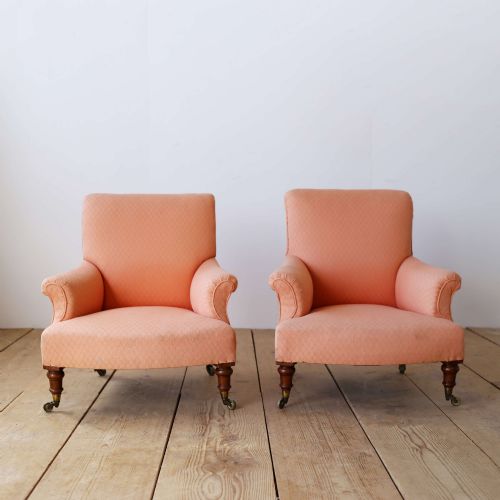
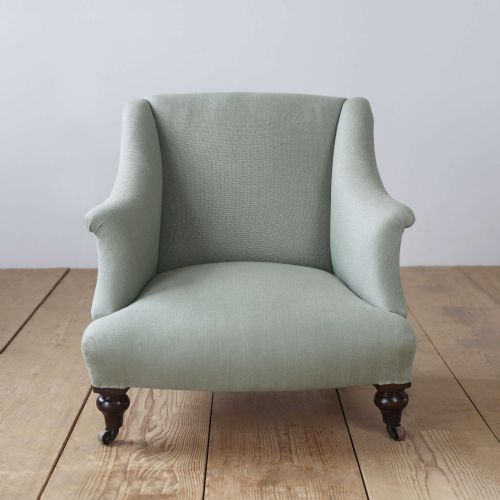
These low upholstered accent chairs offer compact, low-slung seating designed for comfort and period character.
Low Upholstered Accent Chair
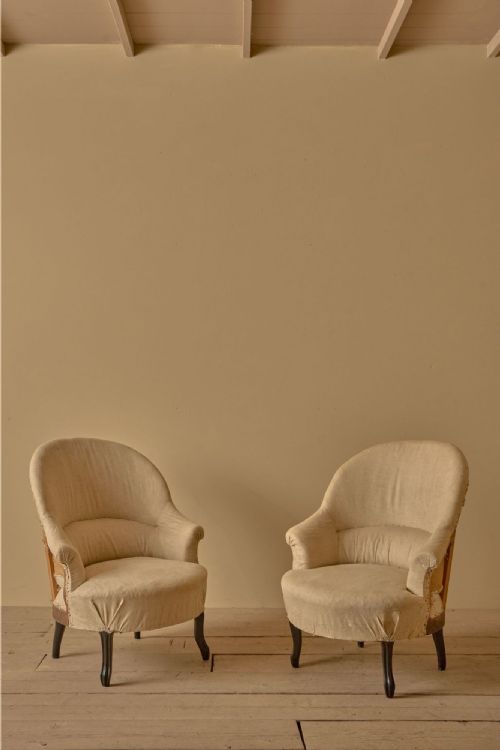
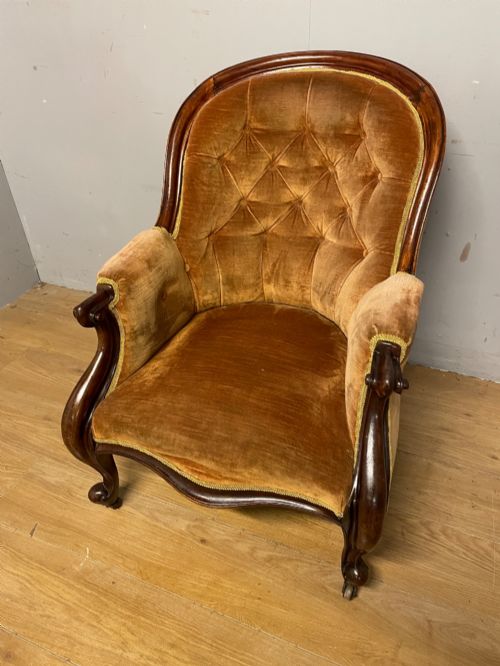
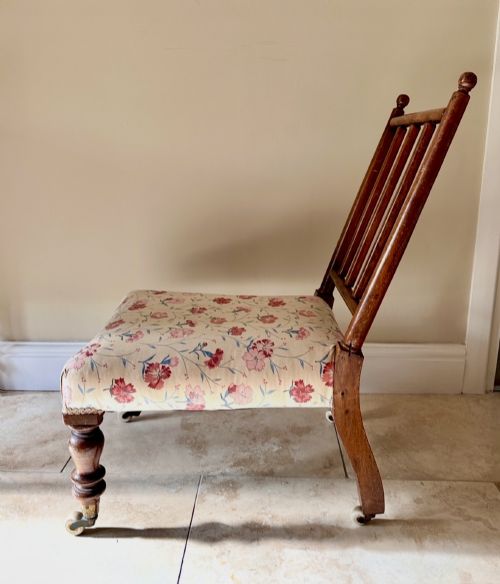
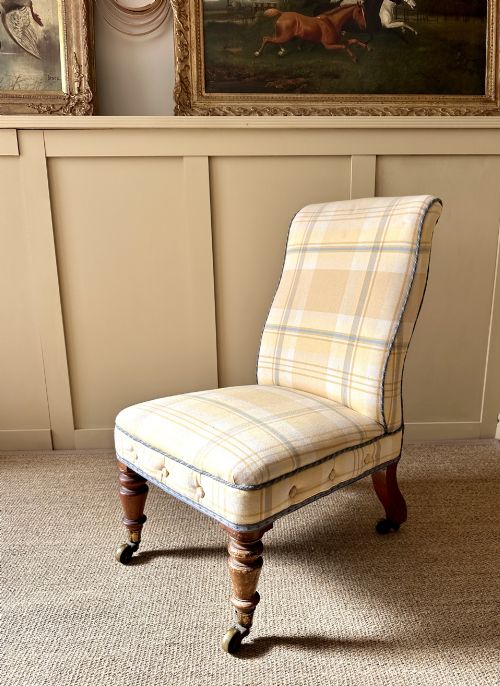
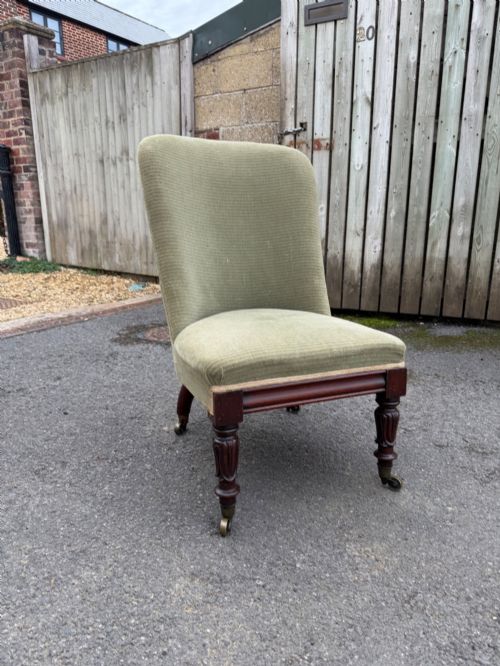
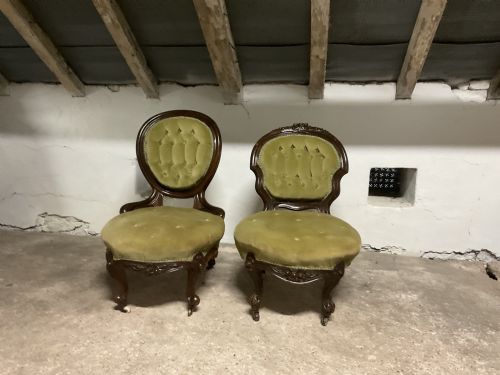
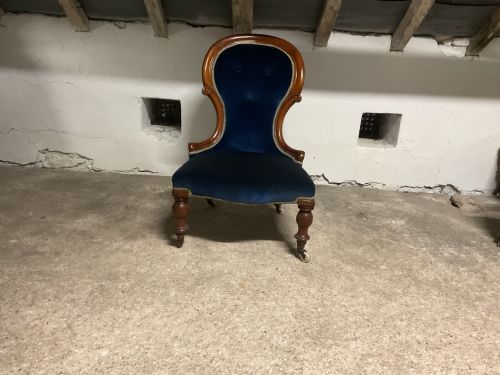
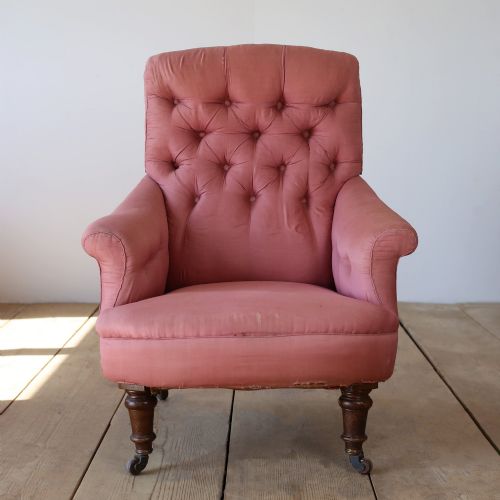
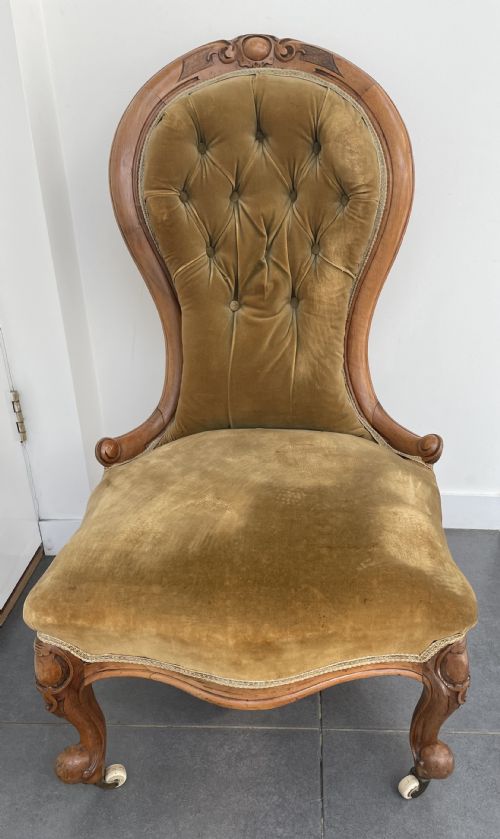
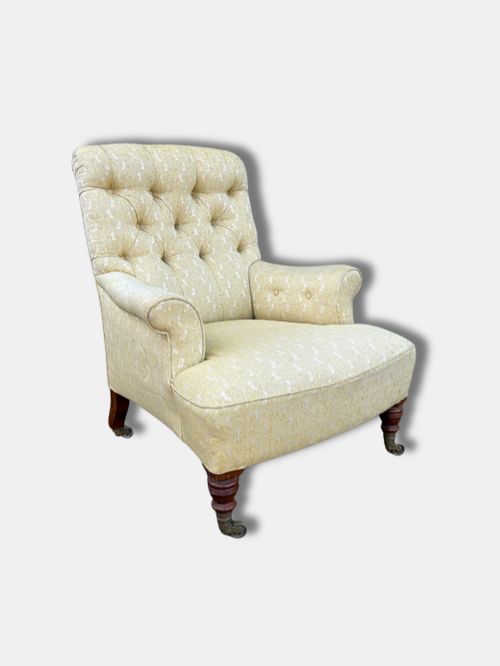
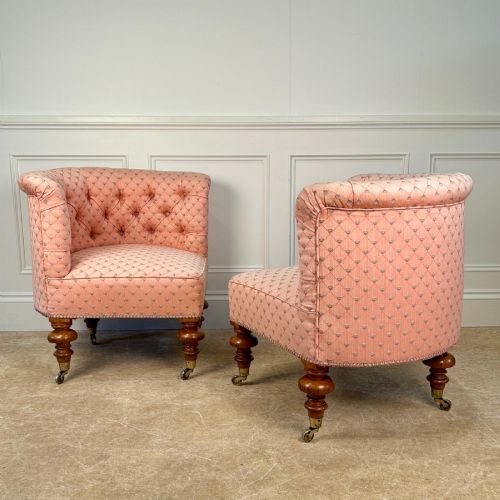
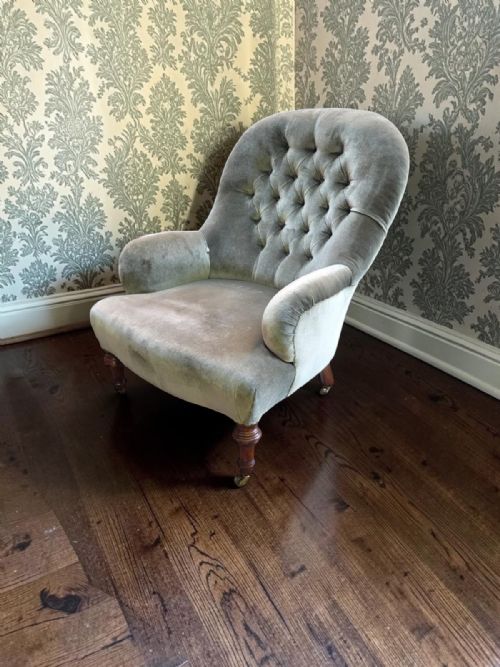
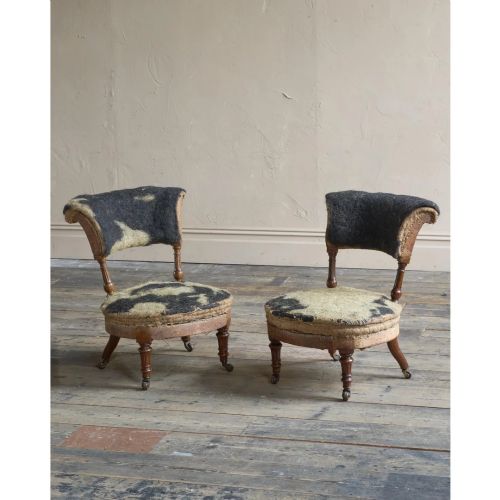
A low upholstered accent chair brings a compact, low-slung profile to a room, historically designed for drawing rooms, bedrooms, and intimate corners. When searching for a low upholstered accent chair, buyers encounter a rich variety of nineteenth-century forms ranging from Victorian nursing chairs and slipper chairs to Edwardian bedroom chairs and French Napoleon III designs.
The selection on this page leans heavily toward nineteenth-century pieces, including Victorian walnut and mahogany frames alongside Edwardian examples. Forms like the low-seated slipper chair and the button-backed nursing chair dominate the listings, reflecting domestic seating habits from the eighteen-fifties through to nineteen-ten.
Makers such as Howard and Sons, Gillows, and Hampton and Sons appear amongst these nineteenth-century examples, sitting alongside English and French workshop pieces. Buyers will find occasional chairs, corner chairs, and salon chairs sharing the same low proportions and upholstered finishes.
Materials and Construction
Makers built the foundational frames of these low chairs using solid hardwoods, primarily walnut, mahogany, oak, and birds-eye maple, while select pieces feature giltwood, ebonised timber, or brass details. Carved woodwork and turned legs demonstrate the structural joinery typical of nineteenth-century cabinet makers.
Upholstery defines the character of these pieces, utilising traditional textiles including velvet, tapestry fabric, Robert Kime Avebury fabric, and silk, often finished with button backs and fringe trimming. Iron-back frames and sprung interiors provided the necessary support beneath the deep padding.
Victorian nursing chairs were built low so ladies could tend to infants without tripping over their own voluminous crinolines.
Judging Quality
The distinction between standard domestic seating and exceptional examples lies in the crispness of the timber carving and the sophistication of the frame proportions. Pieces bearing maker stamps from prominent firms like Howard and Sons or Gillows command attention for their documented workshop provenance.
Material selection and upholstery execution separate the finer pieces from simpler counterparts. Richly figured walnut, birds-eye maple, or original giltwood combined with high-grade velvet and precise button-tufting elevate an ordinary bedroom chair into a masterclass of nineteenth-century seating design.
Howard and Sons·Gillows·Hampton and Sons
The Low Upholstered Accent Chair Glossary
- Nursing chair
- A low-seated Victorian chair originally designed to allow women to nurse infants comfortably. These pieces typically feature a low centre of gravity and generous upholstered padding.
- Slipper chair
- An upholstered chair with very short legs designed for bedrooms and dressing rooms. Originating in the early eighteenth century, nineteenth-century versions often incorporate scroll backs and deep buttoning.
- Button back
- An upholstery technique where twine pulls the fabric deep into the stuffing and secures it with fabric-covered buttons. This creates a tufted surface that holds its shape over decades of use.
- Giltwood
- Timber coated with a thin layer of gold leaf. It appears frequently on decorative French and English salon chairs from the nineteenth century.
- Ebonised
- Wood stained or painted black to imitate expensive ebony. Makers utilised this finish on nineteenth-century frames to create sharp contrast against bright velvet and textile upholstery.
Low Upholstered Accent Chair: Frequently Asked Questions
What is a low upholstered accent chair used for today?
These compact seats function well as occasional seating in living rooms, dressing areas, or reading corners where standard-height armchairs overwhelm the floor space. Their low profile makes them practical for rooms with restricted layouts.
Collectors also utilise them as decorative statements, pairing historic nineteenth-century textiles and button-backed frames with modern interior schemes.
How do I distinguish a Victorian nursing chair from a slipper chair?
Nursing chairs generally feature taller backs and were built specifically for comfort during domestic tasks, often accompanied by sprung seats and elaborate carved walnut frames. Slipper chairs traditionally sit even lower to the ground and emphasise a streamlined silhouette.
Both forms share compact proportions, but nineteenth-century makers tailored the nursing chair for upright support and the slipper chair for lounging.
Are these chairs comfortable for daily seating?
Historic padding and traditional coil springs offer a supportive, firm sit rather than the deep sink of modern foam upholstery. Many pieces retain their original comfort levels if the internal webbing remains sound.
Buyers planning heavy daily use often verify the condition of the internal springs and traditional horsehair stuffing before purchase.
How can I identify a Howard and Sons chair?
Howard and Sons pieces often feature stamped markings on the wooden frame or caster wheels, alongside maker labels on the webbing or under-upholstery. The firm achieved renown for superior joinery and exceptionally comfortable sprung upholstery.
Their nineteenth-century bedroom and armchair designs remain sought after by collectors for their documented workshop pedigree.