
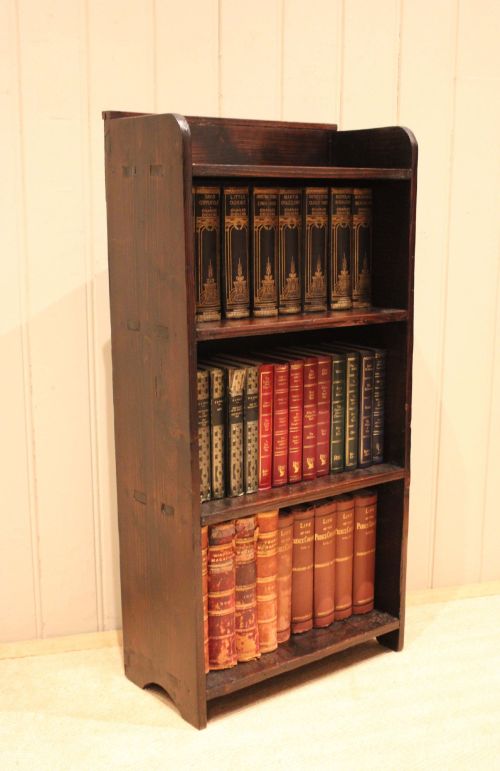
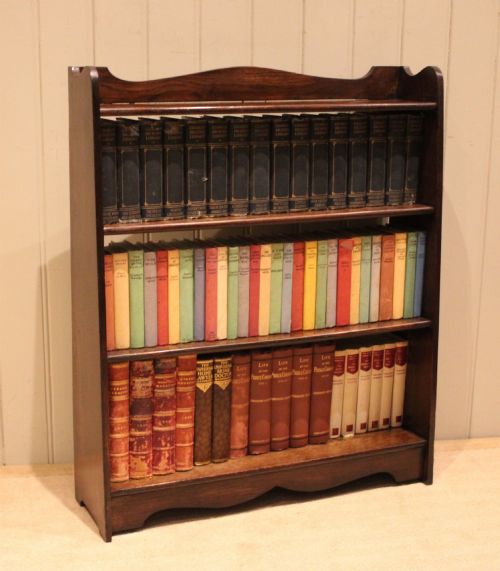
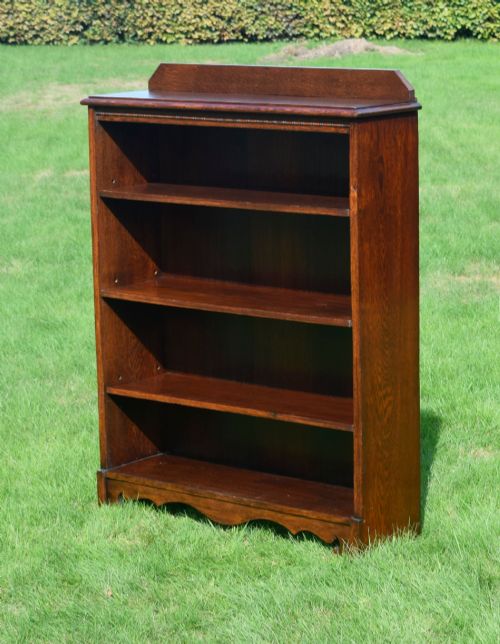
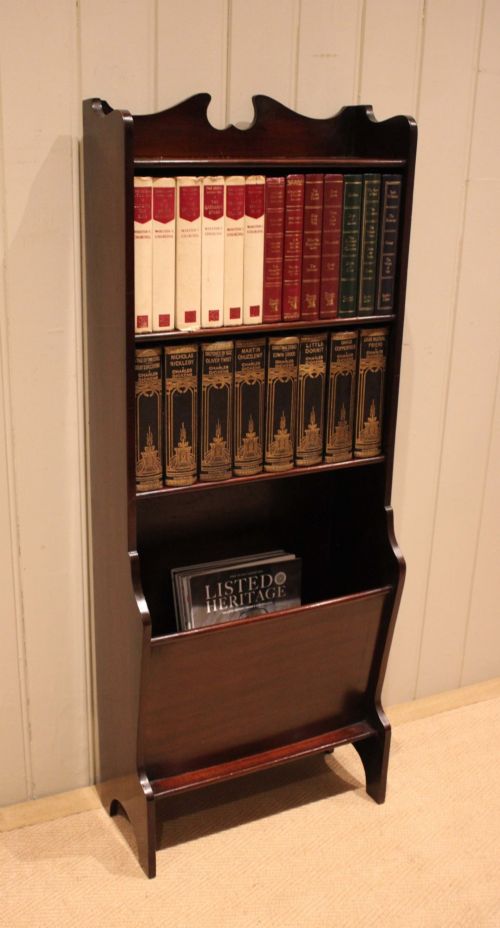
Low Standing Bookshelf
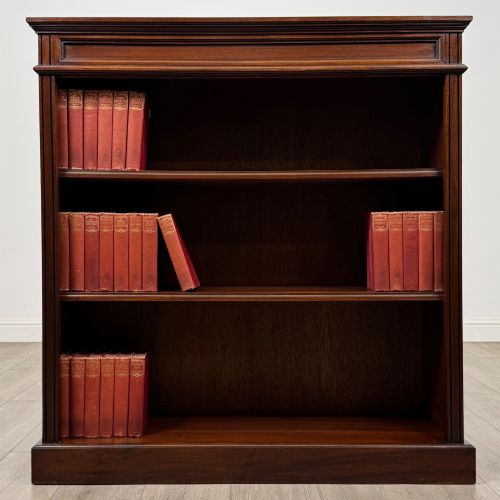
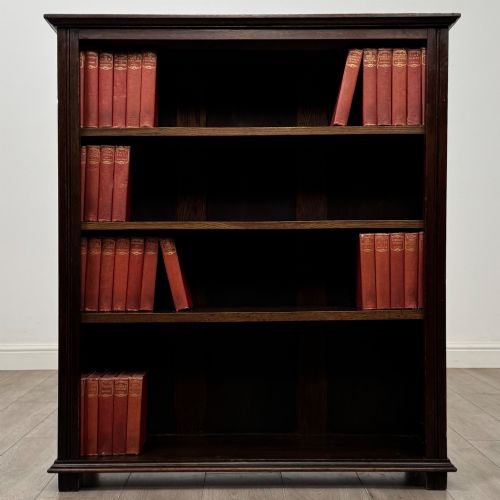
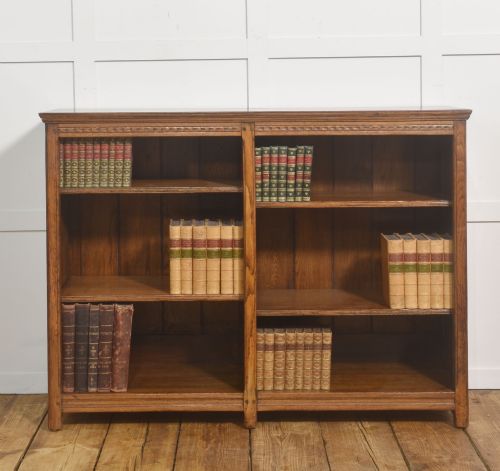
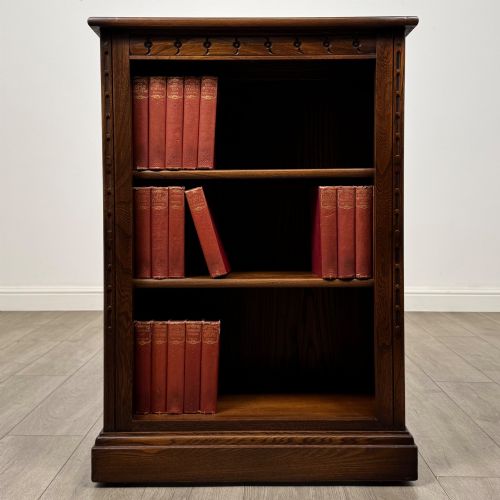
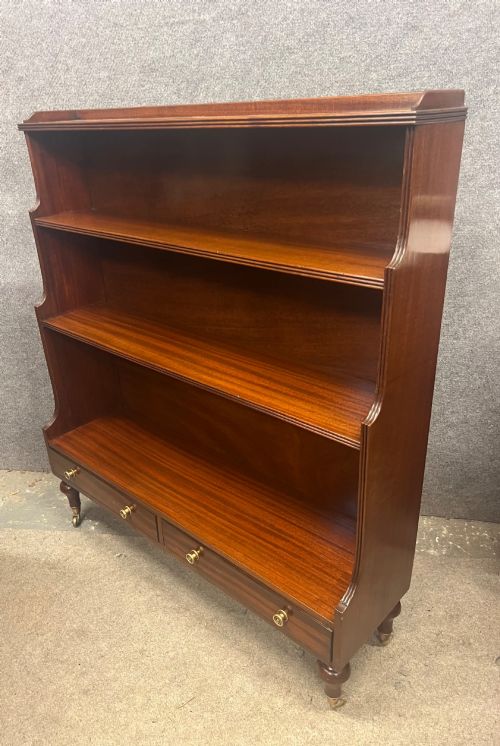
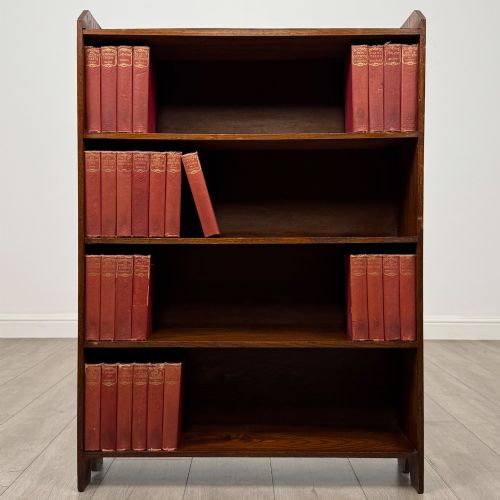
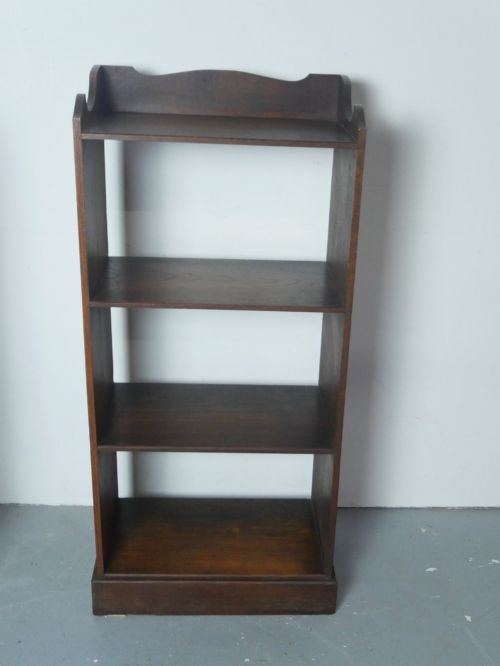
A low standing bookshelf brings character and accessible book storage to a room, ranging from simple oak open forms to refined mahogany waterfall designs.
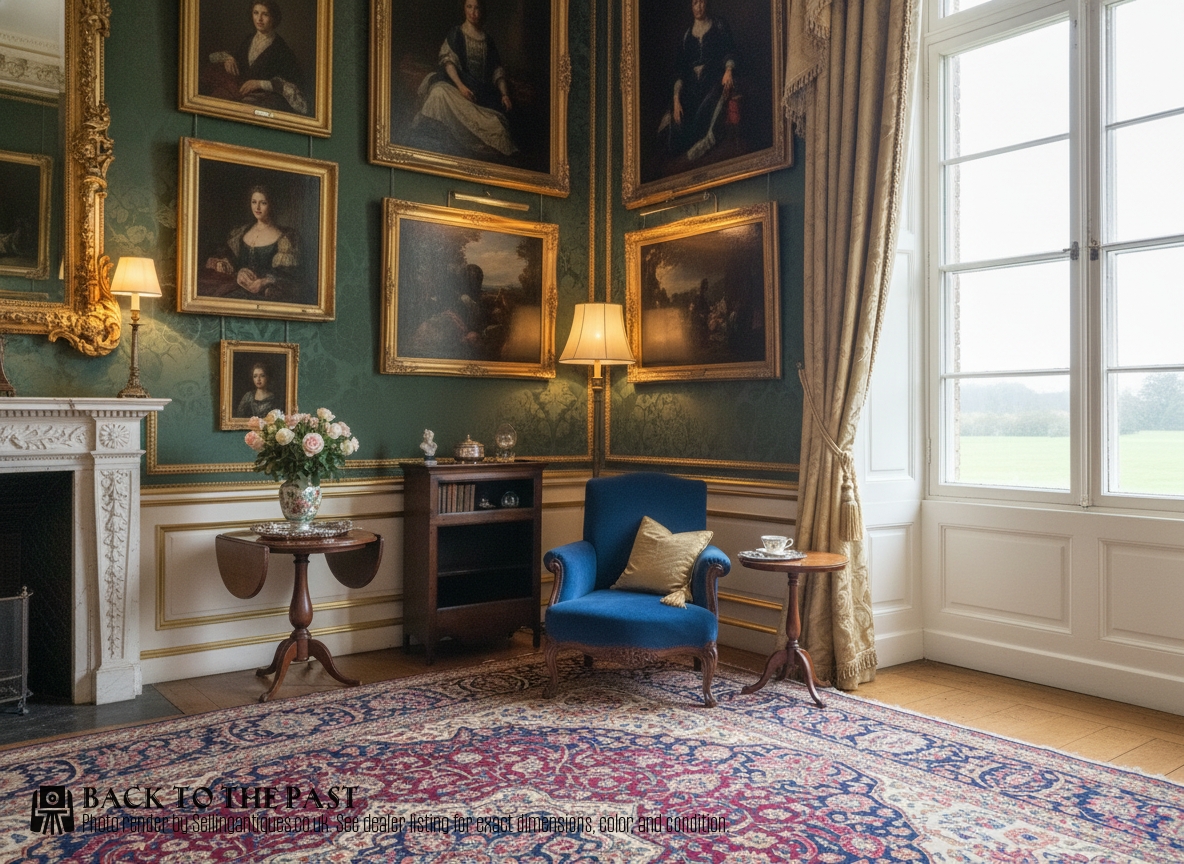
Low Standing Bookshelf
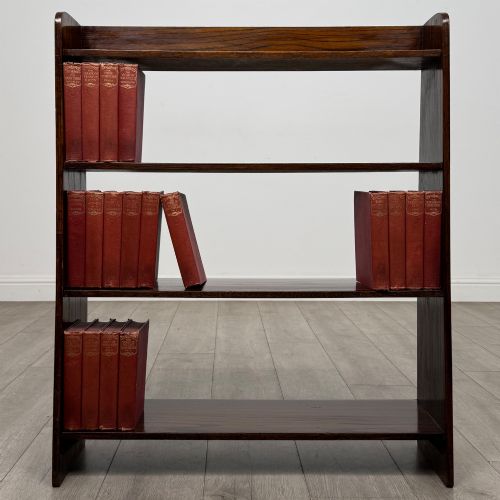
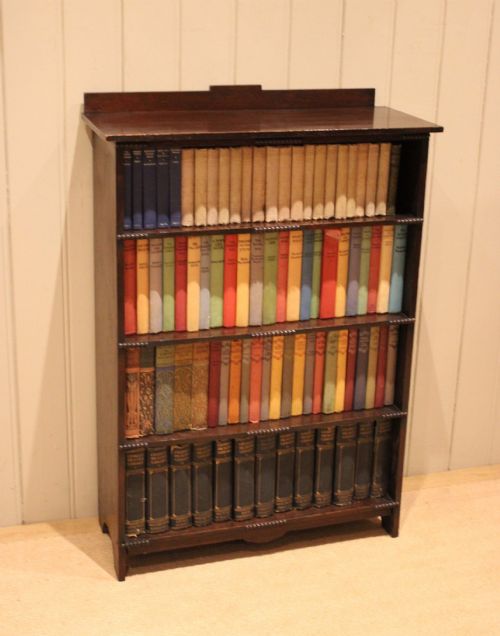
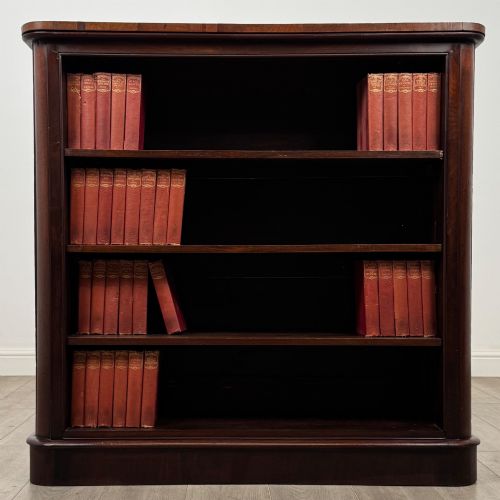
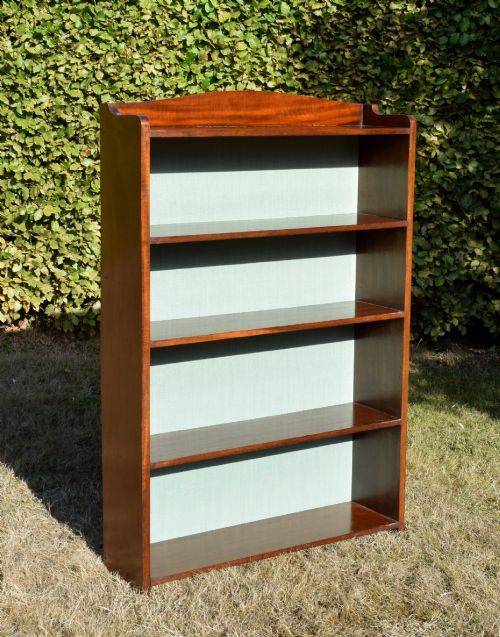
A low standing bookshelf provides open storage for books at a height that keeps the top surface usable for display. When you search for a low standing bookshelf, you encounter pieces primarily from the nineteenth and twentieth centuries, including Edwardian, Victorian, and Regency periods.
The selections span simple small oak open bookcases, revolving designs, and waterfall styles. Oak and mahogany appear most frequently, accompanied by walnut, rosewood, and pine.
Many examples incorporate adjustable shelves, brass castors, or integrated magazine racks. Others reflect specific movements such as Arts and Crafts, Jacobean Revival, or Art Deco.
How they were made
Cabinet makers utilised solid timbers and selected veneers, constructing carcasses in oak, mahogany, walnut, and rosewood. Joinery methods included traditional pegged or dovetailed joints to support the weight of books.
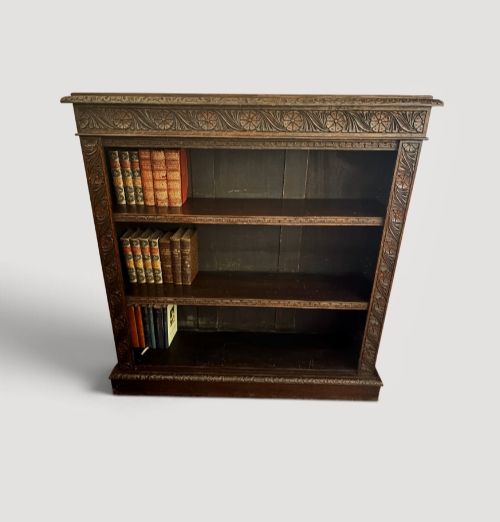
Surfaces received treatments such as beaded edges, carved details, and inlaid woodwork. Some pieces incorporated brass hardware, leather tops, and castors for mobility.
The listings include pieces from the Regency period up to nineteen-thirty, with oak and mahogany being the most common materials.
What varies in quality
The distinction between standard and superior pieces rests on the choice of timber and the execution of detail. Selected burr walnut, finely figured mahogany, and satinwood elevate a piece above utilitarian oak or pine.
Refinements such as adjustable shelving systems, brass castors, intricate carvings, and inlaid decoration indicate finer workshop production.
Betty Joel·Heals
The Low Standing Bookshelf Glossary
- Waterfall bookcase
- A shelving unit where each tier steps back from the one below, creating a cascading profile. These pieces often date from the nineteenth and early twentieth centuries.
- Revolving bookcase
- A freestanding unit designed to rotate on a base for easy book selection. They frequently appear in mahogany from the Edwardian era.
- Adjustable shelves
- Shelving supported by movable pins or tracks to accommodate varying book heights. This feature adds practical utility to nineteenth and twentieth-century bookcases.
- Brass castors
- Small wheels made of brass attached to the base of furniture for ease of movement. They appear frequently on finer Victorian and Regency library pieces.
- Open bookcase
- A shelving unit without doors, providing direct access to the contents. They range from rustic twentieth-century oak examples to refined Regency rosewood pieces.
Low Standing Bookshelf: Frequently Asked Questions
What is a low standing bookshelf?
A low standing bookshelf is an open piece of furniture designed to hold books at a height below eye level. The surface on top remains accessible for lamps or decorative objects.
These pieces appear in various woods including oak, mahogany, and walnut, spanning periods from the Regency era through the nineteen-thirties.
How do I use one in a room?
These bookcases fit easily beneath windows or against walls where taller furniture would block light or space. The open shelves allow for quick access to everyday reading.
Many examples feature adjustable shelves to accommodate larger volumes, while others include castors to reposition the unit with ease.
Are the shelves adjustable?
Many of the bookcases feature adjustable shelving systems to fit different book sizes. This practical addition appears across various Edwardian and later library pieces.
Fixed shelves also occur frequently, particularly in simpler rustic or period designs where structural timber dictates the layout.
What woods were commonly used?
Oak and mahogany dominate the selection, appearing across numerous Edwardian and Victorian pieces. Walnut, rosewood, and pine also feature in specific styles.
Finer examples incorporate decorative timbers such as burr walnut or satinwood, sometimes enhanced with inlaid details or brass hardware.