
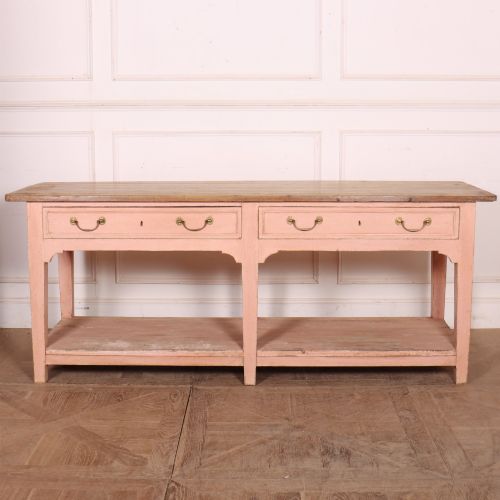
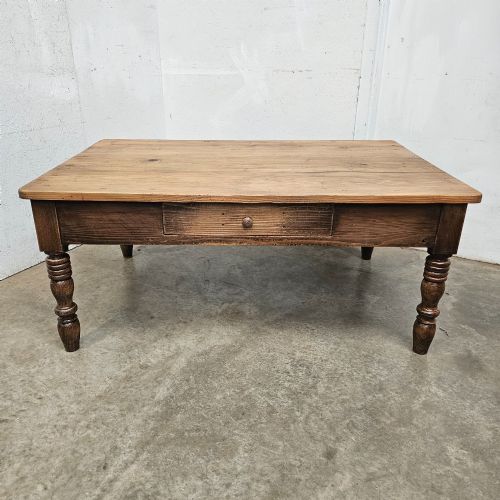
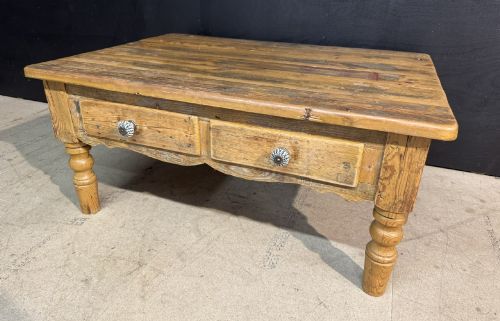
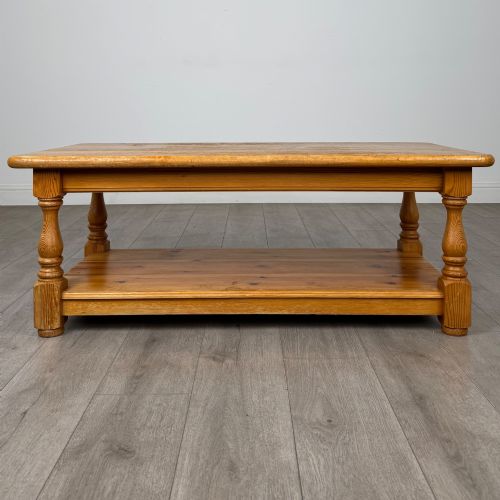
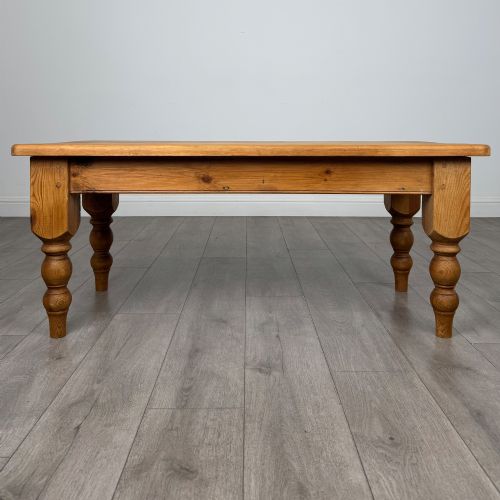
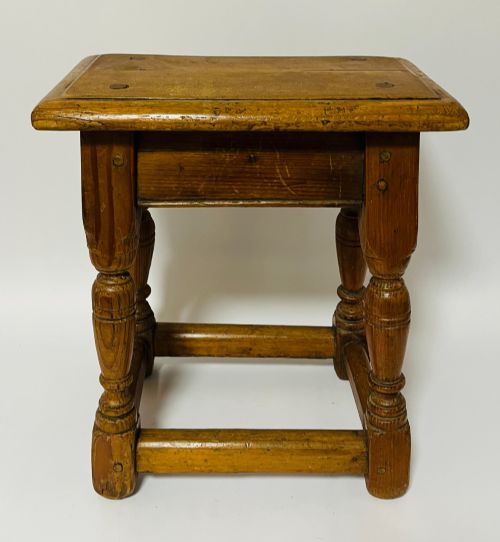

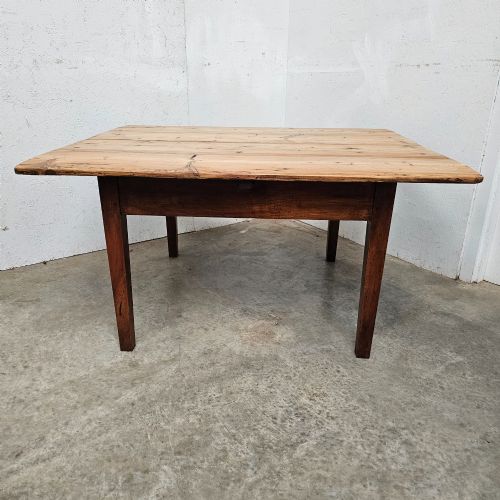


Low Pine Table
A low pine table brings practical, time-worn character to a room, ranging from rustic country work surfaces to converted period pieces.
Low Pine Table
When you search for a low pine table, you encounter a variety of low-slung domestic furniture originating from different European regions and periods. These range from utilitarian nineteenth-century work tables and dresser bases to primitive benches and occasional tables adapted for modern living.
The pieces on this page are most commonly nineteenth-century or Edwardian forms, frequently styled as rustic coffee tables or low occasional surfaces. You also discover earlier eighteenth-century examples, such as lowboy tables constructed in pine alongside oak or fruitwood.
How they were made
Construction relies primarily on solid pine, sometimes paired with secondary timbers like oak, elm, or fruitwood for scrub tops and structural elements. Makers utilised traditional joinery methods suited to utilitarian furniture, resulting in sturdy, honest builds.
Surface treatments vary widely between original painted finishes, waxed patinas, and scrubbed timber. Many examples display the wear of daily domestic or workshop use, preserving traces of early paint, pigment, or plain waxed softwood.
One listed item is an original nineteenth-century pig stratch, repurposed from agricultural utility to domestic low table life.
What varies in quality
Quality rests in the integrity of the timber, the honesty of the surface finish, and the balance of proportions. A superior piece retains its original structure and patination without excessive modern intervention or unsympathetic alterations.
Origin and regional distinctiveness also set certain examples apart. Pieces retaining early paint, distinct primitive turning, or regional farmhouse characteristics demonstrate greater craft than standard utilitarian conversions.
Gillows
The Low Pine Table Glossary
- Lowboy
- A small eighteenth-century dressing or side table featuring drawers beneath the surface. These are frequently found in pine or mixed timbers.
- Scrub top
- A wooden table top designed to be scrubbed clean with water and sand, resulting in a pale, weathered texture.
- Potboard
- A lower shelf fitted beneath a dresser base or table, traditionally used for storing pots and kitchen utensils.
- Primitive
- A description for furniture made with basic tools and straightforward construction, often possessing a folk-art appeal.
- Cricket table
- A small, light three-legged table of vernacular design, typically built for stability on uneven floors.
Low Pine Table: Frequently Asked Questions
What is a low pine table?
A low pine table is typically a utilitarian period piece, such as a converted dresser base, lowboy, or work table, adapted to function as a coffee or occasional table.
These surfaces combine practical utility with historic character, constructed from softwood and frequently exhibiting significant patination from past domestic use.
How do I date a low pine table?
Dating relies on examining construction techniques, tool marks, timber selection, and surface wear. Eighteenth-century examples often feature different joinery and timber combinations compared to Victorian or Edwardian pieces.
Hardware, such as drawer pulls or fixings, also offers clues to the period of manufacture or subsequent adaptation.
Are painted pine tables original?
Many low pine tables retain early or original painted finishes, while others show traces of historical pigment beneath later layers. Paint was common in country settings to protect softwood or provide a decorative finish.
Assessing the wear and chemical composition of the paint helps distinguish period surfaces from later decorative applications.
How do I care for a waxed pine table?
Care involves applying traditional beeswax periodically to nourish the dry softwood and protect the surface from moisture. Avoid placing hot items directly onto the timber.
Gentle dusting with a soft cloth preserves the historic patina without stripping the accumulated character of the wood.