
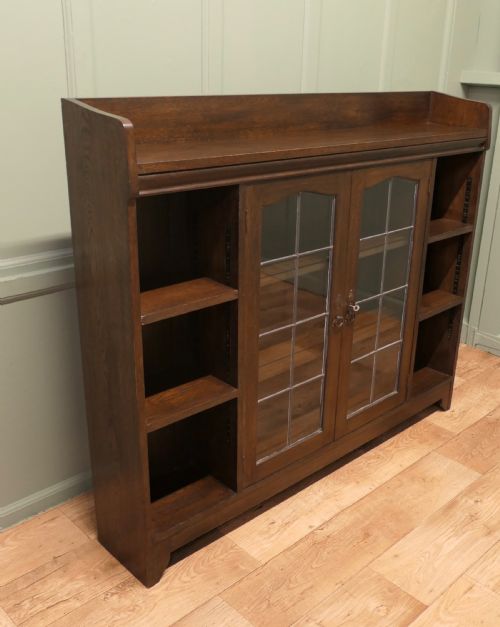
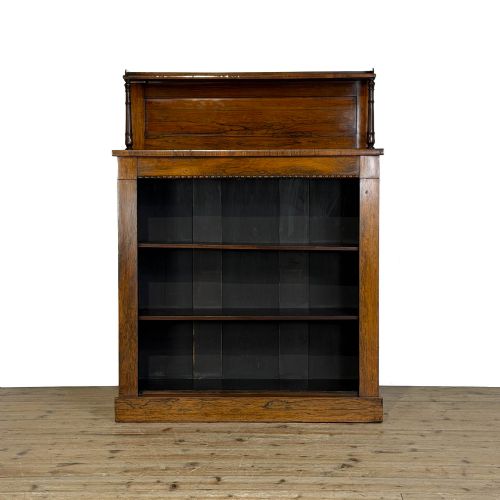
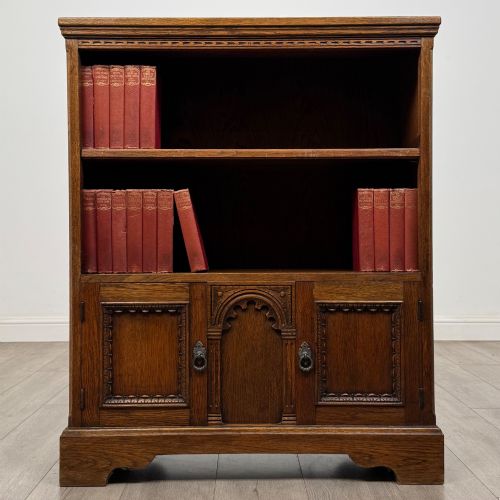
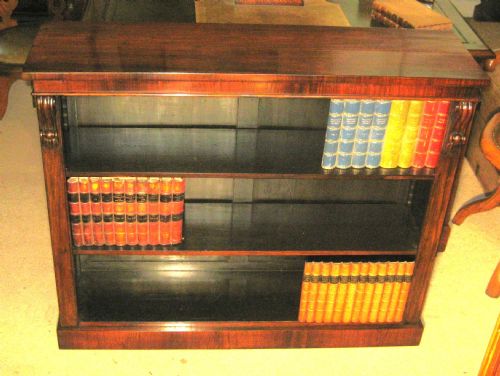
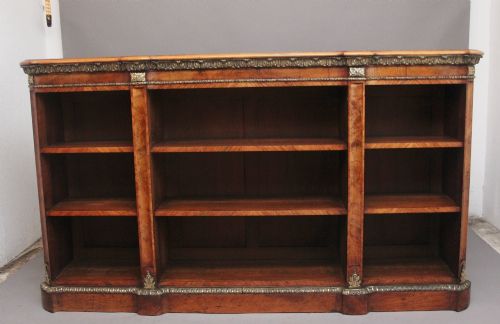
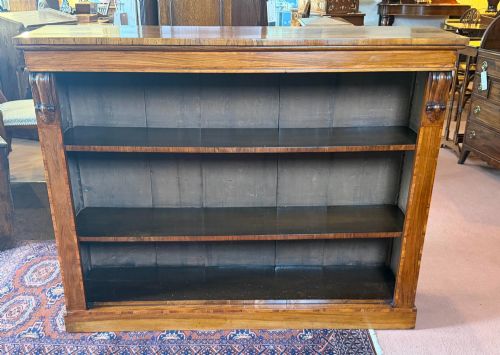
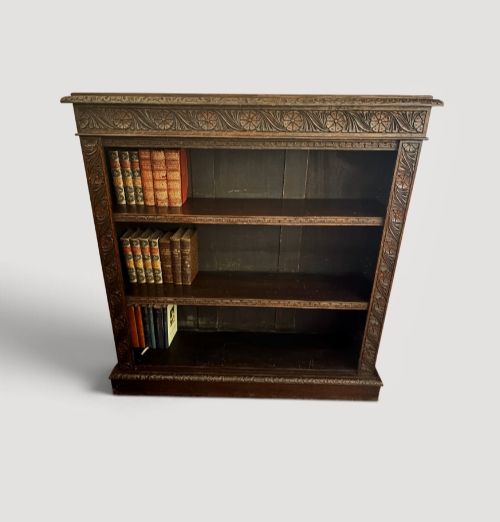
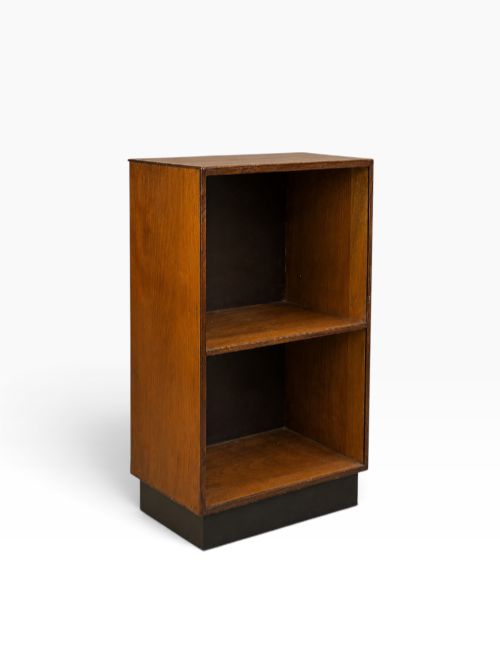
Low Open Shelving Cabinet
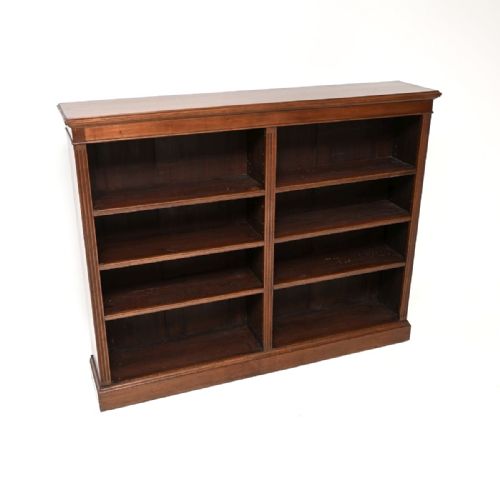
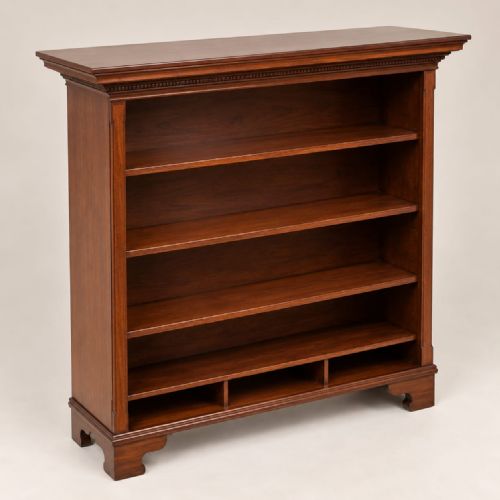
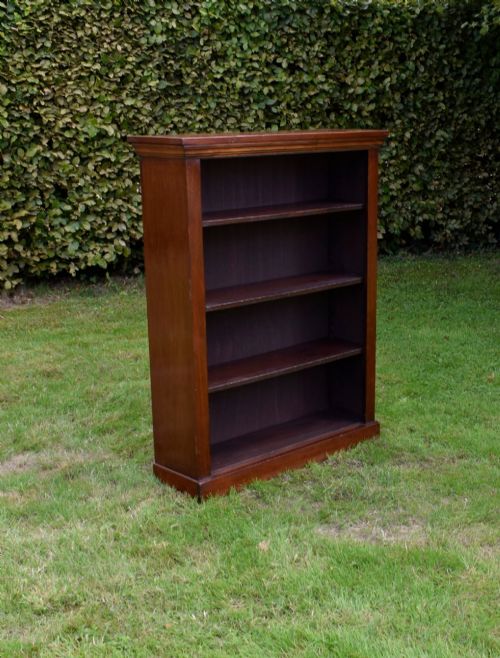
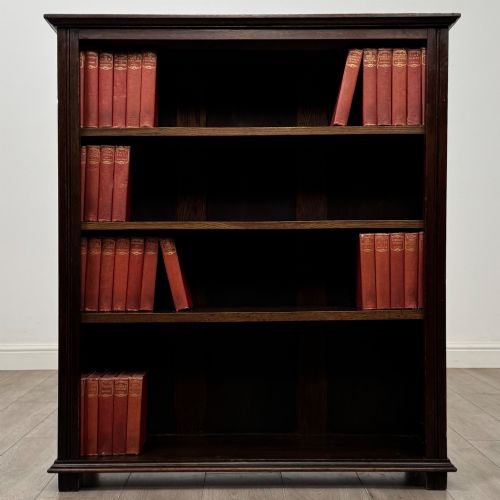
These low open shelving cabinet pieces are accessible storage furniture designed for displaying books and objects, bringing period character into modern rooms.
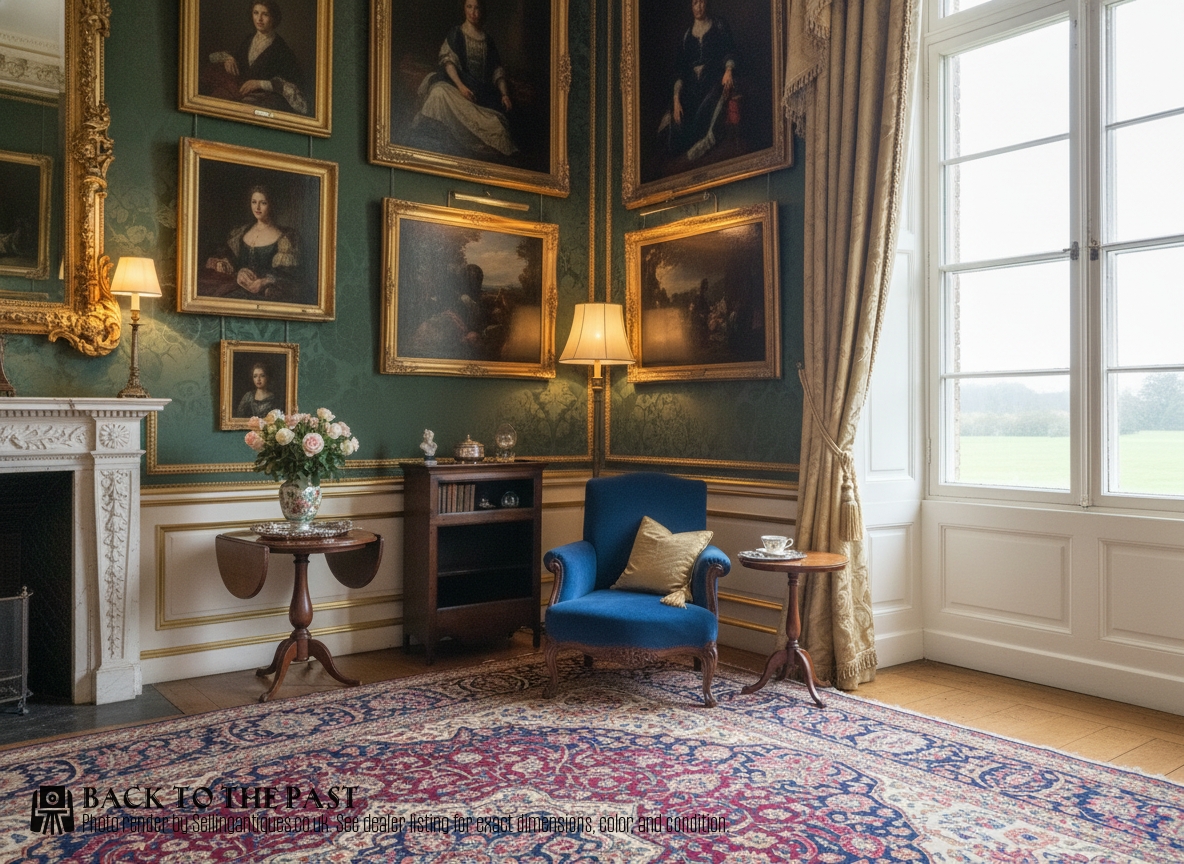
Low Open Shelving Cabinet
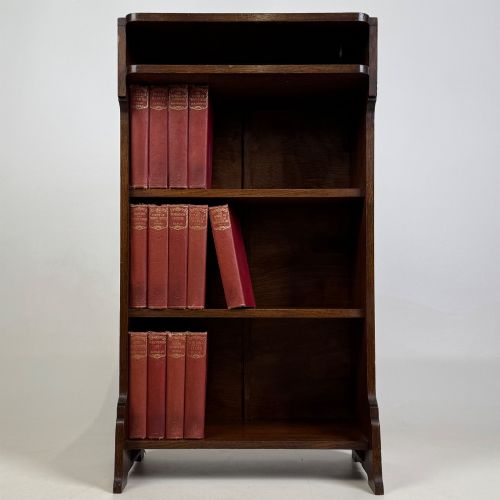
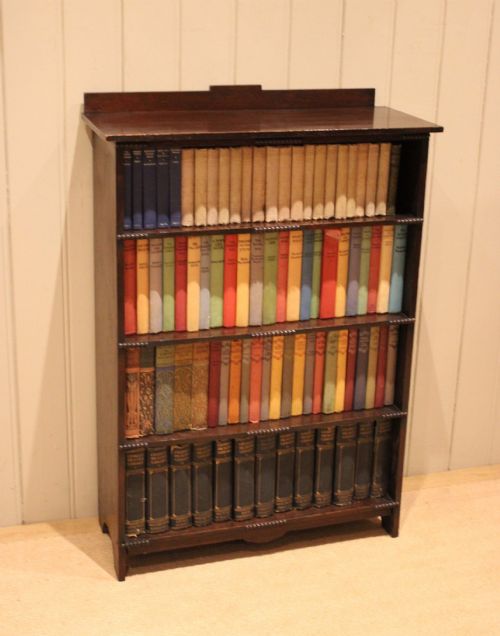
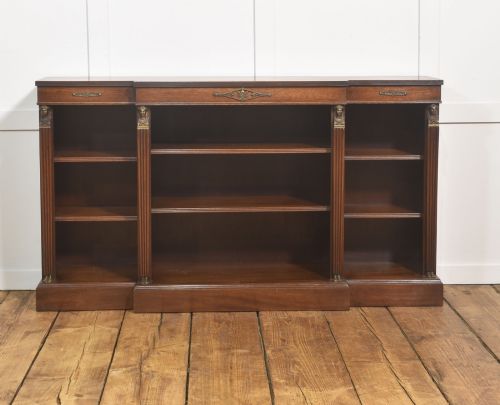
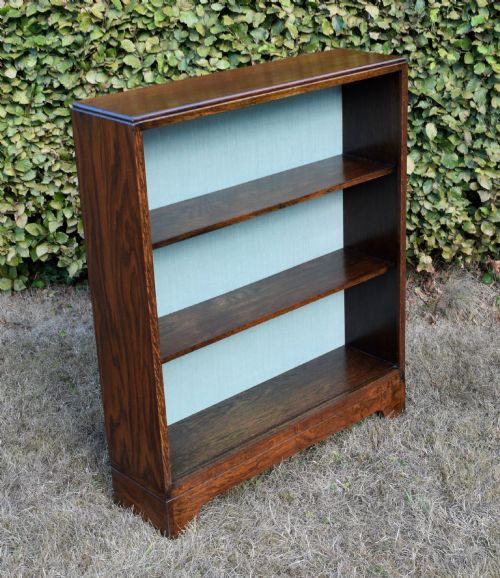
When you search for low open shelving cabinet, you encounter a selection of bookcases, display cabinets, and dwarf bookcases originating from the Regency, Victorian, Edwardian, and Art Deco eras. These items serve as compact storage solutions that maintain an open profile in a room, avoiding the visual weight of tall closed cupboards.
The version you are most likely to meet on this page is the Victorian or Edwardian mahogany or oak open bookcase, often featuring adjustable shelves. Such pieces span the nineteenth and twentieth centuries, encompassing styles from Gothic Revival and William IV to Arts and Crafts and Jacobean Revival.
Makers and workshops of the nineteenth and twentieth centuries produced these low units in varied dimensions, including narrow formats, dwarf proportions, and waterfall designs. They bridge the gap between utility and display, resting on brass castors or plinth bases.
Materials and construction techniques
Cabinetmakers utilised dense hardwoods such as mahogany, rosewood, walnut, and oak, frequently applying veneers over secondary timbers. Selected pieces incorporate decorative elements like ormolu mounts, brass inlay, ebonisation, and carved detailing.
Construction methods include adjustable wooden shelving systems and integrated marble tops, alongside leather inserts on specific surfaces. Structural elements often incorporate brass castors to facilitate movement of these substantial hardwood pieces.
Several pieces include brass castors, ensuring your Victorian bookcase can relocate across the carpet with surprising agility.
Assessing quality in open shelving cabinets
Quality rests upon the selection of timber veneers and solid secondary woods, where finely figured rosewood or flame mahogany elevate a piece above standard utility furniture. The crispness of carved wooden ornamentation and the presence of integrated details such as ormolu mounts distinguish finer workshops from simpler production.
Proportion and functional integrity also dictate standing, with well-executed adjustable shelving mechanisms and substantial brass hardware marking superior manufacture. Pieces retaining original surface patination and cohesive period detailing command greater interest.
Johnstone and Jeanes·Gillows·Maurice Adams
The Low Open Shelving Cabinet Glossary
- Dwarf bookcase
- A low bookcase designed to sit beneath window height, keeping upper wall spaces clear. These pieces offer accessible open storage without dominating the room.
- Waterfall bookcase
- A set of open shelves that steppes back progressively from bottom to top, creating a profile resembling descending water. This style gained favour during the Regency and Victorian periods.
- Ormolu
- Gilded bronze mountings applied to furniture for decorative effect. It appears frequently on walnut and rosewood pieces from the nineteenth century.
- Ebonisation
- The process of treating timber to resemble ebony, often achieved by staining fruitwood or mahogany black. This finish was particularly popular during the Victorian era for formal cabinets.
Low Open Shelving Cabinet: Frequently Asked Questions
What periods do these cabinets represent?
The selection spans from the Regency and William IV eras through Victorian and Edwardian decades into Art Deco designs of the 1930s.
Individual pieces reflect the shifting aesthetic preferences of these periods, moving from heavy carved oak to sleek rosewood and geometric ash.
Are the shelves adjustable?
Many examples include height-adjustable shelving supported by traditional rack-and-pinion or wooden bearer systems.
This adaptability allows owners to accommodate books of varying heights within the same low cabinet frame.
What woods were commonly used?
Cabinetmakers relied heavily on mahogany, oak, and rosewood, supplemented by walnut, pine, ash, and teak.
Exotic timbers were often selected for their prominent grain patterns, while oak served sturdy structural and revivalist forms.
How do I integrate one into a room?
Their low profile makes these cabinets suitable for placement beneath windows or against walls where tall furniture would block light.
The open shelving provides an immediate surface for book collections or display items without enclosing the living space.