

Low Mahogany Display Shelves
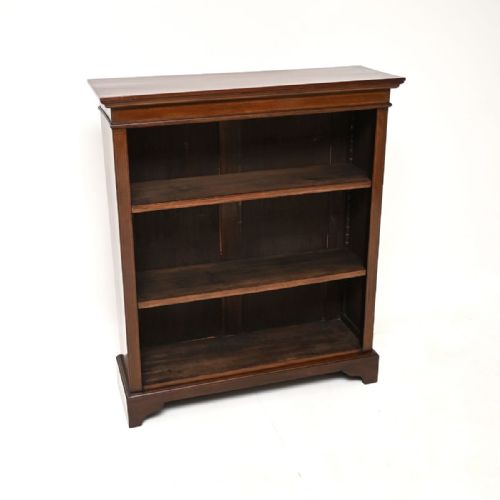
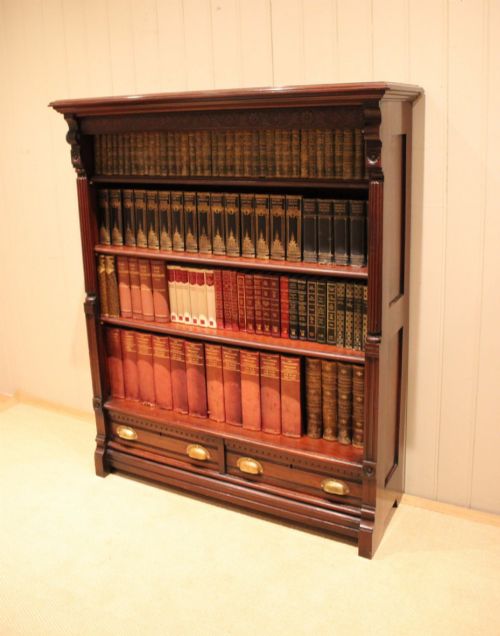
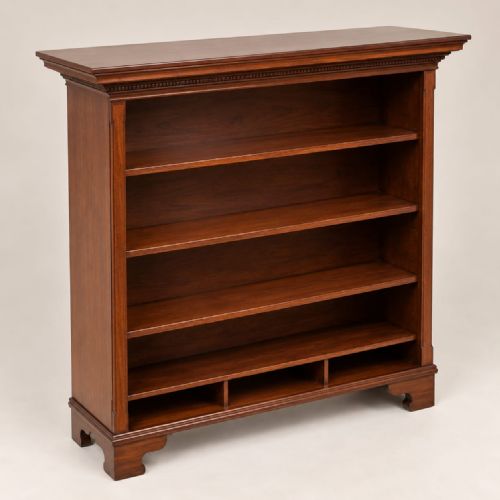
Low mahogany display shelves bring warmth and open storage to a room, uniting timber grain with accessible tiers for books and objects.
Low Mahogany Display Shelves
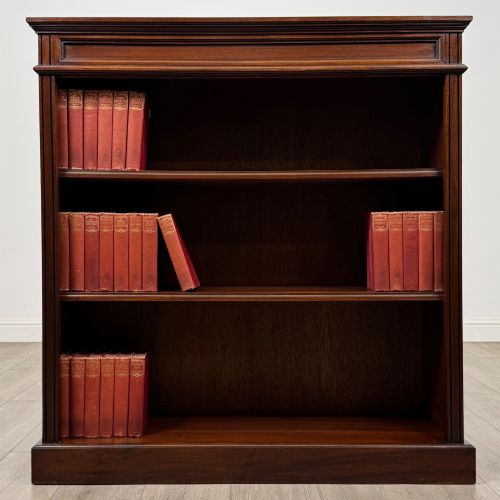
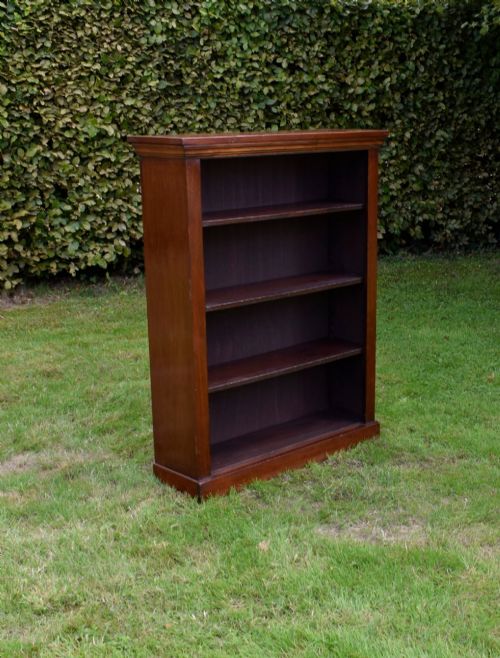
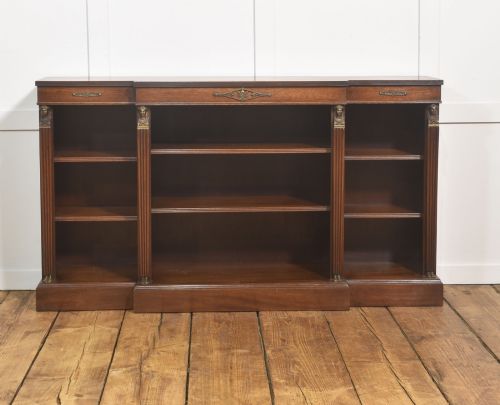
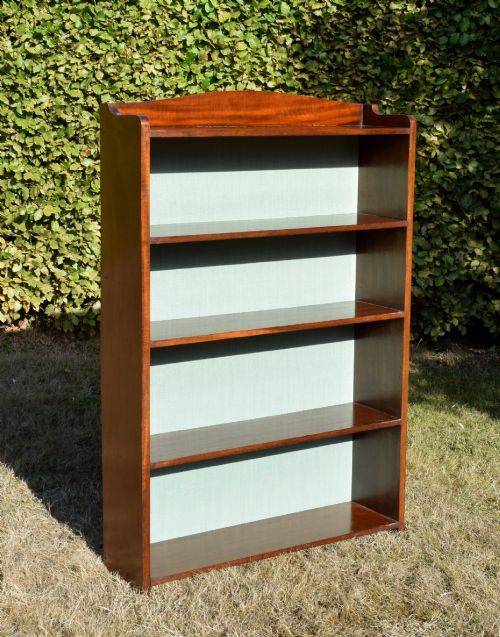
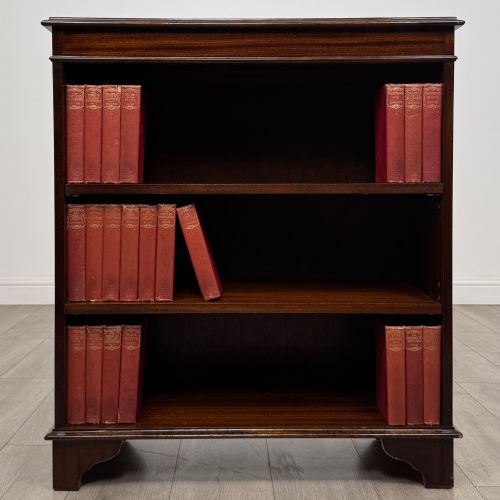
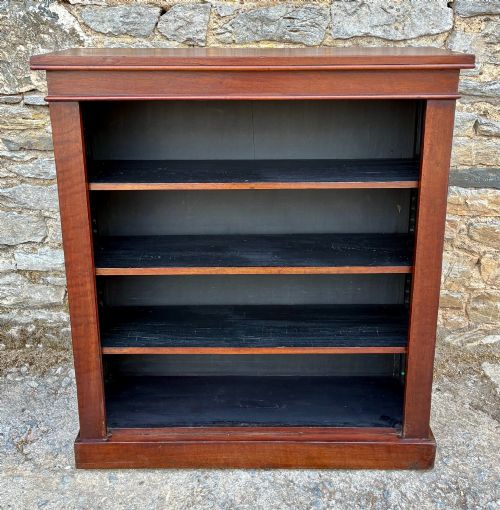
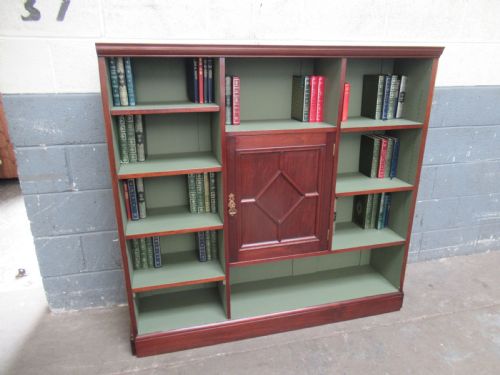
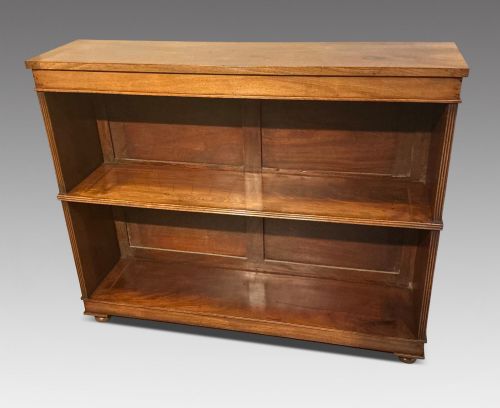
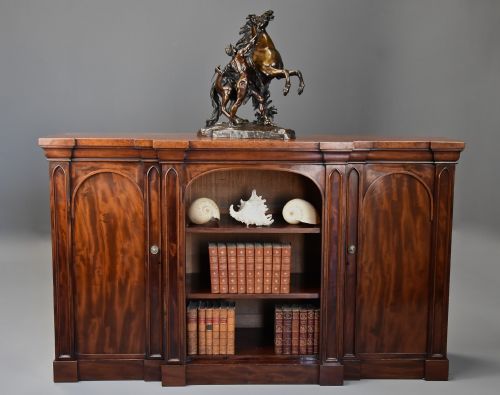
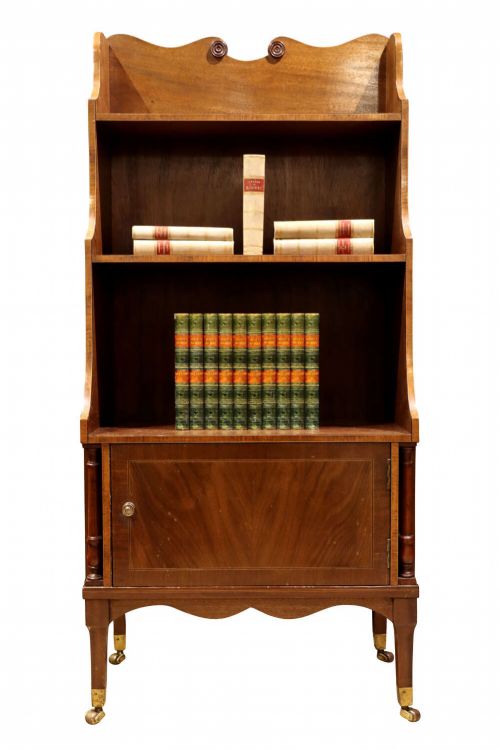
Low mahogany display shelves span multiple eras, appearing most frequently in Victorian and Edwardian iterations alongside Georgian and Regency styles. These pieces function primarily as open bookcases, breakfront cabinets, or freestanding waterfall shelves designed to hold books and decorative items at a convenient height.
Makers shaped these utilitarian furniture forms in various configurations, including concave designs, mirror-backed variants, and library bookcases fitted with adjustable shelves. The proportions remain relatively low, allowing the surface top to double as a display area while keeping the contents within easy reach.
Materials and Construction Methods
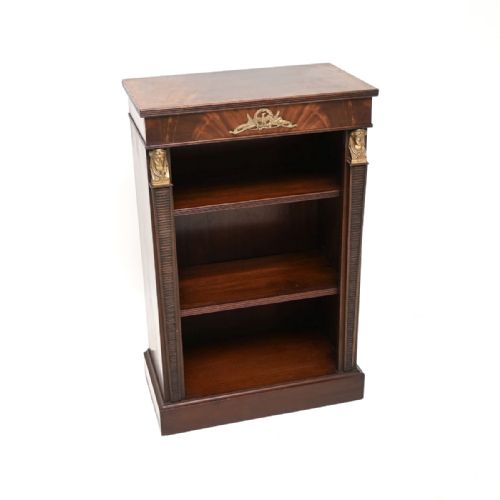
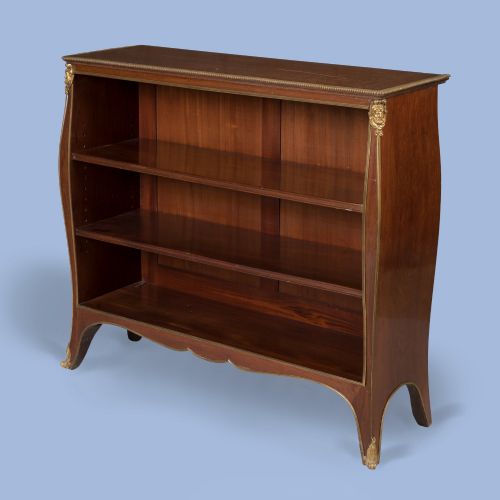
Makers built these pieces predominantly from solid mahogany and wood veneer, frequently incorporating secondary timbers like pine. Structural elements often relied on brass for hardware and castors, while ornamental mounts utilised cast or gilt ormolu.
Surface treatment combined traditional polishing techniques with occasional painted highlights or delicate inlaid details. Structural support included glass panels for cabinets and mirrored backs to enhance light distribution across the shelves.
Some Edwardian shelves included glass backs to bounce daylight right through your paperbacks.
Assessing Craftsmanship and Materials
The distinction between standard utility items and finer examples rests upon the selection of timber and the precision of the joinery. Superior pieces display carefully matched mahogany veneers, robust internal construction, and refined decorative additions such as finely cast ormolu mounts or intricate inlay work.
Proportion and functional refinement also separate tiers of quality, seen in the smooth operation of adjustable shelving mechanisms and the stability of freestanding frames. Well-executed details like brass castors and integrated mirror plates indicate a higher standard of original commission.
The Low Mahogany Display Shelves Glossary
- Mahogany
- A durable tropical hardwood prized for its rich reddish-brown colour and fine grain. It serves as the primary structural and visual material across these pieces.
- Ormolu
- Gilded bronze ornamentation applied to furniture surfaces. This decorative technique appears frequently on French Empire and revival pieces.
- Waterfall bookcase
- A stepped shelving unit where each tier recedes from the one below. This form creates a tiered display profile.
- Breakfront
- A piece of furniture featuring a central section that projects forward from the flanking wings. This configuration adds architectural depth to large bookcases.
- Inlay
- The technique of embedding contrasting materials into the wood surface to form decorative patterns. It defines many Edwardian and Georgian style examples.
Low Mahogany Display Shelves: Frequently Asked Questions
How do I date a low mahogany bookcase?
Dating relies on observing stylistic markers, construction methods, and timber characteristics. Victorian and Edwardian examples often feature machine-sawn elements and standardised hardware, whereas earlier pieces show hand-cut joinery.
Changes in proportion and decorative motifs, such as neoclassical or gothic influences, also help place the piece within its historical period ranging from the nineteenth to the twentieth century.
Are the shelves usually adjustable?
Many of these bookcases feature adjustable shelving systems supported by wooden ratchets, brass studs, or metal tracks. This adaptability allowed libraries to accommodate books of varying heights.
Fixed shelves do appear in smaller display cabinets and certain waterfall configurations where structural integrity requires permanent tier placement.
What is a waterfall display shelf?
A waterfall shelf consists of graduated tiers that step back progressively from bottom to top. This open form provides clear visibility for objects placed on every level.
Such freestanding pieces gained popularity in the nineteenth and early twentieth centuries for displaying small collections and decorative items.