
Low Mahogany Book Cabinet
A low mahogany book cabinet brings warmth and practical book storage to a room without dominating the wall space.
Low Mahogany Book Cabinet
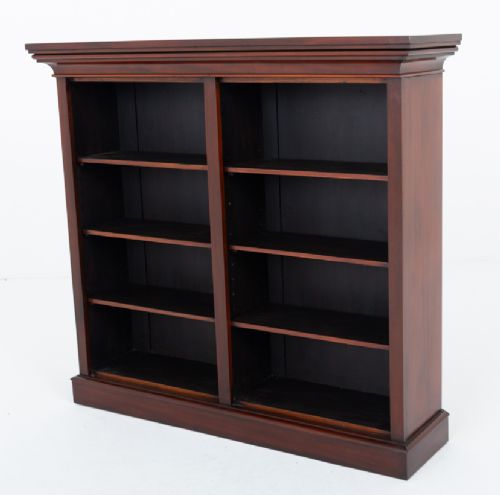
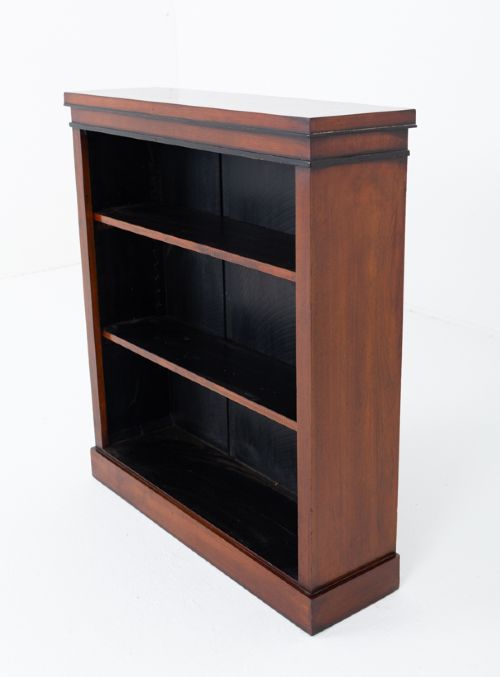
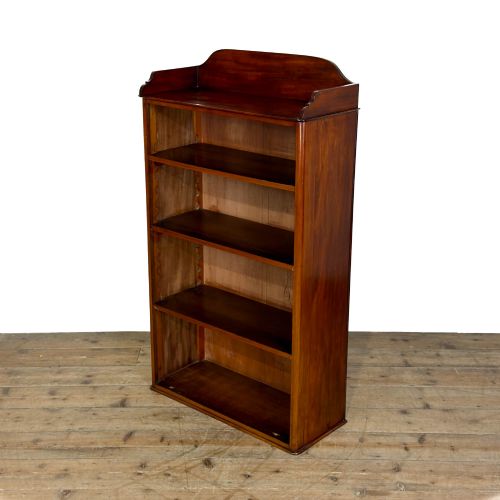
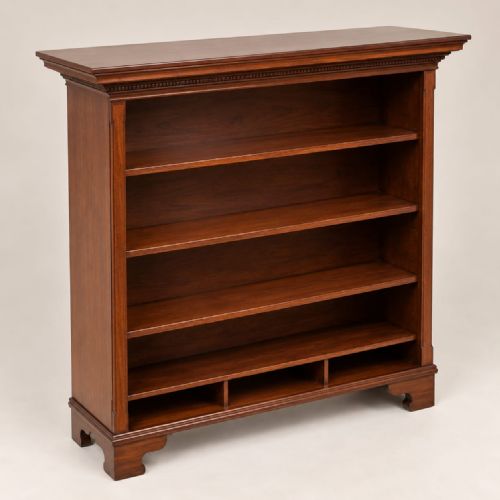
When you search for a low mahogany book cabinet, you are looking at compact storage furniture designed to hold books while keeping tabletops or top surfaces clear for display. The pieces on this page span several periods, most notably the Victorian, Edwardian, and Regency eras.
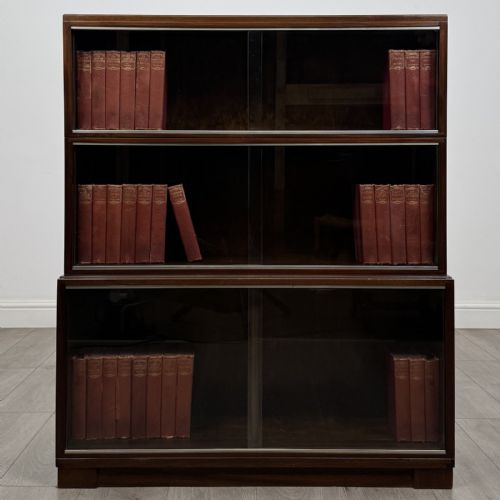
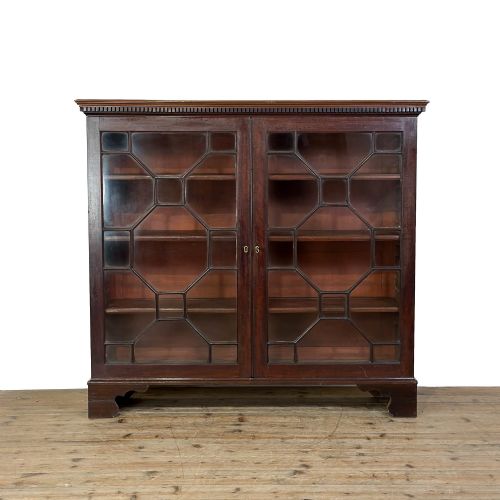
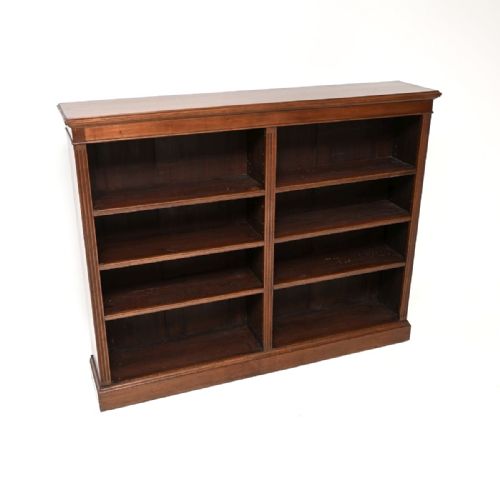
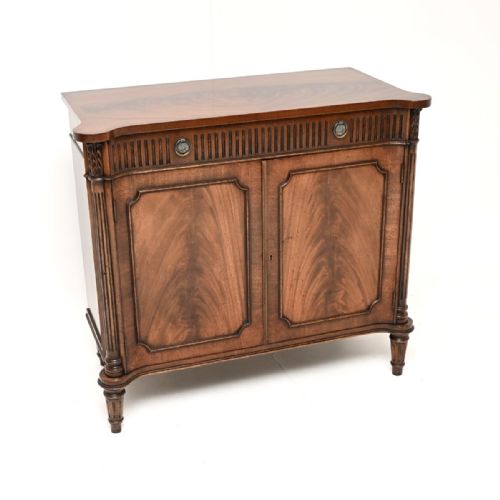
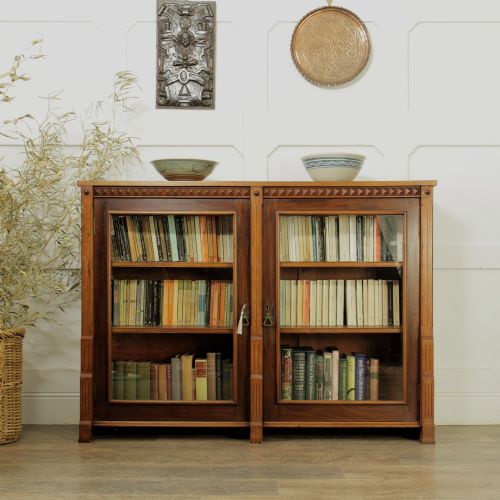
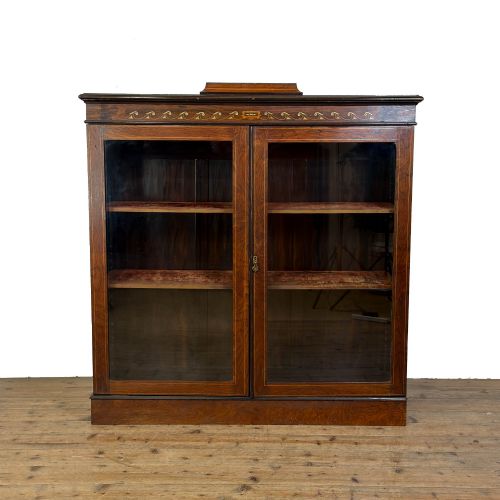
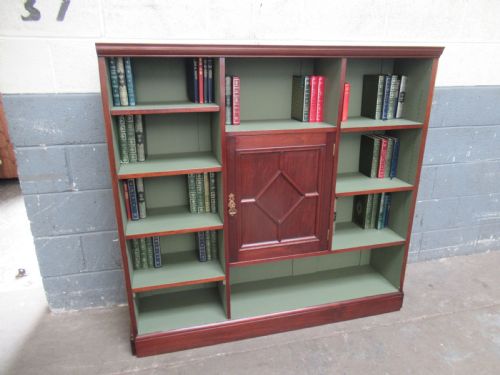
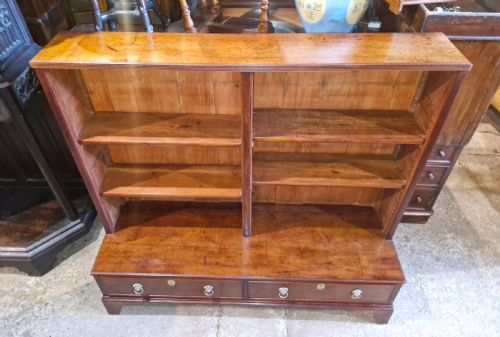
You will frequently encounter open bookcases alongside glazed display cabinets and two-door cabinet variations. These items serve libraries, studies, and living rooms where ceiling height is respected by keeping the furniture profile low.
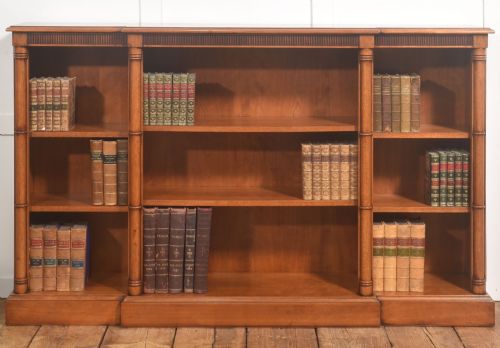
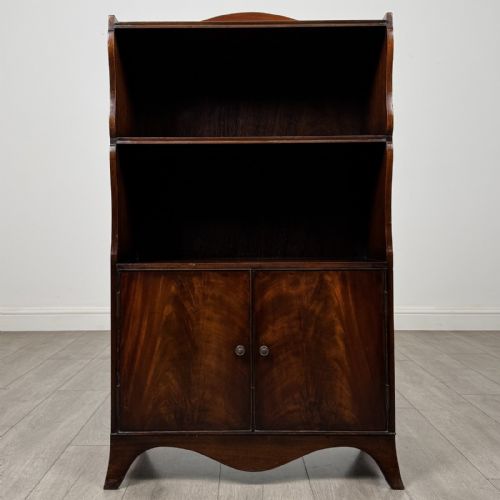
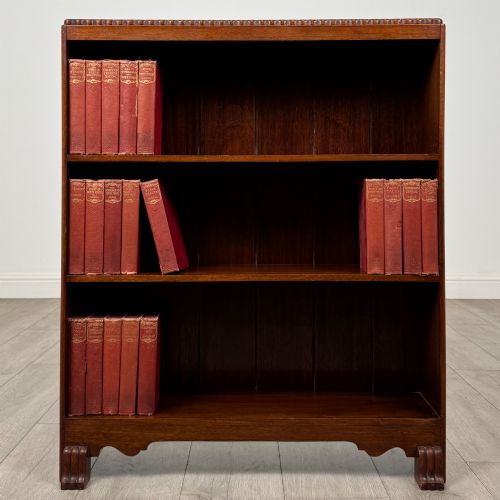
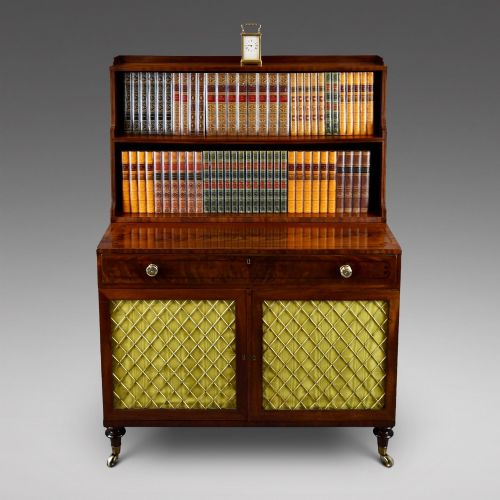
The selection ranges from small open shelves to breakfront units and waterfall bookcases. Construction materials rely heavily on mahogany timbers, often paired with glass doors, brass castors, and subtle inlay work.
Judging Quality
Quality rests in the selection of the mahogany timber and the crispness of any inlay or mouldings. Finer pieces show careful grain matching across the doors and drawer fronts rather than standard commercial planking.
The sophistication of the internal joinery, such as smoothly operating adjustable shelf mechanisms and tight door margins, separates standard workshop production from superior cabinet work. Original brass hardware and intact glass add to the integrity of the piece.
Listings feature mahogany paired with brass, glass, oak, and satinwood inlay across Victorian, Edwardian, and Regency periods.
Gillows
The Low Mahogany Book Cabinet Glossary
- Waterfall bookcase
- A tiered bookcase featuring progressively deeper shelves from top to bottom, usually flanked by shaped sides. This style gained popularity during the Regency and Victorian periods.
- Breakfront
- A cabinet design where the central section projects forward from the flanking outer sections. This architectural arrangement adds depth and visual interest to larger library pieces.
- Astragal glazing
- Thin timber mouldings dividing individual panes of glass within a cabinet door. These bars form geometric patterns typical of Edwardian and Georgian display furniture.
- Dwarf bookcase
- A low-standing bookcase designed to sit below dado height. The term is frequently used interchangeably with low book cabinets in Regency and Victorian inventories.
- Flame mahogany
- Timber cut from the fork of the mahogany tree to produce a flickering, decorative grain pattern. Cabinet makers reserved this veneer for prominent door panels and drawer fronts.
Low Mahogany Book Cabinet: Frequently Asked Questions
How do I style a low book cabinet?
Place the cabinet against a main wall in a study or living room to anchor the space. The top surface offers an ideal platform for lamps, decorative objects, or framed pictures.
Keep frequently read volumes on the open shelves while storing clutter behind lower cupboard doors if the model includes them. Ensure the wood tone complements existing furniture in the room without matching every piece identically.
Are the shelves adjustable on these cabinets?
Many Victorian and Edwardian models feature adjustable shelving systems to accommodate varying book heights. Traditional rack-and-pinion mechanisms or wooden support strips allow you to reposition the shelves.
Older Regency pieces sometimes feature fixed shelves integrated into the structural frame. Check the interior description of each individual cabinet to confirm shelf adjustability before purchase.
What is the difference between open and glazed cabinets?
Open bookcases provide immediate access to book collections and create a lighter visual presence in smaller rooms. They suit everyday reading materials and decorative displays.
Glazed cabinets protect delicate or leather-bound volumes from dust and direct sunlight behind glass doors. Many glazed variants also include lockable doors for added security.
How do I distinguish Regency from Victorian pieces?
Regency low cabinets typically display classical restraint, clean architectural lines, and occasional brass gallery rails or delicate inlay. Proportions tend to reflect neoclassical design principles from the early nineteenth century.
Victorian pieces often introduce heavier proportions, bolder mouldings, and richer, darker mahogany tones. Gothic revival influences or elaborate carved details also point firmly toward the Victorian era.